
The Story in Brief
- Microsoft's latest environmental report reveals a substantial 27% increase in its Scope 3 emissions for 2023, marking a significant setback in its ambitious climate commitments.
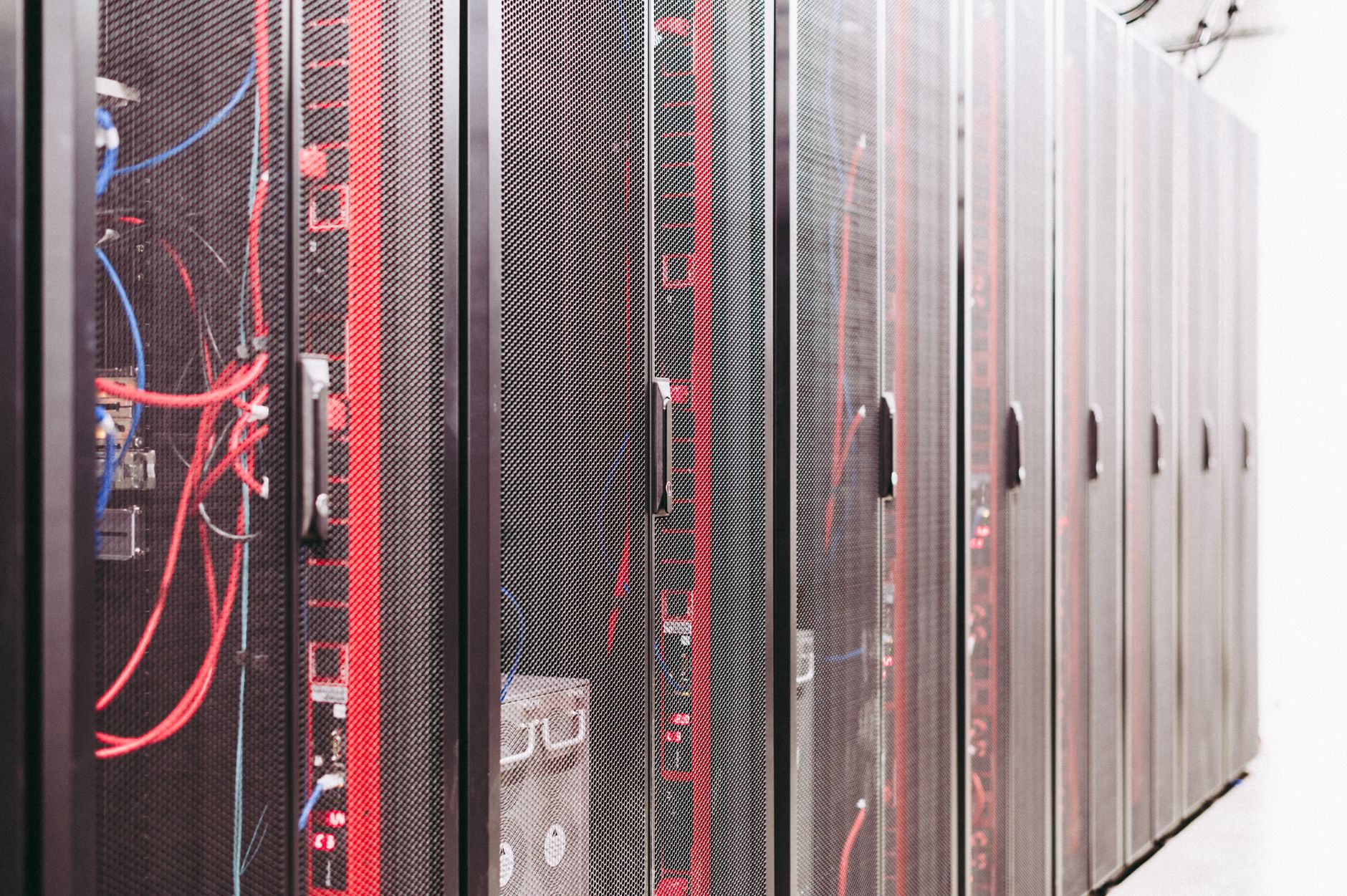
- This dramatic surge is primarily attributed to the massive expansion of its data center infrastructure, essential for powering the burgeoning demands of artificial intelligence technologies and cloud services.
- The company had previously pledged to become carbon negative by 2030, a target that now appears increasingly challenging given the current trajectory of its emissions.
- Scope 3 emissions, which encompass indirect emissions from a company's value chain, including purchased goods and services, capital goods, and upstream transportation, represent the largest portion of Microsoft's carbon footprint.
- The report underscores a critical dilemma facing the tech industry: the rapid advancement of AI, while offering immense potential, comes with a substantial and growing environmental cost that must be urgently addressed.
- Environmental advocates and investors are now scrutinizing Microsoft's strategy, urging for more transparent and aggressive measures to mitigate the carbon impact of its AI and cloud operations.
The Human Face
While the numbers in Microsoft's environmental report might seem abstract, the implications of surging emissions are profoundly human. Increased carbon output contributes directly to climate change, manifesting as more frequent and intense heatwaves, devastating floods, and prolonged droughts. These events disproportionately affect vulnerable communities globally, leading to displacement, food insecurity, and health crises. For instance, agricultural workers in regions experiencing extreme heat face severe health risks, while coastal communities grapple with rising sea levels and erosion, threatening their homes and livelihoods. The abstract data points translate into tangible suffering and disrupted lives, highlighting the urgent need for corporate accountability.
Beyond the immediate environmental impacts, the energy demands of AI and data centers also strain local power grids. This can lead to increased energy costs for consumers and, in some cases, necessitate the expansion of fossil fuel-based power generation if renewable alternatives aren't scaled up rapidly enough. Communities living near these energy-intensive facilities might experience localized air pollution or increased competition for water resources, especially in drought-prone areas. The promise of technological advancement, therefore, carries a hidden cost that can impact the daily lives and well-being of ordinary citizens, from their utility bills to the air they breathe.
Furthermore, the ethical dimension of AI development intersects with its environmental footprint. If the pursuit of advanced AI comes at the expense of a livable planet, it raises fundamental questions about corporate responsibility and the long-term societal benefits of such technologies. Individuals are increasingly aware of their own carbon footprint and are looking to major corporations to lead by example. When a tech giant like Microsoft, with its immense resources and influence, struggles to meet its climate goals due to its core business expansion, it can erode public trust and dampen collective efforts to combat climate change, leaving many feeling disillusioned about the future.
How We Got Here
Microsoft's journey to its current environmental predicament is a complex narrative, rooted in both ambitious climate pledges and the relentless pursuit of technological dominance. In 2020, the company made headlines with its bold commitment to become carbon negative by 2030, a target that set a high bar for the entire tech industry. This pledge involved not just reducing current emissions but actively removing more carbon from the atmosphere than it emits. The strategy encompassed a wide range of initiatives, from investing in renewable energy and improving data center efficiency to supporting carbon removal technologies and influencing its supply chain partners.
However, the landscape shifted dramatically with the explosive growth of artificial intelligence. The development and deployment of sophisticated AI models, particularly large language models, require immense computational power. This power is supplied by vast networks of data centers, which are inherently energy-intensive. Each query, each training cycle, and each inference consumes significant electricity, leading to a direct correlation between AI innovation and increased energy demand. As Microsoft aggressively invested in AI, integrating it across its product suite and expanding its cloud services, the energy footprint of its operations inevitably began to swell, creating a direct conflict with its decarbonization targets.
The 27% surge in Scope 3 emissions in 2023 is a stark indicator of this conflict. Scope 3 emissions, which cover the entire value chain, are particularly challenging to control as they involve the emissions of suppliers, partners, and even the embodied carbon in capital goods like servers and data center components. While Microsoft has made strides in powering its own operations with renewables, the sheer scale of its global supply chain and the rapid procurement of hardware for AI infrastructure have outpaced its mitigation efforts. This situation highlights a critical tension: the imperative to innovate and expand in the competitive tech market versus the equally urgent imperative to meet environmental responsibilities, forcing a re-evaluation of how sustainable growth can truly be achieved.
Why This Cannot Be Ignored
The significant increase in Microsoft's emissions cannot be dismissed as an isolated corporate challenge; it represents a critical bellwether for the entire technology sector and global climate efforts. As one of the world's most influential companies, Microsoft's ability—or inability—to meet its climate commitments sends a powerful signal. If a tech giant with immense resources and a public commitment to carbon negativity struggles to contain its footprint, it raises serious questions about the feasibility of decarbonization targets for other corporations and even national governments. This situation underscores the immense energy demands of emerging technologies like AI and highlights a systemic challenge that requires immediate and concerted attention from industry leaders, policymakers, and environmental advocates alike.
Moreover, the environmental impact of AI is not just about energy consumption; it also involves the significant use of water for cooling data centers and the extraction of rare earth minerals for hardware manufacturing. These resource-intensive processes contribute to ecological degradation, water scarcity, and geopolitical tensions. The rapid expansion of AI infrastructure, if unchecked, could exacerbate these issues, creating a cascade of environmental and social problems. Ignoring this trend would mean tacitly accepting a future where technological advancement comes at an unsustainable cost to the planet, undermining broader sustainability goals and potentially leading to irreversible environmental damage.
Finally, there's a profound reputational and ethical dimension. Companies like Microsoft have positioned themselves as leaders in corporate social responsibility, and their climate pledges have been instrumental in shaping public perception and attracting environmentally conscious talent and investors. A failure to meet these commitments, particularly when driven by the expansion of a core business like AI, risks eroding trust and inviting intense scrutiny. This could lead to a loss of competitive advantage, increased regulatory pressure, and a broader public backlash, demonstrating that environmental performance is no longer a peripheral concern but a central pillar of long-term business viability and societal legitimacy. The stakes are simply too high to ignore these warning signs.
Possible Paths Forward
To realign with its ambitious carbon-negative goals, Microsoft must implement a multi-pronged, aggressive strategy that goes beyond incremental improvements. One critical path involves significantly accelerating its investment in and procurement of 24/7 clean energy solutions for all its data centers. This means not just purchasing renewable energy credits, but actively developing or directly funding new renewable energy projects, such as advanced geothermal, small modular reactors, or next-generation solar and wind technologies, that can provide consistent, reliable power. Furthermore, exploring innovative energy storage solutions and smart grid integration can ensure that its data centers are powered by clean energy around the clock, reducing reliance on fossil fuel backups during peak demand or when intermittent renewables are unavailable. This proactive approach to energy sourcing is paramount.
Another crucial avenue lies in revolutionizing data center efficiency and AI model optimization. Microsoft needs to push the boundaries of energy-efficient hardware design, collaborating with chip manufacturers to develop processors that deliver higher computational power with significantly lower energy consumption. This also extends to optimizing the software layer: developing more efficient AI algorithms and models that require less energy to train and run, exploring techniques like sparse models, quantization, and efficient neural network architectures. Implementing advanced cooling technologies, such as liquid immersion cooling, and optimizing data center layouts to minimize energy waste are also vital. The goal should be to maximize computational output per unit of energy consumed, making every watt count.
Finally, Microsoft must exert greater influence over its Scope 3 emissions, which represent the largest portion of its footprint. This requires a more stringent and collaborative approach with its supply chain partners. The company should set clear, measurable decarbonization targets for its suppliers, offering technical assistance and incentives for adoption of renewable energy and sustainable manufacturing practices. Furthermore, investing in and scaling carbon removal technologies, such as direct air capture or enhanced natural solutions, becomes even more critical to offset unavoidable emissions as AI infrastructure expands. Transparency and accountability in reporting progress, including detailed breakdowns of emissions sources and mitigation strategies, will be essential to rebuild trust and demonstrate genuine commitment to its carbon-negative pledge.
Questions People Are Actually Asking
What to Watch
- Microsoft's next annual environmental report: Pay close attention to whether the company can stabilize or begin to reduce its Scope 3 emissions, particularly those linked to AI infrastructure and its supply chain. The trajectory of these numbers will be a key indicator of its long-term commitment and effectiveness.
- New investments in renewable energy and carbon removal technologies: Look for announcements of significant new projects or partnerships in clean energy generation, especially those focused on providing 24/7 carbon-free power for data centers, and substantial investments in scalable, verifiable carbon removal solutions.
- Industry-wide initiatives and collaborations: Observe if Microsoft joins or leads new consortia with other tech giants, hardware manufacturers, and energy providers to develop and implement more sustainable AI infrastructure and supply chain decarbonization strategies. Collective action will be crucial.
- Regulatory developments and investor pressure: Monitor any new government regulations targeting data center energy consumption or corporate climate reporting, as well as increasing pressure from institutional investors and activist groups demanding greater accountability and faster progress on climate goals from tech companies.
- Innovations in AI efficiency: Keep an eye on advancements in AI hardware and software that promise to significantly reduce the energy footprint of training and running large models. Breakthroughs in more efficient algorithms, specialized chips, or novel computing paradigms could offer a path to more sustainable AI.
- Microsoft's supply chain engagement: Look for concrete details on how Microsoft is working with its suppliers to reduce their emissions, including specific targets, incentives, and reporting mechanisms. The success in tackling Scope 3 emissions largely depends on the effectiveness of these collaborative efforts.


















Comments
No comments yet. Be the first to comment!