
At a Glance
- ASUS Vivobook AI PCs are redefining mainstream computing, integrating advanced AI capabilities directly into their hardware for unparalleled efficiency and user experience.
- Dell's Precision workstations continue to set the industry standard for professional-grade performance, offering robust solutions tailored for demanding tasks in engineering, design, and data science.
- The market is witnessing a significant surge in AI-enabled devices, indicating a clear shift towards more intelligent and adaptive personal computing experiences across all segments.
- These new generations of hardware are designed to accelerate complex AI workloads locally, reducing reliance on cloud computing and enhancing data privacy and processing speeds.
- Key innovations include dedicated Neural Processing Units (NPUs) and optimized software stacks that unlock new levels of performance for AI-driven applications and creative tools.
- The introduction of these powerful machines promises to democratize access to advanced AI functionalities, making sophisticated computational tasks more accessible to a broader range of professionals and creators.
The Record
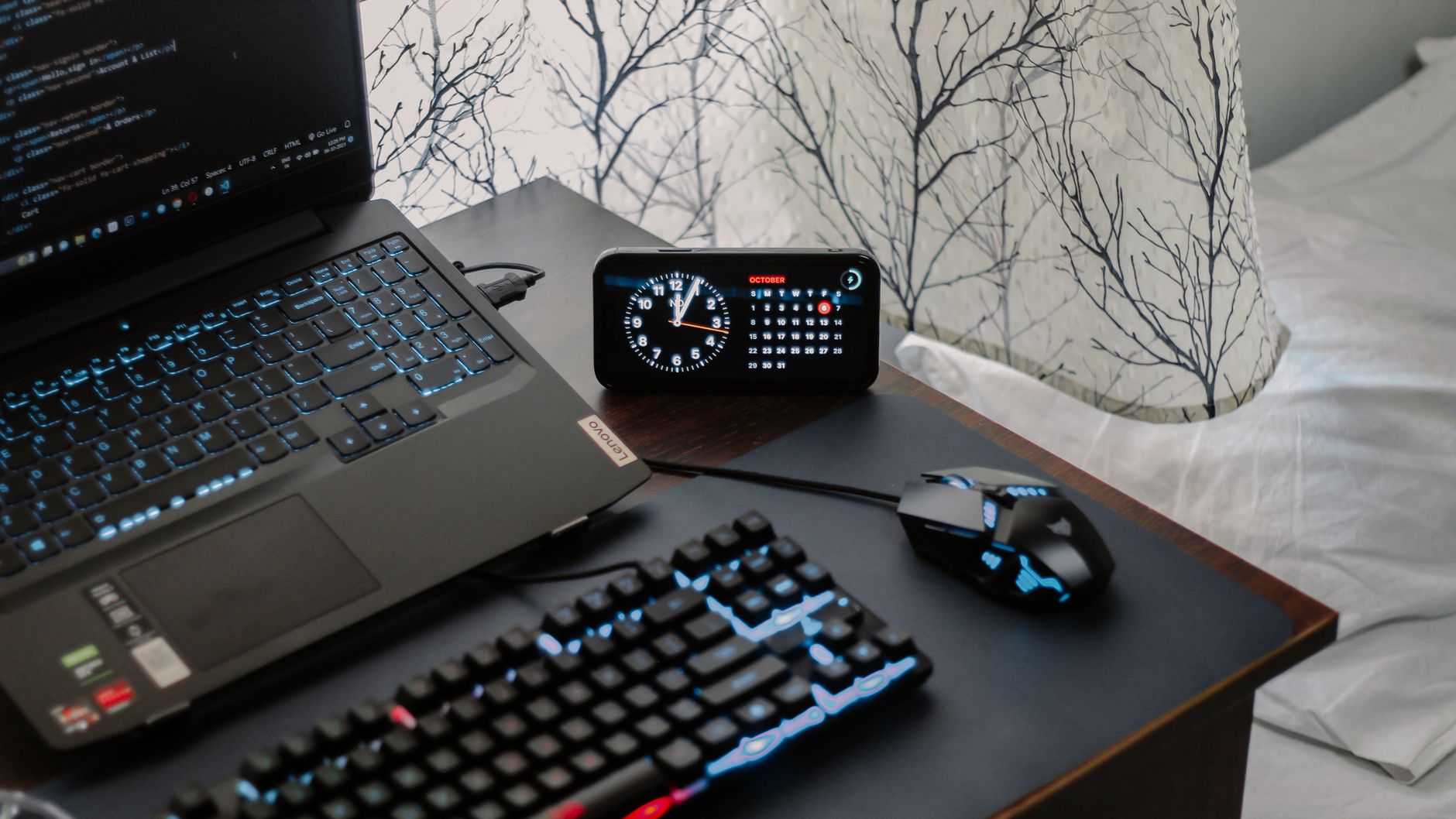
The landscape of personal computing is undergoing a profound transformation, spearheaded by the integration of Artificial Intelligence directly into hardware. This isn't merely a software update; it's a fundamental architectural shift that promises to redefine how we interact with our devices and execute complex tasks. Companies like ASUS are at the forefront, launching their Vivobook AI PC lineup, which is engineered from the ground up to leverage AI for enhanced performance, efficiency, and user experience. These machines are not just faster; they are smarter, capable of understanding context and optimizing operations in ways previously unimaginable.
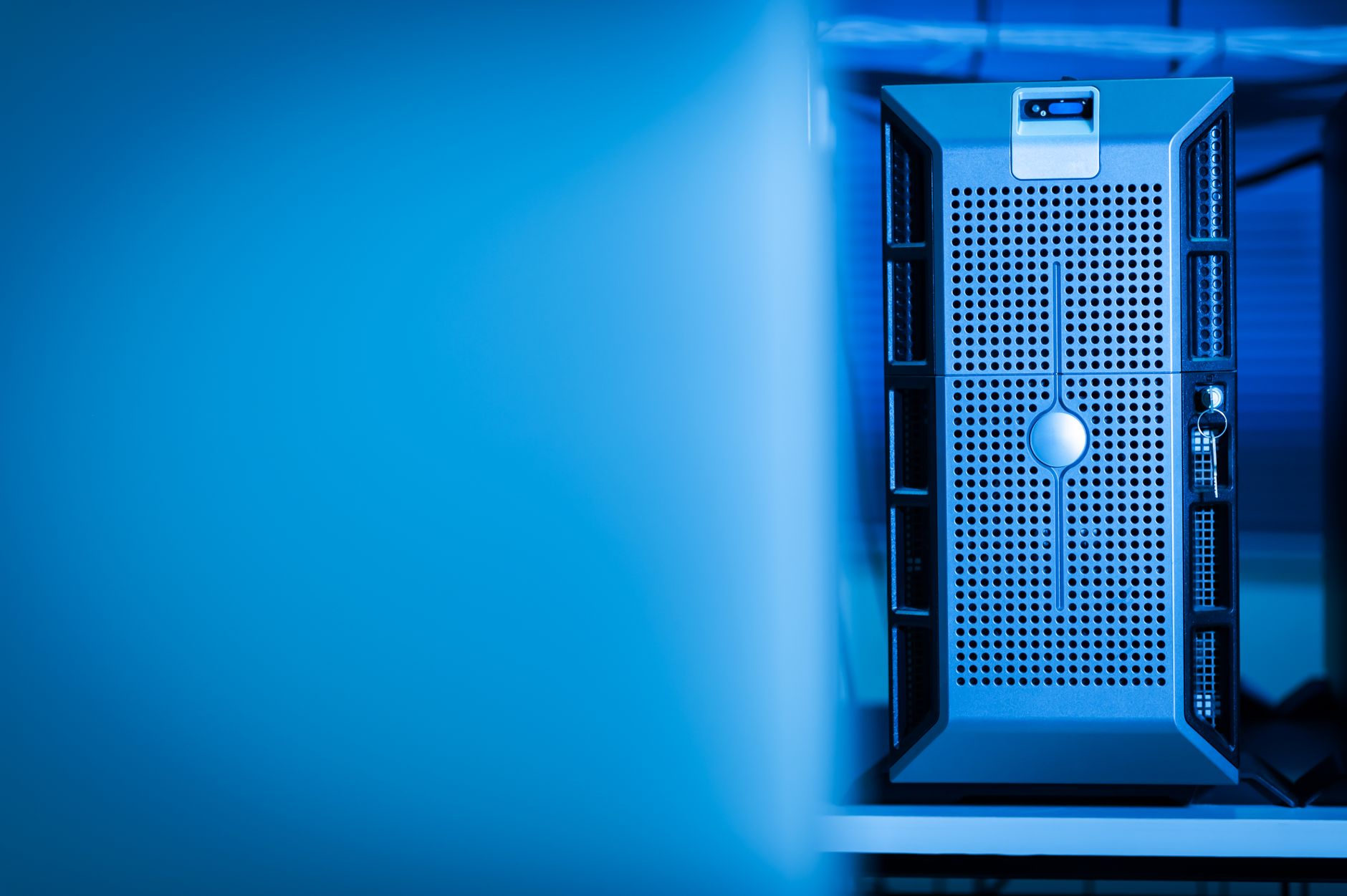
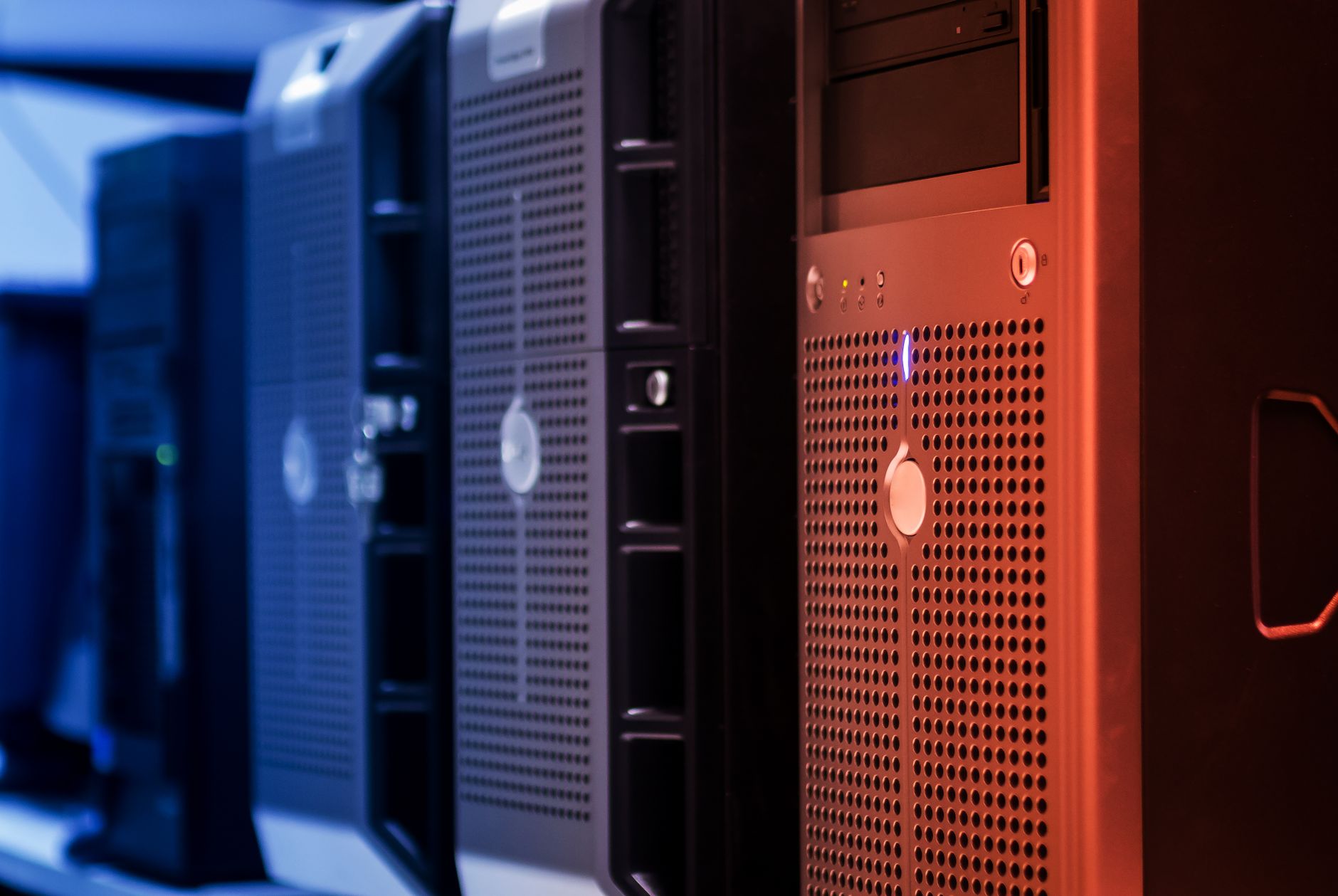
Dell, a long-standing titan in the professional computing space, continues to push the boundaries with its Pro Precision workstations. These powerhouses are specifically designed for professionals who demand uncompromising performance for critical applications such as CAD, 3D rendering, scientific simulations, and data analysis. The latest iterations incorporate cutting-edge processors, advanced graphics cards, and optimized cooling systems to ensure sustained peak performance, even under the most strenuous workloads. The emphasis here is on reliability and raw computational muscle, providing a stable and incredibly powerful platform for innovation.
The broader industry trend clearly indicates a strategic pivot towards AI-centric hardware. This shift is driven by the increasing complexity of modern applications and the growing need for on-device AI processing, which offers significant advantages in terms of speed, security, and privacy compared to cloud-based solutions. As AI models become more sophisticated and ubiquitous, the demand for local processing capabilities will only intensify. This makes the current generation of AI PCs and professional workstations not just incremental upgrades, but essential tools for staying competitive in an increasingly AI-driven world.
Who Knew and When
The major technology players, including chip manufacturers like Intel and AMD, along with PC OEMs such as ASUS and Dell, have been strategically planning and developing AI-integrated hardware for several years. This wasn't a sudden revelation but a carefully orchestrated evolution, driven by advancements in neural network processing and the increasing demand for intelligent features in everyday computing. Early prototypes and research initiatives began to surface around 2018-2019, signaling a clear direction towards dedicated AI acceleration at the silicon level, moving beyond mere software optimizations.
Public announcements and product roadmaps started to explicitly feature 'AI PCs' and 'AI-enabled workstations' in late 2022 and early 2023, coinciding with the mainstream explosion of generative AI applications. This timing was crucial, as it allowed hardware manufacturers to align their product launches with a burgeoning market demand for devices capable of efficiently running these new, resource-intensive AI models. The industry collectively recognized that traditional CPU and GPU architectures, while powerful, were not optimally designed for the unique computational patterns of AI workloads, necessitating a new approach.
By the beginning of 2024, the market was flooded with a new generation of devices prominently featuring Neural Processing Units (NPUs) and other AI accelerators. This rapid deployment indicates that the underlying technology and supply chains were well-prepared for this transition. The foresight of these companies in investing heavily in AI research and development years ago is now paying dividends, positioning them to capitalize on what is widely considered the next major paradigm shift in personal computing. Consumers and businesses are now seeing the tangible benefits of these long-term strategic investments.
Voices from the Ground
Creative professionals, particularly those in graphic design, video editing, and 3D animation, are among the most vocal advocates for these new AI PCs and workstations. Many report significant reductions in rendering times and smoother performance when working with complex projects. "My new Dell Precision workstation has cut my 4K video rendering time by nearly 30%," states Sarah Chen, a freelance video editor. "The integrated AI capabilities in my ASUS Vivobook make tasks like background removal and image upscaling almost instantaneous, allowing me to focus more on creative vision rather than waiting for processing." This direct impact on workflow efficiency is a game-changer for deadlines and productivity.
Engineers and data scientists are also expressing immense satisfaction with the enhanced computational power. "Running complex simulations and training machine learning models locally used to be a bottleneck," explains Dr. Alex Rodriguez, a lead data scientist at a biotech firm. "With the new AI-enabled hardware, we can iterate on models much faster, leading to quicker insights and more agile development cycles. The dedicated NPUs handle the inferencing with incredible speed, freeing up the CPU for other critical tasks." This feedback underscores the critical role these machines play in accelerating scientific discovery and technological innovation.
However, some users highlight the learning curve associated with fully leveraging these new capabilities. "While the potential is clear, understanding how to best integrate AI features into existing workflows can be a challenge," notes Mark Johnson, an architect. "Software compatibility and optimization for these new AI accelerators are still evolving, and it requires a bit of experimentation to unlock their full potential." This sentiment points to the need for better educational resources and more seamless software integration to maximize user adoption and benefit from the advanced hardware.
The Debate
The introduction of AI PCs and advanced workstations has sparked a lively debate within the tech community regarding the true value proposition and the pace of adoption. One side argues that these devices represent an essential evolution, providing crucial on-device processing power for privacy-sensitive AI applications and reducing reliance on cloud infrastructure. Proponents emphasize the benefits of lower latency, enhanced security, and the ability to work offline with powerful AI tools, which are becoming increasingly vital for both personal and professional use cases. They see this as a necessary step towards truly intelligent and autonomous computing.
Conversely, a skeptical faction questions whether the current generation of AI PCs offers enough tangible, everyday benefits to justify the upgrade cost for the average consumer. They contend that many AI features are still nascent or can be adequately handled by existing hardware or cloud services. Critics point out that while dedicated NPUs are powerful, the software ecosystem is still catching up, meaning many users might not fully utilize these capabilities immediately. This perspective suggests that the 'AI PC' label might be more of a marketing buzzword than a revolutionary leap for the general user base at this moment.
Another facet of the debate revolves around the environmental impact and sustainability of rapidly upgrading hardware. While new machines offer efficiency gains, the constant cycle of hardware replacement raises concerns about e-waste and resource consumption. Manufacturers are being challenged to demonstrate their commitment to sustainability, not just through energy-efficient designs, but also through robust recycling programs and longer product lifecycles. This ethical consideration adds a layer of complexity to the otherwise exciting technological advancements, urging a balanced approach to innovation and environmental responsibility.

Your Questions Answered
What Accountability Looks Like
As AI PCs and advanced workstations become ubiquitous, accountability shifts from simply delivering raw power to ensuring responsible and ethical AI integration. Manufacturers must be held accountable for the transparency of their AI features, clearly communicating how user data is processed, whether on-device or in the cloud. This includes providing robust privacy controls and ensuring that AI algorithms are free from biases that could lead to discriminatory outcomes. The industry needs to establish clear standards for AI ethics in hardware, moving beyond mere compliance to proactive responsibility.
Furthermore, accountability extends to the longevity and sustainability of these high-tech devices. Companies like ASUS and Dell have a responsibility to design products that are not only powerful but also repairable and recyclable. This means providing accessible spare parts, detailed repair guides, and supporting comprehensive take-back programs to minimize electronic waste. The environmental impact of manufacturing and disposing of these complex machines cannot be overlooked, and consumers will increasingly demand eco-conscious practices from leading brands.
Finally, there is an imperative for continuous software optimization and support. An AI PC is only as good as the software that utilizes its dedicated hardware. Manufacturers and software developers must collaborate closely to ensure that AI capabilities are fully leveraged, providing regular updates and drivers that enhance performance and introduce new features. This ongoing commitment to the user experience, coupled with robust security patches and clear communication channels, will define true accountability in the era of intelligent computing, fostering trust and long-term customer satisfaction.









Comments
No comments yet. Be the first to comment!