
Policy Snapshot
- Metropolitan Police deployed significant resources to manage crowds across central London, particularly around celebratory and gathering points like Piccadilly Circus and Kensington.
- Pre-emptive measures were in place, including heightened police presence and strategic road closures, anticipating large gatherings regardless of the match outcome, reflecting lessons learned from previous major sporting events.
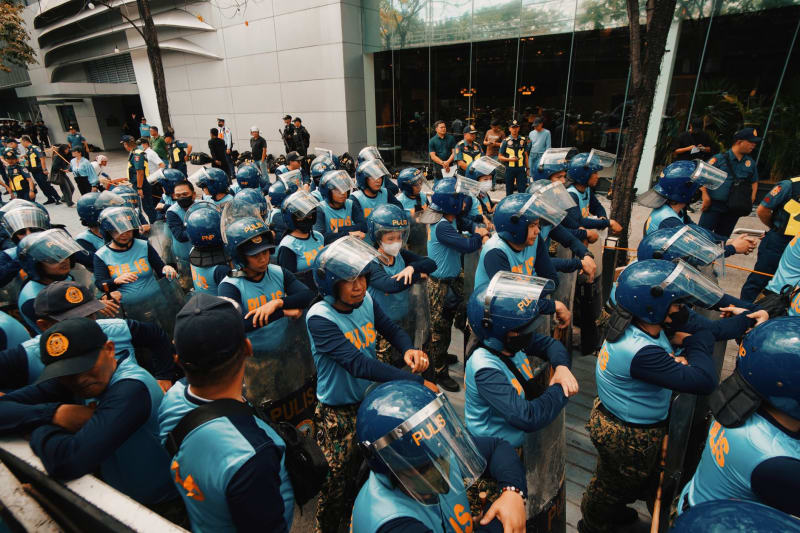
- Public order policing protocols were activated, emphasizing containment and de-escalation, though the rapid escalation of some situations necessitated more direct intervention to disperse crowds.
- Authorities are currently reviewing CCTV footage and eyewitness accounts to identify individuals involved in any unlawful activities, with potential charges for public disorder, assault, or property damage.
- Discussions are underway between local councils, event organizers, and police to refine future crowd management strategies for large-scale public events, especially those with high emotional stakes.
- The incident highlights the ongoing challenge for law enforcement in balancing the public's right to assemble and celebrate with the imperative to maintain peace and prevent disorder, particularly in diverse urban environments.
The Policy History
London has a long and complex history of managing large public gatherings, particularly those associated with major sporting events. Over decades, the Metropolitan Police Service has evolved its crowd control strategies, moving from reactive responses to more proactive, intelligence-led approaches. This evolution has been shaped by numerous incidents, ranging from celebratory street parties to more volatile protests and football-related disturbances. The challenge lies in predicting the scale and nature of public reactions, which can swing dramatically based on the emotional investment in an event, such as a World Cup semi-final.
Historically, major football tournaments often lead to spontaneous public celebrations or, conversely, expressions of disappointment that can sometimes spill into disorder. The police response is typically guided by a framework that prioritizes public safety, minimizes disruption, and facilitates lawful assembly. However, the sheer unpredictability of crowd dynamics, especially when fueled by intense national pride and collective emotion, often tests these established protocols. The sheer volume of people gathering, sometimes numbering in the thousands, presents an inherent logistical and security challenge that requires meticulous planning and rapid adaptation.
Lessons from past events, both successful and challenging, continually inform current policing policies. For instance, the strategies employed during the London Olympics in 2012, or even the more recent Euro 2020 final, have provided valuable insights into managing diverse crowds across multiple locations. These experiences underscore the need for flexible deployment, clear communication with the public, and a nuanced understanding of cultural contexts to effectively manage expectations and mitigate potential flashpoints. The incident involving Morocco fans, while specific in its context, draws upon this extensive history of public order policing in a global city.
Who Is Affected
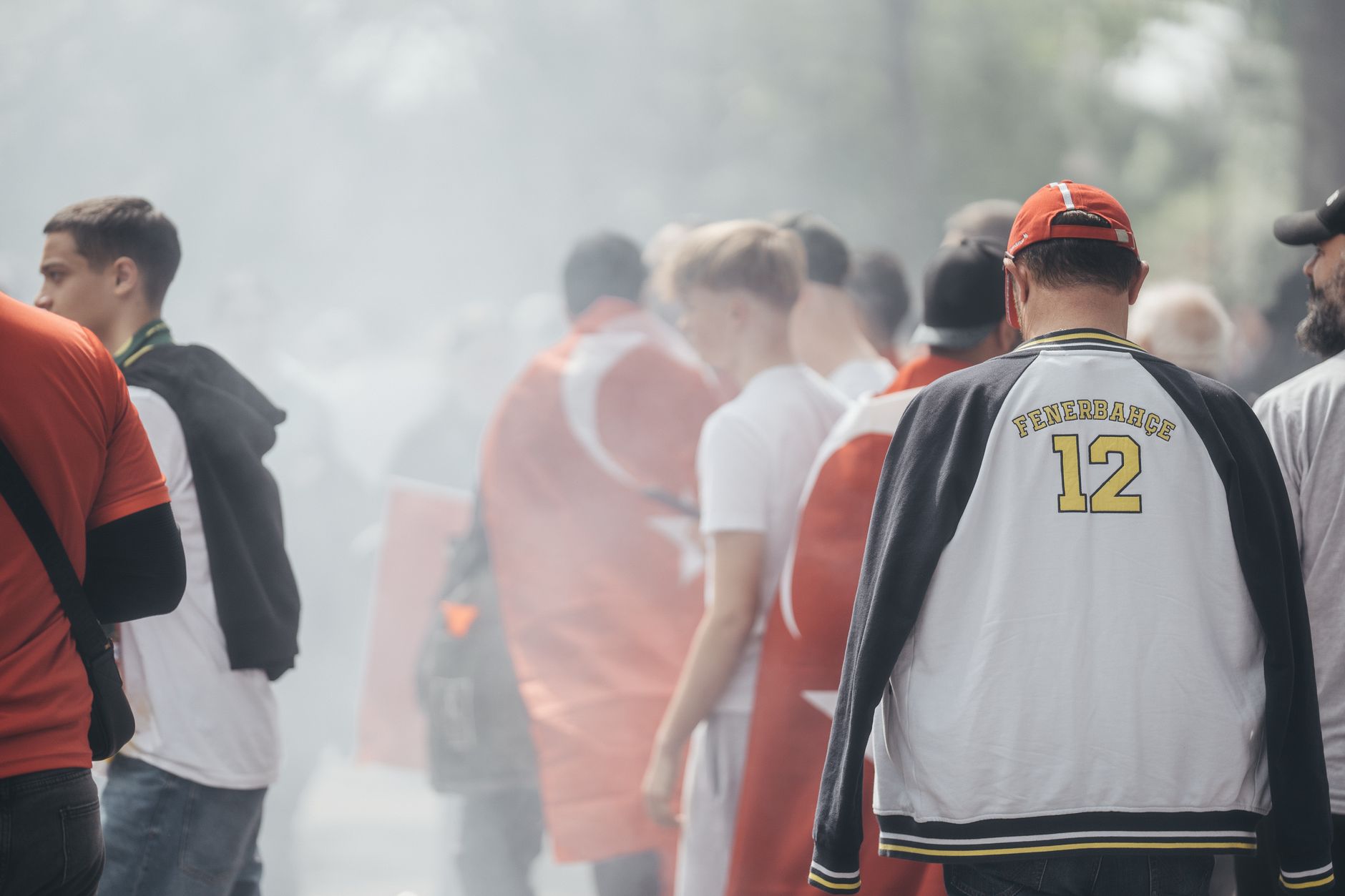
The immediate and most visible impact of these confrontations falls upon the fans themselves, particularly those who were celebrating or expressing disappointment in central London. While many were peaceful, a minority's actions led to a broader negative perception, affecting the entire community of Moroccan supporters. Those directly involved in clashes with police faced potential injury, arrest, and subsequent legal consequences, which can have long-lasting repercussions on their lives and reputations. The emotional toll of witnessing or being caught in such disorder can also be significant, turning a moment of collective passion into one of fear and frustration.
Local residents and businesses in affected areas, such as Kensington and Westminster, experienced significant disruption. Road closures, increased noise levels, and the presence of large crowds can impede daily routines, affect trade, and create an atmosphere of unease. Businesses, particularly those reliant on evening footfall, may suffer losses due to early closures or reduced customer traffic. The perception of safety in these areas can also be temporarily diminished, impacting community well-being and potentially deterring future visitors or customers. This disruption extends beyond the immediate vicinity, as public transport networks often face delays and diversions.
The Metropolitan Police Service and other emergency services are also profoundly affected. Officers on the ground face direct risks of injury and must operate under immense pressure to maintain order and protect the public. The deployment of significant resources for crowd control diverts personnel and assets from other policing duties, potentially straining resources across the city. Furthermore, incidents like these can impact public trust in law enforcement, particularly if interactions are perceived as overly aggressive or disproportionate. The aftermath involves extensive investigations, reviews, and potential policy adjustments, consuming valuable time and resources.
The Case For
The robust police presence and intervention were absolutely necessary to prevent wider disorder and ensure public safety. When large crowds gather, especially after emotionally charged events like a World Cup semi-final, the potential for escalation is significant. Without a strong law enforcement presence, isolated incidents can quickly spiral into widespread chaos, endangering both participants and innocent bystanders. The police's primary duty is to maintain peace and order, and their actions, even when appearing forceful, are often a calculated response to dynamic and potentially dangerous situations to protect lives and property.
Proactive policing measures, including strategic deployments and crowd dispersal, are crucial for managing public spaces effectively. Allowing unchecked gatherings to block major thoroughfares or engage in disruptive behavior would set a dangerous precedent and undermine the rule of law. The police must act decisively to clear roads, ensure access for emergency services, and prevent property damage. Their presence acts as a deterrent, discouraging individuals from engaging in unlawful activities and helping to de-escalate tensions before they reach a critical point. This protective stance is vital for urban environments, which are constantly balancing freedom of expression with civic responsibility.
The actions taken by the Metropolitan Police are consistent with established public order policing doctrines, which prioritize containment and dispersal when crowds become unruly. These tactics are developed through extensive training and experience, designed to manage large groups while minimizing harm. The goal is not to suppress legitimate celebration but to prevent criminal acts and ensure that public spaces remain safe and accessible for everyone. In situations where a minority engages in disruptive or violent behavior, the police are obligated to intervene to protect the majority and uphold community standards. This firm but fair approach is essential for maintaining societal trust and order.
The Case Against
Critics argue that the police response might have been disproportionate or overly aggressive in certain instances, potentially escalating rather than de-escalating tensions. While maintaining public order is paramount, the manner in which crowds are managed can significantly influence their behavior. An overly heavy-handed approach can alienate peaceful celebrants and provoke confrontation, turning what could have been a contained, albeit boisterous, gathering into a more volatile situation. There is a fine line between effective crowd control and actions that are perceived as confrontational, which can erode trust between communities and law enforcement.
Concerns have been raised regarding the potential for racial profiling or biased policing, particularly when dealing with specific ethnic communities. While police maintain their actions are impartial, perceptions of unfair treatment can arise when a particular group is consistently targeted or subjected to more stringent controls. This can lead to feelings of marginalization and resentment, undermining community relations and making future crowd management even more challenging. It is crucial for police forces to demonstrate transparency and accountability in their operations to counteract such perceptions and build trust across all communities they serve.
Furthermore, some argue that the focus should be on understanding the underlying causes of such large gatherings and developing more community-led solutions, rather than solely relying on police intervention. Engaging with community leaders and fan groups before major events could help manage expectations, disseminate safety messages, and foster a sense of shared responsibility for maintaining order. A purely enforcement-based approach often fails to address the root causes of public disorder and can be less effective in the long term than collaborative strategies that empower communities to self-regulate and celebrate responsibly. This incident underscores the need for a more holistic approach to public event management.
Policy Questions Answered
Implementation Watch
Following the confrontations, a critical review of the policing operation is undoubtedly underway within the Metropolitan Police Service. This internal assessment will scrutinize deployment strategies, communication protocols, and the effectiveness of crowd management tactics employed on the night. Key questions will focus on whether resources were optimally allocated, if de-escalation techniques were fully utilized, and how intelligence about potential flashpoints was integrated into operational planning. The findings of this review will be crucial in shaping future responses to similar large-scale public events, ensuring that lessons are learned and applied to enhance public safety and order.
Beyond internal reviews, there will likely be broader discussions involving local government, community leaders, and potentially even national bodies regarding the wider implications of such incidents. These discussions will explore not only policing strategies but also urban planning for major events, the role of social media in mobilizing crowds, and the effectiveness of public messaging. The aim will be to develop more integrated and holistic approaches that go beyond mere enforcement, fostering greater cooperation between authorities and communities to manage passionate public gatherings responsibly and safely, preventing future unrest.
The implementation of any new policies or refined strategies will be closely watched by both the public and civil liberties groups. Transparency and accountability will be key to rebuilding trust, especially if there are perceptions of disproportionate force or bias. This includes clear communication about any changes in policing tactics, enhanced training for officers in cultural sensitivity and de-escalation, and robust mechanisms for public feedback and oversight. The success of these implementations will ultimately be measured by their ability to maintain public order while respecting the rights of individuals to celebrate and express their emotions in a vibrant, diverse city like London.












Comments
No comments yet. Be the first to comment!