

Key Takeaways
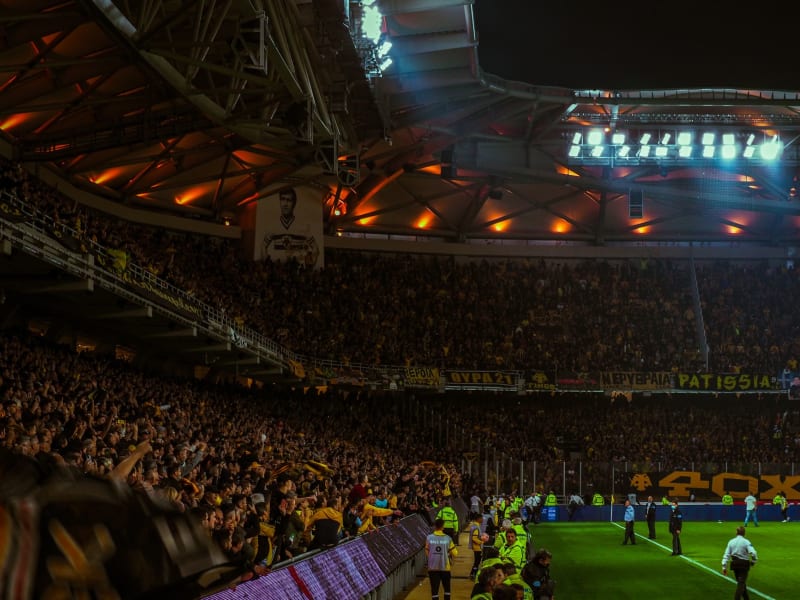
- A significant new policy is under consideration that could restrict access for individuals deemed a security risk or public disturbance from major international sporting events.
- This proposed rule change directly impacts former President Donald Trump, potentially barring him from attending the 2026 World Cup and the 2028 Los Angeles Olympic Games.
- The policy aims to enhance safety and ensure smooth operations at high-profile events, reflecting a growing concern over the potential for political demonstrations or disruptions.
- Event organizers and host cities are grappling with the complex challenge of balancing public access with stringent security requirements, especially concerning controversial figures.
- Legal challenges and debates surrounding free speech versus event integrity are anticipated as the specifics of this new policy are finalized and implemented.
- The implications extend beyond Trump, setting a precedent for how future major events manage the presence of any individual who might draw significant protest or security concerns.
Background
The prospect of high-profile individuals, particularly those with a history of generating significant public attention or controversy, attending major international events like the Olympic Games or the World Cup has always presented unique challenges for organizers. These events are global spectacles, drawing immense media scrutiny and massive crowds, making security a paramount concern. The presence of figures like former President Donald Trump, known for his polarizing persona and the fervent reactions he elicits from both supporters and detractors, naturally amplifies these security considerations and logistical complexities.
Historically, access to such events has been managed through a combination of ticketing, accreditation, and security screenings. However, the evolving landscape of political discourse and public protest has necessitated a re-evaluation of these protocols. The focus has shifted towards proactive measures to prevent disruptions and ensure the safety of all attendees, athletes, and officials. This includes considering the potential for individuals to become focal points for demonstrations, thereby diverting resources and potentially jeopardizing the event's smooth execution. The discussions around a new policy are a direct response to these heightened concerns.
The proposed rule change is not merely a reaction to one individual but rather a broader attempt to codify a framework for managing high-risk attendees. It reflects a growing global trend among major event organizers to exert greater control over the environment surrounding their events, ensuring they remain focused on sport and cultural exchange rather than political theater. This move is indicative of a shift towards more stringent gatekeeping, where the potential for disruption by any attendee, regardless of their public standing, is weighed against the overarching goals of security and event integrity.
Why It Matters
This proposed rule change carries profound implications, extending far beyond the immediate question of whether a single individual can attend a sporting event. It fundamentally redefines the parameters of access for public figures at major international gatherings, setting a precedent for how host nations and event organizers will manage security and public order in an increasingly polarized world. The policy could establish a new standard, influencing future decisions on who is permitted to be present at events that attract global attention, potentially impacting other controversial personalities or even heads of state who might be deemed a security risk or a source of significant public unrest.
The debate surrounding this policy also touches upon fundamental issues of free speech and the right to public assembly versus the imperative to maintain order and safety at large-scale events. Critics may argue that such a ban could be seen as a form of censorship or political discrimination, especially if applied to individuals based on their political views or past actions rather than direct threats. This tension between individual liberties and collective security will undoubtedly fuel extensive legal and ethical discussions, challenging the very principles governing public access to major international spectacles. The outcome could significantly shape future legal interpretations of these rights in the context of global events.
Furthermore, the implementation of such a rule could inadvertently politicize these sporting events, drawing more attention to the controversies surrounding banned individuals than to the athletic competitions themselves. Instead of fostering unity and sportsmanship, these events might become stages for protests or legal battles, detracting from their intended purpose. The decision to ban a high-profile figure could also create diplomatic ripples, particularly if the individual holds or has held a significant political office, potentially straining international relations or inviting retaliatory measures in other contexts. This policy is a delicate balancing act with far-reaching consequences for global diplomacy and the spirit of international competition.
Ground Reality
On the ground, the implementation of such a policy would present immense logistical and enforcement challenges for event organizers and local authorities. Identifying individuals who fall under the ban's criteria, monitoring their potential presence, and enforcing the exclusion would require significant resources and coordination among various security agencies. The sheer scale of events like the Olympics and the World Cup, involving millions of attendees and numerous venues spread across a vast metropolitan area, makes this a monumental task. The practicalities of preventing a determined individual, especially one with significant public recognition, from attending or attempting to attend, are complex and fraught with potential complications.
The public reaction to such a ban would also be a critical factor. Depending on the individual targeted and the perceived fairness of the policy, there could be widespread public support or significant backlash. Protests outside venues, media campaigns, and legal challenges could become a recurring feature, diverting attention from the sporting events themselves and creating additional security burdens. Local communities and businesses around the event sites might also experience disruptions, impacting the overall atmosphere and economic benefits typically associated with hosting such major international gatherings. Managing public perception and maintaining a positive image would be crucial.
Moreover, the precedent set by this policy could lead to a slippery slope where event organizers face increasing pressure to ban other individuals or groups deemed controversial, potentially eroding the principle of open access to public events. This could lead to a more restrictive environment for future international events, impacting not only attendees but also journalists, activists, and even artists whose presence might be deemed disruptive. The ground reality is that while the intention may be to enhance security, the execution of such a policy could inadvertently create new layers of complexity and controversy, challenging the very spirit of global inclusivity that these events often aim to embody.
What Experts Are Saying
Security experts are largely in agreement that major international events require robust and proactive measures to mitigate potential threats, especially in an era of heightened political tensions and increased capacity for rapid mobilization of protests. Dr. Anya Sharma, a specialist in event security protocols, notes, "The challenge isn't just about preventing direct threats, but also managing the 'optics' and potential for indirect disruptions that can overshadow the event itself. A high-profile, controversial figure can inadvertently become a lightning rod, drawing resources away from core security functions and creating vulnerabilities elsewhere." She emphasizes that organizers are increasingly looking for ways to depoliticize these global stages, allowing the focus to remain squarely on athletic achievement and international camaraderie.
Legal scholars, however, are raising significant concerns about the potential for such policies to infringe upon civil liberties, particularly freedom of speech and assembly. Professor David Chen, an expert in constitutional law, states, "While event organizers have a legitimate interest in security, any blanket ban based on an individual's past conduct or political persona must be scrutinized carefully. The line between preventing a genuine security threat and suppressing dissent or perceived inconvenience can become dangerously blurred. We must ensure that such measures are narrowly tailored and subject to clear, objective criteria, not arbitrary decisions driven by political pressure or public relations." He suggests that legal challenges are almost inevitable, testing the boundaries of private event management versus public access rights.
Sports management consultants are also weighing in, highlighting the delicate balance between maintaining event integrity and avoiding unnecessary controversies. Maria Rodriguez, a veteran in large-scale event operations, comments, "The goal is always to create a safe, enjoyable, and memorable experience for everyone. If one individual's presence is predicted to create a disproportionate security burden or significant public unrest, organizers are forced to make difficult decisions. It's not about targeting individuals, but about protecting the event's mission and the safety of thousands. However, they must also consider the public relations fallout and the potential for a 'martyrdom' effect, which could ironically draw more attention to the very individual they wish to minimize." This perspective underscores the complex strategic considerations involved.
Frequently Asked Questions
What Happens Next
The immediate next steps involve the finalization of the proposed rule change by the relevant organizing committees and international sports federations. This process will likely include extensive consultations with legal experts, security agencies, and host city representatives to refine the language and criteria of the policy. The precise scope and enforcement mechanisms will be crucial points of discussion, as organizers seek to create a framework that is both effective in enhancing security and legally defensible against potential challenges. Public announcements detailing the finalized policy are expected in the coming months, providing clarity on its application.
Following the policy's official adoption, attention will shift to its practical implementation and the inevitable public and legal reactions. It is highly probable that any attempt to enforce such a ban against a high-profile individual like Donald Trump would be met with immediate legal challenges, potentially leading to protracted court battles. These legal proceedings would test the boundaries of event organizers' authority versus individual rights, setting important precedents for future events. The media coverage surrounding these developments will also intensify, keeping the issue at the forefront of public discourse and potentially influencing public opinion on the policy's fairness and necessity.
Looking further ahead, the outcome of this policy, whether it is successfully implemented or faces significant setbacks, will undoubtedly shape the future landscape of major international events. It will influence how host cities bid for and prepare for these global spectacles, placing a greater emphasis on security and crowd management strategies. Moreover, it could prompt a broader re-evaluation of the role of political figures at non-political international gatherings, potentially leading to new protocols for diplomatic attendance and public engagement, ultimately redefining the very nature of these global celebrations.











Comments
No comments yet. Be the first to comment!