
Policy Snapshot
- The International Olympic Committee (IOC) has officially approved the inclusion of synchronized figure skating and freeride skiing events for the 2030 Winter Olympics, marking a significant expansion of the competitive program.
- This strategic decision is a direct response to the IOC's ongoing commitment to achieving full gender parity across all Olympic Games, ensuring equal representation and opportunities for male and female athletes.
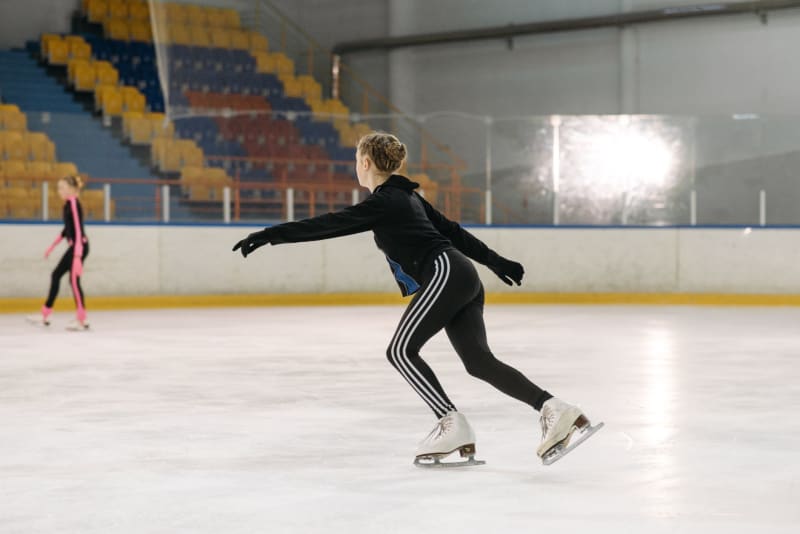
- Synchronized figure skating will feature mixed-gender teams, promoting collaboration and showcasing the collective artistry and athleticism of diverse groups on the ice, a first for the Winter Games.
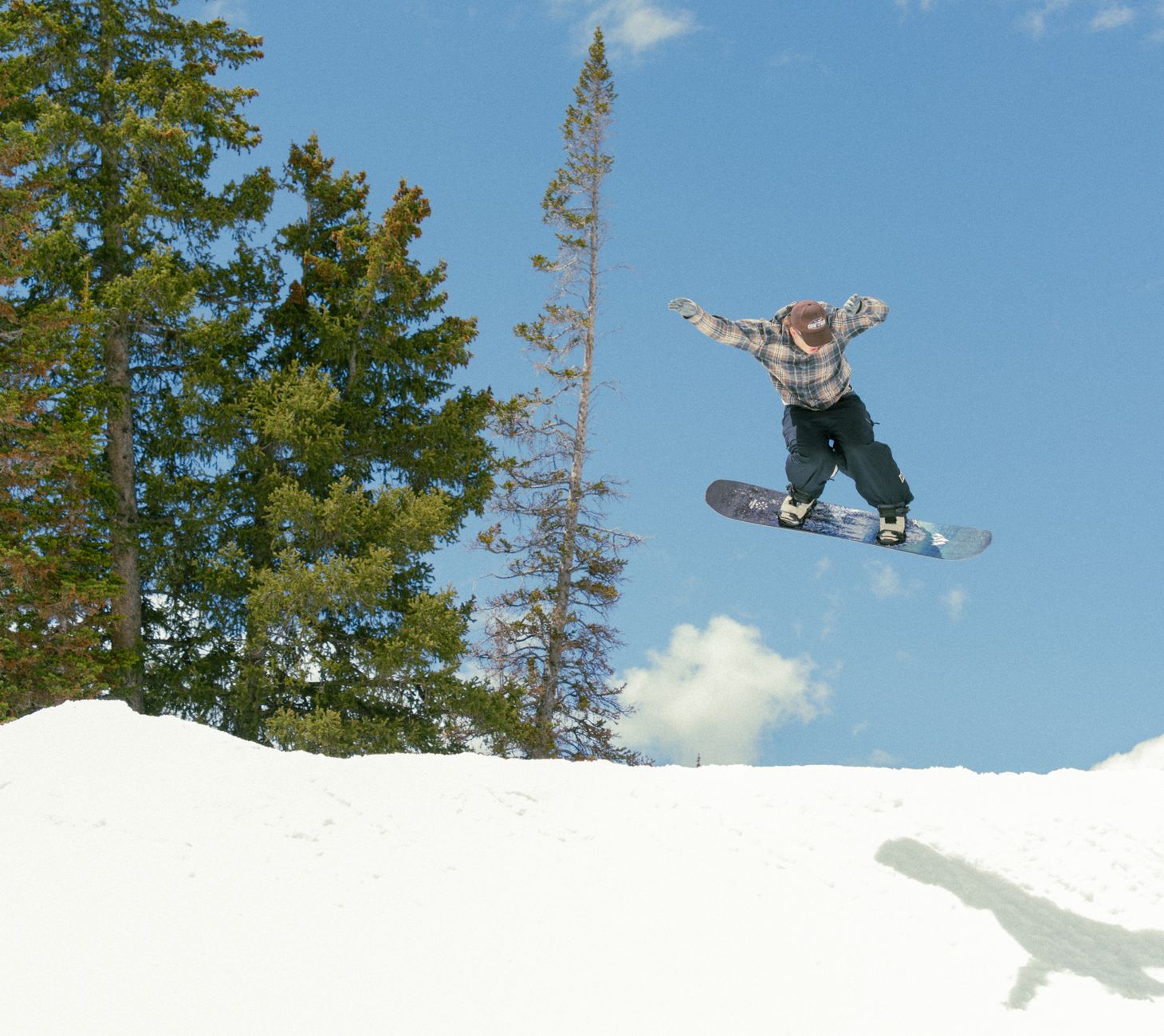
- Freeride skiing will introduce both men's and women's categories, opening up the Games to a dynamic, rapidly growing extreme sport that emphasizes individual expression, technical skill, and daring maneuvers on natural terrain.
- The new events are expected to significantly boost viewership and engagement, appealing to younger demographics and fans of action sports, thereby revitalizing interest in the traditional Winter Olympic disciplines.
- The inclusion also reflects a broader effort to modernize the Olympic program, integrating sports that resonate with contemporary athletic trends and global participation, while upholding the core values of sportsmanship and excellence.
The Policy History
The journey towards gender equality in the Olympic Games has been a long and incremental one, with the International Olympic Committee consistently pushing for greater inclusivity. Historically, many sports programs were heavily skewed towards male participation, reflecting societal norms of their time. However, over the past few decades, there has been a concerted effort to dismantle these imbalances, driven by global advocacy for women's rights in sports and a recognition of the immense talent pool that was previously underrepresented. This push gained significant momentum following the Agenda 2020 reforms, which explicitly prioritized gender balance across all facets of the Olympic movement, from athlete participation to administrative roles.
The specific additions of synchronized figure skating and freeride skiing for the 2030 Winter Olympics are not isolated decisions but rather the culmination of years of meticulous evaluation and strategic planning. The IOC, in collaboration with various International Federations, conducts extensive reviews of potential new sports, assessing their global appeal, existing infrastructure, athlete safety, and alignment with Olympic values. For synchronized skating, its long-standing popularity and the growing demand for a team-based figure skating event made it a compelling choice. Similarly, freeride skiing, with its vibrant subculture and increasing professionalization, represented an opportunity to tap into a younger, more adventurous audience, while also addressing the need for more diverse skiing disciplines.
These new inclusions are a clear manifestation of the IOC's evolving vision for the future of the Olympic Games. Beyond simply adding events, the committee is focused on creating a more dynamic, relevant, and equitable platform for athletes worldwide. The emphasis on mixed-gender events, such as synchronized skating, not only promotes gender balance but also fosters unique competitive dynamics and showcases collaborative athleticism. This forward-thinking approach is crucial for maintaining the Olympics' relevance in a rapidly changing global sports landscape, ensuring that the Games continue to inspire and reflect the diversity of human athletic achievement for generations to come.
Who Is Affected
The most directly impacted group by these new additions are, unequivocally, the athletes themselves. For synchronized figure skaters, this represents the pinnacle of their sport, a long-awaited opportunity to compete on the grandest stage. Many have dedicated their lives to this highly technical and artistic discipline, often without the Olympic dream as a tangible goal. Now, a new generation of skaters, both male and female, will have a clear pathway to Olympic glory, inspiring countless others to pursue the sport. Similarly, freeride skiers, who have traditionally found their competitive outlets in independent tours and film projects, will now see their extreme sport legitimized and celebrated within the mainstream Olympic framework, providing unprecedented exposure and funding opportunities.
Beyond the athletes, national Olympic committees and sports federations will experience significant shifts. They will need to allocate resources, develop training programs, and identify talent for these newly recognized disciplines. This will likely lead to increased investment in coaching, facilities, and athlete development pathways for both synchronized skating and freeride skiing. Countries with strong traditions in these sports will gain a competitive advantage, while others may face the challenge of rapidly building programs from the ground up. The financial implications, while substantial, are often viewed as a necessary investment in expanding national sporting prowess and achieving Olympic success.
The ripple effect extends to the global sports audience and the broader cultural landscape. The inclusion of these dynamic sports is expected to attract new viewers, particularly younger demographics and those interested in action sports, thereby broadening the appeal of the Winter Olympics. This increased engagement can translate into higher broadcast revenues, greater sponsorship opportunities, and a more vibrant overall Olympic experience. Moreover, by actively promoting gender equality through these additions, the IOC sends a powerful message about inclusivity and fairness, influencing public perception and potentially inspiring greater participation in sports at all levels, fostering a more equitable sporting world.
The Case For
The primary argument for the inclusion of synchronized figure skating and freeride skiing is the undeniable boost they provide to gender equality within the Olympic movement. The IOC has made a steadfast commitment to achieving full gender parity, and these additions are a tangible step towards that goal. Synchronized skating, with its inherent team structure and potential for mixed-gender formats, directly addresses imbalances in figure skating, offering more opportunities for both male and female athletes. Freeride skiing introduces new categories for both genders in a sport that has historically seen less formal Olympic representation, ensuring that a wider array of athletic talents and disciplines are celebrated equally on the global stage.
Beyond equality, these new sports bring a fresh wave of excitement and innovation to the Winter Olympics, vital for maintaining its relevance and appeal to a global audience. Synchronized figure skating offers a breathtaking display of teamwork, precision, and artistry that is distinct from traditional individual or pairs skating, promising captivating performances. Freeride skiing, on the other hand, injects an element of raw, unbridled athleticism and daring, appealing to a younger, more adventurous demographic that might not typically follow the Winter Games. This strategic diversification of events is crucial for attracting new viewers, increasing engagement, and ensuring the continued vitality of the Olympic brand in a competitive entertainment landscape.
Furthermore, the inclusion of these sports acknowledges and validates the immense dedication and skill of athletes who have long pursued these disciplines outside the traditional Olympic spotlight. For synchronized skaters and freeride skiers, the Olympic stage represents the ultimate recognition of their sport's legitimacy and artistic or athletic merit. This validation can lead to increased funding, better training facilities, and enhanced career prospects for athletes, while also inspiring a new generation to participate. By embracing these evolving sports, the IOC demonstrates its adaptability and commitment to showcasing the full spectrum of winter athletic excellence, enriching the Olympic experience for everyone involved.
The Case Against
While the additions are largely celebrated, some critics raise valid concerns about the ever-expanding size and complexity of the Olympic Games. Each new sport, or even new event within an existing sport, adds significant logistical challenges, requiring more venues, increased athlete accommodation, and additional operational staff. This expansion can place an immense financial burden on host cities, potentially deterring future bids and making the Games less sustainable in the long run. There's a delicate balance to strike between refreshing the program and ensuring the Games remain manageable and affordable for potential hosts, a concern that grows with every new inclusion.
Another point of contention revolves around the potential dilution of traditional Olympic sports and the allocation of resources. With more medals on offer across a wider array of disciplines, some fear that the prestige and focus on long-standing events might diminish. National Olympic Committees and federations, often operating with finite budgets, will now face difficult decisions regarding where to invest their resources. This could lead to a reallocation of funds away from established sports, potentially impacting their development programs and the performance of athletes in those disciplines. The argument suggests that quality and focus might be sacrificed for the sake of quantity and diversity.
Furthermore, the safety aspect of freeride skiing, in particular, has drawn scrutiny. While exhilarating, freeride involves navigating challenging, often untamed natural terrain, which inherently carries higher risks compared to more controlled alpine events. Critics worry about the potential for serious injuries, which could cast a shadow over the Games and raise questions about athlete welfare. While safety protocols are paramount, the very nature of freeride pushes boundaries, and ensuring a fair yet safe competitive environment on a global stage presents unique challenges that require careful consideration and robust risk management strategies to mitigate potential negative outcomes.
Policy Questions Answered
Implementation Watch
As the 2030 Winter Olympics draw closer, the focus now shifts intensely to the meticulous implementation of these new events. For synchronized figure skating, the International Skating Union (ISU) will be instrumental in finalizing competition rules, judging criteria, and qualification pathways. This includes defining the exact team compositions, the elements required in both short and free programs, and establishing a fair and transparent system for national federations to select and train their Olympic-bound teams. The ISU's leadership will be critical in ensuring a smooth integration into the Olympic program, upholding the sport's integrity while showcasing its unique appeal.
For freeride skiing, the International Ski and Snowboard Federation (FIS) faces the complex task of adapting a sport traditionally judged on subjective performance in natural environments to the rigorous standards of the Olympic Games. This involves developing standardized safety protocols, defining competition zones on natural mountainsides, and establishing clear, objective judging criteria that maintain the spirit of freeride while ensuring fairness and athlete safety. The selection of suitable venues that offer challenging yet safe terrain will be paramount, requiring close collaboration between the FIS, the host city, and local mountain experts to guarantee a spectacular and secure event.
Beyond the technical aspects of each sport, the host city for the 2030 Winter Olympics will bear the significant responsibility of developing the necessary infrastructure and operational plans. This includes constructing or adapting venues, ensuring robust transportation networks, and providing state-of-the-art medical and security services for an expanded athlete and spectator base. The success of these new events, and indeed the entire Games, will hinge on seamless coordination between the IOC, the relevant International Federations, and the host organizing committee, demonstrating a collective commitment to innovation and excellence in the Olympic tradition.












Comments
No comments yet. Be the first to comment!