

What We Know
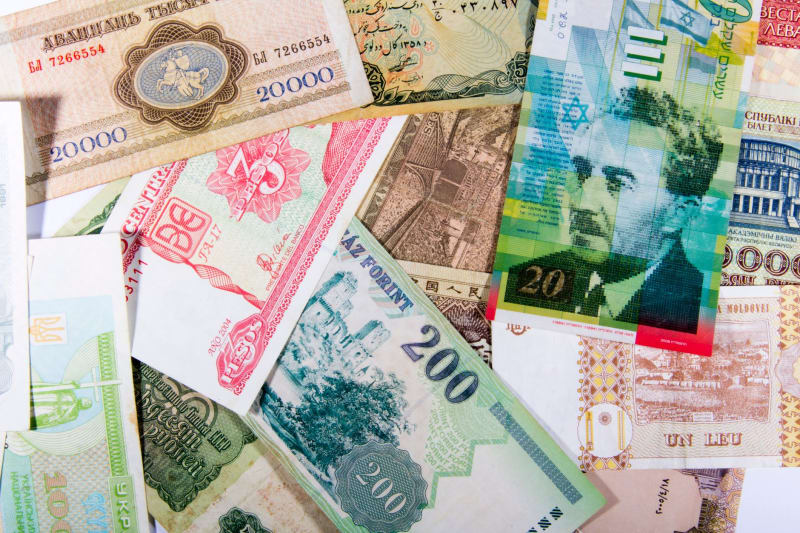
- The United States Treasury Department has announced a significant expansion of its sanctions regime, directly targeting key elements of Iran's financial architecture, including prominent banks and financial facilitators.
- These newly imposed sanctions are specifically designed to disrupt the flow of funds to entities and individuals perceived by the U.S. as supporting Iran's nuclear program, its ballistic missile development, and its network of regional proxies.
- The measures aim to further isolate Iran from the international financial system, making it increasingly difficult for the country to conduct legitimate trade and access global markets, thereby intensifying economic pressure.
- The sanctions target a complex web of financial institutions and front companies that the U.S. alleges are instrumental in circumventing existing restrictions and funneling illicit funds.
- This latest action represents a continuation of a broader U.S. strategy to exert 'maximum pressure' on Tehran, compelling a change in its foreign policy and domestic conduct.
- The U.S. government has publicly stated that these sanctions are a direct response to Iran's ongoing destabilizing activities in the Middle East and its refusal to engage in meaningful negotiations regarding its nuclear ambitions.
What We Do Not Know Yet
- The precise, immediate economic impact of these new sanctions on Iran's already strained economy remains to be fully quantified, with analysts still assessing the potential for widespread disruption to daily life and trade.
- How Iran will choose to retaliate or adjust its regional and nuclear policies in response to this heightened economic pressure is currently unclear, raising concerns about potential escalations in the Middle East.
- The extent to which other international actors, particularly European allies and major trading partners, will align with or circumvent these new U.S. sanctions is still an open question, influencing their overall effectiveness.
- Whether these sanctions will genuinely alter Iran's strategic calculus regarding its nuclear program and support for proxy groups, or merely entrench its resistance, is a critical unknown.
- The specific mechanisms and loopholes Iran might exploit to mitigate the impact of these latest financial restrictions are yet to be fully revealed, as Tehran has a history of adapting to sanctions.
- The long-term humanitarian consequences of these intensified financial restrictions on the Iranian populace, particularly concerning access to essential goods and medicines, are still being evaluated by international organizations.
Background
The relationship between the United States and Iran has been fraught with tension for decades, marked by periods of intense confrontation and failed diplomatic overtures. Following the 1979 Iranian Revolution, which saw the overthrow of the U.S.-backed Shah, the two nations severed diplomatic ties, setting the stage for a prolonged geopolitical rivalry. Key flashpoints have included the Iran hostage crisis, Iran's nuclear program, its ballistic missile development, and its support for various non-state actors across the Middle East. Each of these issues has contributed to a cycle of escalating sanctions and counter-measures, creating a deeply entrenched mistrust.
The Joint Comprehensive Plan of Action (JCPOA), commonly known as the Iran nuclear deal, signed in 2015, represented a temporary thaw in this contentious relationship. Under the agreement, Iran agreed to significant restrictions on its nuclear program in exchange for the lifting of international sanctions. However, the U.S. unilateral withdrawal from the JCPOA in 2018 under the previous administration, coupled with the re-imposition and expansion of sanctions, effectively dismantled the deal and reignited the 'maximum pressure' campaign. This move was justified by Washington as necessary to curb Iran's broader malign activities, which it argued were not addressed by the original nuclear agreement.
Since the U.S. withdrawal from the JCPOA, Iran has gradually reduced its compliance with the nuclear deal's terms, increasing its uranium enrichment levels and restricting international inspectors' access. This has created a dangerous escalation spiral, with each side accusing the other of destabilizing the region. The current administration has largely continued the 'maximum pressure' strategy, albeit with occasional diplomatic overtures, signaling a consistent U.S. policy to contain Iran's influence and prevent it from acquiring nuclear weapons. The latest sanctions are a direct continuation of this long-standing strategy, aiming to further constrict Iran's financial lifelines and compel a shift in its strategic behavior.
Why It Matters
These new sanctions are not merely economic measures; they represent a significant escalation in the ongoing geopolitical struggle between the United States and Iran, carrying profound implications for regional stability and global energy markets. By targeting Iran's financial networks, the U.S. aims to choke off revenue streams that Tehran uses to fund its military, its nuclear ambitions, and its proxy forces across the Middle East. This could potentially weaken Iran's ability to project power, but it also risks provoking a more aggressive response from a cornered regime, leading to unpredictable consequences in an already volatile region.
The economic fallout within Iran itself is a critical concern. Intensified sanctions will undoubtedly exacerbate the country's already severe economic challenges, including rampant inflation, high unemployment, and a struggling currency. While the U.S. intends for these pressures to force policy changes, they often disproportionately affect ordinary citizens, potentially fueling social unrest and humanitarian crises. This domestic instability could, in turn, lead to greater repression by the Iranian government, creating a vicious cycle that further entrenches the regime rather than weakening it, and potentially sparking wider protests.
Furthermore, these sanctions complicate any future diplomatic efforts to revive the Iran nuclear deal or negotiate a broader agreement. Each new layer of sanctions adds another hurdle to overcome, making it harder for both sides to find common ground. The international community, particularly European nations, will be closely watching how these measures impact global trade and financial systems, as they often face secondary sanctions for dealing with Iran. The long-term impact could be a more fragmented global financial system, where countries increasingly seek alternatives to the U.S. dollar to avoid exposure to American extraterritorial sanctions, thereby challenging U.S. financial hegemony.
Timeline of Events
- **1979 Islamic Revolution:** The overthrow of the U.S.-backed Shah and the establishment of the Islamic Republic of Iran fundamentally reshapes geopolitical dynamics, leading to the severance of diplomatic ties and the beginning of a hostile relationship with the U.S., setting the stage for future conflicts.
- **2006-2010 UN Security Council Resolutions:** A series of UN Security Council resolutions are passed, imposing multilateral sanctions on Iran due to its refusal to halt uranium enrichment, signaling international concern over its nuclear program and initiating a global pressure campaign.
- **2012 EU Oil Embargo:** The European Union implements a comprehensive oil embargo against Iran, significantly impacting Iran's crucial oil export revenues and demonstrating a united front with the U.S. in pressuring Tehran over its nuclear ambitions.
- **2015 JCPOA Signed:** The Joint Comprehensive Plan of Action (JCPOA), known as the Iran nuclear deal, is signed between Iran and the P5+1 powers, lifting many international sanctions in exchange for strict limitations on Iran's nuclear program, offering a brief period of de-escalation.
- **2018 U.S. Withdrawal from JCPOA:** The United States unilaterally withdraws from the JCPOA and re-imposes all previously waived sanctions, initiating a 'maximum pressure' campaign against Iran, which fundamentally shifts the diplomatic landscape and escalates tensions.
- **2019-2020 Escalation of Tensions:** A series of incidents including attacks on oil tankers, drone shoot-downs, and the assassination of Iranian General Qassem Soleimani by the U.S. further escalate regional tensions, bringing the U.S. and Iran to the brink of direct military conflict.
- **2021-Present Ongoing Sanctions and Diplomacy:** The current U.S. administration continues to enforce and expand sanctions while also engaging in indirect diplomatic efforts to revive the JCPOA, reflecting a dual strategy of pressure and potential engagement, though progress remains elusive.
- **Latest Sanctions Announcement (Current Event):** The U.S. Treasury announces new, targeted sanctions on Iran's financial networks, including specific banks and facilitators, aiming to further cripple its ability to fund destabilizing activities and marking a significant intensification of economic pressure.
Rapid-Fire Q&A
What Is Coming
- Expect immediate and strong condemnation from Tehran, likely accompanied by threats of further non-compliance with the JCPOA or retaliatory actions against U.S. interests or allies in the region, signaling a deepening of the diplomatic impasse.
- Increased scrutiny from international financial institutions and businesses regarding transactions involving Iran, leading to greater de-risking and further isolation of Iran from the global banking system, even for legitimate trade.
- Intensified diplomatic efforts by European powers and other stakeholders to de-escalate tensions and potentially revive talks on the JCPOA, though their leverage may be diminished by the U.S. 'maximum pressure' approach.
- Potential for internal dissent and economic hardship within Iran to worsen, which could either lead to increased public protests or a more entrenched and repressive stance by the Iranian government to maintain control.
- A heightened risk of regional proxy conflicts and cyberattacks as Iran seeks to demonstrate its resilience and retaliate against perceived aggressors without engaging in direct military confrontation, creating a more unpredictable security landscape.
- Ongoing monitoring by the U.S. Treasury Department for new entities and individuals attempting to circumvent these sanctions, suggesting that this is not a one-off measure but part of a continuous, evolving pressure campaign.









Comments
No comments yet. Be the first to comment!