
At a Glance
- Iran has initiated a series of drone and missile attacks targeting U.S. military assets and allied forces across the region, marking a significant escalation in recent hostilities.
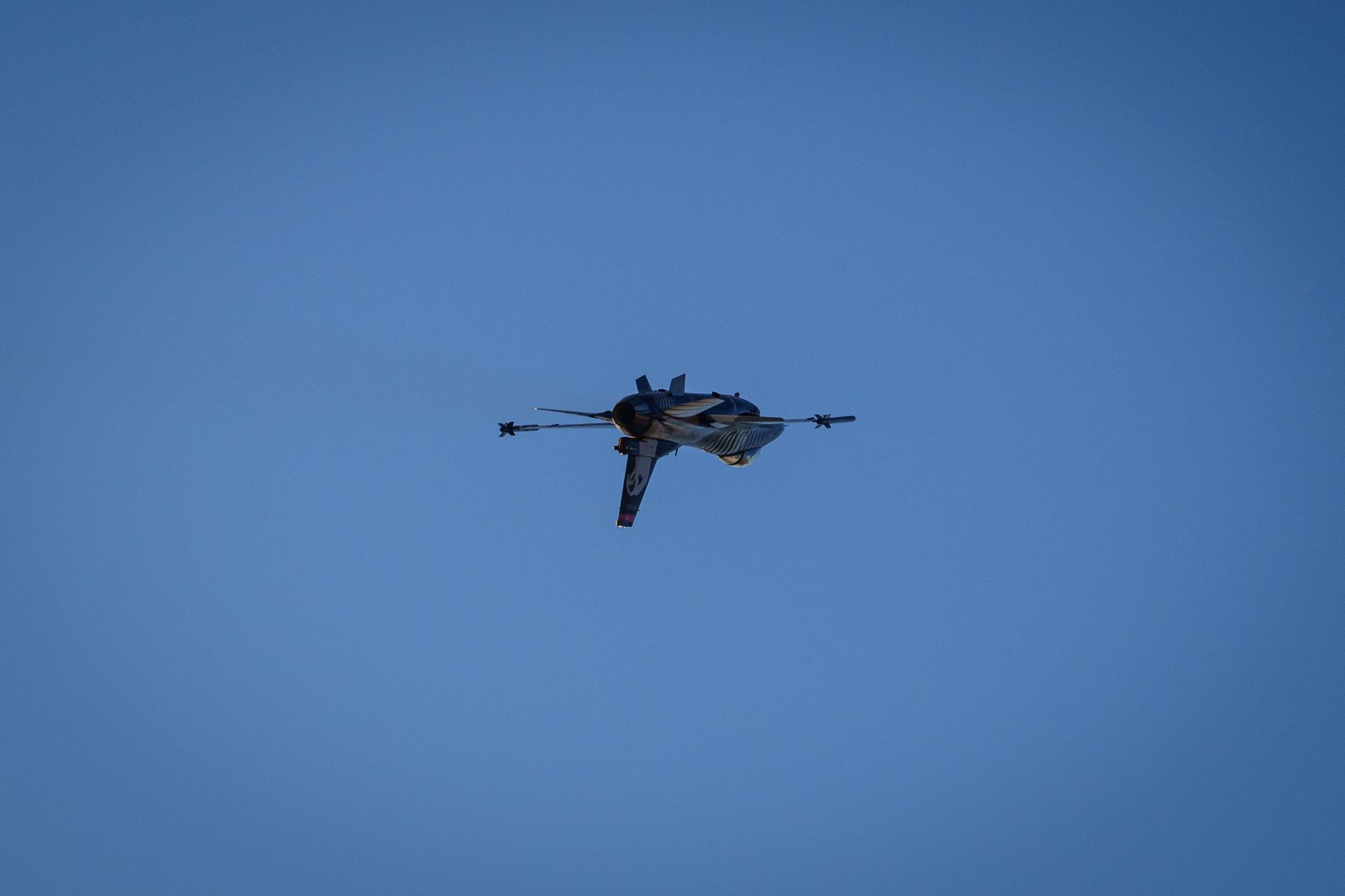
- The United States has responded with precision airstrikes against Iranian-backed militia positions in Iraq and Syria, emphasizing a commitment to protecting its personnel and interests.
- These intensified exchanges are unfolding concurrently with the funeral proceedings for Iran's revered Supreme Leader, Ayatollah Ali Khamenei, adding a layer of geopolitical complexity and emotional charge to the situation.
- Regional allies and international bodies are expressing profound concern over the escalating violence, urging both Washington and Tehran to exercise maximum restraint to prevent a wider, destabilizing conflict.
- Oil prices have reacted sharply to the heightened tensions, demonstrating the immediate economic impact and the market's apprehension regarding potential disruptions to global energy supplies.
- Diplomatic efforts, though largely behind the scenes, are reportedly underway to de-escalate the situation, with several nations attempting to mediate between the two powerful adversaries.
The Record
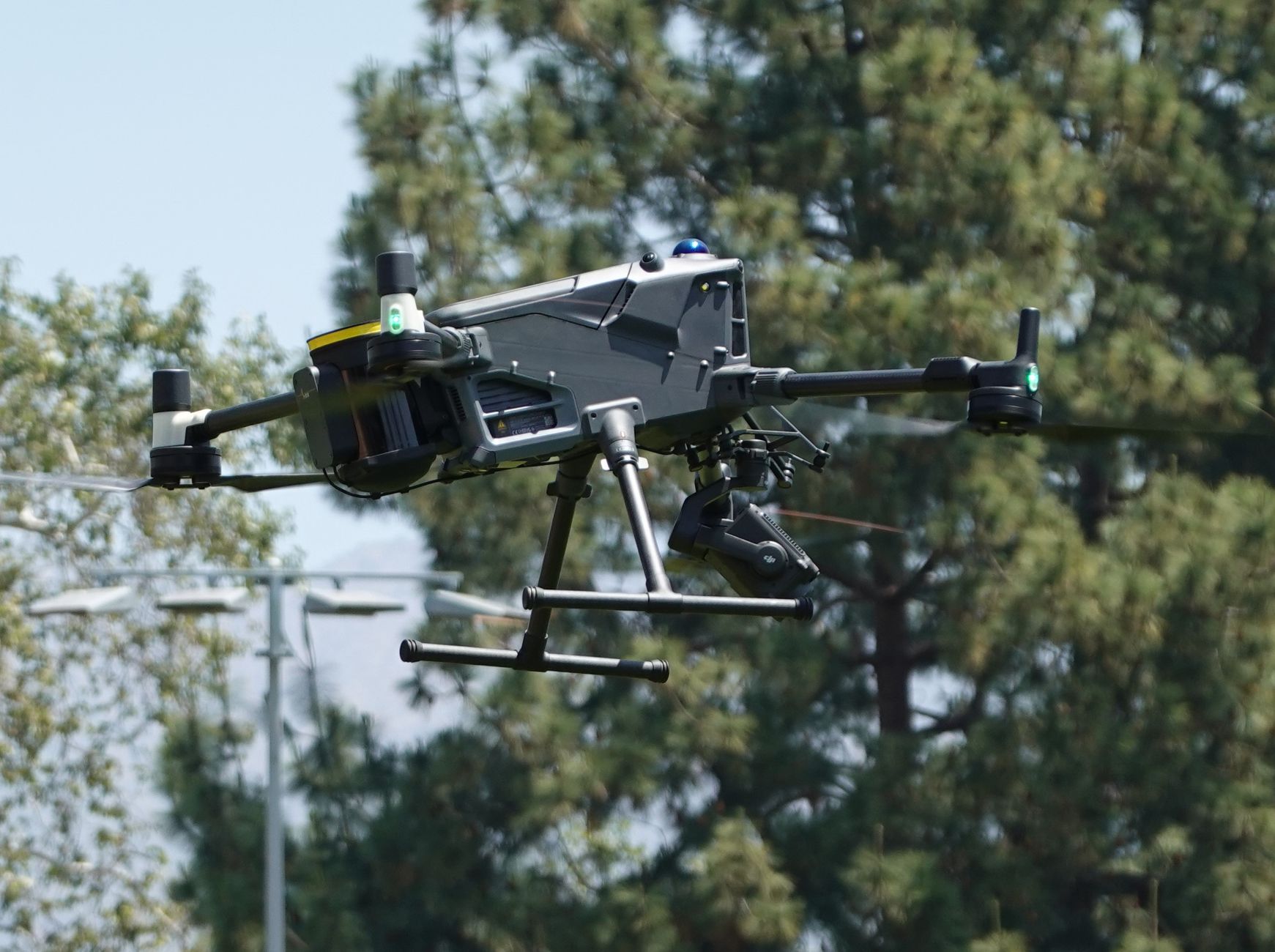
The recent surge in hostilities between Iran and the United States marks a dangerous new chapter in their long-standing rivalry. Iran's Revolutionary Guard Corps (IRGC) has claimed responsibility for several drone and missile attacks on U.S. bases in Iraq and Syria, asserting these actions are in retaliation for previous American incursions and sanctions. These strikes, often involving advanced unmanned aerial vehicles and ballistic missiles, demonstrate Iran's evolving military capabilities and its willingness to project power across the Middle East. The precision and frequency of these attacks suggest a calculated strategy aimed at testing U.S. resolve and asserting regional dominance.
In response, the Pentagon has confirmed multiple retaliatory strikes against what it describes as Iranian-backed militia infrastructure and command centers. These U.S. operations, conducted with air power and special forces, are framed as defensive measures designed to deter further aggression and protect American personnel stationed in the region. U.S. officials have reiterated their commitment to stability but have also warned of a robust response to any threats against their forces or allies. The intricate dance of escalation and retaliation highlights the volatile nature of the current geopolitical landscape, where each action by one party invariably provokes a reaction from the other, pushing both closer to a direct confrontation.
The timing of these intensified exchanges is particularly noteworthy, coinciding with the elaborate funeral rites for Iran's Supreme Leader, Ayatollah Ali Khamenei. This period of national mourning and political transition in Iran could be a factor in the current aggressive posture, as hardliners may seek to project strength and unity in the wake of their leader's passing. Conversely, the U.S. might view this as a moment of potential vulnerability or opportunity for Iran, leading to a more assertive stance. Regardless of the underlying motivations, the convergence of these events creates an exceptionally precarious environment, where miscalculation or overreaction could have catastrophic consequences for regional and global stability.
Who Knew and When
Intelligence agencies across the globe have been closely monitoring the escalating tensions between Iran and the U.S. for months, with early warning signs emerging from increased rhetoric and proxy activities. Reports from open-source intelligence groups and satellite imagery had indicated unusual movements of military assets and heightened alert levels in various regional bases. These indicators suggested a significant uptick in potential for conflict, long before the current wave of direct strikes began. Analysts had specifically pointed to the strategic importance of the Strait of Hormuz and the vulnerability of oil infrastructure as potential flashpoints, underscoring the foresight of these assessments.
U.S. intelligence briefings, reportedly shared with key allies, highlighted a growing Iranian intent to challenge American presence in the Middle East following the death of their Supreme Leader. These assessments, some dating back several weeks, detailed potential retaliatory scenarios and the capabilities of Iranian-backed militias to execute coordinated attacks. While the exact timing and scale of the current strikes might have been difficult to predict precisely, the general trajectory towards increased confrontation was a well-established concern within the intelligence community. This proactive intelligence gathering allowed for some preparatory measures, though preventing all attacks remains a formidable challenge.
Similarly, Iranian intelligence services would have been acutely aware of U.S. military movements and their stated intentions to protect regional interests. The Iranian leadership likely anticipated a robust American response to any direct attacks, suggesting that the current escalation is not an accidental outcome but rather a calculated risk. The intricate web of intelligence gathering, counter-intelligence, and strategic communication between these two adversaries means that both sides entered this phase of heightened conflict with a substantial, albeit incomplete, understanding of the other's capabilities and potential reactions. This mutual awareness, however, has not prevented the dangerous cycle of tit-for-tat strikes from unfolding.
Voices from the Ground
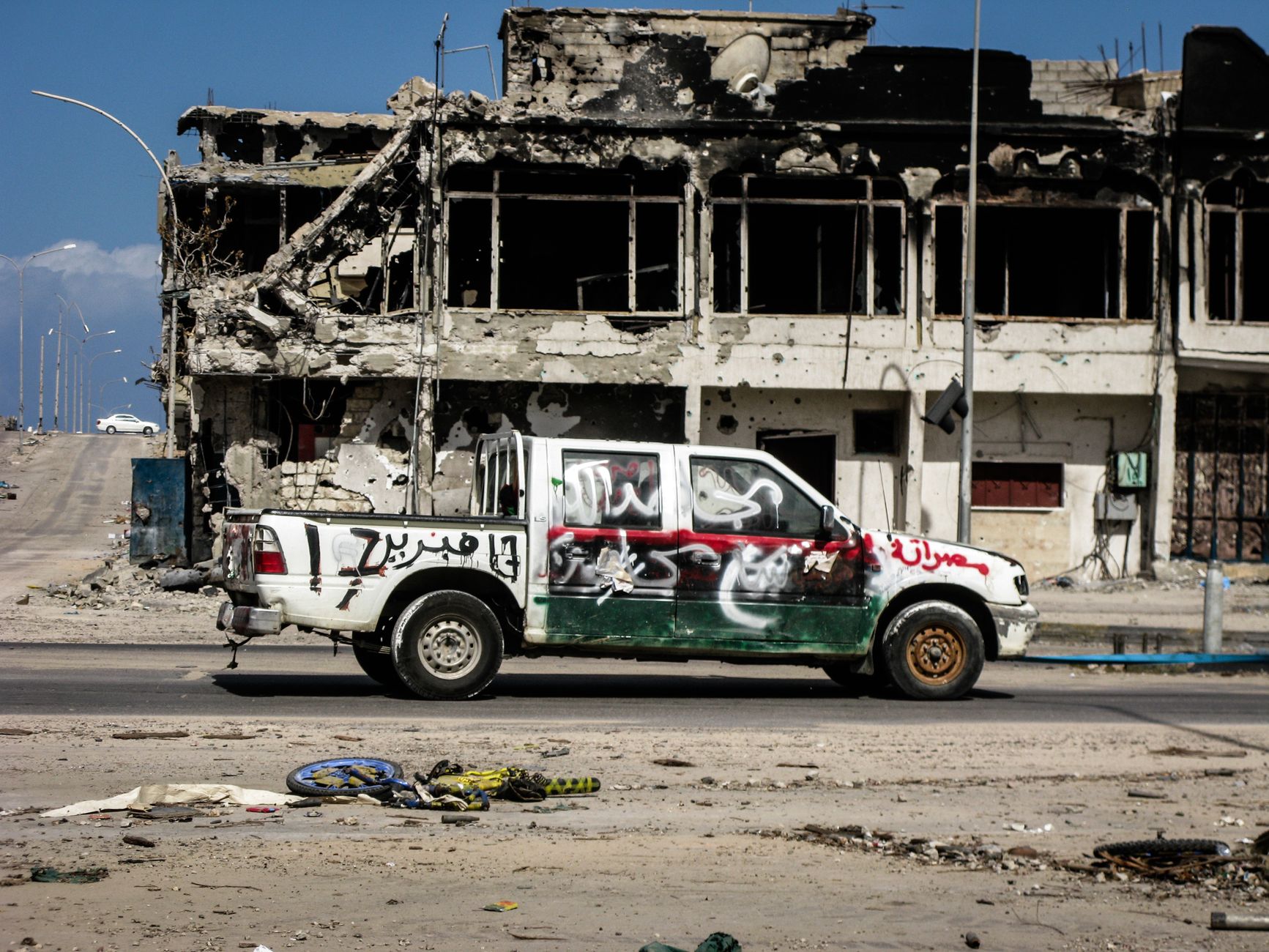
In Baghdad, the sentiment among ordinary citizens is a mixture of fear and profound weariness. "Every time Iran and America clash, it's our homes, our lives that get caught in the crossfire," lamented Ahmed Al-Jabouri, a shopkeeper whose business has been repeatedly disrupted by security concerns. "We just want peace, to rebuild our country without the constant threat of another war on our soil. The sound of explosions has become too familiar, and the fear it brings is crippling. Our children deserve a future free from this perpetual conflict, where they can grow up without the shadow of war looming over them every single day." His words echo a widespread desire for stability.
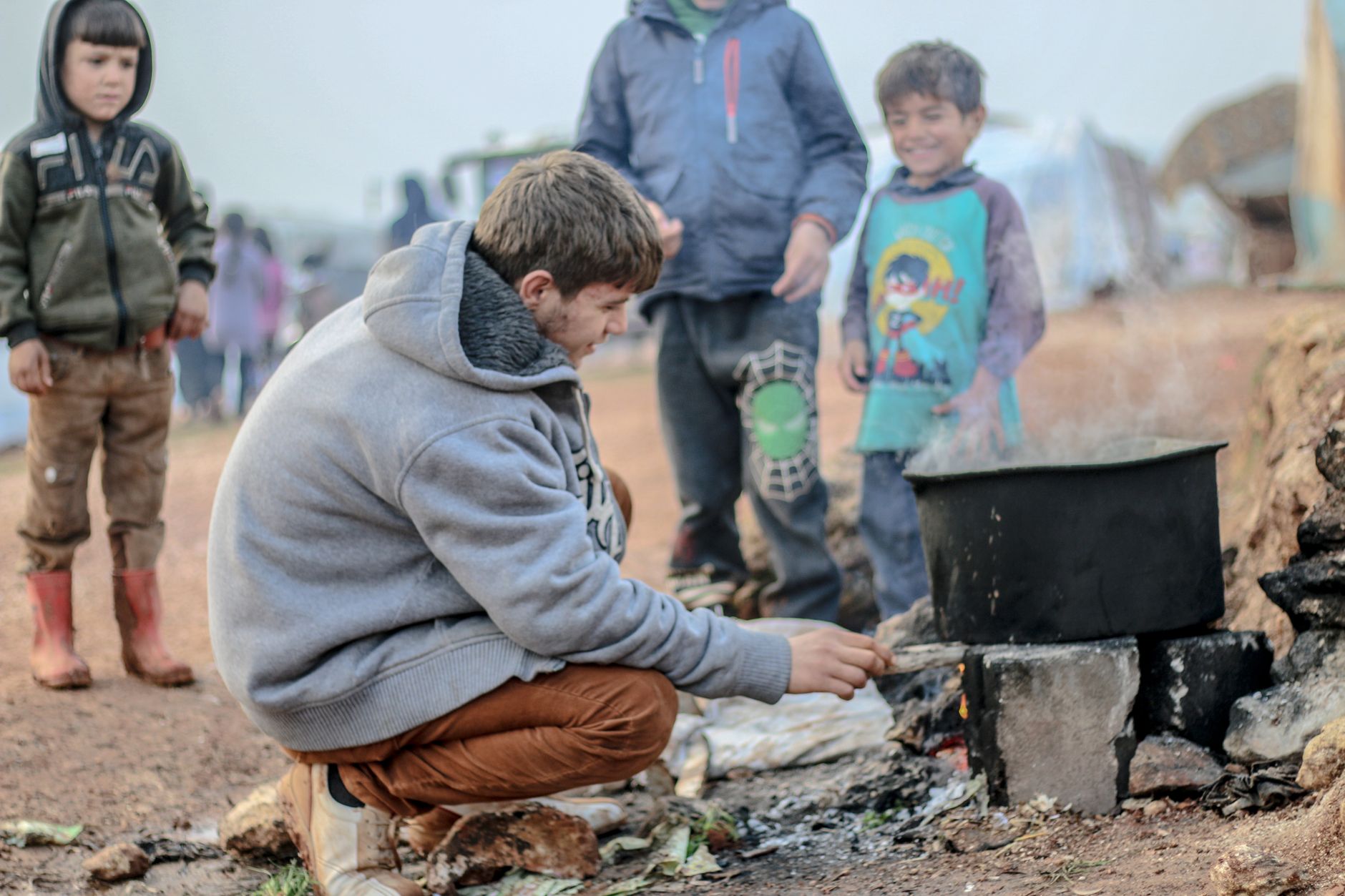
Across the border in Tehran, state media broadcasts a narrative of national defiance and strength, yet whispers of anxiety persist among the populace. "We are proud of our nation's resilience, but the economic hardship is immense," shared Zahra Mohammadi, a retired teacher. "Sanctions and now these military actions only make life harder for ordinary people. We pray for our leaders to find a path to de-escalation, one that prioritizes the well-being of the Iranian people over geopolitical posturing. The cost of this confrontation is borne by families struggling to put food on the table, not by those making decisions in air-conditioned offices." This highlights the human cost of political tensions.
Meanwhile, U.S. military personnel stationed in the region are operating under heightened alert, their daily routines now punctuated by the ever-present threat of attack. "Morale is high, but the tension is palpable," stated Sergeant Michael Chen, deployed at a base in Iraq. "We're here to do a job, to protect our interests and our allies, but everyone knows the stakes are incredibly high. The constant vigilance, the drills, the readiness to respond – it takes a toll. We just hope that diplomacy can prevail and that our presence here ultimately contributes to a lasting peace, rather than further conflict. Every service member understands the gravity of the situation and the potential consequences of any misstep." Their perspective underscores the immediate danger.
The Debate
The intensifying conflict between Iran and the U.S. has ignited a fierce debate among international relations experts and policymakers regarding the most effective strategy for de-escalation. One school of thought advocates for a robust, assertive response from the U.S., arguing that any perceived weakness will only embolden Iran to further aggression. Proponents of this view suggest that decisive military action, coupled with stringent economic sanctions, is the only language Tehran understands. They believe that a strong deterrent posture is essential to protect American interests and prevent Iran from expanding its regional influence, even if it carries the risk of further escalation. This approach prioritizes immediate security concerns over long-term diplomatic engagement, emphasizing the need to project unwavering strength.
Conversely, a significant number of analysts and diplomatic figures are urging for a return to dialogue and a de-escalation through diplomatic channels. They contend that a cycle of tit-for-tat strikes only serves to deepen animosity and push both nations closer to an all-out war, which would have devastating consequences for the entire Middle East and global economy. This perspective emphasizes the importance of opening back-channel communications, engaging with regional partners, and exploring potential compromises to diffuse the current crisis. They argue that sustained diplomatic efforts, even in the face of aggression, are crucial for finding a sustainable resolution and avoiding a catastrophic military confrontation. This approach seeks to break the cycle of violence through negotiation.
A third, more nuanced position suggests a strategy of 'calibrated deterrence,' wherein the U.S. responds to Iranian aggression with proportionate force while simultaneously leaving open avenues for diplomatic engagement. This approach aims to demonstrate resolve without closing the door entirely on negotiations, seeking to find a delicate balance between military pressure and diplomatic overtures. The debate also extends to the role of international bodies, with some arguing for stronger UN intervention and others believing that such efforts would be futile without direct engagement from the primary actors. The complexity of these viewpoints underscores the profound challenges in navigating this perilous geopolitical standoff, with no easy answers or universally accepted solutions in sight.

Your Questions Answered
What Accountability Looks Like
In the context of the escalating U.S.-Iran conflict, accountability takes on multiple dimensions, extending beyond immediate military actions to encompass adherence to international law and the protection of civilian lives. For both Washington and Tehran, demonstrating accountability means transparently acknowledging their roles in the current cycle of violence and taking concrete steps to prevent further civilian casualties. This includes investigating any incidents where non-combatants are harmed and ensuring that military operations strictly adhere to the principles of distinction, proportionality, and precaution under international humanitarian law. Without such commitment, the moral high ground becomes elusive, and the suffering of innocent populations continues unchecked.
From a geopolitical perspective, accountability also involves a commitment to de-escalation and a genuine pursuit of diplomatic solutions. For the United States, this could mean re-evaluating the efficacy of its current deterrence strategy and exploring more robust diplomatic off-ramps that do not compromise its security interests but actively seek to reduce tensions. For Iran, it entails ceasing support for proxy groups that engage in destabilizing activities and demonstrating a willingness to negotiate on regional security issues. True accountability requires both nations to prioritize regional stability over narrow nationalistic agendas, recognizing that their actions have profound implications for millions of people across the Middle East and beyond.
Furthermore, international bodies and allied nations bear a responsibility to hold both parties accountable for their actions and to actively facilitate pathways to peace. This includes imposing consequences for breaches of international law, providing humanitarian aid to affected populations, and exerting diplomatic pressure to bring all parties to the negotiating table. Accountability is not merely about assigning blame; it is about fostering a framework where all actors are compelled to act responsibly, respect human rights, and work towards a sustainable resolution that prevents further bloodshed. Without this collective commitment to accountability, the cycle of violence is destined to continue, with devastating consequences for all involved.







Comments
No comments yet. Be the first to comment!