
The Story in Brief
- The United States has officially terminated the waivers that previously allowed several nations to import Iranian oil without facing secondary sanctions, signaling a significant escalation in its 'maximum pressure' campaign against Tehran.
- This abrupt policy shift aims to completely cut off Iran's primary source of revenue, severely impacting its economy and its ability to fund regional proxies and nuclear programs.
- The decision has immediate and far-reaching implications for global oil markets, potentially leading to price volatility and increasing supply concerns among major importing nations.
- Key allies and adversaries alike are now grappling with the consequences, as countries like China, India, and Turkey, previously granted waivers, must now cease Iranian oil imports or risk US punitive measures.
- Iran has vehemently condemned the move, vowing to continue its oil exports and resist what it describes as economic warfare, raising fears of heightened geopolitical tensions in the Middle East.
- Analysts are closely watching for potential retaliatory actions from Iran, which could range from disrupting shipping lanes in the Strait of Hormuz to accelerating its nuclear enrichment activities.
The Human Face
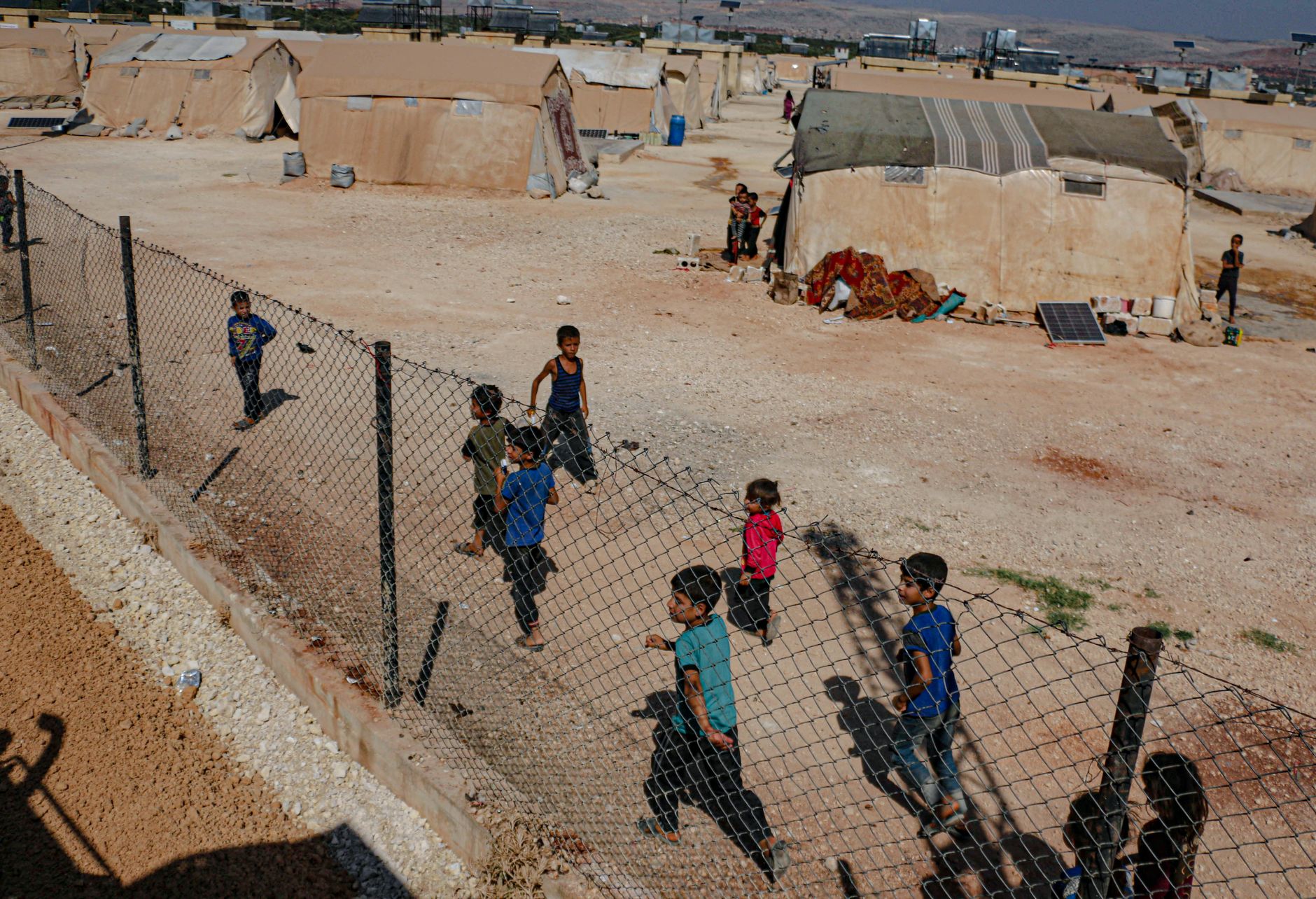
For ordinary Iranians, the reinstatement of oil sanctions is not an abstract policy decision but a harsh reality that directly impacts their daily lives. The nation's economy, already reeling from years of international isolation and previous sanctions, now faces an even more dire outlook. Inflation is rampant, the national currency has plummeted in value, and essential goods are becoming increasingly unaffordable. Families struggle to make ends meet, with many experiencing significant cuts in their purchasing power and a growing sense of economic despair. The hope for a better future, once fueled by the prospect of sanctions relief, has been replaced by anxiety and uncertainty, as the government's ability to provide basic services and maintain economic stability is severely challenged.
The impact extends beyond mere economics; it erodes the social fabric and creates a climate of hardship. Small businesses, dependent on a functioning economy, are closing their doors, leading to widespread unemployment. Access to critical medicines and medical supplies, often imported, becomes more difficult due to banking restrictions and the reluctance of international companies to engage with Iran. This humanitarian dimension is frequently overlooked in the geopolitical discourse, yet it represents the most profound consequence of these sanctions. The Iranian people, caught between the hardline policies of their own government and the punitive measures of external powers, bear the brunt of these escalating tensions, facing a future that appears increasingly bleak and fraught with challenges.
The psychological toll on the population is immense. A pervasive sense of isolation and injustice permeates society, as many feel unfairly targeted by international policies. Young people, in particular, face limited opportunities for education and employment, leading to a brain drain as those with means seek futures abroad. The government's narrative often frames these sanctions as an attack on the nation's sovereignty, which, while resonating with some, does little to alleviate the immediate suffering. The human face of these sanctions is one of resilience mixed with profound struggle, a testament to the enduring spirit of the Iranian people in the face of immense adversity, but also a stark reminder of the human cost of geopolitical power struggles.
How We Got Here
The current crisis is deeply rooted in the tumultuous history of US-Iran relations, particularly the unraveling of the 2015 Joint Comprehensive Plan of Action (JCPOA), commonly known as the Iran nuclear deal. This landmark agreement, brokered by the Obama administration alongside other world powers, aimed to curb Iran's nuclear program in exchange for significant sanctions relief. For a brief period, the deal offered a glimmer of hope for improved relations and economic revitalization within Iran. However, from its inception, the JCPOA faced fierce opposition from various factions in the US and regional adversaries who argued it did not adequately address Iran's ballistic missile program or its destabilizing activities in the Middle East.
The turning point arrived in May 2018 when the Trump administration unilaterally withdrew the United States from the JCPOA, labeling it a 'terrible deal.' This decision marked a dramatic shift in US policy, pivoting from engagement to a strategy of 'maximum pressure.' The stated goal was to force Iran back to the negotiating table for a new, more comprehensive agreement that would address not only its nuclear ambitions but also its regional conduct and missile development. The immediate consequence of this withdrawal was the re-imposition of a wide array of US sanctions, targeting critical sectors of the Iranian economy, most notably its oil exports, which are the lifeblood of the nation's finances. This move effectively crippled the economic benefits Iran had begun to accrue under the JCPOA.
Initially, the US granted waivers to several major importers of Iranian oil, including China, India, Japan, South Korea, Turkey, and Italy, allowing them to continue purchasing limited quantities without incurring secondary sanctions. These waivers were intended to prevent a sudden shock to global oil markets and give these countries time to find alternative suppliers. However, the recent decision to terminate these waivers represents a significant tightening of the screws, eliminating any remaining legal avenues for Iranian oil sales. This escalation underscores a firm commitment to completely isolate Iran economically, pushing its oil exports to zero and intensifying the maximum pressure campaign to an unprecedented level, further exacerbating an already volatile geopolitical landscape.
Why This Cannot Be Ignored
The US decision to fully reinstate sanctions on Iranian oil exports is far more than a mere economic policy adjustment; it is a profound geopolitical maneuver with cascading consequences that demand immediate global attention. Primarily, it significantly escalates the 'maximum pressure' campaign against Iran, pushing the country's economy to the brink and potentially fostering internal instability. A desperate Iran, cornered economically, might resort to more aggressive regional actions or accelerate its nuclear program, creating a dangerous and unpredictable security vacuum in an already volatile Middle East. The risk of miscalculation by any party involved is exceptionally high, potentially triggering a broader conflict that could engulf the entire region and beyond.
Beyond the immediate geopolitical risks, the move has direct implications for global energy markets and the world economy. Iran is a significant oil producer, and removing its supply from the market, even if partially offset by other producers, introduces considerable uncertainty. Oil prices are likely to experience increased volatility, potentially leading to higher fuel costs for consumers and businesses worldwide. This could dampen global economic growth, especially in emerging markets heavily reliant on stable energy prices. Furthermore, the enforcement of these sanctions tests the resolve of major oil importers like China and India, forcing them to choose between adhering to US policy or risking punitive measures, thereby straining international trade relations and potentially fragmenting global economic alliances.
Finally, this policy shift fundamentally challenges the existing international order and the principles of multilateral diplomacy. By unilaterally withdrawing from the JCPOA and now aggressively enforcing sanctions, the US is perceived by some as undermining international agreements and the role of international law. This approach could set a dangerous precedent, encouraging other nations to disregard treaties and pursue their interests through unilateral economic coercion. The erosion of trust in international frameworks makes it harder to address other pressing global challenges, from climate change to nuclear proliferation, as the effectiveness of collective action is diminished. Therefore, understanding and responding to this development is crucial for maintaining global stability and fostering a cooperative international environment.
Possible Paths Forward
The path forward for Iran and the international community following the full reinstatement of US oil sanctions is fraught with uncertainty, presenting several complex scenarios. One immediate possibility is that Iran doubles down on its resistance, seeking alternative, clandestine routes for oil sales, potentially through illicit networks or by leveraging its relationships with countries willing to defy US sanctions, such as China. This could involve using ghost fleets, ship-to-ship transfers, or other methods to obscure the origin of its oil. Such actions would not only complicate enforcement but also further entrench Iran's isolation from the legitimate global financial system, pushing it deeper into an economic shadow economy. This defiance could also manifest in more assertive regional behavior, including increased harassment of shipping in the Persian Gulf or support for proxy groups, escalating regional tensions to dangerous levels.
Another potential outcome is that the intensified economic pressure forces Iran to return to the negotiating table, albeit under duress. The US administration's stated goal is to compel Iran to agree to a new, more comprehensive deal that addresses its nuclear program, ballistic missile development, and regional activities. However, the current Iranian leadership has repeatedly rejected such overtures, viewing them as an attempt to dictate terms rather than negotiate. For negotiations to succeed, a credible off-ramp from the current escalation would be necessary, perhaps involving a clear framework for sanctions relief tied to specific, verifiable concessions from Tehran. Without a clear pathway to de-escalation and mutual trust, the likelihood of productive dialogue remains low, and the cycle of pressure and resistance will likely continue.
Finally, there is a significant risk of further escalation leading to direct confrontation. As Iran's economic lifeline is severed, its leaders might perceive military action or aggressive posturing as their only remaining leverage. This could involve targeting oil infrastructure in neighboring countries, disrupting global shipping lanes in the Strait of Hormuz, or even accelerating its nuclear enrichment activities beyond the limits set by the defunct JCPOA. Such actions would inevitably provoke a strong response from the US and its allies, potentially spiraling into a military conflict that neither side explicitly desires but could stumble into. The international community, particularly European powers, will likely continue to seek diplomatic solutions and de-escalation, but their influence may be limited given the entrenched positions of Washington and Tehran. The future hinges on a delicate balance of deterrence, diplomacy, and the willingness of all parties to avoid a catastrophic miscalculation.
Questions People Are Actually Asking
What to Watch
- **Global Oil Prices and Supply:** Monitor the immediate impact on crude oil benchmarks like Brent and WTI. Watch for any significant production increases from Saudi Arabia or other OPEC+ nations to offset Iranian supply, and how global demand reacts to potential price hikes.
- **Iran's Retaliatory Actions:** Keep a close eye on any statements or actions from Tehran, including threats to close the Strait of Hormuz, increased harassment of shipping, or acceleration of its nuclear program. These could significantly escalate regional tensions.
- **Reactions from Major Importers:** Observe how countries like China, India, and Turkey respond to the pressure to cease Iranian oil imports. Will they comply fully, seek waivers, or attempt to find clandestine ways to continue purchases, potentially straining relations with the US?
- **Regional Geopolitical Stability:** Watch for any increased activity by Iran-backed proxy groups in Iraq, Yemen, Syria, or Lebanon, which could be used as leverage or retaliation against US interests or allies in the region.
- **European Diplomatic Efforts:** European nations, still committed to the JCPOA, will likely continue efforts to de-escalate tensions and find a diplomatic off-ramp. Monitor any new proposals or initiatives they put forth to preserve some form of the nuclear deal or facilitate dialogue.
- **US Policy Consistency:** Observe whether the US administration maintains its 'maximum pressure' stance or if there are any subtle shifts in rhetoric or policy that could indicate a willingness for renewed negotiations under different terms. The upcoming US election cycle could also influence long-term policy.







Comments
No comments yet. Be the first to comment!