

What We Know
- The US trade deficit has experienced a significant and unexpected surge in recent months, reaching levels not seen in over a decade, primarily driven by a dramatic increase in imports.
- A substantial portion of this import growth is directly attributable to the burgeoning demand for specialized hardware and infrastructure essential for artificial intelligence development and deployment.
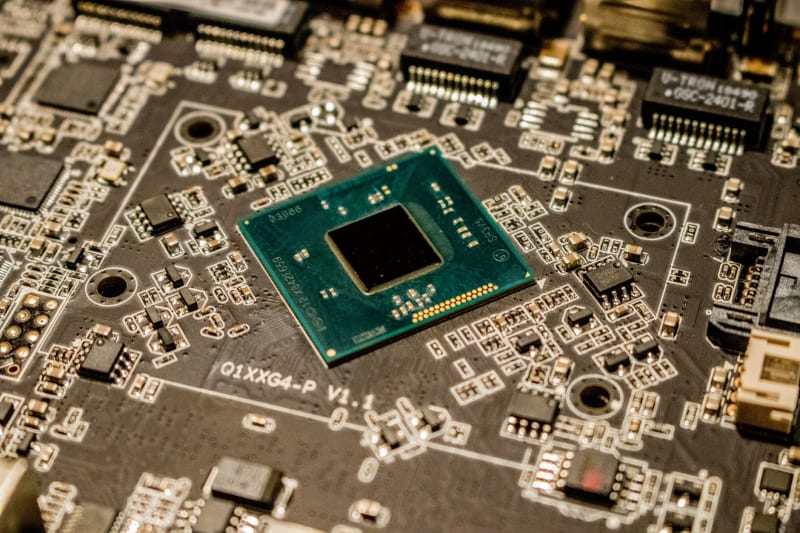
- Key imported goods include high-performance semiconductors, advanced graphics processing units (GPUs), and sophisticated data center equipment, all critical components for AI training and inference.
- The domestic production capacity for these cutting-edge AI components currently lags behind the exponential demand, necessitating reliance on international supply chains, particularly from East Asian manufacturers.
- This deficit expansion signals a significant capital outflow, as US companies and research institutions invest heavily in foreign-made technology to maintain a competitive edge in the global AI race.
- Economists are closely monitoring the trend, as a sustained, widening trade deficit can exert downward pressure on the national currency and potentially lead to inflationary pressures over the long term.
What We Do Not Know Yet
- The precise long-term economic impact of this AI-driven trade deficit on US GDP growth and employment figures remains to be fully quantified and understood by economic models.
- Whether the current surge in AI-related imports represents a temporary investment phase or a more permanent structural shift in global technology supply chains is still an open question for analysts.
- The extent to which domestic manufacturing capabilities for advanced AI hardware can scale up to meet future demand and mitigate reliance on foreign suppliers is uncertain.
- How future trade policies and potential tariffs might affect the cost and availability of critical AI components, and consequently the deficit, is a subject of ongoing debate and speculation.
- The specific breakdown of AI-related imports by country of origin, beyond general regional data, is not yet fully transparent, making it difficult to assess geopolitical dependencies accurately.
- Whether the productivity gains from AI adoption will eventually offset the economic drain of the current import surge, leading to a net positive economic outcome, is a critical unknown.
Background
The United States has historically navigated periods of trade imbalances, but the current surge in the trade deficit presents a unique challenge, largely intertwined with the rapid ascent of artificial intelligence. For decades, trade deficits have been influenced by factors ranging from consumer demand for imported goods to global oil prices and the strength of the dollar. However, the latest data reveals a distinct driver: the insatiable appetite for advanced computing power and specialized hardware required to fuel the AI revolution. This isn't merely about consumer electronics; it's about foundational infrastructure that underpins the next generation of technological innovation, from large language models to autonomous systems.
The global race for AI dominance has spurred unprecedented investment in research and development, necessitating access to the most powerful and efficient components available. Unfortunately, the domestic manufacturing capacity for these cutting-edge semiconductors, GPUs, and complex data center solutions has not kept pace with the explosive demand. This disparity forces American tech giants and startups alike to source these critical inputs from abroad, predominantly from highly specialized fabrication plants in East Asia. This reliance on foreign supply chains, while enabling rapid AI development, simultaneously contributes to a widening trade gap, exporting significant capital in exchange for essential technological building blocks.
Understanding this context is crucial for policymakers and economists. The trade deficit, while often viewed as a simple indicator of economic health, is now a complex reflection of global technological interdependence and the strategic imperative to lead in AI. The implications extend beyond mere numbers, touching upon national security, economic sovereignty, and the future competitiveness of American industries. The current situation highlights a critical juncture where technological ambition meets manufacturing reality, prompting urgent discussions about reshoring production and bolstering domestic innovation ecosystems to reduce future dependencies.
Why It Matters
The escalating trade deficit, particularly one driven by foundational technology like AI components, carries profound implications for the long-term health and stability of the US economy. A persistent and growing deficit signifies that the nation is importing more goods and services than it exports, leading to a net outflow of dollars. While some level of deficit can be manageable, an unchecked expansion can weaken the dollar's value, make imports more expensive, and potentially fuel inflation, directly impacting the purchasing power of American consumers and the operational costs for businesses.
Beyond the immediate economic indicators, this AI-driven deficit underscores a critical vulnerability in the US technological supply chain. Reliance on foreign manufacturers for essential components like advanced semiconductors means that geopolitical tensions, trade disputes, or even natural disasters in key production regions could severely disrupt the supply of these vital technologies. Such disruptions could cripple AI development, hinder innovation, and compromise national security, as AI is increasingly integrated into defense, infrastructure, and critical services. This dependency raises urgent questions about strategic autonomy and resilience.
Moreover, the current trend could have significant ramifications for domestic job growth and industrial policy. If the US continues to heavily import AI hardware rather than developing robust domestic manufacturing capabilities, it risks ceding leadership in a crucial sector and missing opportunities to create high-skilled jobs within its borders. This situation necessitates a strategic re-evaluation of industrial policy, investment in domestic R&D, and incentives for semiconductor fabrication and advanced manufacturing to ensure that the economic benefits of the AI revolution are broadly shared within the United States, rather than primarily enriching foreign economies.
Timeline of Events
- Early 2020: Initial reports indicate a modest increase in demand for cloud computing infrastructure, laying groundwork for future AI expansion, as remote work accelerates.
- Mid-2021: Major tech companies announce significant investments in AI research and development, signaling an impending surge in demand for specialized hardware, particularly GPUs.
- Late 2022: Global semiconductor shortages begin to ease slightly, but demand for high-end AI chips far outstrips supply, leading to increased import orders from US firms.
- Q1 2023: US trade deficit begins to widen noticeably, with economists pointing to a sharp rise in imports of 'advanced technology goods,' including AI-specific components.
- Mid-2023: Several leading AI developers and data center operators confirm massive procurement contracts for foreign-made AI accelerators and related infrastructure, further inflating import figures.
- Late 2023: Government reports confirm the trade deficit has reached a multi-year high, with AI-related imports identified as a primary contributing factor, prompting policy discussions.
- Early 2024: Industry analysts project continued high demand for AI hardware imports throughout the year, as the AI arms race intensifies and new models require even greater computational power.
- Present: Ongoing debates among policymakers and industry leaders about strategies to bolster domestic AI hardware manufacturing and reduce reliance on international supply chains to mitigate future deficits.
Rapid-Fire Q&A
What Is Coming
- Expect continued intense debate in Congress and among policymakers regarding the need for increased federal funding and incentives to bolster domestic semiconductor manufacturing and AI hardware production capabilities.
- Anticipate major announcements from leading technology companies detailing new investments in AI infrastructure, including potential plans for more localized data centers and specialized chip fabrication facilities, both domestically and abroad.
- Look for new economic reports and analyses that will further dissect the components of the trade deficit, providing more granular data on the specific types and origins of AI-related imports, offering clearer insights into supply chain dependencies.
- Potential for new trade policy measures or executive orders aimed at securing critical technology supply chains, possibly including targeted subsidies, export controls, or international agreements to diversify sourcing of AI components.
- Increased focus on workforce development programs and educational initiatives designed to train more engineers, technicians, and researchers in advanced manufacturing and AI-specific hardware design, addressing the talent gap.
- Ongoing discussions at international forums about global AI governance, ethical considerations, and the potential for collaborative efforts to standardize AI hardware and software, which could influence future trade flows and technological dependencies.

















Comments
No comments yet. Be the first to comment!