
Key Takeaways
- Shipping costs are experiencing a significant uptick, particularly on key trade routes, as businesses accelerate their import schedules to preempt potential tariff implementations.
- The primary driver behind this surge is the widespread anticipation of new tariffs under a potential future Trump administration, prompting a strategic shift in global procurement.
- Companies are actively front-loading inventory, importing goods now to avoid higher costs later, which is creating an artificial spike in demand for shipping capacity.
- This pre-emptive buying strategy is leading to increased pressure on logistics networks, port congestion, and a tightening of available container space, exacerbating the cost increases.
- The current situation mirrors previous tariff-related surges, indicating a predictable market response to geopolitical trade uncertainties and policy shifts.
- Ultimately, these elevated shipping expenses are likely to translate into higher prices for consumers, impacting inflation and potentially dampening overall economic growth.
Background
The global shipping industry is currently navigating turbulent waters, largely driven by the looming possibility of new protectionist trade policies. This isn't an isolated incident; historical patterns show that even the mere discussion of tariffs can trigger significant market reactions. Businesses, acutely aware of the financial implications of increased import duties, are taking proactive measures to mitigate future costs, leading to a surge in shipping demand that is artificially inflating prices across major trade lanes. This strategic maneuver, while understandable from an individual company's perspective, collectively creates a bottleneck in the global logistics network.
The memory of the previous Trump administration's tariffs, which imposed substantial duties on a wide range of imported goods, remains fresh in the minds of supply chain managers. Those tariffs led to considerable disruptions, forcing companies to absorb higher costs, renegotiate contracts, or pass expenses on to consumers. The current preemptive rush to import goods reflects a learned behavior from that period, as businesses attempt to insulate themselves from similar financial shocks should new tariffs materialize. This forward-looking strategy highlights the deep-seated apprehension within the international trade community regarding future policy directions.
This pre-tariff surge is not just about avoiding future taxes; it's also about securing supply chains against potential disruptions. Tariffs can complicate customs processes, extend lead times, and even lead to product shortages if not managed effectively. By accelerating imports now, companies are not only locking in current pricing but also ensuring a buffer of inventory, hoping to maintain operational continuity and market competitiveness even if trade policies become more restrictive. The ripple effects of this behavior are profound, impacting everything from port operations to the availability of shipping containers and ultimately, the cost of goods on store shelves.
Why It Matters
The current surge in shipping costs is far more than a fleeting market anomaly; it represents a significant economic indicator with widespread implications for businesses and consumers alike. For businesses, particularly those heavily reliant on international supply chains, these escalating costs directly erode profit margins. Companies must decide whether to absorb these additional expenses, potentially sacrificing profitability, or pass them on to the end consumer, risking price sensitivity and competitive disadvantage. This dilemma forces difficult strategic choices, impacting investment decisions, hiring, and overall economic stability.
For consumers, the impact is equally concerning. Increased shipping expenses are almost invariably reflected in higher retail prices for a vast array of goods, from electronics and apparel to everyday household items. This inflationary pressure diminishes purchasing power, making essential products less affordable and potentially contributing to a broader cost-of-living crisis. The cumulative effect of these price hikes can slow consumer spending, which is a critical driver of economic growth, creating a ripple effect across various sectors of the economy.
Beyond immediate financial impacts, this situation underscores the fragility of global supply chains in the face of political uncertainty. The mere anticipation of policy changes can trigger substantial market shifts, demonstrating how deeply interconnected international trade is with geopolitical developments. It compels businesses to re-evaluate their sourcing strategies, potentially leading to diversification away from tariff-prone regions or even reshoring manufacturing, which could reshape the global economic landscape for years to come. This dynamic highlights the urgent need for stable and predictable trade policies to foster a resilient global economy.
Ground Reality
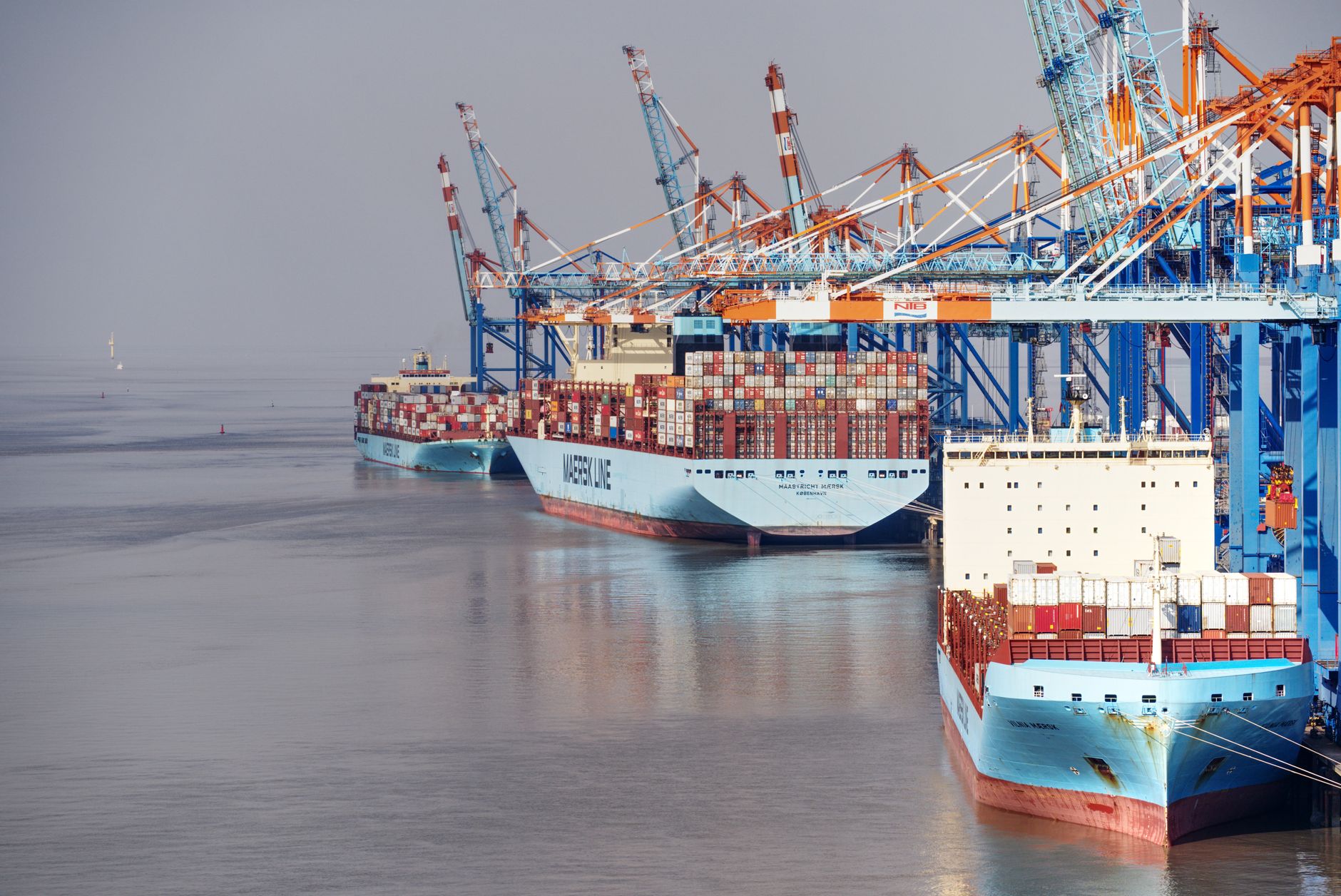
On the ground, the impact of these pre-tariff maneuvers is already palpable. Major shipping routes, particularly those connecting Asia to North America and Europe, are experiencing unprecedented demand. This surge is leading to significant port congestion, with ships waiting longer to unload and containers facing delays in processing. The logistical strain is immense, pushing freight forwarders and carriers to their limits. This operational bottleneck not only adds to the cost but also extends delivery times, creating a cascade of challenges for businesses trying to meet production schedules and consumer expectations.
The scramble for shipping capacity has also led to a dramatic increase in spot rates for containers. Unlike long-term contracts, spot rates are highly sensitive to immediate supply and demand dynamics, and they are currently skyrocketing. Companies that rely on these immediate bookings are finding their transportation budgets stretched thin, forcing them to make difficult choices about which goods to prioritize for shipment. This volatility makes forecasting and budgeting incredibly challenging, injecting a significant degree of uncertainty into business operations and financial planning.
Furthermore, the pressure extends beyond just ocean freight. Inland transportation networks, including trucking and rail, are also feeling the strain as ports struggle to clear the influx of goods. This creates a domino effect, where delays at sea translate into delays on land, further complicating last-mile delivery and inventory management. The entire logistics ecosystem is under duress, highlighting the interconnectedness of global trade and the profound impact that even anticipated policy changes can have on the physical movement of goods worldwide. Businesses are actively exploring alternative routes and modes of transport, but viable options are often limited and come with their own set of challenges and increased costs.
What Experts Are Saying
Leading economists and supply chain analysts are largely in agreement: the current spike in shipping costs is a direct consequence of market anticipation rather than immediate policy implementation. Dr. Eleanor Vance, a prominent trade economist, recently stated, "We're witnessing a classic example of market participants pricing in future risk. Businesses are making rational decisions to front-load imports, but the collective action is creating an inflationary pressure on logistics that will inevitably trickle down to consumers." Her analysis underscores the proactive, defensive stance companies are adopting.
Logistics experts, such as Michael Chen, CEO of Global Freight Solutions, emphasize the operational challenges. "Our networks are experiencing unprecedented demand on key routes. This isn't just about higher prices; it's about securing space and managing congestion at ports and inland depots. The capacity crunch is real, and it's making efficient, timely delivery a significant challenge for even the most established players." Chen's observations highlight the tangible, day-to-day difficulties faced by the shipping industry.
Furthermore, financial analysts are warning investors about potential impacts on corporate earnings. Sarah Jenkins, an equity analyst specializing in retail, noted, "Companies with lean supply chains and high exposure to international trade are particularly vulnerable. The increased freight costs will either compress margins or necessitate price increases, both of which can negatively affect shareholder value. Investors should be closely monitoring how companies are adapting their sourcing and pricing strategies in response to this evolving situation." This perspective points to the broader financial ramifications for publicly traded companies and the investment community.
Frequently Asked Questions
What Happens Next
The immediate future will likely see continued volatility in shipping markets as businesses maintain their cautious, pre-emptive strategies. The intensity and duration of this surge will largely depend on the clarity of future trade policy signals. Should the prospect of new tariffs become more concrete, the front-loading phenomenon could intensify, further exacerbating logistics challenges and cost pressures. Conversely, any indications of a more stable trade environment could lead to a gradual normalization of shipping rates, though a return to pre-surge levels might take considerable time due to existing backlogs and contractual obligations.
Beyond the immediate market reactions, the situation could prompt a more fundamental re-evaluation of global supply chain resilience. Companies may accelerate their efforts to diversify sourcing, explore regional manufacturing hubs, or even invest in automation to reduce labor costs and reliance on international shipping. This strategic shift could lead to a more fragmented, yet potentially more resilient, global manufacturing and distribution landscape. The focus will increasingly be on agility and risk mitigation, rather than solely on cost optimization, fundamentally altering how goods are produced and moved worldwide.
Ultimately, the trajectory of global shipping costs and trade dynamics will be inextricably linked to political developments. The upcoming election cycles and subsequent policy decisions will serve as critical inflection points. Stakeholders across the supply chain, from manufacturers to retailers and consumers, will be closely watching for definitive signals that could either stabilize the current turbulence or usher in a new era of trade protectionism. The ability of businesses to adapt to these evolving conditions will determine their long-term success and the overall health of the global economy.
















Comments
No comments yet. Be the first to comment!