
At a Glance
- The first day of Ayatollah Ali Khamenei's funeral rites has concluded, drawing immense crowds and underscoring the profound political and religious transition underway in Iran. This period of mourning is critical for observing the internal power dynamics and potential shifts in the nation's leadership structure.
- Israel has launched significant airstrikes into Lebanon, targeting what it describes as Hezbollah infrastructure in retaliation for recent cross-border attacks. These strikes mark a severe escalation, raising alarms about the potential for a broader regional conflict that could destabilize an already volatile Middle East.
- Hezbollah has vowed a robust response to the Israeli attacks, signaling a dangerous tit-for-tat cycle of violence that threatens to spiral out of control. The group's statements indicate a firm resolve to retaliate, making further military exchanges almost inevitable and heightening regional anxieties.
- Global powers are closely monitoring the unfolding situation, with many nations urging de-escalation and restraint from all parties involved. Diplomatic efforts are reportedly underway behind the scenes, though the immediate impact on the ground remains uncertain as military actions intensify.
- The death of Khamenei creates a power vacuum and uncertainty within Iran's political landscape, potentially influencing its foreign policy and regional engagements. The succession process is opaque, and the new leadership's stance on regional adversaries like Israel will be a critical factor in future stability.
- Humanitarian organizations are expressing grave concerns over the escalating violence, warning of a potential surge in civilian casualties and displacement. The ongoing military actions are exacerbating an already dire humanitarian situation in parts of the region, necessitating urgent international aid and intervention.
The Record
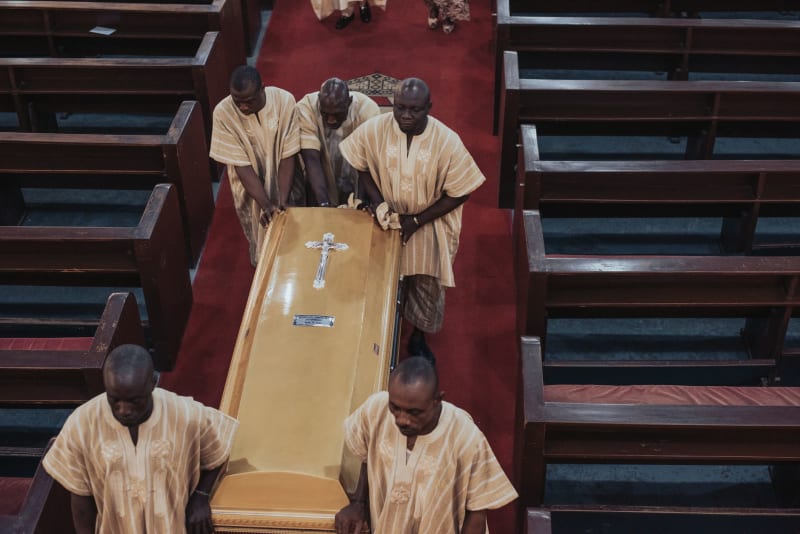
The first day of funeral proceedings for Ayatollah Ali Khamenei concluded with unprecedented displays of national mourning and political pageantry across Iran. Millions of Iranians converged in Tehran and other major cities, participating in solemn processions that underscored the deep reverence many held for the Supreme Leader. This outpouring of grief, while expected, also served as a powerful demonstration of the regime's enduring capacity to mobilize its populace and project an image of national unity during a critical leadership transition. The sheer scale of the attendance, meticulously documented by state media, sends a clear message about the stability and continuity of the Islamic Republic, even in the face of profound change.
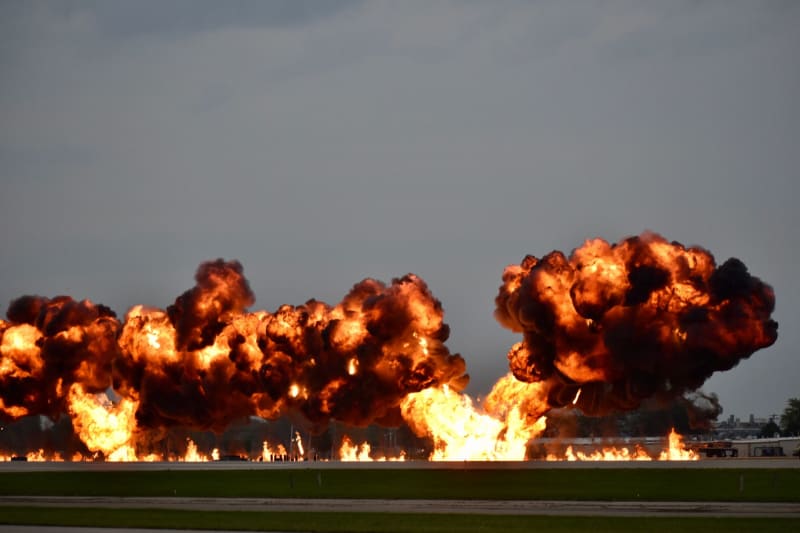
Simultaneously, the regional geopolitical landscape experienced a dramatic and concerning escalation. Following a series of cross-border rocket attacks attributed to Hezbollah, Israel launched a significant wave of airstrikes deep into Lebanese territory. These precision strikes reportedly targeted key Hezbollah command centers, weapons depots, and operational infrastructure, aiming to degrade the group's capabilities and deter further aggression. The Israeli military stated that these actions were a direct and necessary response to what it described as unprovoked attacks, emphasizing its commitment to protecting its northern borders. This immediate and forceful retaliation highlights the volatile nature of the Israel-Lebanon frontier, where a delicate balance of deterrence can quickly unravel.
The retaliatory strikes by Israel have predictably drawn a swift and defiant response from Hezbollah. The Lebanese Shiite group, a powerful proxy backed by Iran, issued strong condemnations of the Israeli aggression and vowed to respond with even greater force. Statements from Hezbollah leadership indicated that these attacks would not go unanswered, signaling a dangerous commitment to an escalating cycle of violence. This rhetoric underscores the deeply entrenched animosity and the high stakes involved in the current confrontation. The potential for a full-scale conflict between Israel and Hezbollah, with devastating consequences for both sides and the broader region, has never been more palpable, pushing the Middle East closer to the brink of a major war.
Who Knew and When
Intelligence agencies across the globe had been closely monitoring Ayatollah Khamenei's health for an extended period, with various reports surfacing over the years regarding his declining condition. While the exact timing of his passing remained a closely guarded secret within the Iranian leadership, the general expectation of a succession event was a known factor for major international players. This foresight allowed key governments to develop contingency plans and prepare for the inevitable political shifts that would accompany such a momentous transition. The meticulous planning involved in managing the funeral rites and the subsequent power transfer within Iran suggests that the inner circle was well-prepared for this eventuality, carefully orchestrating a seamless, albeit somber, transition of authority.
The escalating tensions between Israel and Hezbollah, culminating in the recent cross-border attacks and retaliatory strikes, have been a subject of intense scrutiny by regional and international security analysts for months, if not years. Both sides have consistently issued warnings and engaged in limited skirmishes, making the potential for a larger confrontation a constant concern. Intelligence assessments from the United States, European Union, and various Middle Eastern nations had repeatedly highlighted the precarious nature of the Israel-Lebanon border, noting the increasing sophistication of Hezbollah's arsenal and Israel's unwavering commitment to its security. The recent events, while alarming, are a culmination of long-standing, unresolved grievances and a dangerous build-up of military capabilities on both sides.
Specific intelligence regarding the recent rocket attacks from Lebanon and Israel's subsequent decision to launch retaliatory airstrikes was likely highly compartmentalized and shared only within the highest echelons of government and military command. While the general public and media were informed after the fact, the decision-making processes leading to these critical military actions would have been based on real-time intelligence assessments and strategic calculations. The speed and precision of Israel's response suggest a pre-existing framework for such contingencies, indicating that military planners were prepared to act decisively. Similarly, Hezbollah's ability to launch rockets implies a well-established operational chain, suggesting that their actions were also pre-meditated and not merely spontaneous reactions.
Voices from the Ground
In Tehran, the atmosphere during Khamenei's funeral was a complex mix of genuine grief and state-mandated mourning. "It feels like the end of an era, a profound loss for our nation," shared Fatemeh, a 60-year-old retired teacher, her voice thick with emotion. "He guided us through so many challenges." However, beneath the surface, other sentiments simmered. "While many mourn, there's also an undercurrent of uncertainty about what comes next," admitted Reza, a 30-year-old student, speaking cautiously. "Will the new leadership bring change, or will it be more of the same? The future feels very opaque right now, and that's a source of anxiety for many young people hoping for reforms and a better economic outlook." This duality of public emotion highlights the deep divisions within Iranian society, even during a period of national mourning.
Across the border in southern Lebanon, the Israeli airstrikes have reignited fears of a full-scale war, disrupting the fragile sense of normalcy many residents had struggled to rebuild. "The sound of the explosions was terrifying; it brought back memories we hoped were long gone," recounted Mariam, a mother of three from a village near the border. "We just want peace, but it feels like we are always caught in the middle." Her neighbor, Ali, a farmer, added with a weary sigh, "Every time the tensions rise, our lives are put on hold. Our children can't go to school, our fields are unsafe. The economic impact alone is devastating, let alone the constant threat to our lives. We are tired of living under this perpetual shadow of conflict, waiting for the next escalation." The constant threat of violence profoundly impacts daily life, making long-term planning impossible.
In Israel, residents of northern communities are once again grappling with the psychological toll of living under the constant threat of rocket fire and retaliation. "We're used to it, but 'used to it' doesn't mean it's easy," stated David, a resident of a border town, his voice strained. "Every siren, every boom, sends a jolt of fear through you. Our children are growing up with this constant anxiety." A reservist called to active duty, Yael, expressed a mixture of resolve and weariness: "We will defend our country, there's no question, but the cycle of violence is exhausting. We hope for a lasting solution, but it feels like we're always just reacting to the next threat, rather than moving towards genuine peace and security for our families." The ongoing conflict creates a pervasive sense of insecurity and a longing for a durable resolution that seems perpetually out of reach.
The Debate
The international community is sharply divided on the appropriate response to the escalating crisis. One school of thought, primarily advocated by Western powers, emphasizes the urgent need for de-escalation through diplomatic channels and multilateral engagement. Proponents of this view argue that direct military confrontation carries unacceptable risks of regional conflagration, potentially drawing in major global powers. They advocate for robust UN Security Council resolutions, targeted sanctions against actors fueling the conflict, and sustained dialogue with all parties, including Iran and its proxies, to find a political off-ramp. The focus is on preventing further bloodshed and protecting civilian lives through a coordinated, non-military approach, recognizing the catastrophic potential of a wider war.
Conversely, a more hawkish perspective, often voiced by Israel and its staunch allies, asserts that a strong military posture and decisive retaliatory actions are essential to deter aggression and protect national security interests. This viewpoint posits that appeasement or solely diplomatic approaches only embolden hostile actors, leading to further attacks. Advocates for this stance argue that demonstrating military superiority and a willingness to use force is the only language certain adversaries understand, and that failing to respond forcefully would be perceived as weakness, inviting more significant threats down the line. They contend that the current strikes are a legitimate act of self-defense and a necessary measure to restore deterrence in a highly volatile region, even if it carries inherent risks.
A third, more nuanced position, often articulated by regional analysts and some non-aligned nations, suggests that both diplomatic pressure and strategic deterrence are necessary, but must be carefully balanced. This perspective highlights the importance of understanding the complex historical grievances and power dynamics at play, arguing that a purely military or purely diplomatic approach is insufficient. It calls for a comprehensive strategy that addresses the root causes of the conflict, including economic disparities, political marginalization, and the proliferation of proxy forces. This approach seeks to build long-term stability through regional security frameworks, confidence-building measures, and sustained efforts to foster mutual understanding, rather than relying solely on short-term tactical responses that often exacerbate underlying tensions.
Your Questions Answered
What Accountability Looks Like
Accountability in the context of the current Middle East crisis is a multifaceted and challenging concept, particularly given the complex web of state and non-state actors involved. For the international community, accountability would ideally mean holding all parties responsible for adherence to international law, including the Geneva Conventions and the principles of proportionality in warfare. This involves rigorously investigating alleged war crimes and human rights abuses, regardless of the perpetrator, and ensuring that those responsible face justice through international tribunals or national courts. Such a framework aims to deter future violations and uphold the sanctity of human life and dignity amidst armed conflict, providing a crucial moral compass in times of extreme violence and political turmoil.
From a national security perspective, accountability for Israel and Lebanon (and by extension, Hezbollah) often translates into ensuring the security of their respective populations and deterring future aggression. For Israel, this means demonstrating a robust capacity to respond to threats and protect its borders, while for Lebanon, it involves asserting state sovereignty and controlling non-state actors operating within its territory. However, this pursuit of national security can sometimes conflict with international legal obligations, leading to debates over the justification and proportionality of military actions. Achieving true accountability in this context requires a delicate balance between a nation's right to self-defense and its adherence to the humanitarian principles that govern armed conflict, a balance often difficult to strike in the heat of battle.
Ultimately, long-term accountability must also address the underlying causes of the conflict, moving beyond immediate military responses to foster sustainable peace. This includes holding political leaders accountable for pursuing diplomatic solutions, engaging in good-faith negotiations, and working towards comprehensive agreements that address historical grievances and power imbalances. It also means holding international bodies accountable for their role in mediation, peacekeeping, and humanitarian aid. Without a commitment to addressing these foundational issues, the cycle of violence and retaliation is likely to persist, making genuine accountability an elusive goal. True accountability, therefore, is not just about punishing past wrongs, but about preventing future ones through systemic change and a commitment to justice and peace.
















Comments
No comments yet. Be the first to comment!