
Policy Snapshot
- Ukrainian President Volodymyr Zelenskyy has consistently appealed to Western allies for more advanced air defense systems, emphasizing their critical role in protecting civilian infrastructure and lives from relentless Russian aerial assaults.
- NATO member states are currently deliberating enhanced military aid packages for Ukraine, with a particular focus on bolstering anti-aircraft capabilities and providing long-range precision weaponry to counter Russian aggression effectively.
- International sanctions against Russia remain a cornerstone of the collective response, targeting key sectors of its economy to diminish its capacity to fund and sustain the ongoing invasion of Ukraine.
- Humanitarian aid efforts are being scaled up by numerous international organizations and governments, providing essential relief, medical supplies, and shelter to millions of Ukrainians displaced or otherwise affected by the conflict.
- Diplomatic channels, though strained, remain open, with various international bodies and individual nations attempting to broker a peaceful resolution, albeit with limited success given Russia's current stance.
- The upcoming NATO summit is expected to solidify commitments for long-term security assistance to Ukraine, potentially outlining pathways for future integration and strengthening collective defense postures against regional threats.
The Policy History
The conflict in Ukraine, which dramatically escalated with Russia's full-scale invasion in February 2022, is rooted in a complex history of geopolitical tensions, territorial disputes, and competing security interests. For years leading up to the invasion, Russia had expressed strong opposition to NATO expansion eastward, viewing it as a direct threat to its own security perimeter. This long-standing grievance, coupled with Russia's annexation of Crimea in 2014 and its support for separatists in eastern Ukraine, laid the groundwork for the current devastating war. Western nations, in response, have consistently affirmed Ukraine's sovereignty and territorial integrity, while also providing increasing levels of defensive military and financial aid.
Following the 2022 invasion, the international community, led by the United States and European Union, swiftly implemented unprecedented sanctions against Russia, targeting its financial institutions, energy sector, and key oligarchs. These measures were designed to cripple Russia's war economy and pressure Moscow to cease hostilities. Concurrently, a robust policy of military assistance to Ukraine began, evolving from basic defensive weaponry to sophisticated air defense systems, artillery, and armored vehicles. This policy shift reflects a growing recognition among allies that Ukraine's ability to defend itself is crucial for broader European security and the upholding of international law.
The current policy landscape is characterized by a delicate balance between supporting Ukraine's defense and avoiding direct military confrontation with Russia. NATO, while providing extensive aid to Ukraine, has carefully avoided deploying its own troops to the conflict zone, emphasizing its role as a defensive alliance. However, recent escalations, like the widespread missile strikes, continue to test these boundaries, prompting renewed calls for more decisive action and a re-evaluation of current aid strategies. The ongoing debate revolves around the speed and type of military assistance, with Ukraine consistently advocating for faster delivery and more advanced capabilities to turn the tide of the war.
Who Is Affected
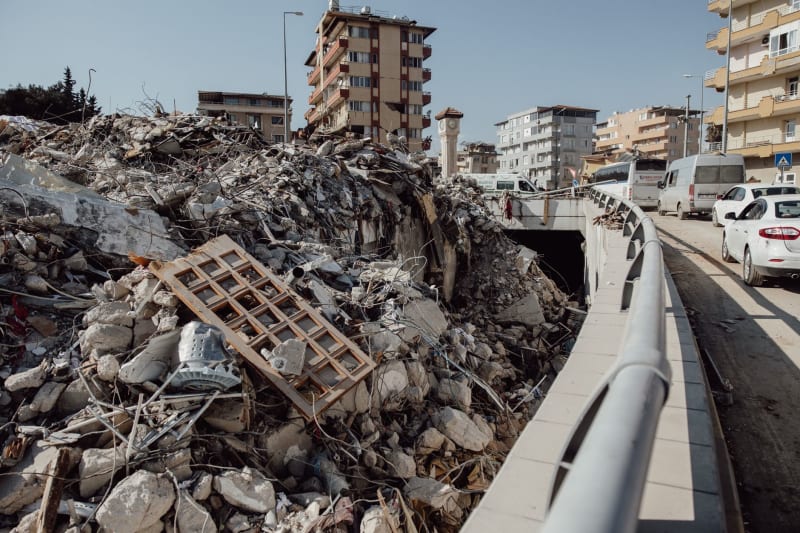
The most immediate and profoundly affected are the Ukrainian civilians, who bear the brunt of Russia's relentless aggression. The recent wave of strikes, claiming at least 21 lives and injuring scores, underscores the daily terror faced by millions. Families are torn apart, homes are destroyed, and essential infrastructure like hospitals and schools are targeted, disrupting every aspect of life. Children are growing up amidst air raid sirens and the constant threat of bombardment, leading to severe psychological trauma and long-term developmental challenges. The sheer scale of displacement, with millions forced to flee their homes, represents a humanitarian crisis of immense proportions, placing immense strain on neighboring countries and international aid organizations.
Beyond Ukraine's borders, the ripple effects of the conflict are felt globally. European nations are grappling with an unprecedented refugee crisis, straining social services and housing markets, while also facing increased energy costs and supply chain disruptions due to sanctions and the war's impact on global markets. The economic consequences are far-reaching, affecting global food security as Ukraine, a major agricultural producer, struggles to export its crops. This creates inflationary pressures and exacerbates poverty in vulnerable nations, highlighting the interconnectedness of the global economy and the devastating reach of regional conflicts.
The geopolitical landscape is also significantly altered, affecting international relations and security alliances. NATO members are re-evaluating their defense spending and strategies, strengthening their collective security posture in response to perceived Russian aggression. This has led to increased military exercises, troop deployments, and a renewed focus on deterrence. Furthermore, the conflict has exposed fault lines in international diplomacy, with some nations struggling to maintain neutrality while others have firmly aligned against Russia. The long-term implications for global governance and the future of international law remain uncertain, as the world grapples with the precedent set by Russia's actions.
The Case For
The compelling argument for sustained and increased international support for Ukraine rests on fundamental principles of sovereignty, territorial integrity, and the protection of civilian lives. Allowing Russia to succeed in its aggression would set a dangerous precedent, signaling to other authoritarian regimes that unprovoked invasions and disregard for international law can go unpunished. Supporting Ukraine is not merely an act of charity; it is a strategic investment in global stability and the rules-based international order that has largely prevented large-scale conflicts since World War II. The defense of Ukraine is, in essence, the defense of democratic values and the right of nations to self-determination.
Furthermore, providing Ukraine with advanced military capabilities, particularly air defense systems, is crucial for mitigating the humanitarian catastrophe unfolding daily. Each successful interception of a Russian missile or drone directly saves lives, protects critical infrastructure, and allows Ukrainian communities to function amidst the conflict. The argument is that robust defensive capabilities not only protect civilians but also enable Ukraine to hold its ground, preventing further territorial losses and creating a more favorable position for any future diplomatic negotiations. Without adequate protection, Ukraine's ability to resist diminishes, increasing the likelihood of prolonged suffering and instability.
From an economic perspective, while the costs of supporting Ukraine are substantial, the long-term costs of inaction could be far greater. A destabilized Europe, rampant with unchecked aggression, would lead to profound economic disruptions, increased refugee flows, and a potential erosion of global trade networks. Investing in Ukraine's defense now can prevent a wider, more costly conflict in the future. Moreover, the sanctions regime against Russia, while impacting global markets, is a necessary tool to weaken Moscow's war machine and demonstrate a unified international resolve. The argument is that these measures, combined with military aid, are essential for restoring peace and preventing future acts of aggression.
The Case Against
Arguments against the current level or nature of international support for Ukraine often revolve around concerns about escalation, economic strain, and the potential for a protracted conflict. Critics contend that providing increasingly sophisticated weaponry risks provoking Russia into a wider conflict, potentially involving NATO directly and leading to catastrophic consequences. There is a palpable fear that crossing certain 'red lines' could trigger an unpredictable and uncontrollable response from Moscow, escalating the conflict beyond Ukraine's borders and into a direct confrontation between nuclear powers. This perspective advocates for a more cautious approach, prioritizing de-escalation over decisive military aid.
Another significant point of contention is the substantial economic burden placed on donor nations. The billions of dollars in military and financial aid, coupled with the economic fallout from sanctions and disrupted global supply chains, are seen by some as unsustainable. Critics argue that these resources could be better utilized for domestic priorities, addressing internal economic challenges, or investing in other pressing global issues. Furthermore, the sanctions against Russia, while intended to cripple its economy, have also contributed to global inflation and energy price hikes, negatively impacting the economies of allied nations and their citizens, leading to calls for a re-evaluation of their effectiveness and consequences.
Finally, there are concerns that the current strategy is merely prolonging a conflict that may not have a clear military resolution, leading to an endless cycle of violence and suffering. Some analysts suggest that a purely military approach overlooks potential diplomatic off-ramps and that a greater emphasis should be placed on negotiation and mediation, even if it involves difficult compromises. The argument here is that while supporting Ukraine's defense is important, an open-ended commitment without a clear path to peace risks draining resources and lives indefinitely, without achieving a decisive victory or a sustainable end to hostilities. This perspective often calls for a renewed focus on diplomatic solutions, even if they are imperfect.
Policy Questions Answered
Implementation Watch
The effective implementation of promised military aid, especially advanced air defense systems, remains a critical challenge. While pledges are made, the actual delivery and deployment to the front lines often face logistical hurdles, training requirements, and supply chain complexities. Ensuring that these sophisticated systems reach Ukraine swiftly and that Ukrainian forces are adequately trained to operate and maintain them is paramount. Delays in implementation directly translate to continued vulnerability for Ukrainian cities and increased civilian casualties, highlighting the urgent need for streamlined processes and accelerated timelines from donor nations.
Monitoring the impact of international sanctions on Russia's war economy is another key area of implementation watch. While sanctions have undoubtedly pressured Moscow, their full effect is often delayed, and Russia has shown resilience in adapting to restrictions, including seeking alternative markets and supply routes. The international community must continuously assess the effectiveness of existing sanctions, identify loopholes, and consider additional measures to tighten the economic squeeze. This requires robust intelligence sharing and coordinated enforcement across multiple jurisdictions to prevent circumvention and ensure maximum impact on Russia's ability to fund its aggression.
Furthermore, the coordination of humanitarian aid and reconstruction efforts requires meticulous planning and execution. As the conflict continues, the needs of the Ukrainian population grow, encompassing everything from emergency relief to long-term rebuilding projects. Ensuring that aid reaches those most in need, transparently and efficiently, is a monumental task. This involves collaboration between governments, NGOs, and local Ukrainian authorities to avoid duplication of efforts, maximize resource utilization, and lay the groundwork for a sustainable recovery. The success of these efforts will be crucial for Ukraine's post-war stability and the well-being of its citizens.











Comments
No comments yet. Be the first to comment!