
Policy Snapshot
- Emergency declarations have been swiftly enacted at both state and local levels, unlocking critical resources and streamlining coordination for firefighting and evacuation efforts across the affected regions.
- Mandatory evacuation orders are currently in effect for several communities, impacting thousands of residents who have been directed to designated shelters or advised to seek refuge with friends and family outside the immediate danger zone.
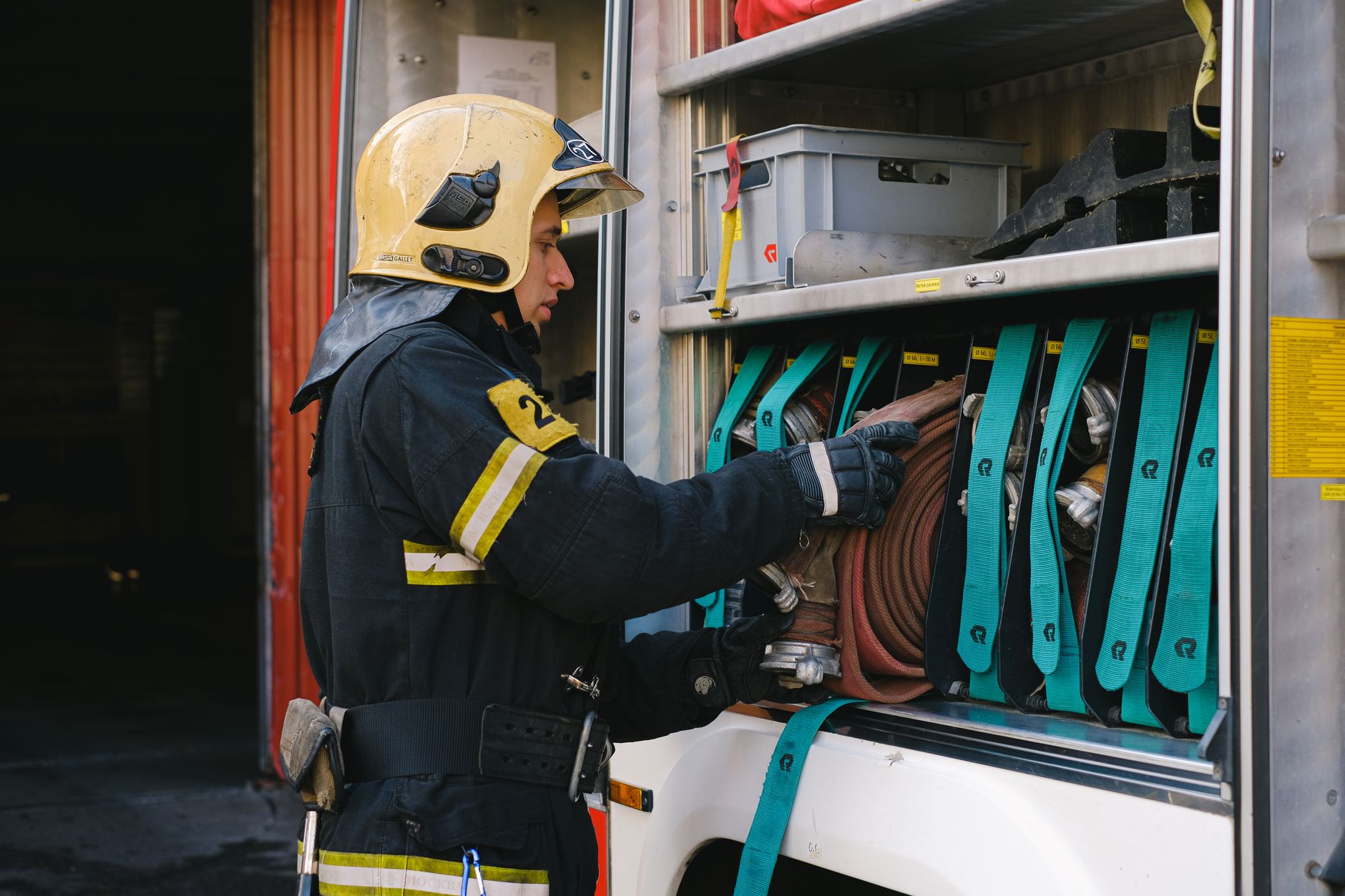
- Fire suppression strategies involve a multi-agency approach, deploying aerial assets like water-dropping planes and helicopters alongside ground crews who are establishing firebreaks and actively battling the advancing flames.
- Public safety advisories are being continuously updated and disseminated through various channels, including emergency alerts, local news, and social media, urging residents to stay informed and adhere strictly to all official instructions.
- Resource allocation is being prioritized to protect critical infrastructure, including power lines, communication towers, and major transportation routes, which are essential for ongoing relief efforts and community resilience.
- Long-term recovery plans are already being discussed by state and federal agencies, anticipating the need for extensive support for rebuilding homes, restoring damaged ecosystems, and assisting displaced families in the aftermath of the wildfire.
The Policy History
Colorado has a long and challenging history with wildfires, a consequence of its arid climate, vast wildland-urban interface, and increasing periods of drought. Over the past two decades, state and federal policies have evolved significantly, moving from reactive suppression to more proactive mitigation strategies. This shift includes substantial investments in forest health initiatives, such as prescribed burns and fuel reduction projects, aimed at creating more resilient landscapes and reducing the intensity of potential fires. However, the sheer scale and frequency of recent blazes often overwhelm even the most robust preventative measures, highlighting the persistent vulnerability of many communities.
The legislative framework governing wildfire response in Colorado is a complex tapestry of state statutes, county ordinances, and federal guidelines. Key pieces of legislation empower the Governor to declare states of emergency, thereby mobilizing the National Guard and accessing federal aid through FEMA. Furthermore, local governments are often responsible for developing and enforcing building codes that incorporate wildfire-resistant materials and creating defensible spaces around homes. Despite these efforts, the rapid expansion of residential areas into previously undeveloped wildlands continues to pose significant challenges, making effective policy implementation a constant uphill battle against both nature and human development patterns.
Funding mechanisms for wildfire preparedness and response are a perennial concern. State budgets allocate significant sums, but these are frequently supplemented by federal grants and emergency appropriations, especially during severe fire seasons. There's an ongoing debate about the adequacy of these funds, particularly concerning long-term prevention and the maintenance of critical firefighting equipment. The current wildfire underscores the urgent need for sustained and increased investment in these areas, as the economic and human costs of major fires far outweigh the expenses of proactive measures. This incident will undoubtedly reignite discussions about how best to secure resources for future resilience.
Who Is Affected
The primary impact of the spreading wildfire is directly felt by thousands of residents in the immediate evacuation zones, whose lives have been abruptly uprooted. These individuals face the terrifying uncertainty of losing their homes, possessions, and cherished memories to the advancing flames. Many have had mere minutes to gather essential items, leaving behind entire lifetimes of accumulation. The emotional toll of such a rapid displacement, coupled with the potential for devastating loss, is immense and will undoubtedly linger long after the smoke clears. This crisis highlights the profound vulnerability of communities living in fire-prone regions, forcing them to confront the stark realities of climate change and environmental risk.
Beyond those directly evacuated, the ripple effects extend across the broader region. Local businesses in affected towns suffer immediate economic disruption as customers flee and operations cease. Supply chains can be interrupted, and tourism, a vital industry for many Colorado communities, takes a significant hit. First responders, including firefighters, law enforcement, and emergency medical personnel, are working tirelessly under extremely dangerous conditions, facing physical exhaustion and immense psychological stress. Their families also bear the burden of their loved ones being on the front lines, often for extended periods without rest, emphasizing the widespread human cost of these escalating natural disasters.
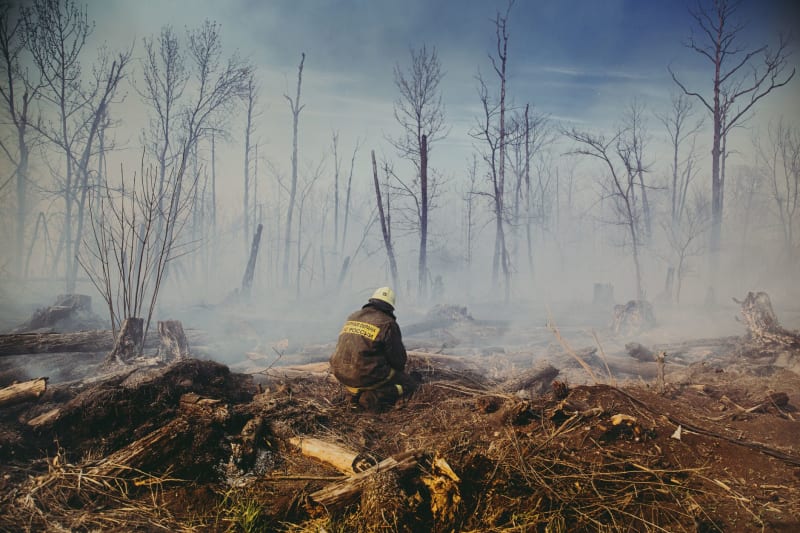
The natural environment itself is also a major casualty. Vast tracts of forests, crucial wildlife habitats, and delicate ecosystems are being consumed by the inferno, leading to long-term ecological damage. Air quality across a much wider area is severely degraded by smoke, posing health risks, especially for vulnerable populations such as children, the elderly, and individuals with respiratory conditions. This environmental devastation not only impacts biodiversity but also contributes to further climate challenges, creating a feedback loop where hotter, drier conditions fuel more intense fires, which in turn release more carbon into the atmosphere. The long-term recovery of these natural landscapes will take decades, if not centuries.
The Case For
The current wildfire crisis unequivocally strengthens the argument for increased investment in proactive wildfire mitigation strategies. Proponents advocate for significantly expanded funding for forest thinning, prescribed burns, and the creation of defensible spaces around communities. These measures, while initially costly, demonstrably reduce the intensity and spread of wildfires, ultimately saving lives, homes, and billions in firefighting expenses. When implemented effectively, these preventative actions can transform a catastrophic blaze into a more manageable incident, protecting both human settlements and vital ecological systems from irreversible damage. The economic and social benefits of prevention far outweigh the reactive costs of fighting an out-of-control inferno.
Furthermore, the escalating frequency and severity of wildfires underscore the critical need for robust emergency preparedness and rapid response capabilities. This includes upgrading firefighting equipment, enhancing inter-agency communication protocols, and conducting regular, comprehensive evacuation drills for at-risk communities. Investing in advanced satellite monitoring and early detection systems can provide crucial extra hours, allowing residents more time to evacuate safely and giving firefighters a head start on containment. The ability to deploy resources swiftly and strategically is paramount in the face of fast-moving, wind-driven fires, making these preparedness measures not just beneficial but absolutely essential for public safety.
This event also highlights the imperative for stricter land-use planning and building codes in the wildland-urban interface (WUI). Advocates argue that unchecked development in fire-prone areas is unsustainable and irresponsible. Policies promoting fire-resistant construction materials, mandating larger defensible spaces, and even restricting new construction in the highest-risk zones are crucial. While these measures may face resistance from developers and some property owners, the long-term societal benefit of reducing wildfire risk and protecting lives and property is undeniable. The current devastation serves as a stark reminder that integrating fire-wise principles into every aspect of community planning is no longer optional, but a necessity for future resilience.
The Case Against
While the immediate response to a wildfire crisis is universally supported, arguments often arise concerning the long-term implications and efficacy of certain mitigation strategies. Some critics contend that an over-reliance on aggressive forest thinning and prescribed burns, while beneficial in specific contexts, can sometimes disrupt delicate ecosystems, impacting biodiversity and soil health. They argue that a more nuanced approach, focusing on natural fire regimes and allowing some fires to burn under controlled conditions, might be more ecologically sound in the long run, rather than a blanket application of human intervention that could inadvertently create new problems or alter natural landscapes in unintended ways.
Another point of contention revolves around the economic burden of extensive mitigation efforts and stricter building codes. Property owners and developers often push back against mandates for fire-resistant materials or larger defensible spaces, citing increased construction costs and potential impacts on property values. There's also the argument that some proposed land-use restrictions infringe on individual property rights and limit economic growth in rural areas. While acknowledging the risks, these perspectives emphasize the importance of balancing public safety with economic viability and personal freedoms, suggesting that overly prescriptive regulations might create unintended financial hardships for residents and businesses alike.
Furthermore, some voices express skepticism about the sole focus on local and state-level policy changes, arguing that the root causes of increased wildfire activity are global climate change and broader environmental shifts. They contend that while local mitigation is necessary, it's ultimately a band-aid solution if larger issues like carbon emissions and global warming are not addressed at an international level. This perspective suggests that without significant global action, even the most robust local policies will eventually be overwhelmed by increasingly extreme weather patterns, making the argument that the 'case against' purely localized solutions is really a call for a more comprehensive, global approach to environmental stewardship.

Policy Questions Answered
Implementation Watch
The immediate implementation of emergency response protocols is currently under intense scrutiny as the wildfire continues its destructive path. Authorities are focused on the rapid deployment of firefighting assets, efficient coordination of evacuation routes, and the establishment of safe zones for displaced residents. The effectiveness of these critical initial steps will largely determine the scale of property loss and the safety of human lives. Observers are closely watching how quickly resources are mobilized from state and federal partners, and how seamlessly different agencies collaborate in a high-pressure, rapidly evolving environment. Any delays or communication breakdowns could have severe consequences, making real-time operational efficiency paramount.
Beyond the immediate crisis, the long-term implementation of wildfire mitigation policies will face significant challenges. While there's broad consensus on the need for forest thinning and prescribed burns, the actual execution of these projects often encounters hurdles, including environmental regulations, public opposition to controlled burns near communities, and securing consistent funding. Monitoring the progress of these preventative measures, particularly in the wildland-urban interface, will be crucial. The success of future fire seasons will depend heavily on whether these proactive policies move beyond legislative intent and are robustly translated into on-the-ground actions that genuinely reduce fuel loads and create more resilient landscapes.
Another key area for implementation watch will be the enforcement and adoption of stricter building codes and land-use planning in fire-prone areas. While new regulations may be enacted in the wake of this disaster, their actual impact hinges on consistent enforcement by local jurisdictions and widespread compliance by property owners and developers. Questions will arise about the availability of financial incentives for homeowners to retrofit existing structures and the political will to restrict future development in high-risk zones. The true test of these policies will be their ability to fundamentally alter how communities are built and managed in fire-prone regions, moving beyond reactive measures to genuinely embed resilience into the fabric of Colorado's growth.














Comments
No comments yet. Be the first to comment!