
What We Know
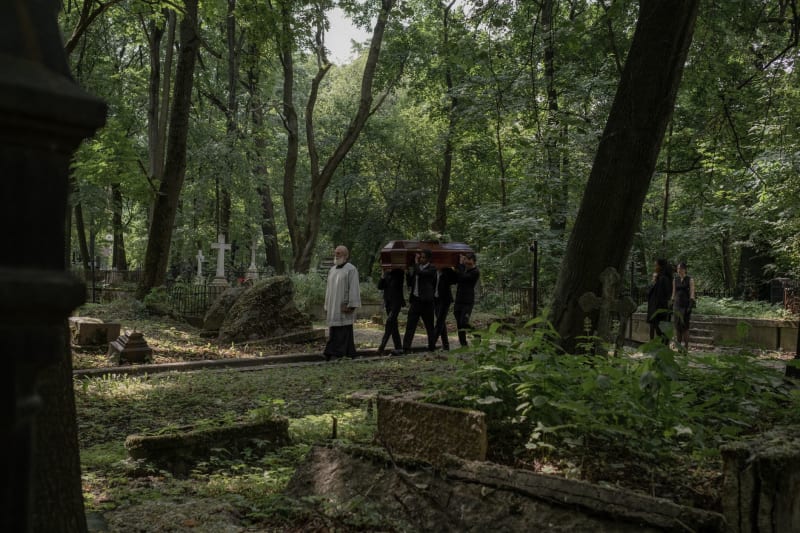
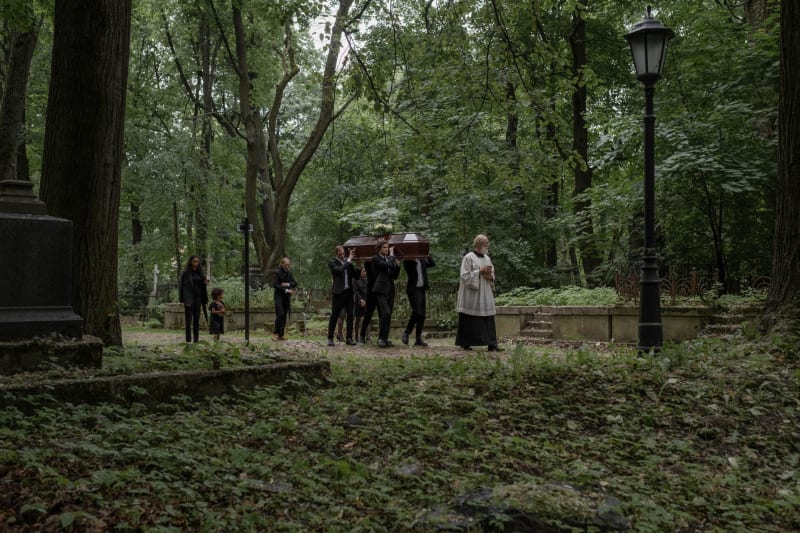
- The funeral ceremonies for Iran's Supreme Leader are currently in progress, marking a momentous event for the nation and its political landscape, drawing both domestic mourners and international observers.
- Numerous foreign dignitaries, including heads of state and high-ranking officials from various countries, have arrived in Tehran to pay their respects and participate in the elaborate funeral rites, underscoring the global significance of this transition.
- The succession process for the next Supreme Leader is a complex and highly sensitive matter, with the Assembly of Experts, a deliberative body of senior clerics, tasked with selecting the successor, a decision that will profoundly influence Iran's future trajectory.
- Massive crowds of Iranian citizens are participating in the funeral processions, demonstrating widespread public mourning and national unity, reflecting the deep reverence many hold for the late leader.
- Security measures across Tehran and other major cities have been significantly heightened to ensure the smooth conduct of the funeral and the safety of both local attendees and international guests, reflecting the sensitive nature of the event.
- International media outlets are providing extensive coverage of the events, highlighting the global interest in Iran's political stability and the implications of its leadership transition for regional and international relations.
What We Do Not Know Yet
- The exact timeline for the selection of the new Supreme Leader remains unconfirmed, with speculation circulating about whether the process will be swift or involve prolonged deliberation among the Assembly of Experts.
- The precise list of all foreign dignitaries attending the funeral has not been fully disclosed, leaving questions about the full extent of international representation and the geopolitical messages conveyed by their presence or absence.
- The specific criteria and internal discussions that will guide the Assembly of Experts in their choice of successor are largely opaque, making it difficult to predict the eventual outcome or the potential candidates being seriously considered.
- How the transition of power will impact Iran's domestic policies, particularly regarding economic reforms, social freedoms, and internal governance, is a major unknown, with potential shifts in political direction.
- The immediate and long-term implications for Iran's foreign policy, including its stance on nuclear negotiations, regional conflicts, and relations with major global powers, are subject to considerable uncertainty post-succession.
- Whether the new Supreme Leader will maintain the existing power structures or introduce significant changes to the country's political and religious institutions is a critical question that will only be answered after the appointment.
Background
The passing of Iran's Supreme Leader marks a monumental moment in the Islamic Republic's history, comparable only to the death of its founder. For decades, the late leader served as the ultimate authority, guiding the nation through complex domestic challenges and turbulent international relations. His tenure was characterized by a steadfast commitment to revolutionary principles, a firm stance against Western influence, and a significant role in shaping regional dynamics, particularly concerning proxy conflicts and strategic alliances across the Middle East. This leadership has been instrumental in defining Iran's identity on the global stage, solidifying its unique political-religious system.
The role of the Supreme Leader in Iran is not merely ceremonial; it encompasses vast powers, including control over the military, judiciary, and state media, as well as final say on major domestic and foreign policy decisions. This centralized authority has ensured a degree of stability and continuity in governance, even amidst internal dissent and external pressures. The intricate balance of power within the Iranian system, with various institutions such as the Guardian Council and the Expediency Discernment Council, all ultimately deferring to the Supreme Leader, highlights the profound impact of this individual on every facet of national life. His absence creates a vacuum that will require careful navigation.
The selection of a new Supreme Leader is constitutionally entrusted to the Assembly of Experts, a body comprising 88 highly influential clerics. This assembly is responsible for scrutinizing potential candidates based on their religious scholarship, political acumen, and loyalty to the Islamic Revolution's ideals. The process is inherently secretive and often involves intense internal negotiations and consensus-building among the clerical establishment. The outcome of this selection will not only determine the future direction of Iran but also send significant signals to both its allies and adversaries regarding the continuity or potential evolution of its ideological and strategic posture. The world watches with bated breath as this critical decision unfolds.
Why It Matters
The transition of power in Iran is not merely an internal affair; it carries profound implications for regional stability and global geopolitics. As a key player in the Middle East, Iran's leadership directly influences conflicts, alliances, and energy markets. A shift in leadership could either escalate existing tensions or open avenues for de-escalation, depending on the ideological leanings and strategic priorities of the new Supreme Leader. The ripple effects could be felt from the Persian Gulf to the Mediterranean, impacting countries like Iraq, Syria, Lebanon, and Yemen, where Iran maintains significant influence through various proxy groups and political ties. This makes the succession a critical event for international security.
Internationally, the new Supreme Leader's stance on critical issues such as the nuclear program, sanctions, and relations with Western powers will be closely scrutinized. The Joint Comprehensive Plan of Action (JCPOA), though currently stalled, remains a significant point of contention, and the approach of the new leadership could either revive diplomatic efforts or lead to further entrenchment of adversarial positions. The global community is keenly aware that any significant deviation from established foreign policy could trigger new rounds of sanctions, alter oil prices, and reshape diplomatic engagements with major world powers, including the United States, European Union, China, and Russia. The stakes are incredibly high for international diplomacy.
Domestically, the succession will test the resilience and unity of Iran's political system. The choice of a new Supreme Leader could either consolidate power within the existing clerical establishment or introduce new factions and perspectives, potentially leading to internal political shifts. This transition also presents an opportunity for different socio-political groups within Iran to voice their aspirations, influencing the future direction of the country's governance, human rights, and economic policies. The stability of the Islamic Republic itself hinges on a smooth and accepted transition, making this a pivotal moment for the Iranian people and their future trajectory.
Timeline of Events
- Day 1: Official announcement of the Supreme Leader's passing, triggering a period of national mourning and immediate preparations for funeral rites, with state media broadcasting continuous tributes and condolences.
- Day 1-2: Initial funeral prayers and public viewing held in various cities, drawing immense crowds of mourners who gather to pay their respects, showcasing the widespread impact of the leader's death.
- Day 2: Arrival of the first wave of foreign dignitaries, including ambassadors, special envoys, and lower-ranking officials, signifying the commencement of international condolence visits and diplomatic outreach.
- Day 3: Main funeral procession and state ceremony in Tehran, attended by high-profile foreign leaders, heads of state, and international organizations, highlighting the global significance of the event and Iran's diplomatic standing.
- Day 3-4: Continued diplomatic meetings and bilateral discussions between Iranian officials and visiting foreign dignitaries, potentially addressing regional issues and future international cooperation.
- Post-funeral: The Assembly of Experts is expected to convene for deliberations on the succession, a process that could unfold over days or weeks, with intense internal discussions shaping Iran's next chapter.
Rapid-Fire Q&A
What Is Coming
- Intensified internal deliberations within the Assembly of Experts, as they meticulously evaluate potential successors, a process that will be closely guarded from public scrutiny to maintain internal cohesion and control the narrative.
- Increased speculation and analysis from international media and think tanks regarding the likely candidates and the potential policy directions of the next Supreme Leader, leading to a surge in expert commentary and geopolitical forecasting.
- Potential shifts in Iran's diplomatic engagements as the new leadership establishes its foreign policy priorities, possibly leading to new overtures or hardened stances on critical international issues, including regional conflicts and nuclear agreements.
- Heightened security measures and continued public vigilance across Iran, especially in major urban centers, to ensure stability during this sensitive transition period and to manage any potential internal dissent or external provocations.
- A period of consolidation for the new Supreme Leader, as they work to assert their authority, build consensus among various factions, and articulate their vision for Iran's future, both domestically and on the global stage.
- Ongoing international observation and analysis of Iran's internal political landscape, with global powers closely monitoring the transition for any signs of instability or significant policy changes that could impact regional security and global energy markets.








Comments
No comments yet. Be the first to comment!