

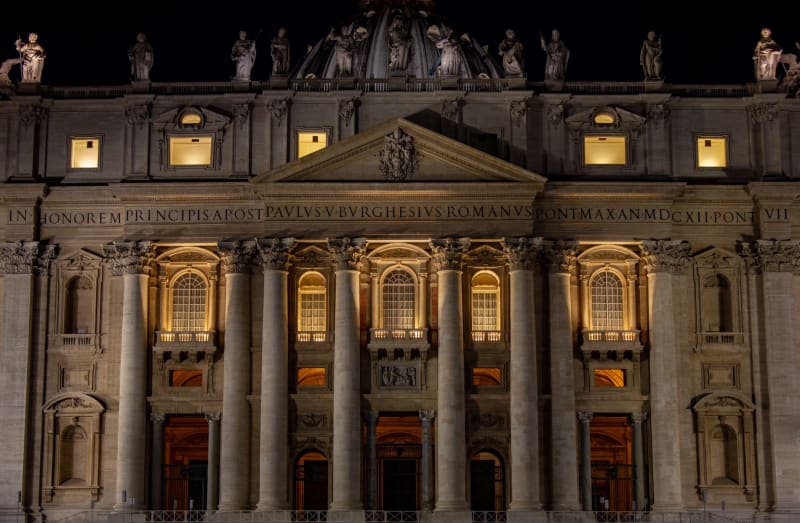
The Story in Brief
- The Vatican's Congregation for the Doctrine of the Faith has formally announced the excommunication of several bishops and priests who have engaged in schismatic acts, severing their communion with the Roman Catholic Church.
- This severe ecclesiastical penalty applies to individuals who have consecrated bishops without papal mandate or have otherwise rejected the authority of the Pope and the Holy See, undermining the unity of the Church.
- The decree explicitly states that these individuals are no longer permitted to exercise any priestly functions or hold any office within the Catholic Church, rendering their sacraments illicit and invalid.
- A crucial warning has been issued to the faithful, advising them against participating in the Masses or sacraments offered by these excommunicated clergy, emphasizing the spiritual dangers involved.
- The Vatican's actions underscore its unwavering commitment to maintaining doctrinal purity and hierarchical order, sending a clear message that challenges to papal authority will not be tolerated.
- This move is seen as a reinforcement of canon law, specifically Canons 1382 and 1364 of the Code of Canon Law, which outline the penalties for schism and unlawful consecration.
The Human Face
For many faithful Catholics, the news of excommunication brings a profound sense of sorrow and confusion. Individuals who have followed these schismatic bishops and priests, often out of genuine spiritual need or a misunderstanding of canonical law, now face a deeply unsettling dilemma. They must grapple with the realization that their spiritual leaders are no longer in communion with the universal Church, and the sacraments they have received may be considered illicit. This creates a painful rupture in their spiritual lives, forcing them to re-evaluate their allegiances and potentially seek reconciliation with the mainstream Church, a process that can be emotionally and spiritually taxing.
The excommunication also impacts the families and communities associated with these clergy. Parishioners who have built their spiritual lives around these specific churches or ministries may feel a deep sense of betrayal or abandonment. The social fabric of these communities, often tight-knit and supportive, can be severely strained as members choose between loyalty to their immediate spiritual guide and adherence to the Vatican's directives. This decision is rarely simple, often involving years of personal investment and a strong sense of belonging, making the Vatican's warning a direct challenge to their established spiritual routines and relationships.
Conversely, for many devout Catholics who uphold the authority of the Pope and the Magisterium, this decisive action by the Vatican offers a sense of reassurance and clarity. It reaffirms the Church's commitment to its foundational principles and its hierarchical structure, providing a clear boundary against what they perceive as divisive forces. While the situation is regrettable, the firm stance can be seen as a necessary measure to protect the integrity of the faith and guide the faithful away from potential spiritual harm. This clarity, though stark, can bring a renewed sense of confidence in the Church's leadership and its unwavering dedication to unity.
How We Got Here
The roots of this recent wave of excommunications often lie in long-standing doctrinal disagreements or challenges to papal authority that have simmered for years, sometimes decades. These schismatic movements typically begin with a rejection of specific reforms or interpretations of Church teaching, leading to a gradual estrangement from Rome. Initially, these groups might operate on the fringes, maintaining a semblance of Catholic tradition while subtly or overtly questioning the legitimacy of the reigning pontiff or the Second Vatican Council. This slow erosion of communion often culminates in acts that are unequivocally schismatic, such as the unauthorized ordination of bishops, which directly violates canon law and the hierarchical structure of the Church.
A critical turning point often occurs when these dissenting groups proceed with episcopal consecrations without a papal mandate. According to Canon 1382 of the Code of Canon Law, both the consecrating bishop and the recipient bishop incur automatic excommunication (latae sententiae). This act is not merely a disciplinary infraction but a profound theological offense, as it undermines the apostolic succession and the unity of the episcopate, which is intrinsically linked to the See of Peter. Such actions force the Vatican's hand, compelling it to issue formal declarations to protect the integrity of the Church's sacraments and the spiritual well-being of the faithful, leaving no ambiguity about the status of those involved.
The Vatican's Congregation for the Doctrine of the Faith, as the primary guardian of Catholic doctrine, plays a pivotal role in these situations. Before issuing excommunications, there is typically a process of investigation, dialogue, and warnings, offering opportunities for reconciliation. However, when these efforts fail and the schismatic acts persist or escalate, the CDF is obligated to take definitive action. This current decree reflects a culmination of such a process, where dialogue has proven unfruitful, and the individuals in question have chosen to remain outside the full communion of the Catholic Church, necessitating a clear and public declaration of their status.
Why This Cannot Be Ignored
This series of excommunications is not merely an internal ecclesiastical matter; it carries profound implications for the global Catholic Church and its millions of adherents. At its core, it represents the Vatican's unwavering defense of its foundational principles: unity, apostolic succession, and papal authority. Ignoring such a decisive action would undermine the very structure and identity of the Catholic Church, suggesting that its doctrines and hierarchical order are negotiable. This firm stance sends a clear message to both clergy and laity worldwide that challenges to these fundamental tenets will be met with the most severe canonical penalties, reinforcing the Church's commitment to its historical and theological integrity.
For the faithful, the Vatican's warning against participating in the sacraments of excommunicated clergy is a critical directive that cannot be overlooked. Engaging with these illicit sacraments not only places individuals outside the full communion of the Church but can also lead to spiritual confusion and potential harm. The Church teaches that valid sacraments, while sometimes illicitly administered, are still valid, but participating in them when the minister is excommunicated for schism carries grave spiritual risks and contributes to the fragmentation of the Body of Christ. This warning is a pastoral act, aimed at protecting the spiritual well-being of Catholics and guiding them towards legitimate spiritual nourishment within the Church.
Furthermore, these excommunications highlight the ongoing challenges of maintaining unity in a diverse and often fractured world. While the Catholic Church strives for universal communion, internal dissent and schismatic movements periodically emerge, testing its resilience. The Vatican's response in these instances serves as a powerful reminder of the importance of fidelity to the Magisterium and the Pope as the visible head of the Church. This action is crucial for preserving the coherence of Catholic identity and preventing further splintering, ensuring that the Church continues to speak with a unified voice on matters of faith and morals, a voice that is increasingly vital in a complex global landscape.
Possible Paths Forward
For the excommunicated bishops and priests, the primary path forward, if they wish to return to full communion, involves a process of sincere repentance and a formal request for reconciliation with the Holy See. This typically entails renouncing their schismatic acts, publicly affirming their fidelity to the Pope and the Magisterium, and seeking absolution from the canonical penalties incurred. The Church, in its mercy, always leaves the door open for those who genuinely wish to return, but the process is rigorous and requires a clear demonstration of genuine conversion and a commitment to uphold Catholic doctrine and discipline. This path emphasizes personal accountability and the transformative power of reconciliation.
For the faithful who have inadvertently or knowingly followed these excommunicated clergy, the path forward involves seeking guidance from their local diocesan bishops or parish priests. They are encouraged to return to the legitimate practice of the Catholic faith, which includes participating in valid and licit sacraments administered by clergy in full communion with Rome. This might involve confessing any participation in schismatic acts, if applicable, and reaffirming their commitment to the universal Church. Dioceses often have resources and pastoral support available to help individuals navigate this challenging transition, offering catechesis and spiritual direction to help them reintegrate fully into the life of the Church.
Looking ahead, the Vatican will likely continue to monitor schismatic movements closely, employing both canonical measures and pastoral outreach. The emphasis will remain on preserving unity and doctrinal integrity while also extending invitations for dialogue and reconciliation where possible. This dual approach acknowledges the need for firm disciplinary action against overt schism while also recognizing the pastoral imperative to guide lost sheep back into the fold. The long-term goal is to strengthen the bonds of communion across the global Church, ensuring that the faithful are not led astray by those who operate outside its legitimate authority.

Questions People Are Actually Asking
What to Watch
- Monitor for any public responses or statements from the excommunicated bishops and priests, which could indicate their willingness to seek reconciliation or their further entrenchment in schism.
- Observe how local dioceses and bishops implement the Vatican's directives, particularly in providing pastoral care and guidance for the faithful who may have been affected by these schismatic groups.
- Look for any shifts in the rhetoric or activities of other fringe Catholic groups that might be sympathetic to the excommunicated clergy, as this could signal further challenges to Vatican authority.
- Pay attention to any official follow-up communications from the Congregation for the Doctrine of the Faith, which might offer further clarifications or address specific cases beyond the initial decree.
- Track the impact on the spiritual lives of communities previously associated with these clergy; a significant number of individuals may seek to return to full communion, requiring pastoral support.
- Consider the broader implications for Church governance and unity, as the Vatican's firm stance may deter future schismatic tendencies or, conversely, solidify existing divisions in certain regions.















Comments
No comments yet. Be the first to comment!