
The Story in Brief
- A devastating wave of Russian missile and drone attacks has tragically killed at least eight people across Ukraine, marking a significant escalation in the ongoing conflict and highlighting the indiscriminate nature of these assaults.
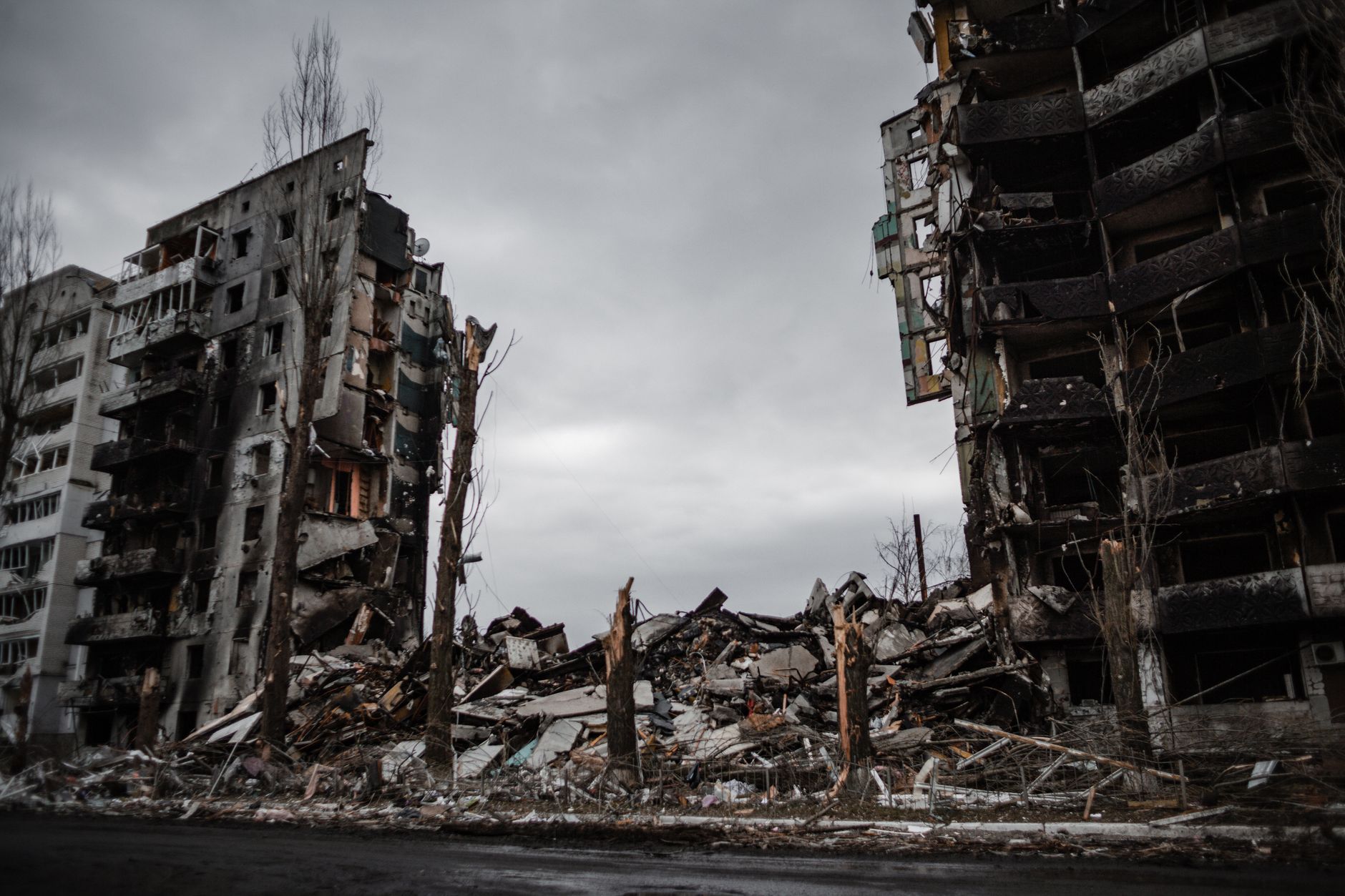
- The capital city of Kyiv bore the brunt of these attacks, with falling debris from intercepted missiles causing widespread damage, including to residential buildings and critical infrastructure, demonstrating the constant threat faced by urban centers.
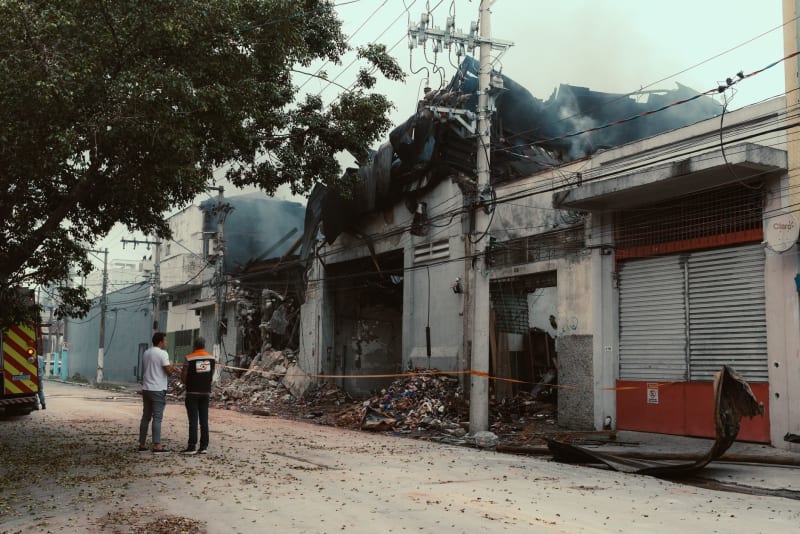
- Energy infrastructure was a primary target, with facilities in multiple regions, including Kharkiv and Zaporizhzhia, sustaining severe damage, leading to power outages and further destabilizing essential services for millions of Ukrainians.
- President Volodymyr Zelenskyy has issued an urgent plea to international allies, emphasizing the critical need for advanced air defense systems to protect Ukrainian skies and prevent further civilian casualties and infrastructural devastation.
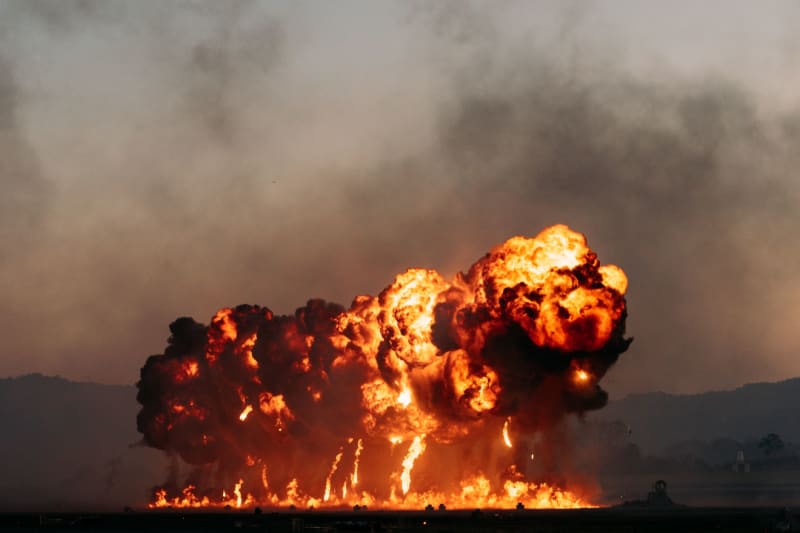
- The attacks involved a complex combination of ballistic missiles, cruise missiles, and Shahed-type drones, showcasing Russia's sophisticated and multi-pronged approach to overwhelming Ukraine's defensive capabilities.
- These recent barrages are part of a broader pattern of intensified Russian aggression, particularly targeting energy grids and civilian areas, aimed at breaking Ukrainian morale and disrupting the country's economic and social stability.
The Human Face
The latest wave of Russian missile and drone attacks has ripped through the fabric of Ukrainian communities, leaving a trail of devastation and profound human suffering. In Kyiv, the capital, residents awoke to the terrifying sounds of explosions as debris from intercepted projectiles rained down, shattering windows, igniting fires, and damaging homes. The sheer randomness of these attacks means that ordinary citizens, going about their daily lives, are suddenly thrust into a fight for survival, their sense of security irrevocably broken. This constant threat of aerial assault forces millions to live in a perpetual state of anxiety, with air raid sirens becoming a grim soundtrack to their existence, underscoring the severe psychological toll of the conflict.
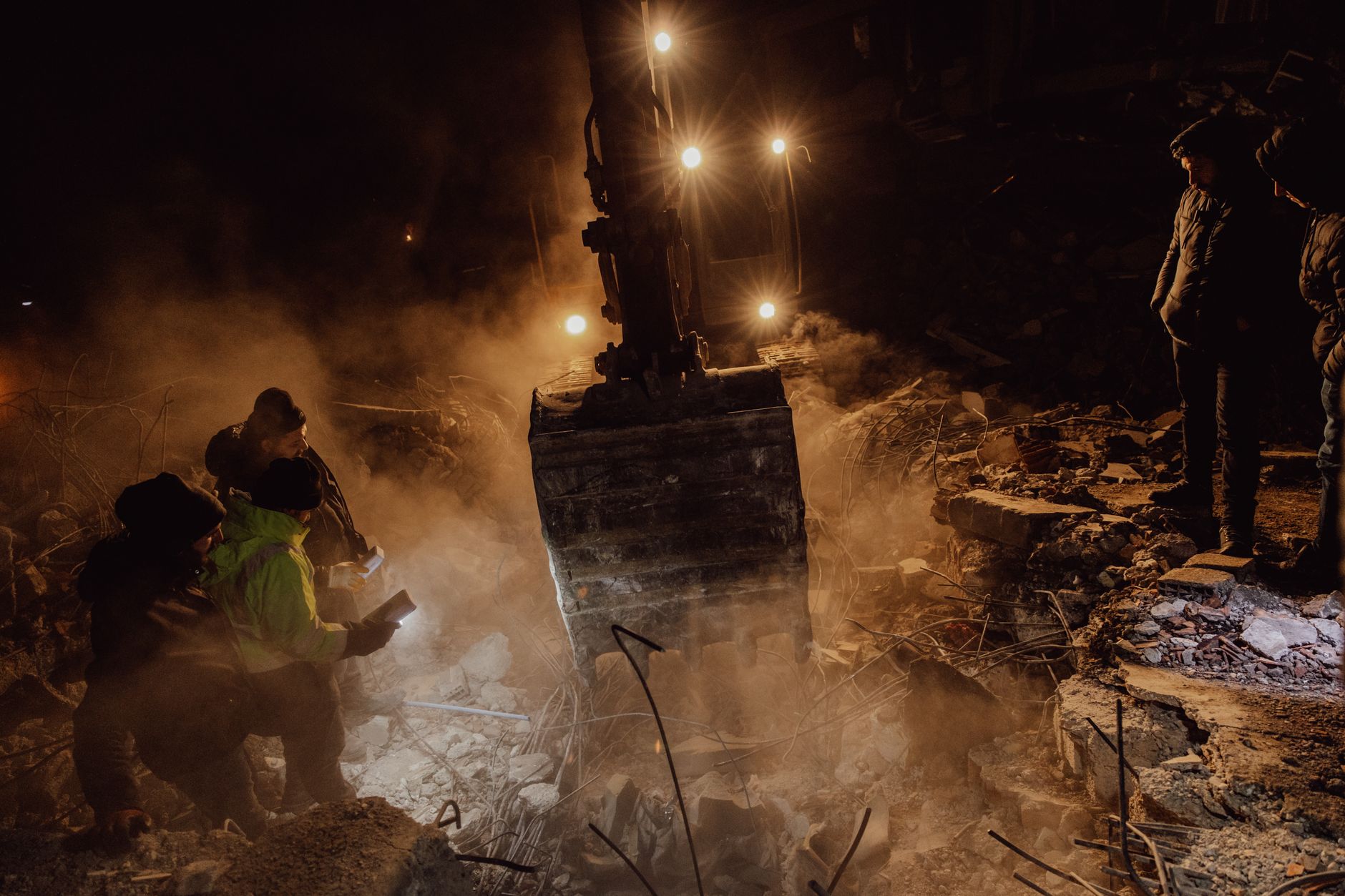
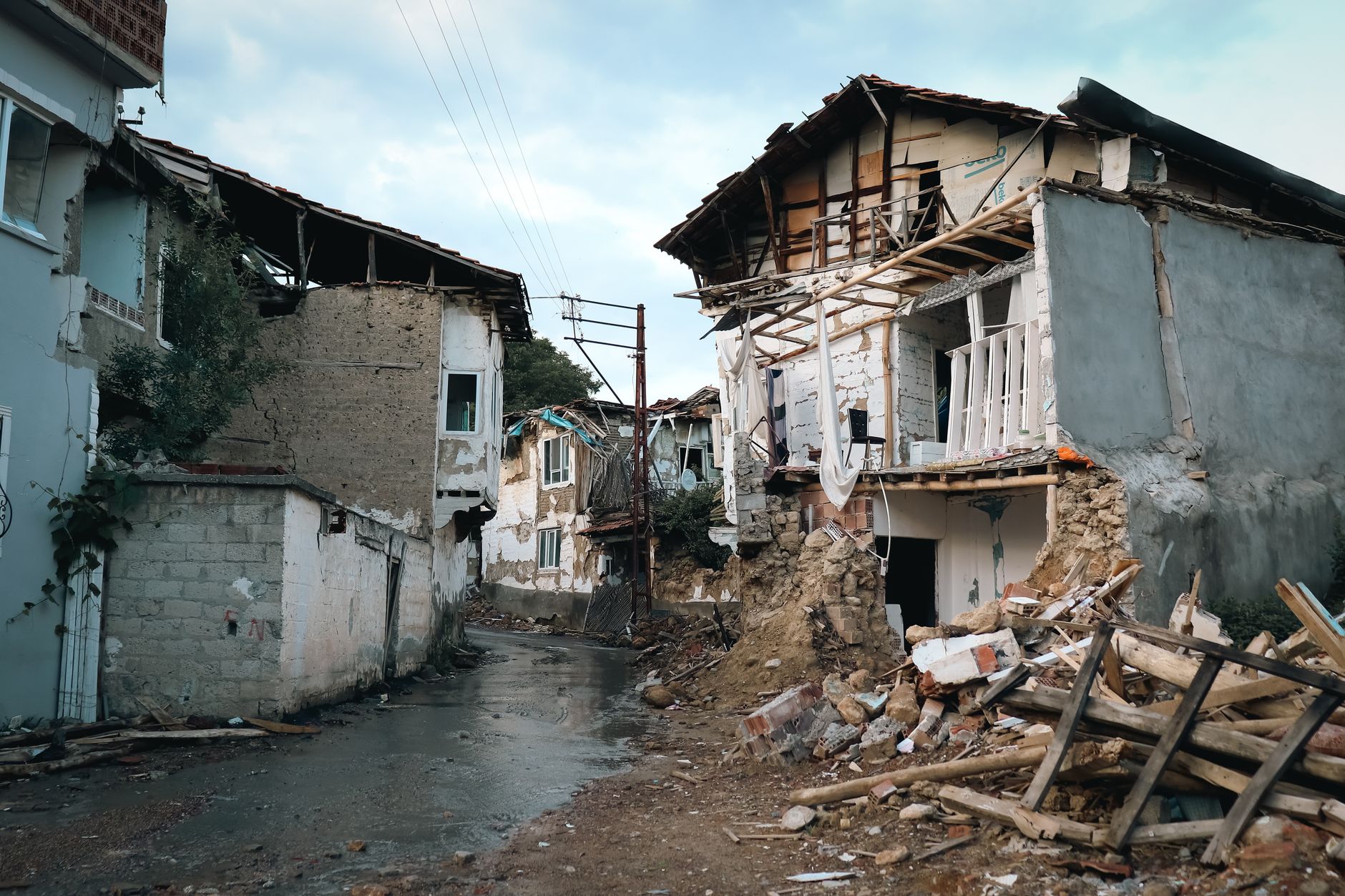
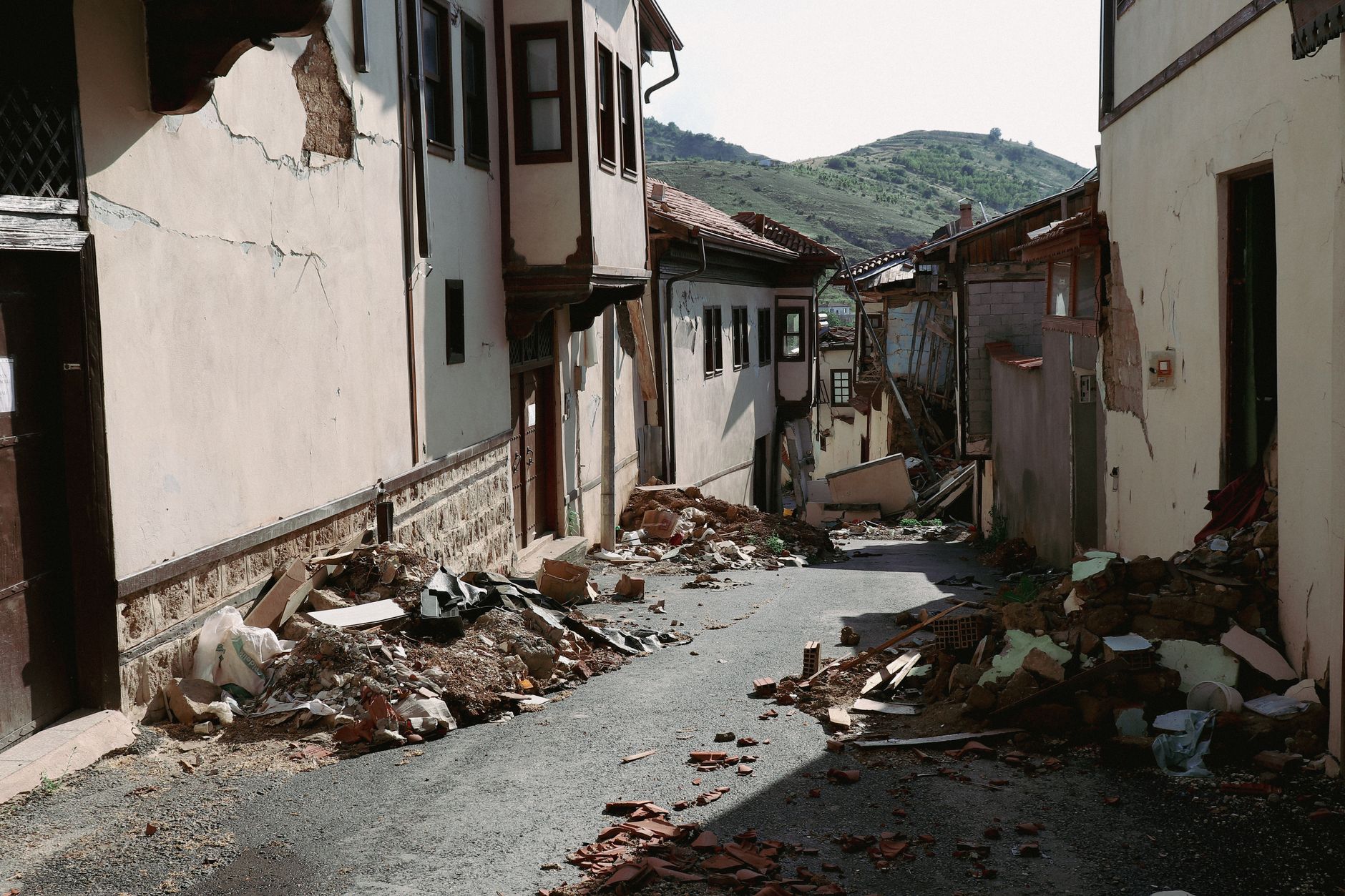
Beyond the immediate casualties—at least eight lives tragically lost in this latest barrage—the attacks inflict long-term trauma on survivors and communities. Families are displaced, their homes reduced to rubble, and their livelihoods destroyed. Children witness horrors no child should ever see, impacting their development and mental health for years to come. The destruction of critical infrastructure, particularly energy facilities, plunges entire regions into darkness and cold, exacerbating humanitarian crises and making daily life an arduous struggle. These are not merely statistics; they are individual stories of loss, resilience, and an unwavering determination to rebuild amidst relentless aggression.
The human cost extends far beyond the physical damage. The constant need for shelter, the disruption of education, and the severe strain on healthcare systems create a cascading effect that undermines societal stability. Each attack serves as a stark reminder of the brutal reality of war, compelling international observers to recognize the urgent need for sustained humanitarian aid and robust support for Ukraine's defense. The resilience of the Ukrainian people, who continue to show immense courage in the face of such adversity, is both inspiring and heartbreaking, highlighting the profound human spirit that refuses to be extinguished by terror.
How We Got Here
The current surge in Russian missile and drone attacks represents a continuation of a deliberate strategy employed by Moscow since the full-scale invasion began in February 2022. Initially, Russia aimed for a swift military victory, but encountering fierce Ukrainian resistance, its tactics shifted towards a war of attrition. This included systematically targeting Ukraine's critical infrastructure, particularly its energy grid, during the colder months, in an attempt to break the will of the Ukrainian people and cripple the country's ability to sustain its defense and economy. These actions are a clear violation of international humanitarian law, which prohibits attacks on civilian infrastructure not directly contributing to military efforts.
Over the past year, Russia has refined its methods, utilizing a diverse arsenal including Iranian-made Shahed drones, various cruise missiles, and increasingly, ballistic missiles. This multi-layered approach is designed to overwhelm Ukraine's air defense systems, which, despite significant Western aid, remain stretched thin across a vast territory. The targeting of energy facilities in cities like Kharkiv and Zaporizhzhia is not random; these are strategic strikes aimed at disrupting power supply to military and civilian populations alike, creating widespread chaos and undermining the government's capacity to function effectively. The attacks also serve a psychological purpose, sowing fear and demonstrating Russia's continued capability to strike deep within Ukrainian territory.
The international community has responded with condemnation and pledges of support, but the delivery of advanced air defense systems has often been slower than the pace of Russian aggression. This gap in defensive capabilities has allowed Russia to continue its destructive campaign, leading to the tragic loss of life and extensive damage witnessed in recent days. The ongoing debates and delays in providing comprehensive military aid, particularly from key Western allies, have inadvertently created windows of opportunity for Russia to intensify its aerial bombardments, exacerbating the humanitarian crisis and prolonging the conflict. The current situation is a direct consequence of both Russia's unwavering aggression and the fluctuating speed of international assistance.
Why This Cannot Be Ignored
The relentless Russian missile and drone attacks on Ukraine are not merely localized incidents; they represent a profound challenge to global security and international law. By systematically targeting civilian infrastructure and population centers, Russia is openly flouting the principles of humanitarian conduct in warfare, setting a dangerous precedent for future conflicts. Allowing such aggression to continue unchecked sends a clear message that powerful nations can disregard international norms with impunity, potentially emboldening other authoritarian regimes to pursue similar tactics. The erosion of these fundamental principles threatens the stability of the entire international order, making it imperative for global powers to act decisively.
Beyond the immediate humanitarian catastrophe unfolding in Ukraine, the attacks have far-reaching implications for global energy markets and food security. The destruction of energy infrastructure in Ukraine not only destabilizes the country but also contributes to broader energy price volatility, affecting economies worldwide. Furthermore, Ukraine is a critical global breadbasket, and the ongoing conflict, exacerbated by these destructive attacks, disrupts agricultural production and exports, contributing to food insecurity in vulnerable regions across the globe. The ripple effects of this conflict extend far beyond its borders, impacting the daily lives and economic stability of millions who may feel geographically distant from the war zone.
Ignoring these attacks would also have severe geopolitical consequences, potentially signaling a weakening of resolve among democratic nations to defend shared values and protect sovereign states from aggression. The credibility of alliances like NATO and the efficacy of international bodies are tested with each new barrage. A failure to provide Ukraine with the necessary tools for self-defense, particularly advanced air defense systems, could be interpreted as tacit acceptance of Russia's expansionist ambitions. This would not only betray the trust of an allied nation but also risk a wider destabilization of Eastern Europe, with unpredictable and potentially catastrophic outcomes for regional and global peace.
Possible Paths Forward
One of the most immediate and critical paths forward involves a significant and rapid acceleration of military aid to Ukraine, specifically focusing on advanced air defense systems. Countries possessing systems like Patriot, NASAMS, or SAMP/T must prioritize their delivery to Ukraine, even if it means temporary adjustments to their own defense postures. This includes not only the launchers but also a consistent supply of interceptor missiles, which are currently in high demand. Furthermore, training programs for Ukrainian personnel on these complex systems need to be expanded and expedited to ensure their effective deployment. This decisive action would directly counter Russia's aerial superiority and protect civilian lives and critical infrastructure more effectively.
Another crucial avenue is the intensification of international diplomatic pressure and sanctions against Russia. While existing sanctions have had an impact, there is scope for further tightening, particularly targeting sectors that continue to fund Russia's war machine, such as its remaining energy exports and access to critical technologies. Diplomatic efforts should focus on rallying a broader coalition of nations to condemn Russia's actions and isolate it further on the global stage. This could involve pushing for stronger resolutions in international bodies and exploring avenues for holding Russian leadership accountable for war crimes, thereby increasing the political and economic cost of continued aggression.
Long-term strategies must also focus on bolstering Ukraine's self-sufficiency and resilience. This includes significant investment in rebuilding and modernizing Ukraine's domestic defense industry, reducing its reliance on external aid over time. Furthermore, international support for Ukraine's economic recovery and integration into European structures will be vital for its post-war stability. This involves not only financial assistance but also technical expertise and political commitment to ensure Ukraine emerges stronger and more secure. A comprehensive approach that combines immediate defensive capabilities with sustained economic and political backing offers the most robust path towards a lasting peace and stability in the region.
Questions People Are Actually Asking
What to Watch
- The speed and volume of Western air defense system deliveries: Keep a close eye on announcements from the U.S., Germany, and other European nations regarding new shipments of Patriot, NASAMS, or SAMP/T systems, as these are crucial for protecting Ukrainian cities and infrastructure.
- The impact of continued attacks on Ukraine's energy grid: Monitor reports on power outages, repair efforts, and the resilience of Ukraine's energy infrastructure, especially as temperatures fluctuate, which will indicate the success of Russia's strategy to destabilize the country.
- Changes in Russia's targeting strategy: Observe if Russia shifts its focus from energy infrastructure to other critical targets, such as transportation hubs, communication networks, or military production facilities, which could signal an evolution in their war aims.
- The humanitarian situation in affected regions: Track reports from humanitarian organizations on civilian casualties, displacement, and access to essential services in areas hit by missile and drone strikes, as this will highlight the ongoing human cost of the conflict.
- International diplomatic efforts and sanctions: Watch for any new rounds of sanctions against Russia or significant diplomatic initiatives aimed at de-escalation or peace negotiations, as these could alter the geopolitical landscape of the conflict.
- Ukraine's counter-offensive capabilities: Monitor how these sustained attacks affect Ukraine's ability to conduct offensive operations and maintain its defensive lines, as a weakened home front could significantly impact its military effectiveness.











Comments
No comments yet. Be the first to comment!