
At a Glance
- A powerful 7.2 magnitude earthquake struck Venezuela's northern coast, causing widespread devastation and triggering immediate international concern across the globe.
- The confirmed death toll has tragically risen to 235, with emergency services still sifting through rubble, indicating the final count could unfortunately be much higher.
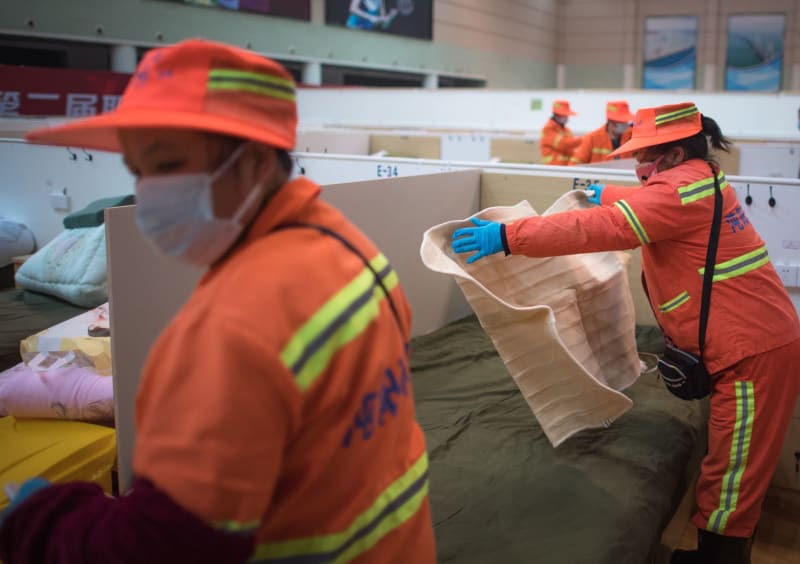
- Thousands of individuals have been injured, and an estimated 50,000 people are now displaced, facing critical shortages of shelter, food, and medical supplies in the affected regions.
- Over two dozen countries and international organizations have pledged or dispatched aid, including search-and-rescue teams, medical personnel, and essential humanitarian provisions.
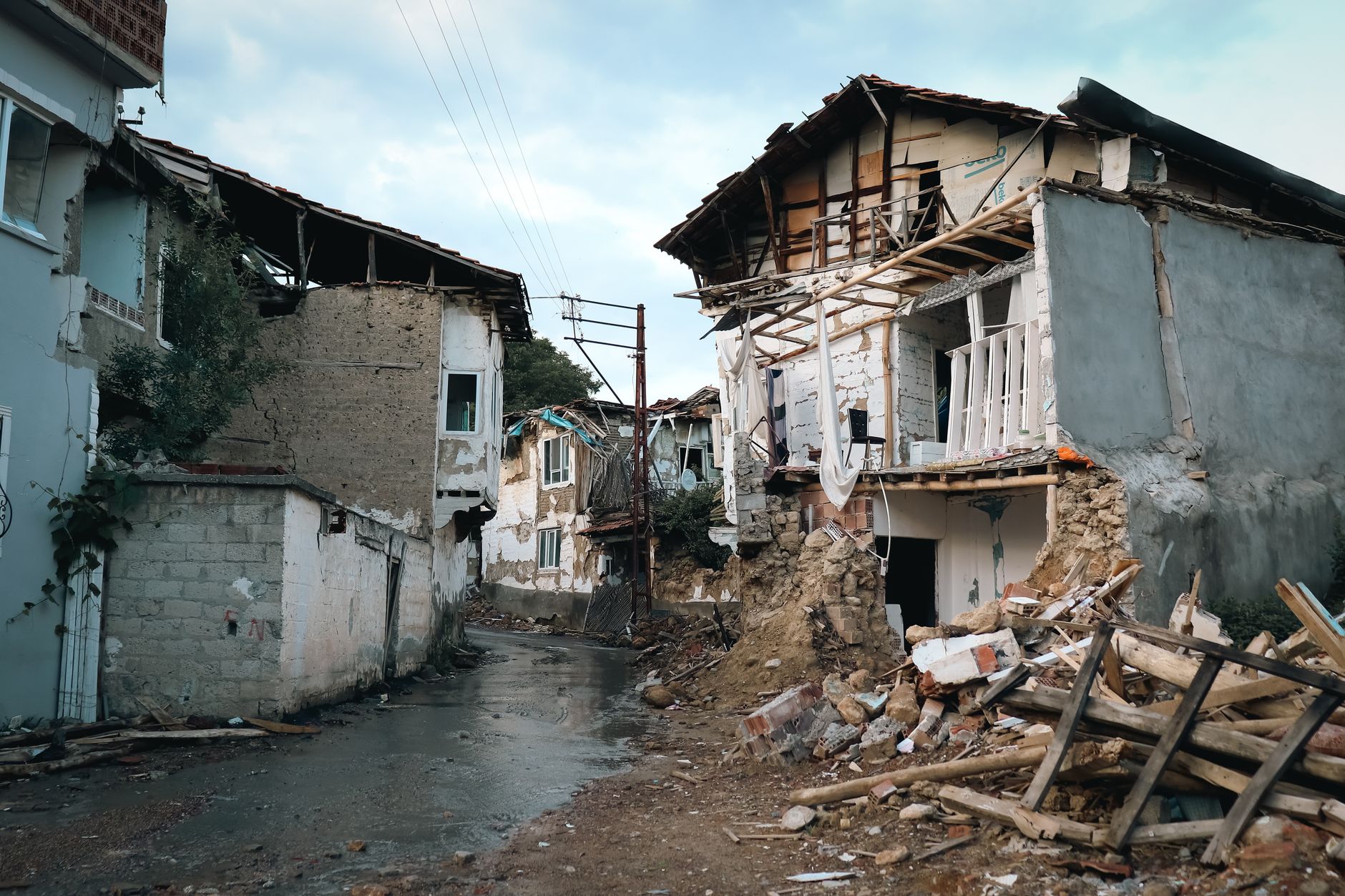
- Infrastructure damage is extensive, with numerous buildings collapsed, roads impassable, and critical services like electricity and water severely disrupted, complicating rescue efforts significantly.
- The Venezuelan government has declared a national state of emergency, appealing for global assistance and coordinating response efforts amidst the overwhelming scale of the disaster.
The Record
The devastating 7.2 magnitude earthquake struck Venezuela's northern coast at approximately 2:30 AM local time, catching most residents in their sleep and amplifying the immediate chaos. Initial reports from local authorities indicated significant structural damage across several states, particularly in Caracas, Miranda, and Vargas, where multi-story buildings crumbled and critical infrastructure failed. Within hours, hospitals were overwhelmed with casualties, and the true scale of the catastrophe began to emerge as dawn broke, revealing widespread destruction and untold suffering. The government swiftly mobilized its emergency services, but the sheer force of the quake and its broad impact zone presented an immediate, insurmountable challenge.
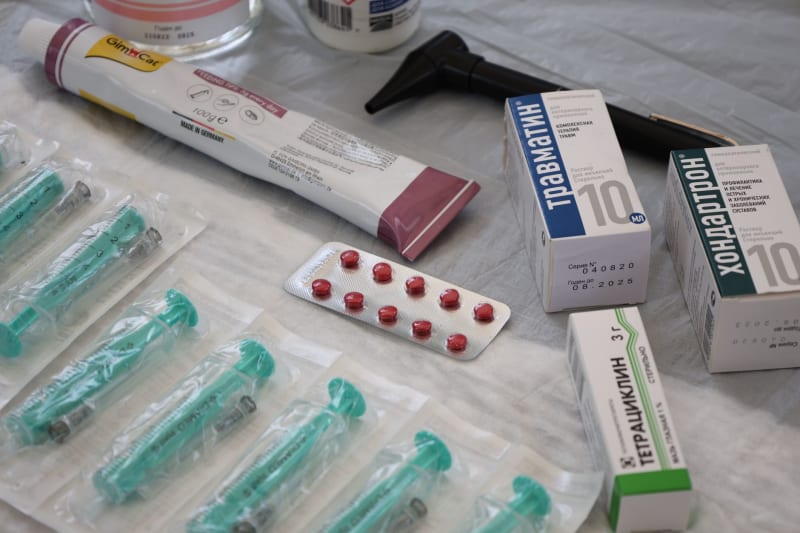
In the immediate aftermath, the international community responded with remarkable speed and solidarity. Offers of assistance poured in from neighboring countries and distant allies alike. Search-and-rescue teams from Mexico, Colombia, and the United States were among the first to arrive, bringing specialized equipment and expertise crucial for locating survivors trapped beneath tons of debris. The United Nations and various non-governmental organizations quickly launched appeals for humanitarian aid, highlighting the urgent need for medical supplies, temporary shelters, clean water, and food for the thousands displaced. This global outpouring of support underscored the gravity of the situation and the collective human response to such immense tragedy.
However, the logistical challenges of delivering aid across damaged terrain and navigating the country's complex political landscape have proven substantial. While the government has pledged full cooperation, the sheer volume of aid required and the destroyed infrastructure have created bottlenecks. Reports from ground zero describe desperate conditions, with communities cut off and struggling to access basic necessities. The long-term recovery effort is anticipated to be monumental, requiring sustained international commitment and robust internal coordination to rebuild homes, restore livelihoods, and provide psychological support to a population traumatized by the sudden and violent loss.
Who Knew and When
Venezuela lies within a seismically active zone, specifically near the Caribbean Plate boundary, making it inherently prone to earthquakes. Geologists and seismologists have long identified this region as high-risk, with numerous fault lines crisscrossing the country. Public awareness campaigns and building codes have historically been in place to mitigate potential damage, though the enforcement and modernization of these codes have varied over time. While no specific prediction for this exact earthquake was possible, the general understanding of seismic vulnerability in the region has been a constant for decades, informing preparedness strategies to varying degrees.
Prior to the recent catastrophe, there had been several smaller tremors reported in the months leading up to the main event, which, while not direct precursors in a predictive sense, served as reminders of the region's geological instability. These minor quakes often prompt renewed discussions among experts about seismic readiness and the integrity of existing infrastructure. However, the sheer magnitude of this particular earthquake, a 7.2 on the Richter scale, far exceeded the intensity of recent seismic events, overwhelming even moderately prepared systems and highlighting the critical need for more robust, earthquake-resistant construction and rapid response mechanisms.
Despite the known risks, the scale of destruction suggests that preparedness measures, particularly in older or less-regulated constructions, may have been insufficient. Urban planning and infrastructure development in some areas have not always fully integrated the highest seismic safety standards, a common challenge in many developing nations. This event serves as a stark reminder that while geological risks are constant, human preparedness and investment in resilient infrastructure are critical variables in determining the ultimate impact of such natural disasters. The question now shifts from 'who knew' to 'what was done with that knowledge' and 'what must be done differently going forward' to protect vulnerable populations.
Voices from the Ground
"I was asleep when the shaking started, and it felt like the world was tearing itself apart," recounted Maria Rodriguez, a 52-year-old mother of three from Caracas, her voice trembling. "My apartment building swayed violently, and then the walls just began to crack and crumble. We barely made it out alive, running into the street in our pajamas, watching our homes turn to dust. Now, we have nothing. No home, no clothes, just the clothes on our backs and the terrifying memories. The fear, it's still with us, every aftershock brings it all back." Her testimony reflects the profound trauma experienced by countless survivors, grappling with sudden displacement and loss.
An international aid worker, Dr. Alistair Finch from Doctors Without Borders, described the grim reality on the ground: "The medical facilities are stretched beyond their limits. We're seeing severe crush injuries, fractures, and deep lacerations, alongside a growing number of people suffering from shock and dehydration. Access to clean water and sanitation is a major concern, raising fears of disease outbreaks in the makeshift camps. The resilience of the Venezuelan people is incredible, but they are utterly overwhelmed. Every day is a race against time to provide essential care and prevent further loss of life, especially among children and the elderly who are most vulnerable." His observations highlight the critical humanitarian needs.
Juan Pablo, a local volunteer coordinating relief efforts in La Guaira, spoke of the community's spirit amidst the devastation. "We've lost so much, but we haven't lost hope. Neighbors are helping neighbors, sharing what little they have, digging through rubble with their bare hands. The international teams are a godsend, but the scale of this disaster is immense. We need more resources, more hands, more everything. Our people are strong, but this is a test unlike any we've faced before. We just pray for continued support, not just for rescue, but for the long, arduous road to recovery that lies ahead for all of us." His words underscore both the local fortitude and the desperate need for sustained external assistance.
The Debate
The immediate aftermath of the Venezuelan earthquake has ignited a critical debate surrounding the efficacy and coordination of international aid. While the global response has been swift and generous, questions are emerging about the most effective channels for delivery and distribution, particularly given Venezuela's complex political landscape and existing infrastructure challenges. Some argue that direct aid through international NGOs is paramount to ensure it reaches those most in need without political interference, while others emphasize the necessity of working closely with the Venezuelan government to maintain sovereignty and streamline logistics. This tension highlights the delicate balance between humanitarian imperatives and geopolitical realities, complicating an already dire situation.
Another significant point of contention revolves around Venezuela's long-term disaster preparedness and infrastructure resilience. Critics point to years of underinvestment in public infrastructure and lax enforcement of building codes as contributing factors to the catastrophic scale of damage. They argue that while natural disasters are unavoidable, the human toll is often exacerbated by systemic failures in governance and planning. Conversely, government proponents emphasize the unprecedented magnitude of the earthquake and the difficulty of preparing for such a rare, powerful event, citing existing economic challenges that have limited extensive infrastructure upgrades. This debate is crucial for shaping future policy and investment in disaster mitigation.
Furthermore, discussions are intensifying about the role of international sanctions in hindering the country's ability to respond effectively to such a crisis. Advocates for easing sanctions argue that they impede the flow of essential goods, including construction materials and medical supplies, necessary for both immediate relief and long-term reconstruction. Opponents, however, maintain that sanctions are targeted and do not prevent humanitarian aid, placing the onus on the Venezuelan government to ensure transparent and efficient distribution. This complex interplay of sanctions, aid, and political will adds another layer of difficulty to an already overwhelming humanitarian challenge, demanding careful consideration from all stakeholders.
Your Questions Answered
What Accountability Looks Like
Accountability in the wake of such a devastating natural disaster primarily falls on the national government to ensure a transparent, efficient, and equitable response. This includes the effective coordination of international aid, ensuring that resources reach the most vulnerable populations without diversion. Furthermore, the government is responsible for conducting thorough assessments of structural failures, investigating whether building codes were adhered to, and holding negligent parties accountable. Public trust hinges on demonstrating a clear commitment to relief efforts and a robust plan for long-term recovery, ensuring that the suffering of its citizens is met with decisive and responsible action.
Beyond immediate relief, accountability extends to the long-term commitment to rebuilding and strengthening infrastructure. This means not just replacing what was lost, but building back better, incorporating advanced seismic safety standards into all new construction and undertaking retrofitting projects for existing vulnerable structures. It also involves investing in early warning systems, comprehensive disaster preparedness education for the public, and training for emergency responders. International partners also bear a degree of accountability to ensure that their aid is delivered effectively and sustainably, working collaboratively with local authorities while maintaining oversight to prevent misuse of funds.
Ultimately, accountability for the Venezuelan earthquake's aftermath is a shared burden, but the primary responsibility rests with the national leadership to protect its citizens and facilitate their recovery. This disaster presents a critical juncture for the government to demonstrate its capacity for crisis management, its commitment to public safety, and its willingness to engage openly with both its own people and the international community. The measure of this accountability will be seen not just in the immediate rescue efforts, but in the resilience of the communities rebuilt and the safety of the infrastructure that rises from the rubble, ensuring such a catastrophic toll is never repeated.









Comments
No comments yet. Be the first to comment!