
The Numbers
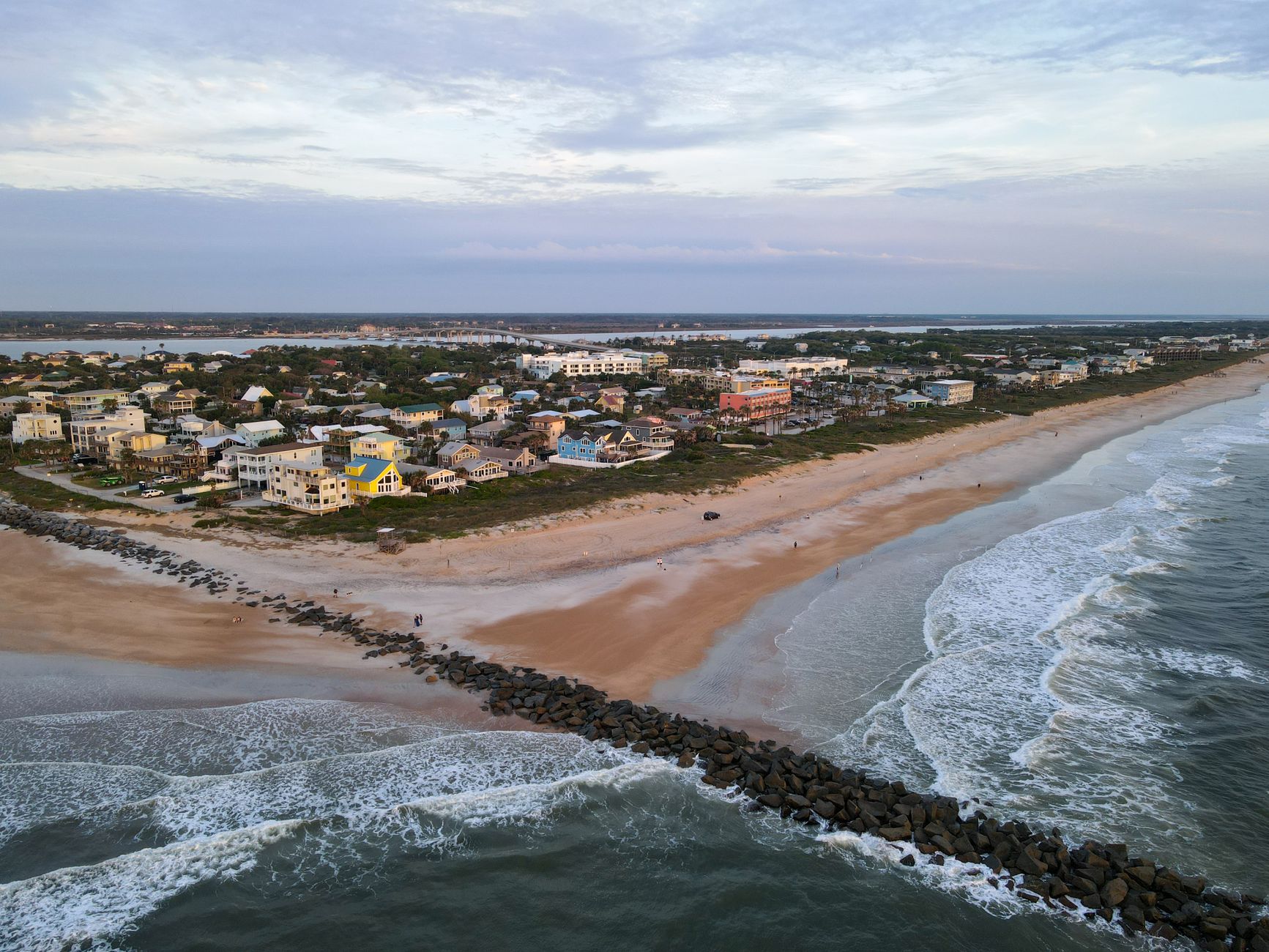
- At least five individuals, including three children, tragically lost their lives in a Ukrainian drone attack on a beach in Sevastopol, a major port city in Russian-occupied Crimea.
- Over 100 people sustained injuries in the same incident, highlighting the devastating impact of such strikes on civilian populations and public spaces.
- Russia's Ministry of Defense reported that four of the five drones launched by Ukraine were intercepted by air defense systems, with the fifth veering off course due to electronic warfare measures.
- The intercepted drone's warhead detonated in mid-air, scattering shrapnel and causing widespread casualties among beachgoers enjoying a Sunday afternoon.
- In a retaliatory move, Russia launched a missile attack on Kyiv and surrounding regions, resulting in at least one death and multiple injuries, demonstrating the immediate and deadly cycle of escalation.
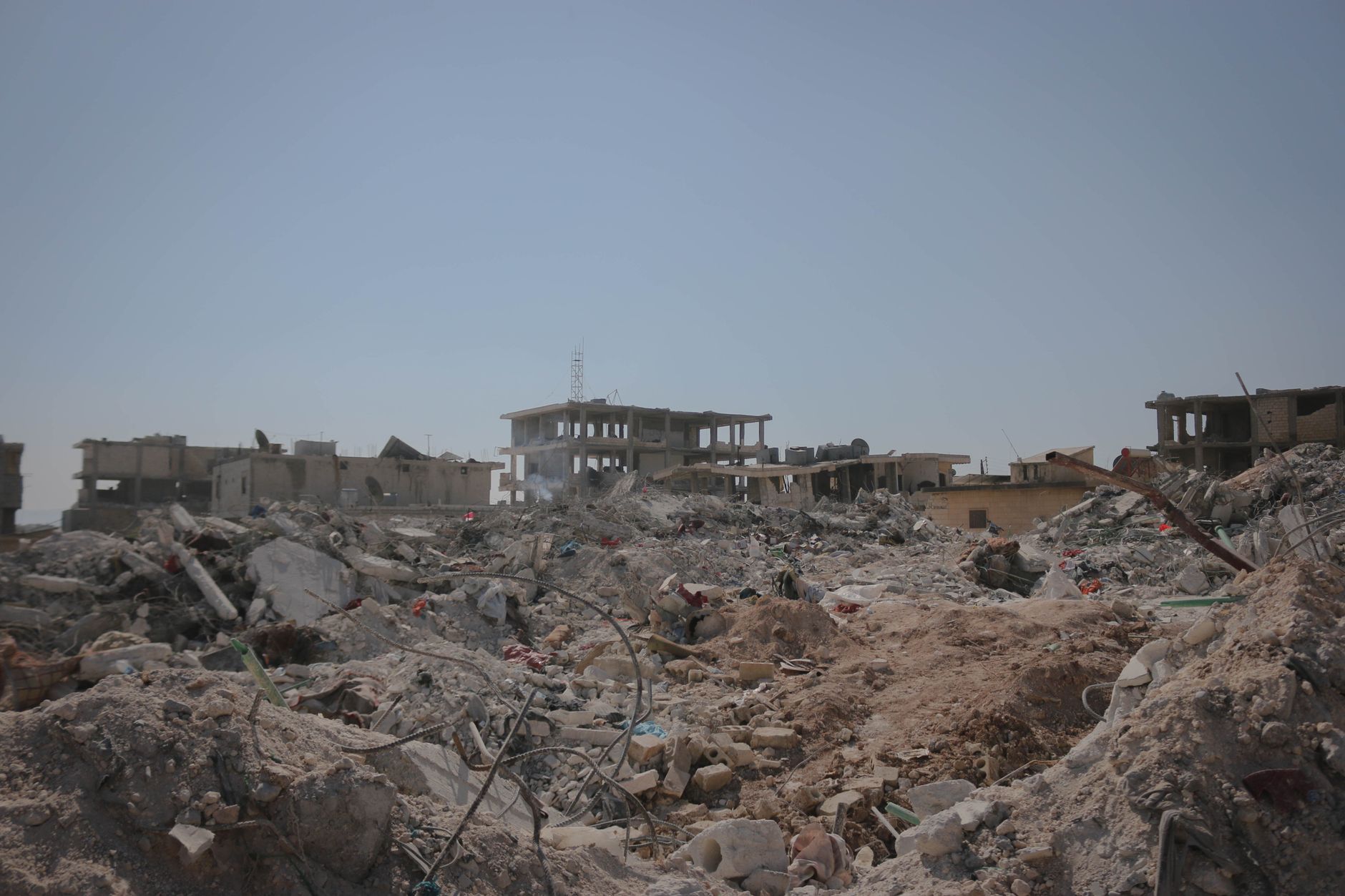
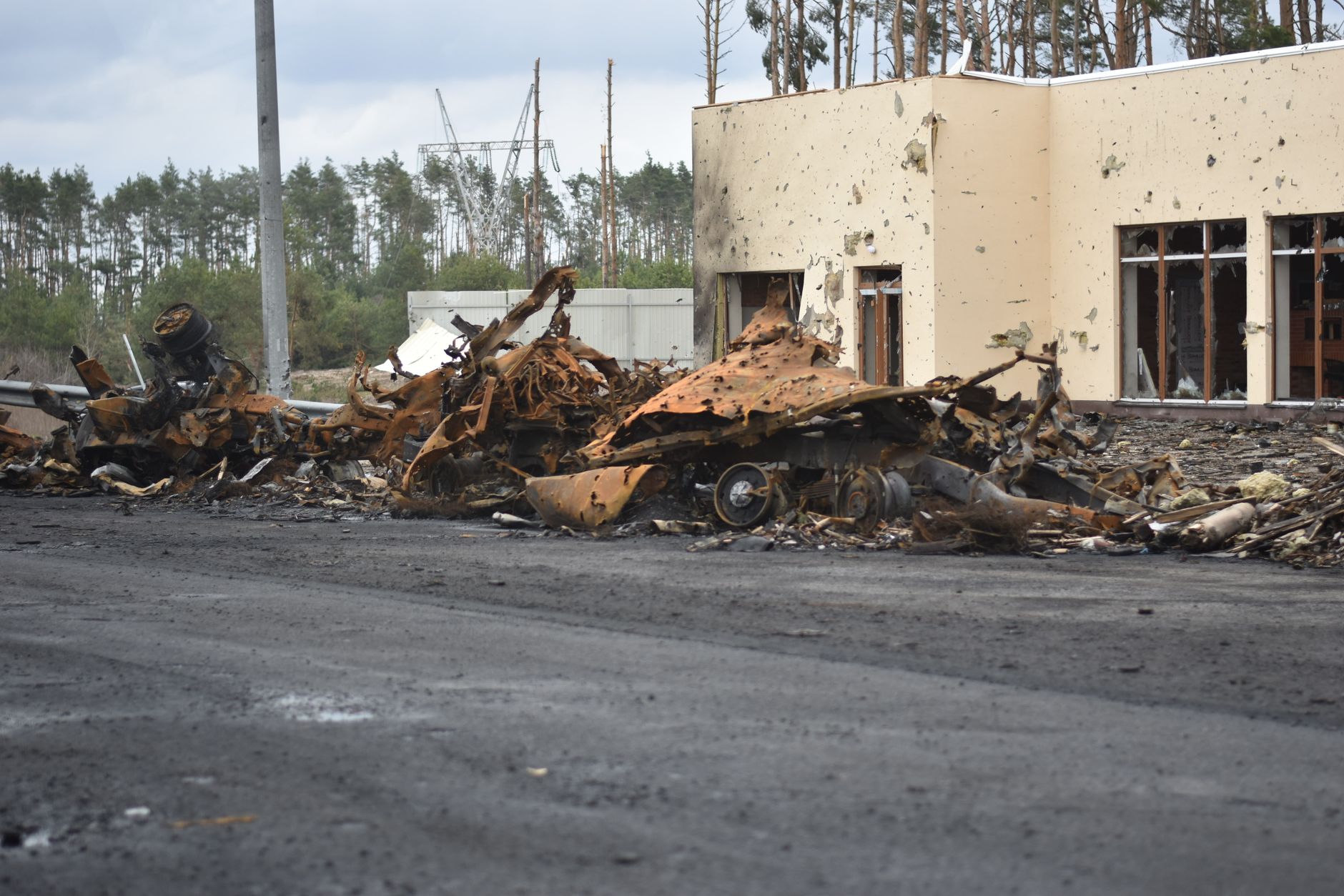
- Ukrainian officials confirmed that two people were killed and 18 injured in the Russian strikes, with significant damage reported to civilian infrastructure and residential buildings.
- The recent exchanges represent a significant uptick in the intensity and frequency of cross-border attacks, pushing casualty figures higher on both sides and exacerbating humanitarian concerns.
Context Check
The recent drone strike on a beach in Sevastopol, a city in Russian-occupied Crimea, represents a significant and alarming escalation in the ongoing conflict. This incident is particularly notable because it directly targeted a civilian recreational area, leading to a tragic loss of life and numerous injuries among innocent beachgoers. While both sides have engaged in cross-border attacks throughout the war, strikes on areas frequented by civilians, especially during leisure hours, mark a dangerous shift in the nature of hostilities. The use of drones, which can be difficult to detect and intercept, adds another layer of complexity and risk to these urban environments.
This attack occurs within a broader context of intensified warfare, where both Russia and Ukraine have increasingly relied on long-range weapons, including drones and missiles, to strike targets deep within enemy territory. Ukraine's strategy often involves targeting military infrastructure, logistics hubs, and command centers in Russian-held areas, including Crimea, which Kyiv views as illegally occupied. Conversely, Russia has consistently launched missile and drone attacks against Ukrainian cities, often hitting critical infrastructure and residential areas, leading to widespread destruction and civilian casualties. This tit-for-tat dynamic creates a volatile environment where each strike often provokes a swift and often more severe retaliation.
The international community has largely condemned attacks on civilian targets, regardless of the perpetrator, emphasizing the importance of adhering to international humanitarian law. However, the attribution of responsibility and the precise circumstances of each incident often become points of contention, further complicating efforts to de-escalate. The strike on Sevastopol, with its immediate and visible civilian impact, is likely to draw strong condemnation and could potentially fuel calls for greater international intervention or stricter adherence to conflict regulations. Understanding this context is crucial for grasping the severe implications of these escalating cross-border exchanges.
Background
The conflict between Russia and Ukraine, which began in earnest with Russia's full-scale invasion in February 2022, has seen a gradual but consistent escalation in the types and targets of weaponry employed. Initially, much of the fighting was concentrated on front lines in eastern and southern Ukraine. However, as the war progressed, both sides developed and deployed advanced drone capabilities and long-range missile systems, enabling them to strike targets far beyond the immediate battlefields. This strategic shift was driven by a desire to disrupt enemy logistics, degrade military capabilities, and exert psychological pressure.
Crimea, annexed by Russia in 2014, has been a particularly contentious region. Ukraine views Crimea as sovereign Ukrainian territory under illegal Russian occupation and has repeatedly stated its intention to reclaim it. Consequently, Ukrainian forces have increasingly targeted Russian military assets and infrastructure in Crimea, including naval bases, airfields, and supply routes. These strikes are often conducted using drones and Western-supplied long-range missiles, such as ATACMS, which provide Ukraine with the necessary reach to hit targets deep within the peninsula. Russia, in turn, has fortified its defenses in Crimea, deploying advanced air defense systems to protect its strategic assets.
The recent drone attack on Sevastopol is not an isolated incident but rather part of a broader pattern of intensified cross-border hostilities. Just prior to this, Ukraine had launched a series of drone attacks on Russian oil refineries and military installations, while Russia continued its relentless bombardment of Ukrainian cities, including energy infrastructure and residential areas. This cycle of violence underscores a dangerous trend where both combatants are increasingly willing to expand the geographical scope of their attacks, often with tragic consequences for civilian populations. The international community watches with growing concern as the conflict shows no signs of de-escalation, instead spiraling into more destructive phases.
Winners and Losers
In the immediate aftermath of these escalating cross-border strikes, the most undeniable losers are the civilians caught in the crossfire. The tragic deaths and injuries of innocent beachgoers in Sevastopol, including children, and the casualties from Russian missile strikes in Kyiv, underscore the devastating human cost of this conflict. Families are torn apart, lives are irrevocably altered, and a pervasive sense of fear grips communities on both sides. Civilian populations are increasingly becoming direct or indirect targets, eroding any semblance of normalcy and safety, making their daily lives a constant struggle for survival amidst the violence.
From a strategic perspective, both Russia and Ukraine face significant challenges, making it difficult to declare clear 'winners.' Ukraine gains a propaganda victory by demonstrating its capability to strike deep into Russian-occupied territory, including Crimea, which is symbolically important. These strikes aim to disrupt Russian military operations, degrade their logistical capabilities, and maintain pressure on the Kremlin. However, such attacks also risk provoking severe retaliation, potentially leading to increased destruction and casualties within Ukraine. The strategic gains are often offset by the immediate and long-term consequences of an escalating conflict, including the immense strain on resources and infrastructure.
Russia, while condemning the Sevastopol attack as a 'terrorist act,' also faces a complex situation. While it can use the incident to rally domestic support and justify further retaliatory actions, the fact that a Ukrainian drone could penetrate its air defenses and cause such devastation in a heavily fortified area like Crimea highlights vulnerabilities. This incident challenges Russia's narrative of complete control and security in annexed territories. The cycle of retaliation also drains Russia's resources and further isolates it on the international stage. Ultimately, in a conflict marked by such brutal exchanges, the concept of a 'winner' becomes increasingly elusive, with both nations enduring immense suffering and strategic setbacks.
Analyst Perspectives
Military analysts widely agree that the drone strike on Sevastopol beach signifies a dangerous intensification of the conflict, pushing the boundaries of what constitutes acceptable targets. Dr. Evelyn Farkas, a former Deputy Assistant Secretary of Defense for Russia, Ukraine, and Eurasia, notes that "targeting civilian areas, even if inadvertently, escalates the moral and ethical dimensions of this war. It risks alienating international support and provides propaganda fodder for the opposing side, justifying further brutal retaliation." She emphasizes that while Ukraine aims to disrupt Russian military logistics and control in Crimea, the methods employed are increasingly fraught with peril for non-combatants.
Security expert Michael Kofman, a senior fellow at the Carnegie Endowment for International Peace, suggests that Ukraine's increasing use of drones and long-range missiles against targets in Crimea and mainland Russia is a strategic imperative designed to stretch Russian air defenses and create a sense of insecurity. "Ukraine is demonstrating its capability to project power beyond the front lines, forcing Russia to divert resources to defend its rear. This strategy, while militarily sound in some respects, inherently carries a higher risk of civilian casualties, especially when targets are in populated areas," Kofman explains. He points out that the effectiveness of electronic warfare in diverting drones, as claimed by Russia, also needs critical examination.
Furthermore, geopolitical strategists like Fiona Hill, a former senior director for European and Russian affairs on the National Security Council, warn that these escalating attacks could lead to a 'spiral of uncontrolled escalation.' Hill argues, "Both sides are locked into a retaliatory cycle, where each strike begets a more severe counter-strike. This makes de-escalation incredibly difficult and increases the likelihood of miscalculation, potentially drawing in other actors or leading to even more devastating weapon deployments." She stresses that without a diplomatic off-ramp, the conflict is destined to become more destructive, with civilians bearing the brunt of this unchecked aggression.

Key Questions Explained
The Outlook
The immediate outlook for the conflict is one of continued escalation, with both Russia and Ukraine demonstrating a clear intent to intensify their cross-border strikes. The tragic events in Sevastopol and Kyiv underscore a dangerous trend where civilian populations are increasingly vulnerable, either as direct targets or through collateral damage. This tit-for-tat dynamic creates a volatile environment where each attack is likely to provoke a swift and often more severe retaliation, further entrenching both sides in a cycle of violence that is difficult to break. Without a significant shift in strategy or a breakthrough in diplomatic efforts, the humanitarian toll is expected to rise.
Looking ahead, military analysts predict that Ukraine will continue to target Russian military assets and infrastructure in Crimea and other occupied territories, viewing these strikes as crucial for disrupting enemy logistics and maintaining pressure. Russia, in turn, will likely respond with sustained missile and drone campaigns against Ukrainian cities and critical infrastructure, aiming to degrade Ukraine's military capabilities and break its resolve. The development and deployment of more advanced drone technology and electronic warfare systems by both sides will further shape the nature of these attacks, potentially making them more precise but also increasing the risk of unintended civilian harm.
The international community faces a growing challenge in de-escalating this conflict. While condemnation of attacks on civilians is widespread, effective mechanisms for enforcing international humanitarian law and bringing parties to the negotiating table remain elusive. The prospect of a diplomatic resolution appears dim as long as both sides believe they can achieve their objectives through military means. Therefore, the outlook suggests a prolonged period of intense fighting, characterized by destructive cross-border exchanges, with profound and lasting consequences for the region and global security. The need for a concerted international effort to halt this dangerous trajectory has never been more critical.







Comments
No comments yet. Be the first to comment!