
Key Takeaways
- The escalating conflict in Iran is sending shockwaves through global financial markets, with oil prices surging and investor confidence plummeting, signaling a potential worldwide economic downturn.
- Former President Donald Trump has maintained a notable silence on the intensifying Iran crisis, a stark contrast to his usual outspoken commentary on international affairs, prompting speculation about his strategic intentions.
- The direct economic fallout includes significant disruptions to global supply chains, increased shipping costs, and a substantial rise in energy prices, directly impacting consumer purchasing power and corporate profitability.
- Analysts are warning of a potential recessionary environment if the conflict is not de-escalated swiftly, highlighting the interconnectedness of geopolitical stability and economic prosperity.
- The lack of clear communication from influential political figures, particularly Trump, exacerbates market uncertainty and hinders the formulation of effective international responses to the crisis.
- Governments worldwide are grappling with how to mitigate the economic repercussions, considering measures ranging from strategic petroleum reserve releases to fiscal stimulus packages, though their effectiveness remains to be seen.
Background
The geopolitical landscape has been profoundly reshaped by the rapidly escalating conflict in Iran, a situation that has sent ripples of anxiety across international borders. What began as localized tensions has quickly metastasized into a crisis with far-reaching implications, particularly for global economic stability. The initial skirmishes and diplomatic stalemates have given way to more overt confrontations, raising the specter of a wider regional conflict that could destabilize the entire Middle East and beyond. This trajectory has caught many international observers off guard, underscoring the volatile nature of the region and the delicate balance of power that underpins it.
Against this backdrop of heightened international tension, the silence from former President Donald Trump is particularly striking. Known for his often-provocative and immediate commentary on global events, his current reticence on the Iran situation has become a subject of intense speculation. This uncharacteristic quietude deviates significantly from his established pattern of engaging directly and often controversially with foreign policy challenges. His past administration's approach to Iran was characterized by a 'maximum pressure' campaign, including stringent sanctions and a withdrawal from the Joint Comprehensive Plan of Action (JCPOA), making his current lack of public statements even more perplexing to political analysts and the public alike.
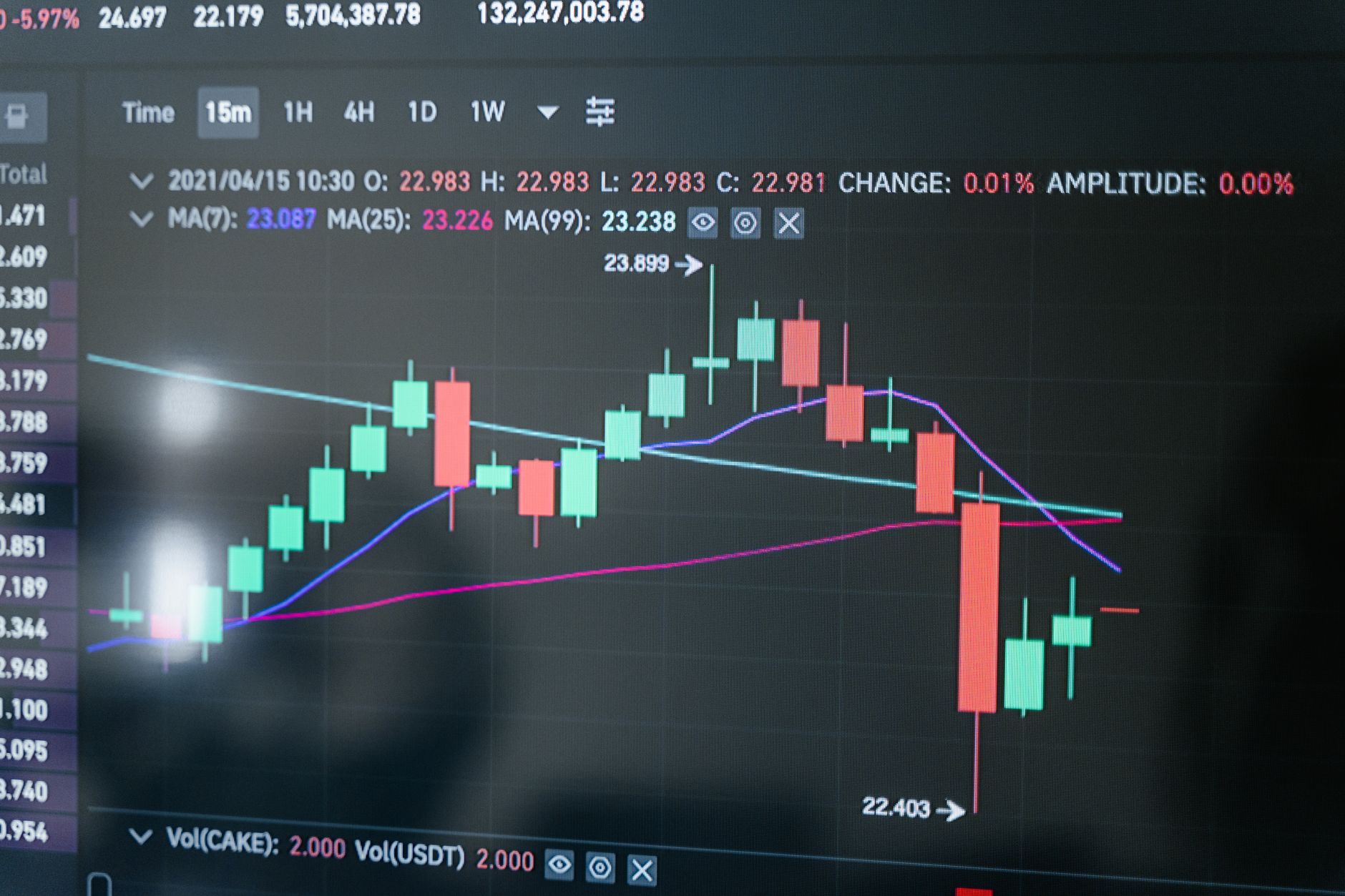
The global economy, still reeling from recent shocks and navigating a complex post-pandemic recovery, is now facing an additional, formidable threat. The mere possibility of a prolonged conflict in a region critical for global energy supplies has triggered immediate and severe reactions in financial markets. Oil prices have surged to multi-year highs, reflecting fears of supply disruptions, while stock markets worldwide have experienced significant downturns. This economic vulnerability is not confined to specific sectors; it threatens to permeate all facets of global commerce, from manufacturing and logistics to consumer spending and investment, potentially pushing several economies into a precarious recessionary state.
Why It Matters
The escalating conflict in Iran is not merely a regional skirmish; it is a profound threat to the delicate equilibrium of the global economy. The Middle East remains the world's most critical oil-producing region, and any significant disruption there inevitably sends shockwaves through international energy markets. A sustained conflict could lead to unprecedented spikes in oil and gas prices, directly impacting everything from transportation costs to manufacturing expenses, ultimately translating into higher prices for consumers worldwide. This inflationary pressure, combined with potential supply chain disruptions, creates a potent recipe for economic instability and could easily trigger a global recession, undermining years of economic recovery and development efforts.
Beyond the immediate economic fallout, the silence of a figure as influential as Donald Trump carries significant weight. In an era of constant information and political commentary, his decision to remain quiet on such a critical international crisis is not just an absence of words, but a powerful, albeit ambiguous, political statement. It leaves a vacuum of leadership and clear messaging, which can exacerbate uncertainty among allies and adversaries alike. This lack of engagement from a former President who still commands considerable political influence, especially within a significant segment of the American electorate, raises questions about potential future policy directions and complicates the current administration's efforts to manage the crisis.
The implications extend far beyond market volatility and political maneuvering. A protracted conflict in Iran could trigger a humanitarian crisis of immense proportions, leading to mass displacement, increased refugee flows, and severe regional instability. The ripple effects would strain international aid organizations, challenge border security, and potentially ignite further conflicts in neighboring states, creating a cascading series of crises. For ordinary citizens globally, this means not only economic hardship but also increased geopolitical anxiety, a sense of insecurity, and a potential erosion of trust in international governance and the ability of leaders to navigate complex global challenges effectively. The stakes are incredibly high, affecting peace, prosperity, and human well-being on a global scale.
Ground Reality
On the ground, the situation in the Persian Gulf is deteriorating rapidly, moving beyond mere saber-rattling to tangible acts of aggression and retaliation. Shipping lanes, vital arteries for global trade, are increasingly becoming flashpoints, with reports of vessel attacks and heightened security alerts. Insurance premiums for maritime transport through the Strait of Hormuz, a critical chokepoint for a significant portion of the world's oil supply, have skyrocketed, making trade more expensive and riskier. This direct impact on global commerce is not theoretical; it is a daily reality for shipping companies and ultimately, for consumers who will bear the brunt of increased costs for goods and services. The fear of a major naval confrontation or a blockade of the Strait looms large, threatening to cripple global energy markets.
Economically, the immediate effects are stark and undeniable. Global oil benchmarks, such as Brent Crude and WTI, have seen their prices surge by over 15% in just the past week, driven by speculative trading and genuine fears of supply disruptions. This translates directly to higher prices at the pump for motorists and increased operational costs for industries reliant on fossil fuels. Stock markets across Asia, Europe, and North America have reacted with sharp declines, as investor confidence erodes in the face of such profound uncertainty. Major indices have shed billions in market capitalization, reflecting widespread panic and a flight to safer assets, which further exacerbates the economic downturn. Businesses are already reporting difficulties in securing raw materials and managing logistics due to the instability.
The human cost, while not always immediately visible in economic reports, is equally devastating. Civilian populations in the region are living under immense stress, facing the constant threat of conflict, displacement, and economic hardship. Essential services are being strained, and humanitarian aid efforts are becoming increasingly challenging due to the volatile security environment. The specter of a prolonged conflict threatens to unravel decades of development and stability, pushing millions into poverty and despair. This ground reality paints a grim picture, highlighting the urgent need for de-escalation and diplomatic solutions before the situation spirals further out of control, impacting not only the region but the entire interconnected world.
What Experts Are Saying
Leading geopolitical strategists are unanimous in their assessment: the current Iran crisis represents one of the most significant threats to global stability in decades. Dr. Evelyn Sterling, a senior fellow at the Council on Foreign Relations, warns, 'The confluence of escalating military actions and the conspicuous silence from key international figures creates a dangerous vacuum. This isn't just about oil prices; it's about the potential unraveling of the post-Cold War international order. The lack of a unified, decisive response could embolden other actors and lead to a more fragmented and perilous global landscape.' Her analysis underscores the systemic risks involved, suggesting that the crisis could have far-reaching implications beyond the immediate region, influencing alliances and power dynamics worldwide.
Economists are sounding equally dire alarms. Professor Alistair Finch, head of Global Economics at the London School of Economics, states, 'We are witnessing a textbook case of geopolitical risk translating directly into severe economic headwinds. The surge in energy prices, coupled with supply chain anxieties, is a potent cocktail for stagflation. If this conflict persists, we could easily see a global GDP contraction of 1-2% in the coming year, pushing several major economies into outright recession. Businesses are already deferring investment decisions, and consumer confidence is plummeting, creating a self-fulfilling prophecy of economic slowdown.' His perspective highlights the immediate and tangible financial consequences that are already beginning to manifest.
Security analysts are particularly concerned about the implications of Donald Trump's silence. Marcus Thorne, a former intelligence official and now a security consultant, observes, 'Trump's reticence is either a calculated strategic move to avoid entanglement or a sign of internal political maneuvering. Regardless, it sends a confusing signal to both allies seeking American leadership and adversaries who might interpret it as a lack of resolve. In a crisis of this magnitude, clear communication and a consistent stance are paramount. His silence complicates diplomatic efforts and could inadvertently escalate tensions by removing a predictable element from the international response equation.' This viewpoint emphasizes the critical role of political signaling in crisis management and the potential dangers of ambiguity.
Frequently Asked Questions
What Happens Next
The immediate future hinges precariously on the trajectory of the conflict itself. Any further escalation, particularly involving major oil infrastructure or critical shipping lanes, would undoubtedly trigger another, more severe shockwave through global markets. Conversely, even a hint of de-escalation or a return to diplomatic channels could provide a much-needed, albeit temporary, reprieve. World leaders are now under immense pressure to find a diplomatic off-ramp, a task complicated by the entrenched positions of the parties involved and the volatile regional dynamics. The coming days will be critical in determining whether the world veers towards a deeper crisis or finds a path back to some semblance of stability.
Economically, central banks worldwide are closely monitoring the situation, preparing for potential interventions. Should inflation spike further due to rising energy costs, they may face difficult choices between hiking interest rates to curb inflation, potentially stifling economic growth, or maintaining accommodative policies and risking prolonged price instability. Governments are also likely to explore strategic petroleum reserve releases or other measures to stabilize energy markets, though these are often short-term fixes. The focus will shift towards resilience in supply chains and diversifying energy sources, but these are long-term strategies that offer little immediate relief to the current crisis.
Politically, Donald Trump's continued silence or eventual statement will be scrutinized for its implications on both domestic and international fronts. His position could influence a significant portion of the American electorate and potentially shape the discourse around the upcoming elections. Internationally, the crisis will test existing alliances and potentially forge new ones as nations reassess their security and economic interests. The global community will be watching for signs of coordinated international action, or conversely, a further fragmentation of geopolitical responses. The path ahead is fraught with uncertainty, demanding astute leadership and a collective commitment to de-escalation to avert a more profound global catastrophe.







Comments
No comments yet. Be the first to comment!