
At a Glance
- CONMEBOL, the South American football confederation, has officially proposed an expanded 64-team World Cup for the 2030 tournament, marking a significant departure from current formats.
- This ambitious proposal aims to celebrate the centenary of the World Cup, which was first held in Uruguay in 1930, by hosting a truly global and inclusive event across multiple South American nations.
- The current World Cup format, set to expand to 48 teams in 2026, would be further stretched by this new proposal, raising questions about logistics, infrastructure, and player welfare.
- Key stakeholders, including FIFA and other continental confederations, will need to rigorously evaluate the feasibility and impact of such a massive expansion on the tournament's integrity and quality.
- Financial implications, including increased revenue potential from more matches and participating nations, alongside the substantial costs of hosting, are central to the ongoing discussions.
- The proposal emphasizes a return to the roots of the World Cup, leveraging the historical significance of South America as the birthplace of the competition to justify its unprecedented scale.
The Record
The South American Football Confederation (CONMEBOL) has formally submitted a groundbreaking proposal to FIFA, advocating for a 64-team World Cup in 2030. This audacious plan is not merely an incremental adjustment but a radical reimagining of the global football spectacle, aiming to commemorate the tournament's centenary in a truly historic fashion. The proposal stems from a collective desire among South American nations to host the 2030 edition, marking 100 years since Uruguay hosted the inaugural World Cup. This move signals a strong intent to bring the tournament back to its spiritual home, albeit on a scale never before witnessed.
Currently, the World Cup is slated to expand to 48 teams for the 2026 edition, a significant jump from the long-standing 32-team format. CONMEBOL's proposition to further enlarge the tournament to 64 teams introduces a new layer of complexity and ambition. Such an expansion would necessitate an exponential increase in host cities, stadiums, training facilities, and logistical planning, pushing the boundaries of what has traditionally been considered feasible for a single tournament. The implications for travel, player rest, and the overall duration of the competition are substantial and require meticulous consideration.
The motivation behind this proposal is deeply rooted in history and regional pride. The 2030 World Cup holds immense symbolic value, representing a century of football's most prestigious international competition. South American federations argue that hosting an expanded tournament in the region where it all began would be a fitting tribute, allowing more nations to participate and share in the global celebration. This historical narrative is a powerful tool in their lobbying efforts, aiming to sway FIFA and other confederations towards embracing this bold vision for the future of the World Cup.
Who Knew and When
Discussions surrounding a potential South American bid for the 2030 World Cup have been ongoing for several years, with initial talks focusing on a joint bid from Uruguay, Argentina, Paraguay, and Chile. The idea of an expanded tournament, however, gained significant traction more recently, evolving from informal discussions among CONMEBOL leadership to a concrete, formal proposal. The confederation has been meticulously developing this concept, understanding the immense logistical and financial hurdles such a large-scale event would entail.
The formal confirmation of the 64-team proposal was made public following a series of high-level meetings within CONMEBOL, culminating in a unified stance from its member associations. This collective endorsement underscores the strong regional commitment to not only host the centenary World Cup but to do so in an unprecedented, inclusive manner. The timing of this announcement is strategic, aiming to set the agenda early in the bidding process and firmly establish South America's ambitious vision before other potential bids gain significant momentum.
While FIFA has been aware of South America's desire to host the 2030 tournament, the specific details of a 64-team expansion represent a new development that will undoubtedly trigger extensive internal reviews and consultations. The global football governing body will now need to assess the technical, commercial, and sporting implications of such a significant increase in participating teams, especially given the already approved 48-team format for 2026. This proposal will test FIFA's willingness to push the boundaries of tournament expansion even further.
Voices from the Ground
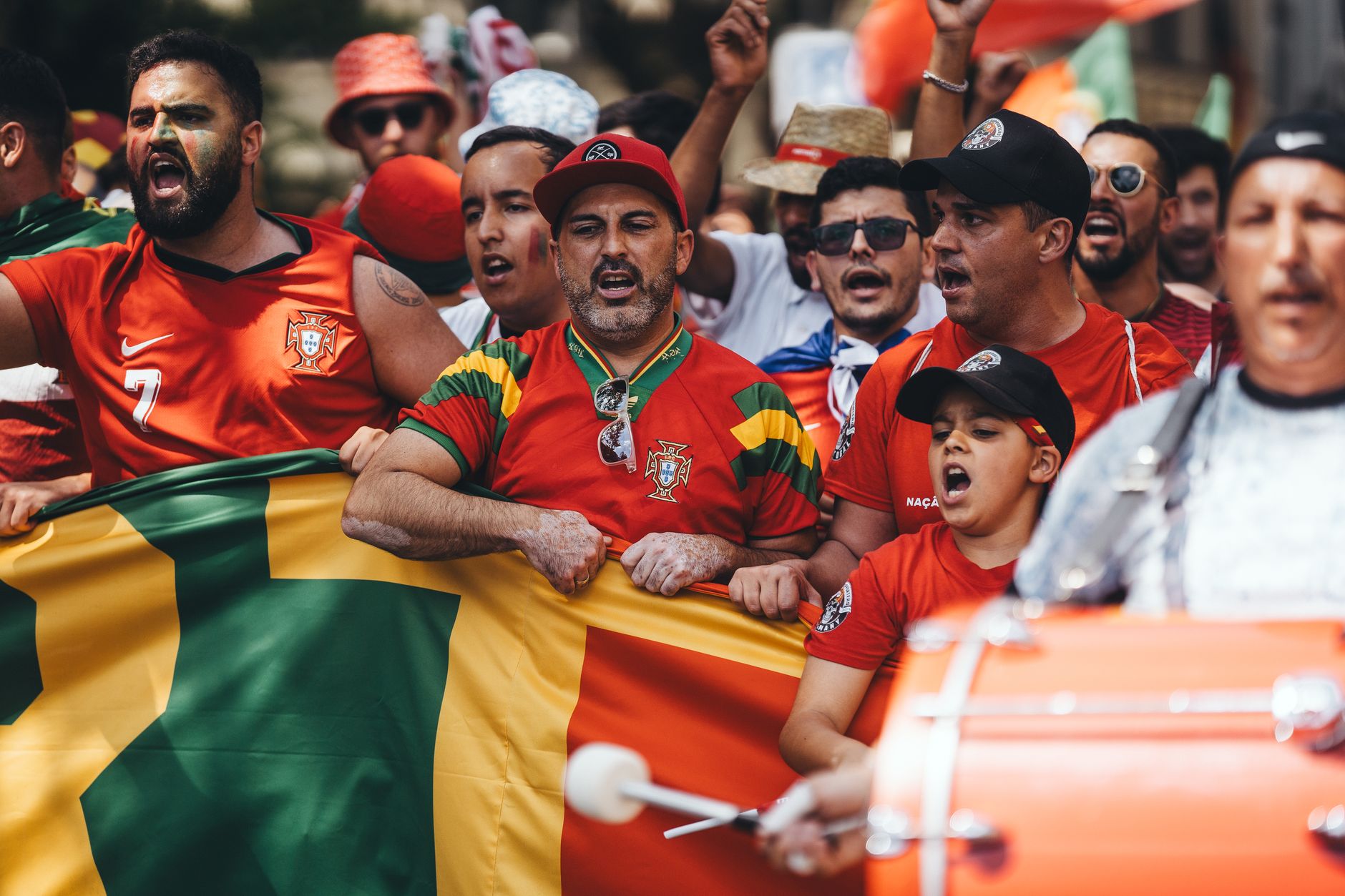
Within South America, the proposal has been met with a mix of enthusiastic support and cautious optimism. Football federations across the continent view this as a historic opportunity to showcase their passion for the sport and to bring the World Cup back to its origins. Officials from countries like Uruguay and Argentina, who have been central to the bid, express immense pride in the prospect of hosting such a monumental event. They highlight the cultural significance and the potential for economic stimulus that a 64-team tournament could bring to the region, creating jobs and boosting tourism.
However, concerns have also been voiced by various stakeholders, including fan groups and player associations. Many question the practicality of managing 64 teams, citing potential issues with travel fatigue, accommodation, and the overall quality of play if the talent pool is stretched too thin. There are fears that an overly expanded tournament could dilute the competitive intensity and create a logistical nightmare for fans traveling between numerous host cities. These groups emphasize the importance of prioritizing player welfare and the fan experience over sheer scale.
Local communities in potential host cities are also weighing in. While some see the World Cup as a chance for infrastructure development and global recognition, others worry about the financial burden on taxpayers, the displacement of residents, and the environmental impact of such a massive undertaking. The experiences of past World Cups have shown that while the benefits can be significant, the costs and disruptions to local life can also be substantial. Balancing these competing interests will be crucial for the South American bid committee as they move forward.
The Debate
The debate surrounding a 64-team World Cup is multifaceted, touching upon sporting integrity, economic viability, and global representation. Proponents argue that a larger tournament would provide an unparalleled opportunity for more nations, particularly those from smaller footballing continents, to participate on the world stage. This inclusivity, they contend, aligns with FIFA's mission to develop football globally and would inspire millions in countries that rarely qualify for the current 32 or even 48-team formats. The argument is that more teams mean more dreams realized and a truly universal celebration of the sport.
Conversely, critics express significant reservations about the potential dilution of quality. They argue that expanding to 64 teams might lead to an increase in one-sided matches, particularly in the group stages, and could strain the already demanding schedules of top players. The concern is that the competitive edge and elite standard that define the World Cup might be compromised in pursuit of greater participation. Furthermore, the logistical challenges of organizing such a behemoth event, including stadium availability, transportation, and security for an even larger contingent of teams and fans, are formidable and could detract from the overall experience.
Economically, the picture is also complex. While a 64-team tournament promises increased broadcasting revenues, sponsorship deals, and tourism, the infrastructure investments required would be colossal. Host nations would need to commit billions to new stadiums, training grounds, and transport networks. The question then becomes whether the economic benefits truly outweigh these massive expenditures, particularly for developing nations. The debate also extends to the environmental footprint of such an expanded event, with calls for sustainable practices becoming increasingly prominent in major sporting bids.

Your Questions Answered
What Accountability Looks Like
If the 64-team World Cup proposal moves forward, accountability will be paramount across multiple levels. FIFA will be held accountable for ensuring the sporting integrity of the tournament is maintained, despite the significant expansion. This includes rigorous oversight of qualification processes, fair scheduling, and ensuring that the competitive balance is not unduly compromised. The global governing body must demonstrate that the expansion serves the best interests of football development worldwide, not just commercial gain.
Host nations, particularly the South American consortium, will face immense scrutiny regarding their capacity to deliver such a large-scale event. Accountability will extend to infrastructure development, ensuring projects are completed on time and within budget, with transparency in financial dealings. Furthermore, social and environmental responsibilities will be critical, requiring host countries to mitigate negative impacts on local communities and ecosystems, and to leave a positive, sustainable legacy that extends beyond the tournament itself.
Finally, all stakeholders, including national football federations, sponsors, and broadcasters, will share in the accountability for the success or failure of this ambitious undertaking. Transparent reporting on finances, social impact, and environmental footprint will be essential. The football community and global public will expect clear metrics and demonstrable progress, ensuring that the promise of an inclusive and historic centenary World Cup is genuinely delivered, rather than becoming a cautionary tale of over-ambition.

















Comments
No comments yet. Be the first to comment!