
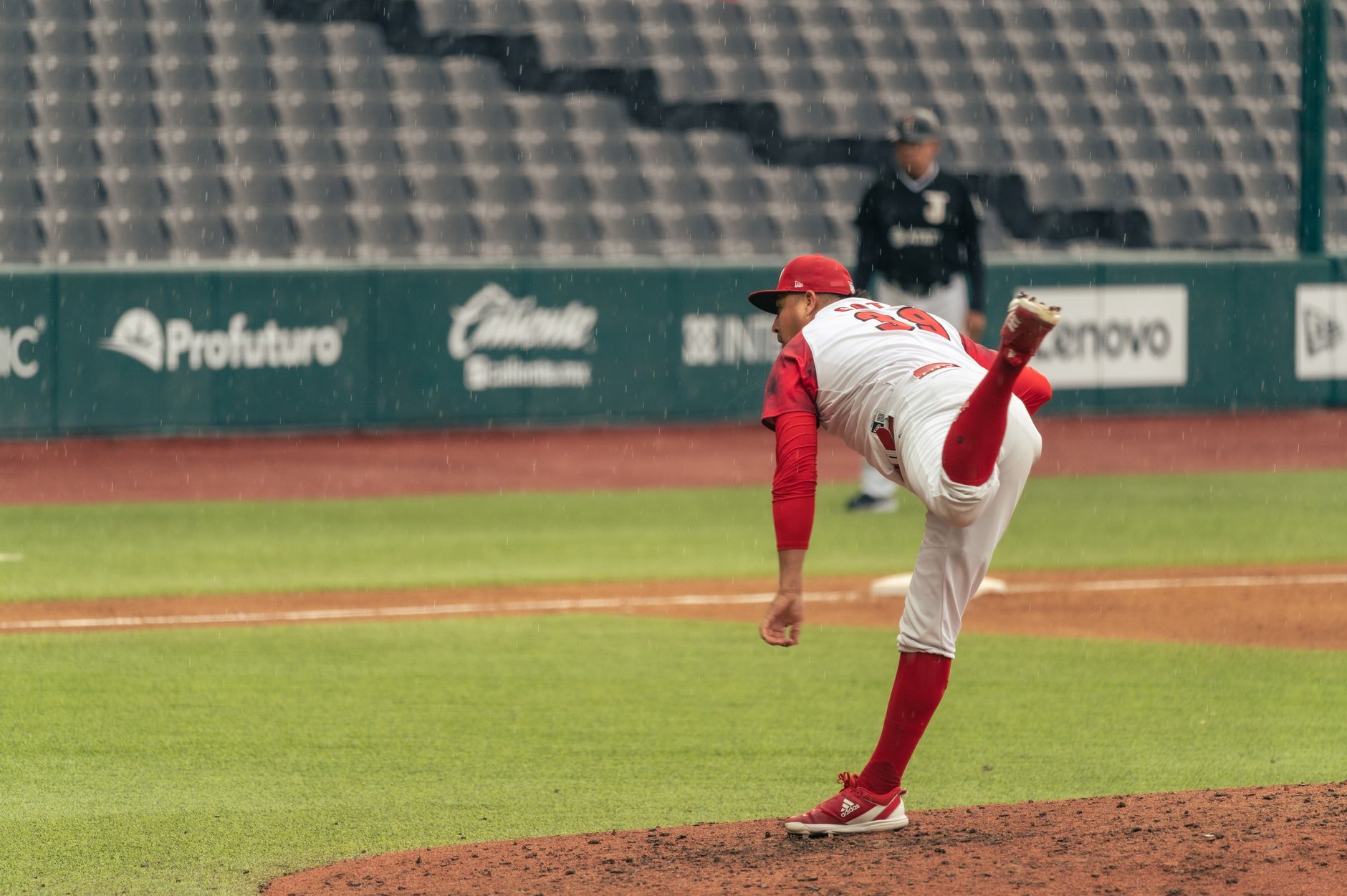

Trade Snapshot: Tarik Skubal to Dodgers
- The Los Angeles Dodgers have acquired left-handed starting pitcher Tarik Skubal from the Detroit Tigers in a significant trade deadline move, immediately elevating their pitching staff's ceiling for the postseason push.
- Skubal, widely regarded as one of the most dominant left-handed starters in baseball, brings an impressive arsenal of pitches, including a blazing fastball and a devastating slider, which have consistently baffled opposing hitters throughout his career.
- In exchange for Skubal, the Detroit Tigers received a package of highly-touted prospects, including catcher Dalton Rushing, outfielder Josue De Paula, and right-handed pitcher Landon Knack, signaling a clear commitment to their long-term rebuilding strategy.
- This acquisition positions Skubal as a potential front-line starter for the Dodgers, joining an already formidable rotation that includes established aces and promising young arms, creating an unparalleled depth that few teams can match.
- The trade underscores the Dodgers' aggressive 'win-now' philosophy, demonstrating their willingness to part with significant prospect capital to secure a player who can immediately impact their championship aspirations and solidify their playoff rotation.
- Skubal's arrival is expected to provide much-needed stability and elite performance in the Dodgers' rotation, particularly as they navigate the rigorous demands of a deep postseason run, where starting pitching depth is paramount.
The Road to Dodger Blue
Tarik Skubal's journey to becoming one of MLB's most coveted pitchers has been a testament to relentless development and overcoming adversity. Drafted by the Detroit Tigers in the ninth round of the 2018 MLB draft, Skubal quickly ascended through their minor league system, showcasing an electric fastball and a developing array of secondary pitches. His professional debut in 2020, amidst the challenging backdrop of a pandemic-shortened season, offered glimpses of his immense potential, even as he navigated the steep learning curve of major league hitting. Over the subsequent seasons, Skubal refined his command, improved his pitch sequencing, and consistently demonstrated an ability to generate swings and misses, establishing himself as a legitimate ace.
The 2024 season saw Skubal truly break out, cementing his status as one of the game's elite left-handers. His dominant performances, characterized by a remarkably low ERA, an exceptional strikeout-to-walk ratio, and an uncanny ability to limit hard contact, made him the undisputed ace of the Tigers' staff. He consistently delivered quality starts, often carrying a struggling Detroit team on his shoulders. This sustained excellence, coupled with his relatively team-friendly contract control, made him the most attractive starting pitcher available on the trade market, drawing intense interest from numerous contending teams desperate for a high-impact arm.
The Dodgers, known for their shrewd player development and aggressive pursuit of championship-caliber talent, had been monitoring Skubal closely for an extended period. Their pitching staff, while talented, had faced its share of injuries and inconsistencies, creating a clear need for another top-tier starter to complement their existing aces. The opportunity to acquire a pitcher of Skubal's caliber, with multiple years of team control remaining, was too significant to pass up. This trade represents a culmination of Skubal's impressive growth and the Dodgers' strategic vision, aligning a premier talent with a perennial contender poised for a deep postseason run.
Impact Across the League
The immediate beneficiaries of this trade are unequivocally the Los Angeles Dodgers and their fervent fanbase. Skubal's arrival instantly elevates their starting rotation from formidable to arguably the best in Major League Baseball. His presence provides a crucial anchor, especially as the team gears up for the intense pressure of October baseball, where every pitch matters. For Dodgers management, this move solidifies their commitment to winning now, demonstrating a willingness to invest significant future assets for immediate, high-impact talent. The players in the clubhouse will undoubtedly feel a surge of confidence, knowing their front office is doing everything possible to bring a World Series title back to Los Angeles.
Conversely, the Detroit Tigers and their fans are facing a bittersweet moment. While parting with an ace like Skubal is never easy, the haul of prospects received in return offers a significant boost to their long-term rebuilding efforts. Dalton Rushing, Josue De Paula, and Landon Knack represent key pieces that could form the core of the Tigers' next competitive window. For the prospects themselves, this trade represents a monumental opportunity. Moving to a new organization, especially one with the Dodgers' track record of player development, can be a career-defining moment, offering fresh starts and new pathways to the big leagues. Their performance in the coming years will be critical to evaluating the long-term success of this blockbuster deal.
Beyond the two primary teams involved, this trade sends ripples throughout the entire league, particularly among other contending teams. Rivals in the National League, especially those vying for playoff spots or a deep postseason run, now face an even more daunting challenge in overcoming the Dodgers. The acquisition of Skubal effectively raises the bar for championship contention, potentially forcing other front offices to re-evaluate their own trade strategies and consider more aggressive moves to keep pace. The market for other available starting pitchers will also be impacted, as Skubal's departure removes the top-tier option, likely increasing the price and demand for the remaining arms.
Why This Trade is a Masterstroke
The argument for the Dodgers' acquisition of Tarik Skubal is overwhelmingly compelling, rooted in their relentless pursuit of a World Series title. Skubal is not merely a good pitcher; he is an elite, front-of-the-rotation ace with multiple years of team control remaining, a rare commodity in today's MLB landscape. His ability to consistently dominate opposing lineups with a high strikeout rate, low walk rate, and excellent command provides the Dodgers with a genuine difference-maker. In the crucible of postseason baseball, where every pitch is magnified and starting pitching depth is paramount, adding a pitcher of Skubal's caliber significantly enhances their chances of navigating multiple playoff rounds and ultimately hoisting the Commissioner's Trophy.
Furthermore, this trade addresses a critical need for the Dodgers. While their roster is stacked with talent, their starting rotation, despite its individual stars, has faced periods of inconsistency and injury concerns throughout the season. Skubal's arrival provides much-needed stability and a high-floor performance every fifth day. He immediately slots in as a top-tier arm, taking pressure off other starters and allowing for strategic rest or deployment of their existing talent. This depth is crucial not just for the regular season grind but also for managing pitcher workloads and ensuring fresh arms are available for the high-leverage situations that define playoff baseball. The Dodgers are investing in a proven commodity who can deliver when it matters most.
From a long-term perspective, the trade also makes strategic sense despite the prospect cost. Skubal is still relatively young and under team control for several more seasons, meaning the Dodgers aren't just acquiring a rental. They are securing a foundational piece for their rotation for the foreseeable future, ensuring sustained competitiveness. While parting with top prospects like Rushing, De Paula, and Knack is undoubtedly a tough decision, the Dodgers' farm system is consistently replenished with talent, allowing them to make such high-impact moves without completely depleting their future. This reflects a calculated risk, prioritizing a championship window that is wide open now, while trusting their robust development pipeline to mitigate the long-term impact of the prospect departures.
The Cost of Championship Aspirations
While the immediate benefits of acquiring Tarik Skubal are clear, the argument against this trade from the Dodgers' perspective primarily revolves around the significant prospect capital surrendered. Giving up three highly-regarded prospects – Dalton Rushing, Josue De Paula, and Landon Knack – represents a substantial investment in the future that the Dodgers are now foregoing. Rushing, a promising catcher, and De Paula, a toolsy outfielder, were considered among the organization's top offensive talents with high ceilings. Knack, a right-handed pitcher, had shown flashes of brilliance and was on the cusp of contributing at the major league level. These are not merely organizational filler; they are players with legitimate potential to become everyday big leaguers or solid rotation pieces.
The inherent risk in trading away multiple top prospects is that their future value could eventually outweigh the immediate impact of the acquired player, especially if Skubal experiences an unforeseen injury or a decline in performance. While Skubal is elite, baseball is an unpredictable game, and no player is immune to slumps or health issues. If even one or two of the prospects traded away develop into stars, the long-term cost of this trade could be viewed differently. This is a gamble, albeit a calculated one, on the present and near future, potentially at the expense of a deeper, more sustainable talent pipeline down the road, which has historically been a hallmark of the Dodgers' success.
Furthermore, the Dodgers' farm system, while deep, isn't limitless. Repeatedly trading away top-tier prospects, even for undeniable talent, can eventually thin out the organizational depth, making it harder to sustain success through homegrown talent and to make future trades. While the Dodgers have an excellent track record of developing players, there's always a question of how many top prospects they can afford to lose before it begins to impact their ability to backfill roster spots with cost-controlled talent. This trade signifies a clear prioritization of a championship now, but it also highlights the increasing cost of doing business at the top of the league, potentially creating future challenges in maintaining their competitive edge through internal development.

Your Questions Answered
Immediate Impact and Future Outlook
The immediate implementation of Tarik Skubal into the Dodgers' rotation will be closely watched by fans and analysts alike. His first few starts in Dodger blue will be critical in setting the tone for the remainder of the season, and expectations will be sky-high. Manager Dave Roberts will need to integrate Skubal seamlessly into the existing pitching staff, managing workloads and ensuring optimal performance as the team pushes towards the playoffs. The Dodgers' coaching staff will undoubtedly work closely with Skubal to fine-tune his approach and leverage his strengths within their strategic framework. The goal is clear: maximize his impact for a deep postseason run, and every start will be scrutinized for signs of his dominant form.
Looking ahead, the long-term outlook for this trade is incredibly promising for the Dodgers, assuming Skubal maintains his elite performance and remains healthy. With multiple years of team control, he provides a cornerstone for their rotation for seasons to come, ensuring sustained competitiveness at the highest level. This acquisition also signals the Dodgers' continued aggressive approach to team building, demonstrating their willingness to make bold moves to secure top-tier talent. It sets a precedent for future trade deadlines, indicating that the Dodgers will always be players for the best available talent, even if it means parting with significant prospect capital.
For the Detroit Tigers, the implementation watch shifts to the development of the prospects acquired. Dalton Rushing, Josue De Paula, and Landon Knack will now be under the microscope, with their progress through the Tigers' minor league system being a key indicator of the trade's long-term success. The Tigers' player development staff will be tasked with nurturing these talents, hoping they can eventually form the core of a championship-contending team. The success of this trade for Detroit will not be measured in weeks or months, but over the next several years, as these young players mature and hopefully reach their full potential in the major leagues.











Comments
No comments yet. Be the first to comment!