
The Story in Brief
- Fast-moving wildfires have ignited across multiple counties in Washington state, rapidly consuming vast tracts of land and threatening communities with unprecedented speed and intensity.
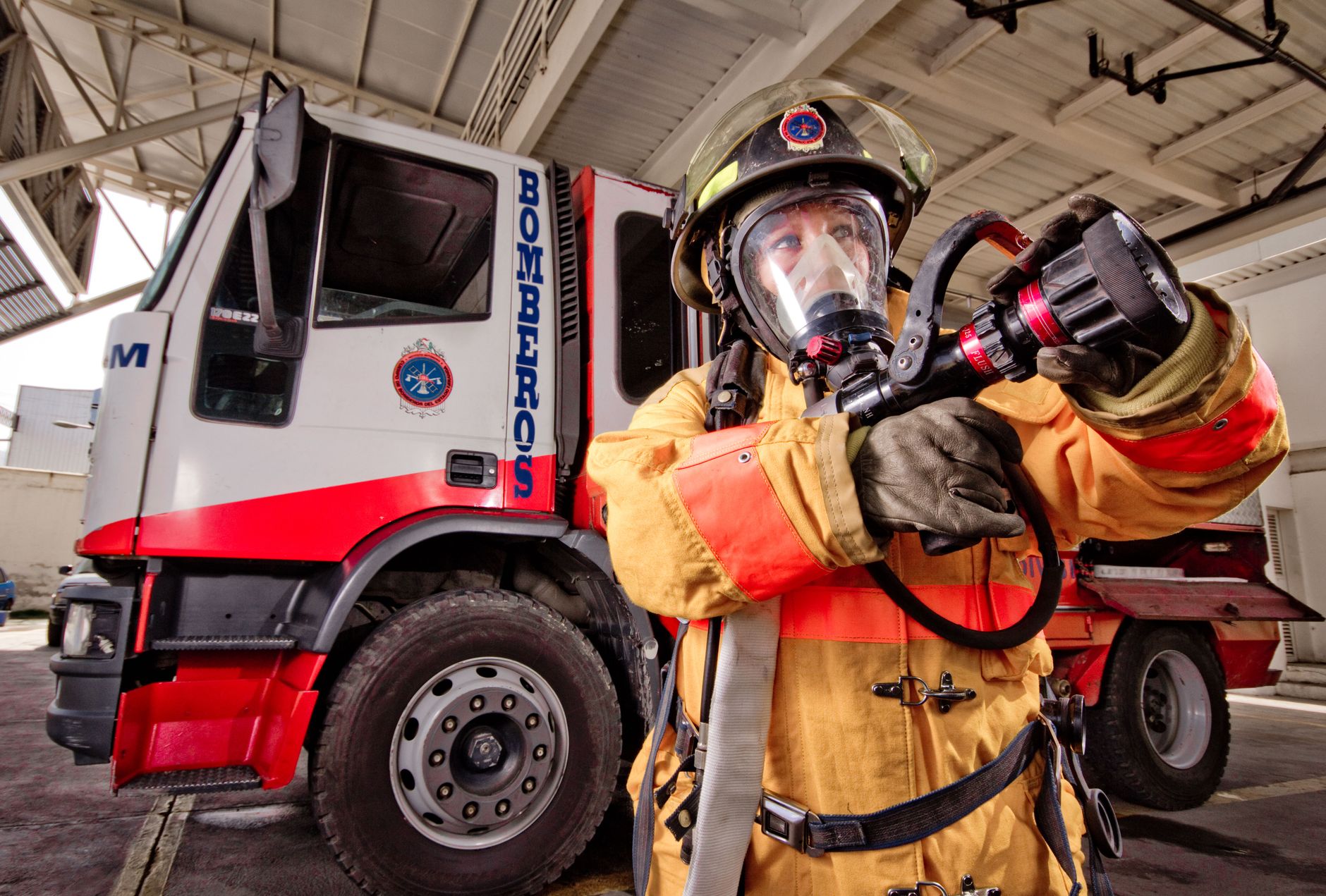
- Thousands of residents have been forced to evacuate their homes under urgent orders, leaving behind their properties and livelihoods as emergency services work to contain the blazes and ensure public safety.
- Governor Jay Inslee has declared a state of emergency, mobilizing critical state resources and requesting federal assistance to bolster the firefighting efforts and support affected populations.
- The fires are being fueled by a dangerous combination of high temperatures, critically dry conditions, and strong winds, creating an extremely volatile environment that complicates containment strategies.
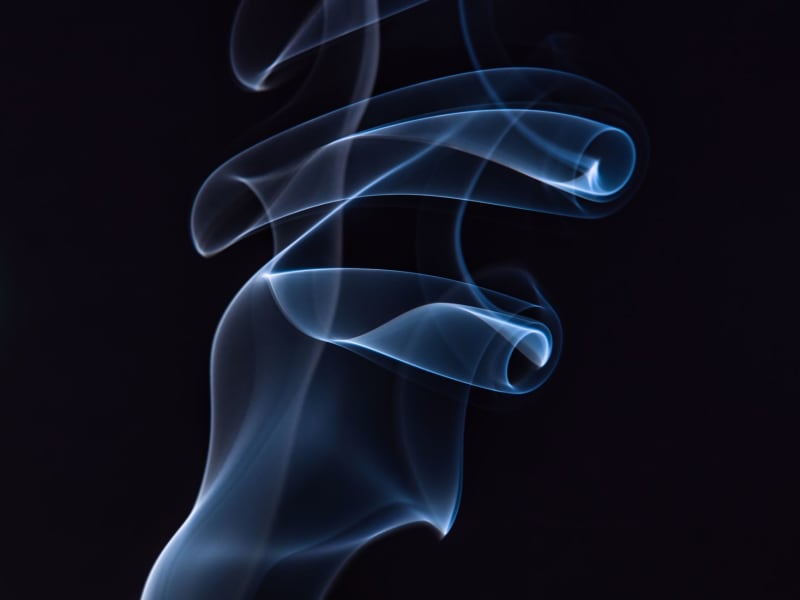
- Air quality across large swathes of the state has deteriorated significantly due to heavy smoke, posing serious health risks, especially for vulnerable populations, and prompting air quality advisories.
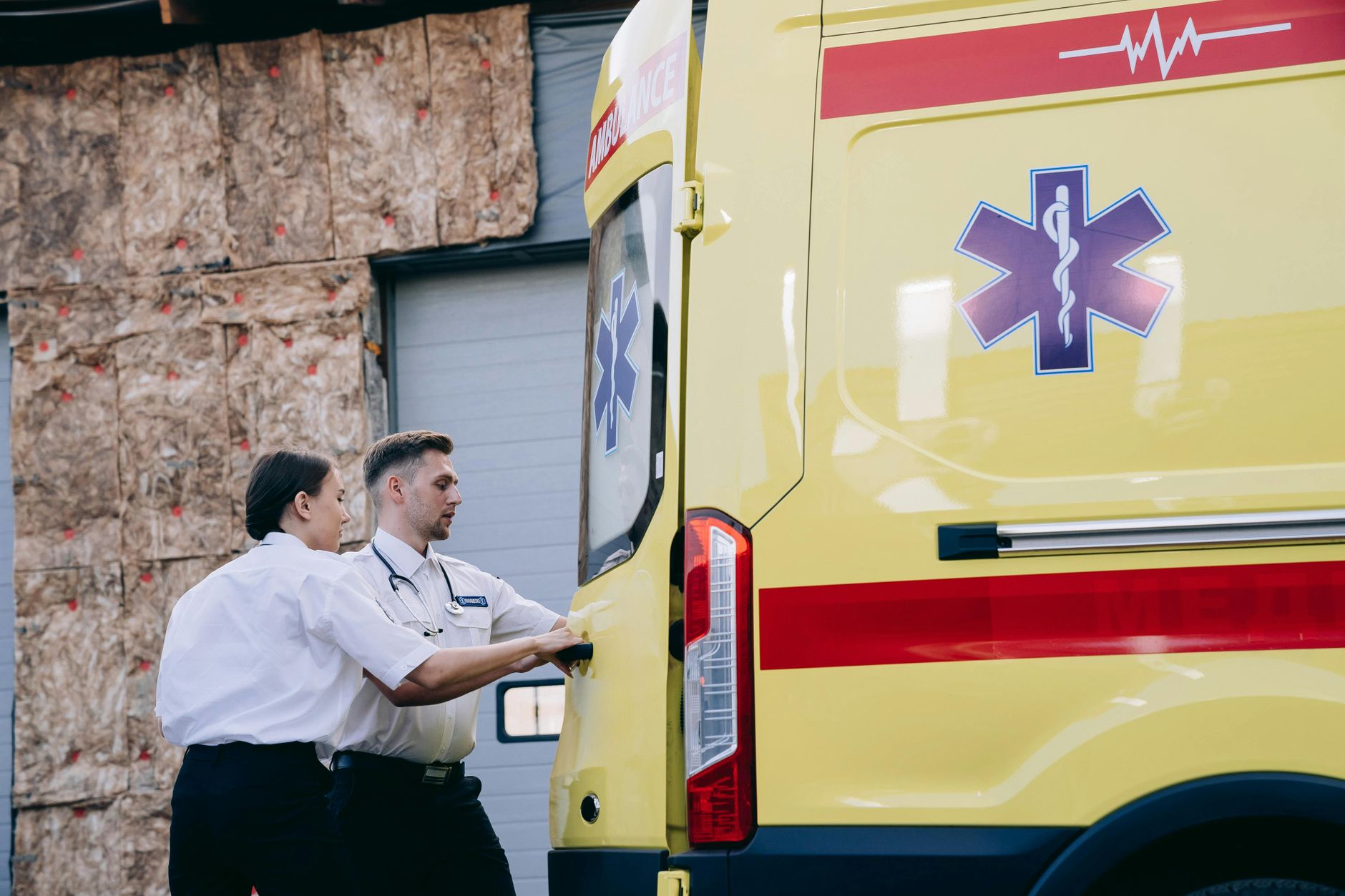
- Emergency shelters have been established in various locations to provide refuge, food, and essential services for displaced individuals and families, highlighting the immediate humanitarian crisis unfolding.
The Human Face
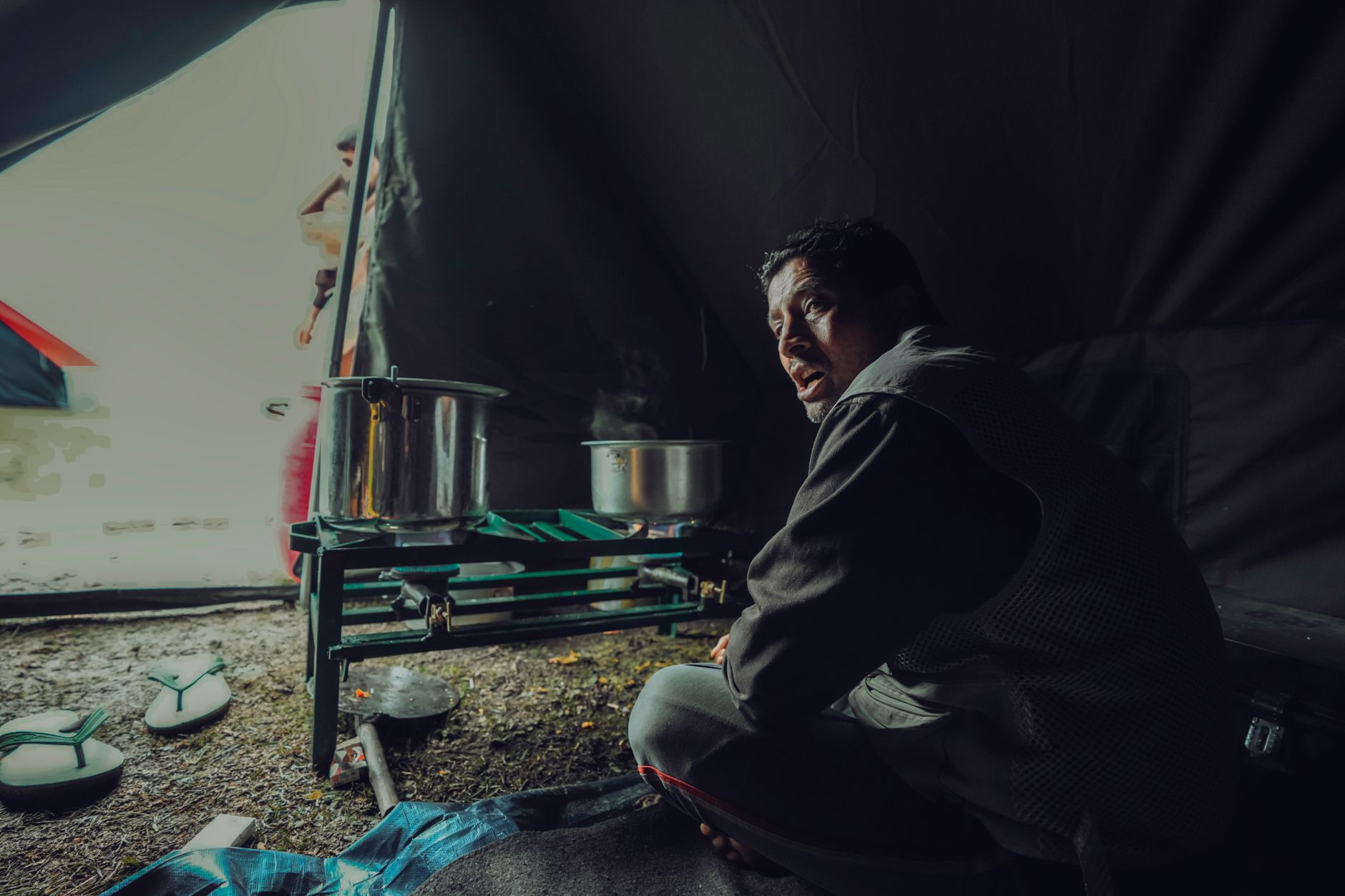
The human toll of these wildfires extends far beyond property damage; it's a story of disrupted lives, lost memories, and profound uncertainty. Families are making split-second decisions, grabbing what they can, and fleeing homes they may never see again. The emotional distress is palpable, as residents grapple with the fear of the unknown and the potential loss of everything they've built. Children are separated from their routines, pets are often left behind in the chaos, and the collective trauma of a community under siege is a heavy burden.
For many, the evacuation orders came with little warning, forcing them to abandon cherished possessions and seek refuge in emergency shelters or with relatives. The stories emerging from these displaced individuals are heartbreaking: tales of narrow escapes, the agonizing wait for news about their homes, and the overwhelming gratitude for the first responders risking their lives. These fires strip away the veneer of normalcy, revealing the raw vulnerability of communities in the face of nature's fury, and underscore the deep connection people have to their homes and communities.
Beyond the immediate crisis, the long-term impact on mental health and community resilience will be significant. Rebuilding homes is one challenge, but rebuilding lives and a sense of security will be another. The collective spirit of Washingtonians is being tested, yet acts of kindness and solidarity are also emerging, with neighbors helping neighbors and volunteers stepping up to support those most affected. This shared experience, while tragic, also highlights the enduring strength and compassion within these communities.
How We Got Here
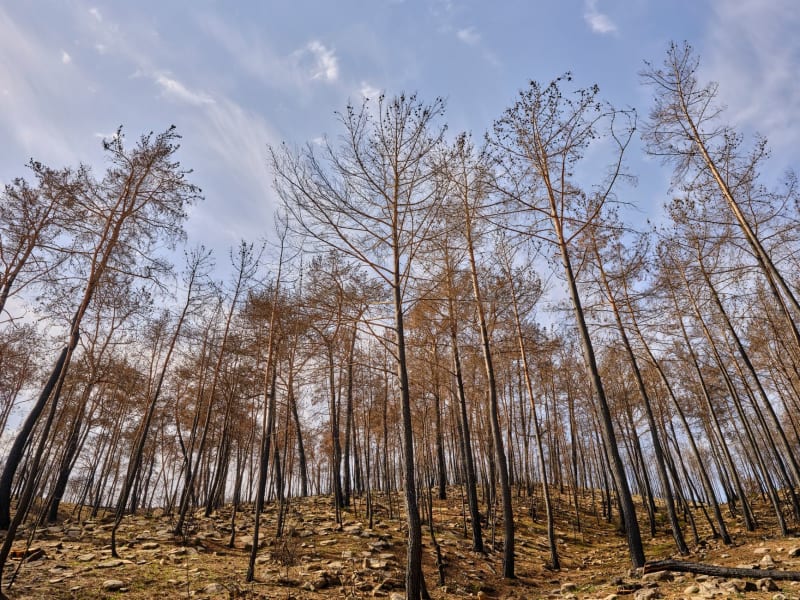
The current wildfire crisis in Washington state is not an isolated event but rather the culmination of several converging environmental and climatic factors. A prolonged period of unusually hot and dry weather has left much of the state's vegetation parched, transforming forests and grasslands into highly combustible fuel. This arid environment, exacerbated by a deficit in seasonal rainfall, creates ideal conditions for fires to ignite and spread with alarming speed, making even small sparks incredibly dangerous.
Compounding these dry conditions are the strong, unpredictable winds that have swept across the region. These winds act as a powerful accelerant, fanning the flames and carrying embers far ahead of the main fire front, leading to rapid and erratic fire growth. This phenomenon, often seen in major wildfire events, makes containment incredibly challenging for firefighters, as new ignitions can occur miles away from existing perimeters, effectively creating multiple, simultaneous fronts.
Furthermore, a history of forest management practices, including fire suppression over decades, has contributed to an accumulation of fuel on the forest floor. While essential for protecting communities in the short term, this suppression can lead to more intense and destructive fires when they eventually occur. Climate change is also playing a significant role, contributing to longer, hotter, and drier summers, which are extending the fire season and increasing the frequency and severity of these catastrophic events, fundamentally altering the landscape of wildfire risk in the Pacific Northwest.
Why This Cannot Be Ignored
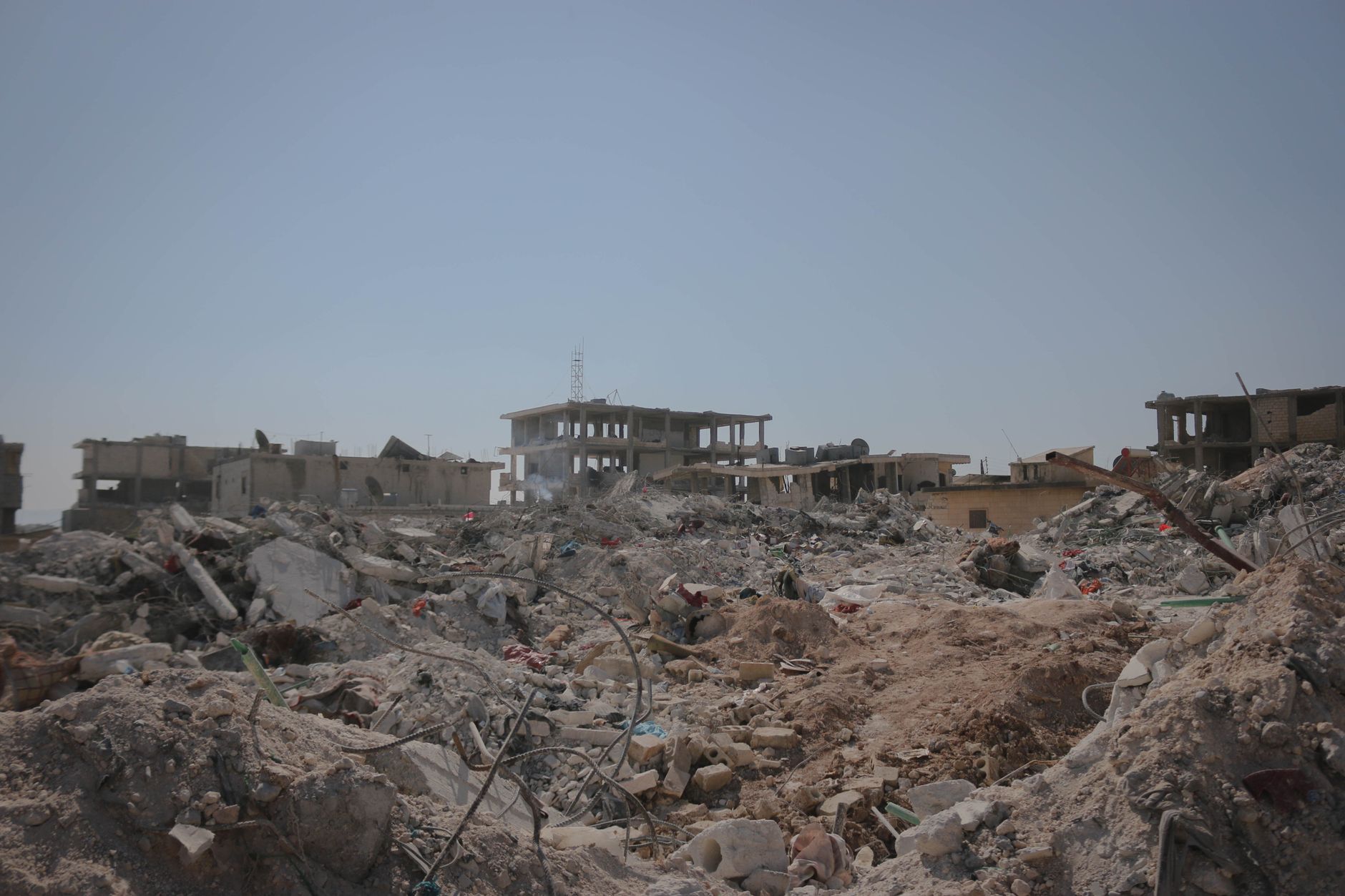
The escalating wildfire crisis in Washington state is far more than a localized emergency; it represents a critical threat with cascading consequences for public health, economic stability, and environmental integrity. The immediate danger to human life and property is undeniable, forcing thousands to flee and leaving a trail of destruction that will take years, if not decades, to recover from. This isn't just about individual homes; it's about the fabric of entire communities being torn apart by an unrelenting natural force.
Beyond the direct impact of flames, the pervasive smoke from these fires creates a severe public health crisis. Air quality plummets to hazardous levels, exacerbating respiratory conditions, increasing hospitalizations, and posing long-term health risks for all residents, particularly children, the elderly, and those with pre-existing conditions. The economic repercussions are also immense, affecting agriculture, tourism, and local businesses, not to mention the astronomical costs of firefighting and post-fire recovery efforts, which strain state and federal budgets.
Moreover, these fires have profound ecological consequences. They destroy critical habitats, impact biodiversity, and contribute to soil erosion and water contamination, creating a ripple effect across ecosystems. The increased frequency and intensity of these events serve as a stark reminder of the urgent need for comprehensive climate action, improved forest management strategies, and enhanced community preparedness. Ignoring these signals means accepting a future where such catastrophic events become the norm, rather than the exception, demanding a proactive and sustained response from all levels of government and society.
Possible Paths Forward
Addressing Washington's escalating wildfire crisis requires a multi-faceted approach, integrating immediate response with long-term prevention and adaptation strategies. One crucial path involves significantly increasing investment in proactive forest management, including controlled burns and strategic thinning. These techniques reduce fuel loads, making forests more resilient to fire and less prone to catastrophic blazes. This isn't just about fighting fires; it's about managing landscapes to prevent them from becoming infernos in the first place, shifting from reactive suppression to proactive ecological stewardship.
Another vital direction is enhancing community preparedness and early warning systems. This includes developing robust evacuation plans, educating residents on defensible space principles around their homes, and improving communication infrastructure to deliver timely alerts. Investing in advanced fire detection technologies, such as satellite monitoring and AI-powered analytics, can provide critical early warnings, allowing for faster deployment of resources and more effective initial attack strategies, potentially preventing small fires from becoming large-scale disasters.
Furthermore, a sustained commitment to climate change mitigation is indispensable. While local efforts are crucial, the broader context of a warming planet means that without global reductions in greenhouse gas emissions, the conditions fueling these fires will only intensify. This involves transitioning to renewable energy, promoting sustainable land use, and advocating for policies that address the root causes of climate change. Simultaneously, research into fire-resistant building materials and urban planning that accounts for wildfire risk can help communities adapt and become more resilient in the face of an increasingly fiery future, ensuring that Washington is better equipped to face these challenges.
Questions People Are Actually Asking
What to Watch
- The trajectory and containment status of the largest active wildfires, particularly how weather patterns like wind shifts and temperature changes might influence their spread and the efforts of firefighting crews.
- Updates on evacuation orders and road closures, as these can change rapidly, impacting residents' ability to return home or access critical services, and indicating the evolving threat level to communities.
- The ongoing air quality reports across the state, especially in urban centers, as prolonged exposure to smoke can have significant public health implications and necessitate continued advisories and protective measures.
- The deployment of additional state and federal resources, including specialized firefighting teams and equipment, which will be crucial for bolstering current efforts and potentially turning the tide against the most aggressive blazes.
- Any declarations of federal disaster status, which would unlock significant financial aid and resources for recovery and rebuilding efforts, providing essential support to affected individuals and communities.
- Discussions and policy proposals from state officials regarding long-term wildfire prevention and management strategies, including forest health initiatives and climate change adaptation plans, to mitigate future risks.







Comments
No comments yet. Be the first to comment!