
The Story in Brief
- Multiple Russian missile strikes targeted Kyiv, the capital of Ukraine, causing widespread damage and significant civilian casualties in a renewed wave of aggression.
- Officials have confirmed that at least four individuals tragically lost their lives in these coordinated attacks, underscoring the lethal impact on urban centers.
- Beyond the fatalities, a minimum of fifteen people sustained injuries, with several requiring urgent medical attention, highlighting the indiscriminate nature of the bombardments.
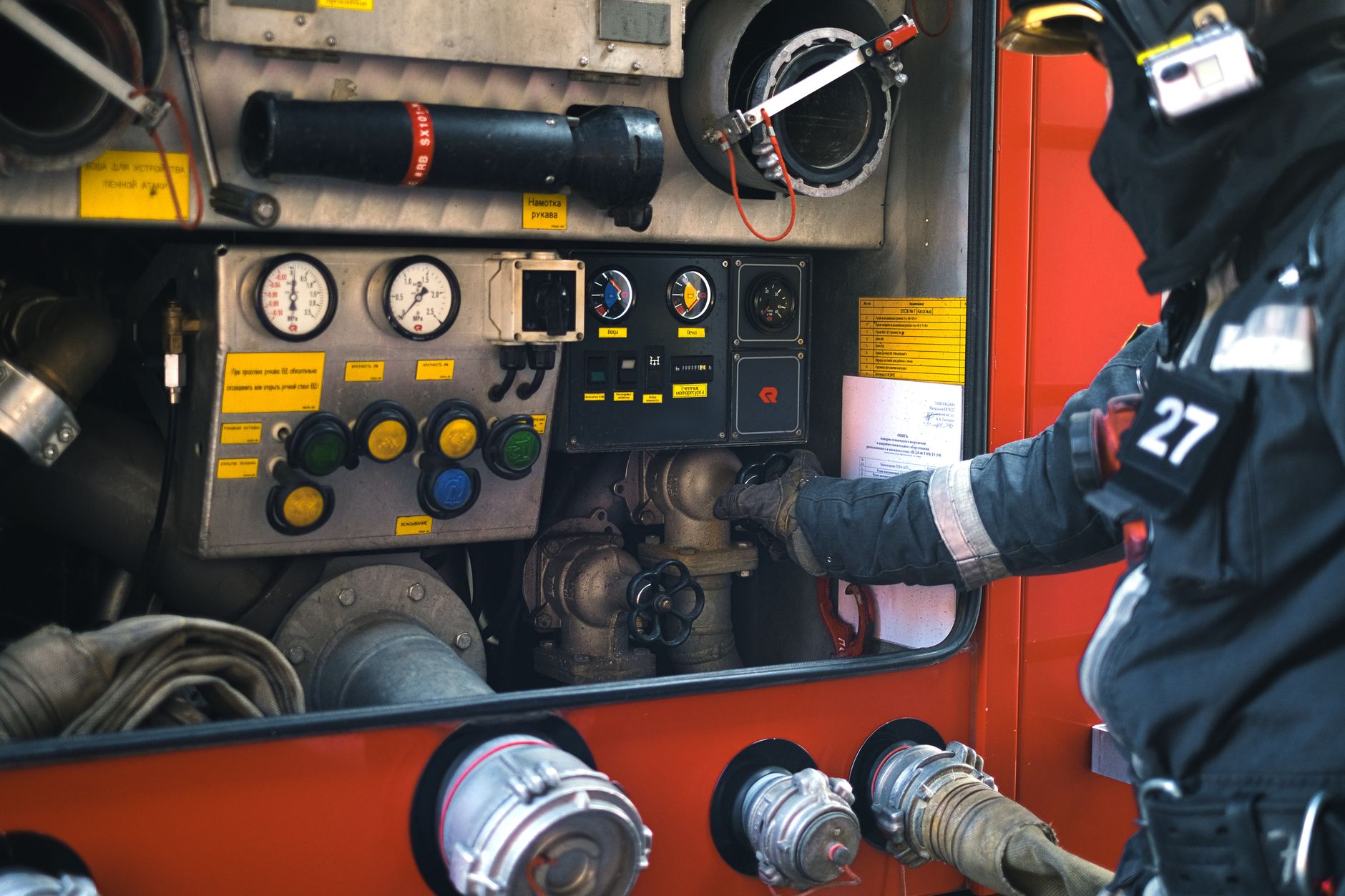
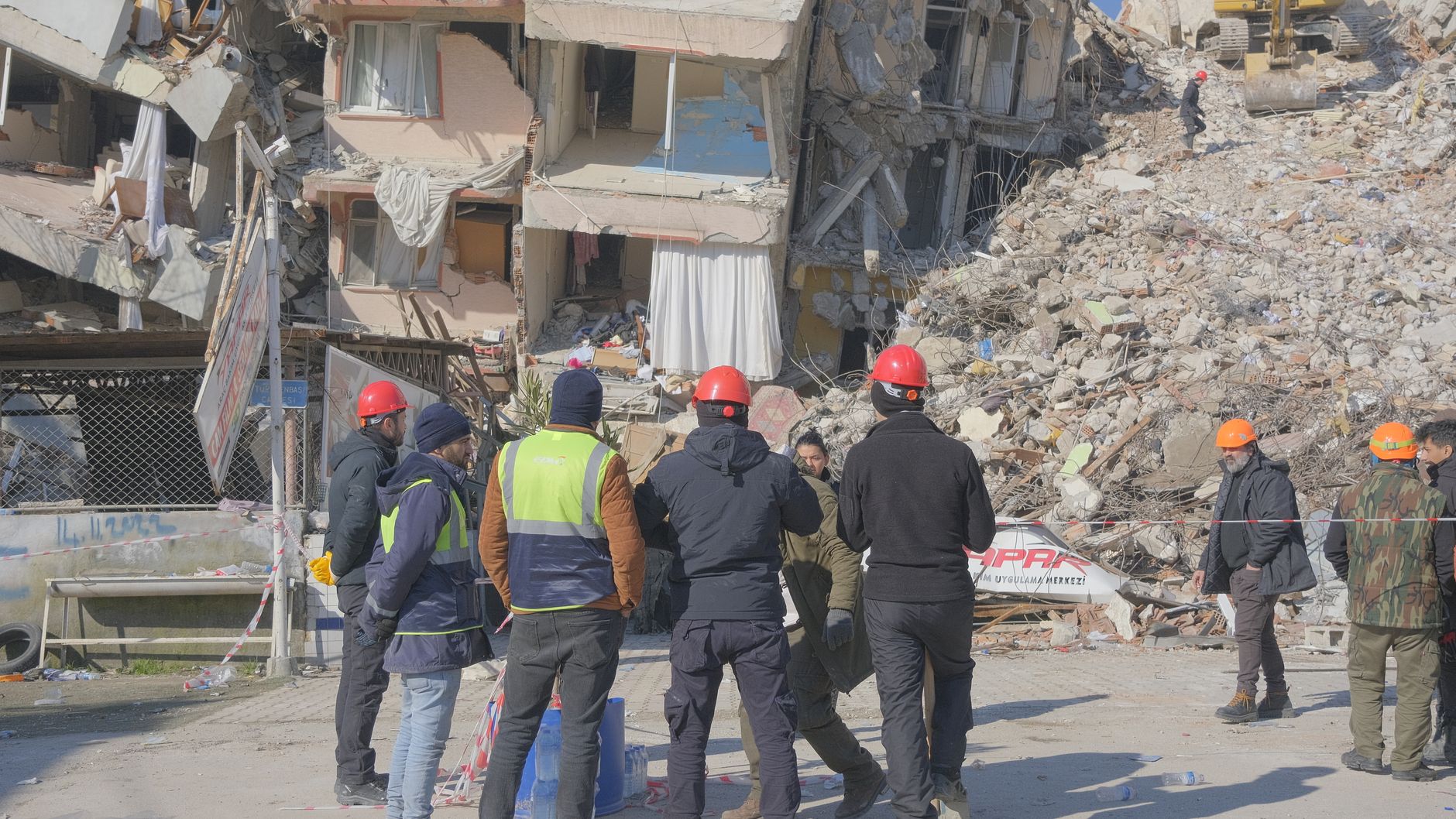
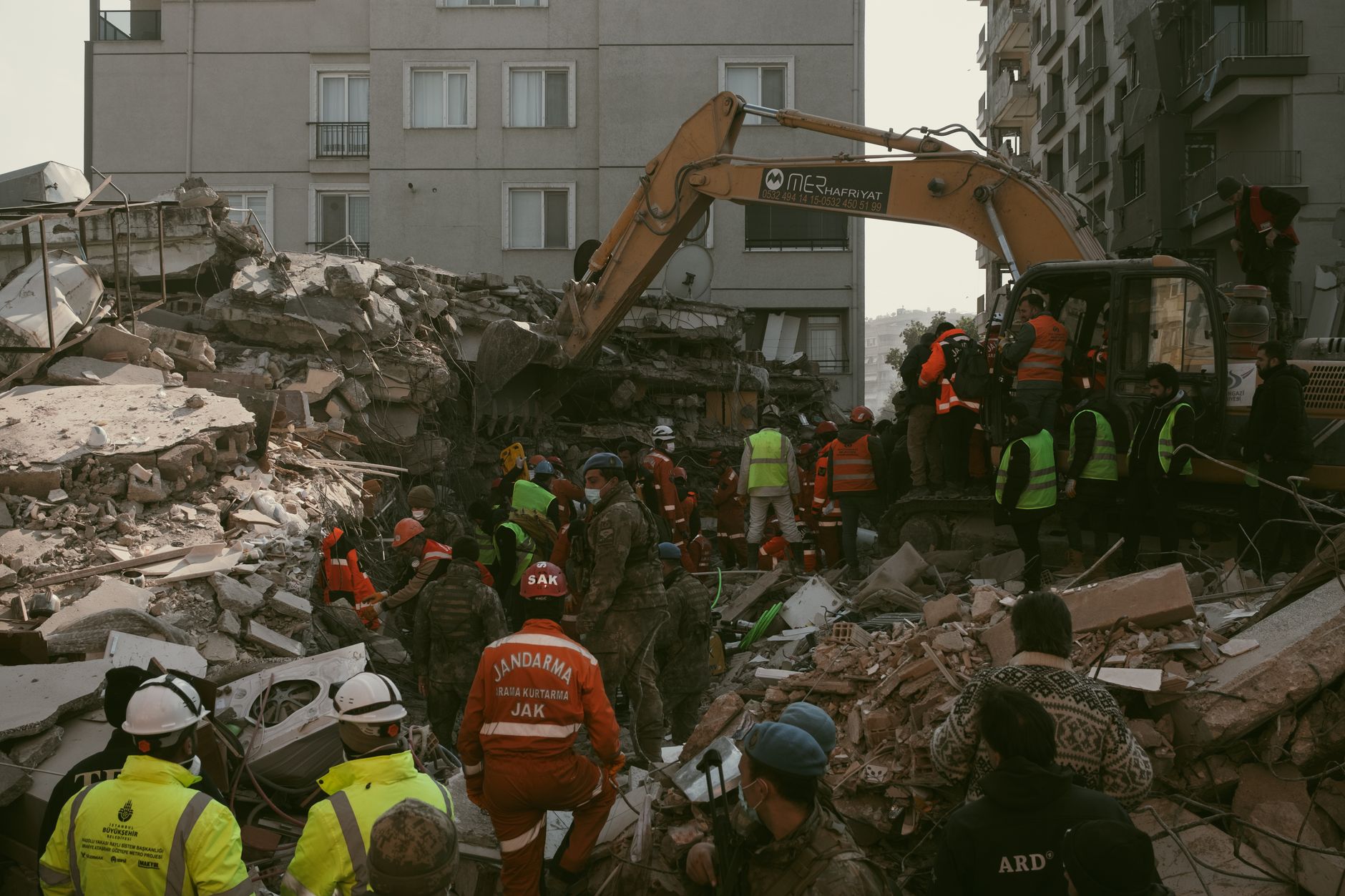
- Emergency services were rapidly deployed to the affected areas, working tirelessly to rescue survivors from collapsed structures and provide immediate aid to the wounded.
- The latest assault marks a concerning escalation in the ongoing conflict, demonstrating Russia's continued willingness to target civilian infrastructure and residential areas.
- International bodies and allied nations are expected to condemn these actions, with calls for reinforced air defense systems and humanitarian support for Ukraine likely to intensify.
The Human Face
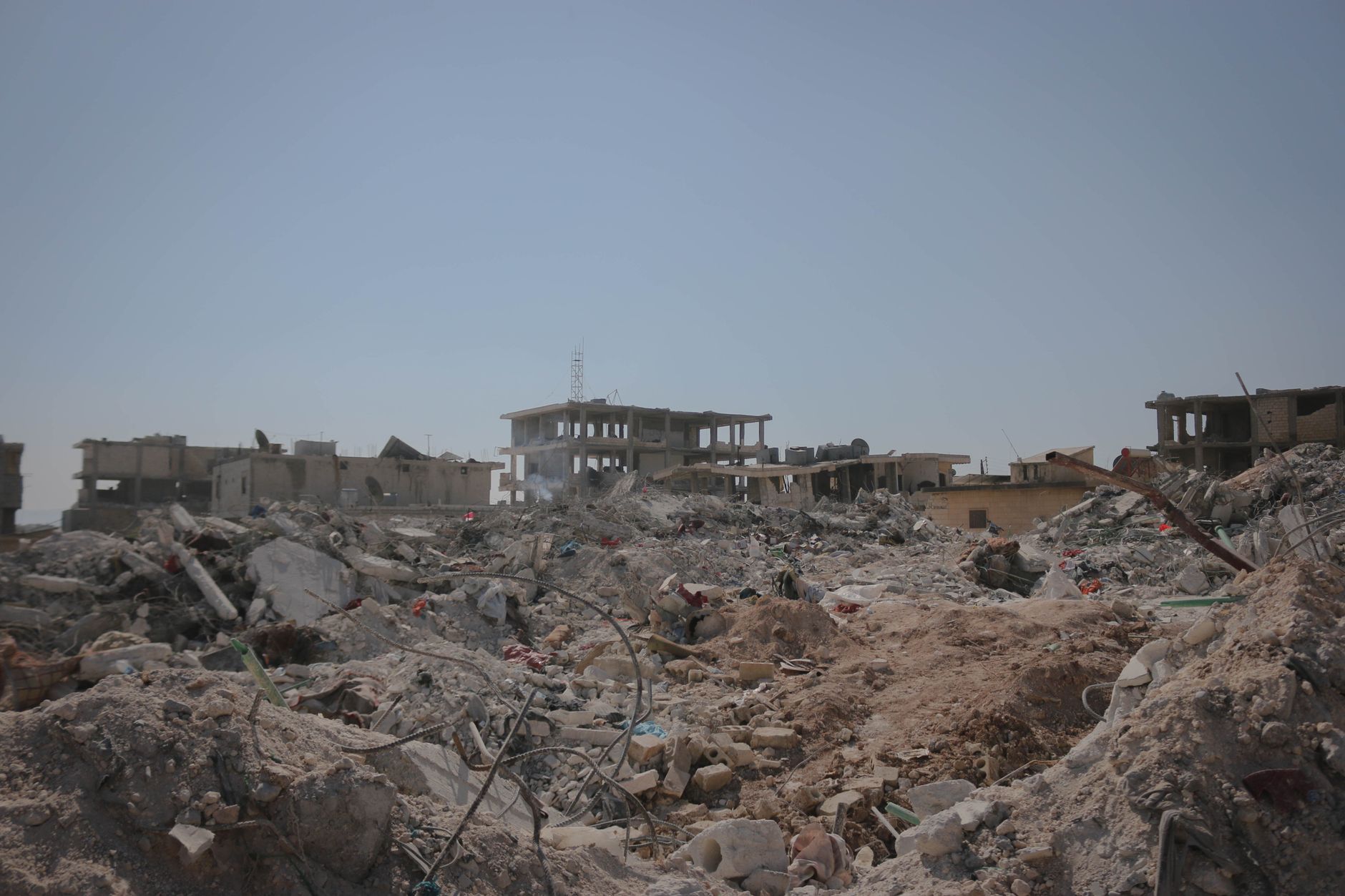
The recent missile strikes on Kyiv have once again brought the brutal reality of war directly to the doorsteps of ordinary citizens. Imagine waking to the terrifying sound of explosions, the ground shaking, and the immediate scramble to find safety for yourself and your loved ones. This is the harrowing experience that countless residents endured, as their homes, workplaces, and daily routines were shattered in an instant. The emotional toll on survivors is immeasurable, marked by profound grief for lost family members and friends, and enduring psychological trauma from witnessing such devastation firsthand. Children, in particular, are bearing the brunt of this violence, their innocence stolen by the constant threat of aerial attacks and the pervasive sense of insecurity that now defines their childhoods.
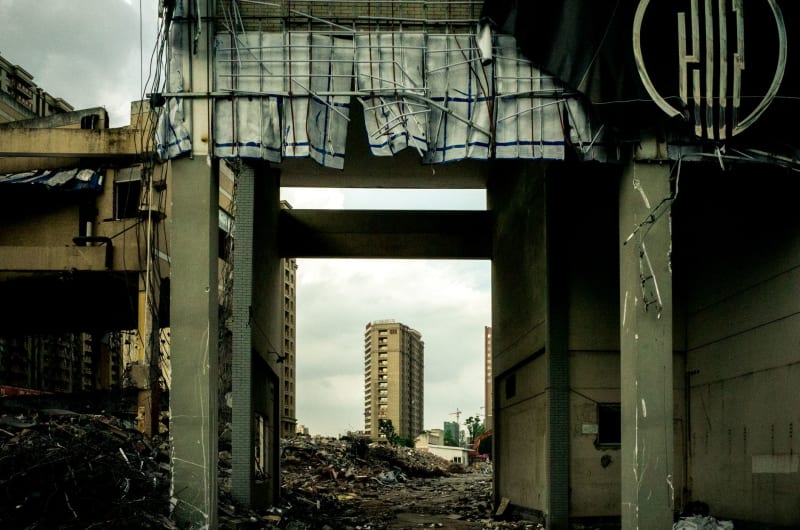
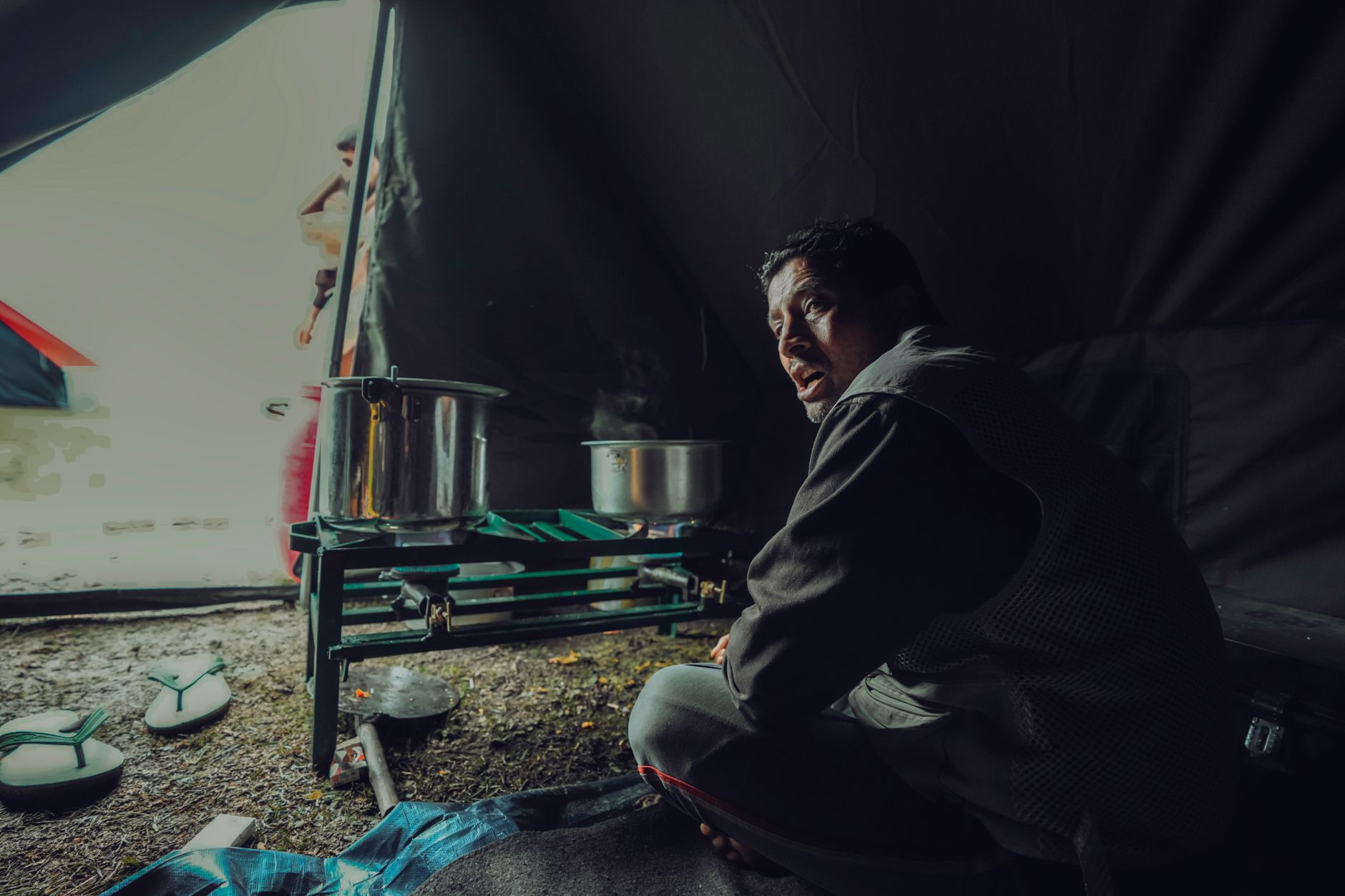
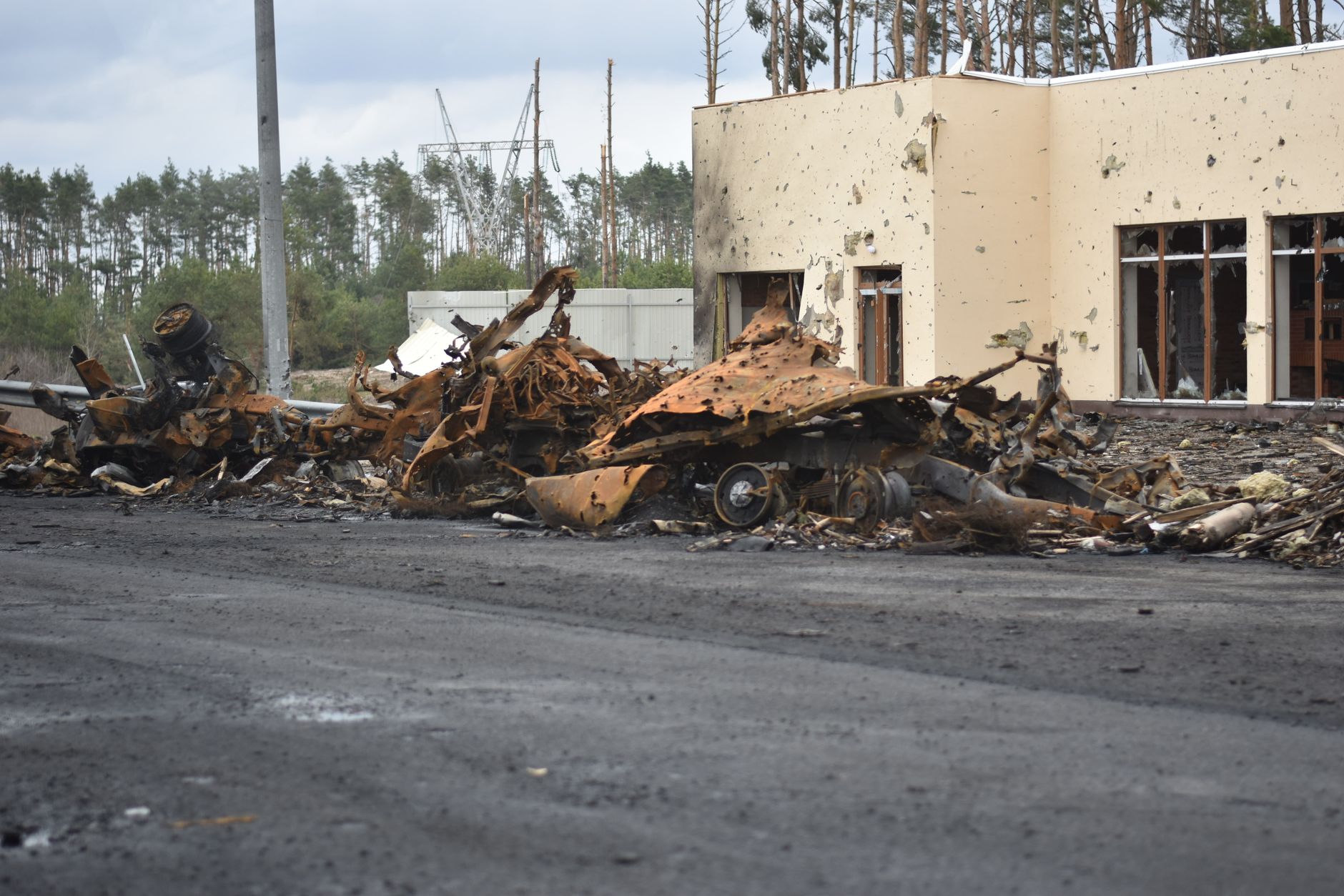
Beyond the immediate casualties, the aftermath of these attacks reveals a community grappling with immense loss and disruption. First responders, often working under dangerous conditions, recount stories of pulling survivors from rubble, their faces etched with despair and resilience. Hospitals are stretched to their limits, treating a wide array of injuries, from shrapnel wounds to severe burns, all while operating under the constant threat of further strikes. The destruction of residential buildings and critical infrastructure leaves thousands displaced, forcing them to seek refuge in temporary shelters or flee their city entirely, further exacerbating a humanitarian crisis that has already displaced millions since the full-scale invasion began. The fabric of society is being torn apart, thread by thread, with each new strike.
These aren't just statistics; they are lives irrevocably altered. A young student's dreams of a future, a parent's efforts to provide for their family, an elderly person's peace in their twilight years—all are jeopardized or extinguished by these relentless assaults. The international community must recognize that behind every casualty number is a human story of pain, loss, and an urgent plea for an end to this violence. The resilience of the Ukrainian people is undeniable, yet their endurance is being tested to its absolute limits. Their bravery in the face of such terror should serve as a powerful reminder of the profound human cost of this conflict and the imperative to protect civilian lives.
How We Got Here
The recent missile strikes on Kyiv are not isolated incidents but rather a continuation of Russia's full-scale invasion of Ukraine, which commenced in February 2022. From the outset, Kyiv has been a primary target, initially facing a direct ground assault aimed at toppling the government. While that initial ground offensive on the capital was repelled by fierce Ukrainian resistance, Russia has consistently resorted to long-range missile and drone attacks, targeting both military installations and, distressingly, civilian infrastructure across the country. These attacks are often characterized by their indiscriminate nature, frequently hitting residential areas, energy facilities, and other non-military sites, leading to widespread condemnation from international bodies and human rights organizations.
Throughout the conflict, Russia has employed a variety of sophisticated weaponry, including cruise missiles, ballistic missiles, and Shahed-type drones, to overwhelm Ukrainian air defenses. These waves of attacks frequently aim to terrorize the population, degrade Ukraine's critical infrastructure, and undermine the morale of its citizens and military. Despite Ukraine's increasingly effective air defense systems, bolstered by Western aid, the sheer volume and persistence of Russian strikes mean that some projectiles inevitably penetrate, causing tragic loss of life and extensive damage. This pattern of aerial bombardment has become a grim hallmark of the war, evolving in intensity and targeting strategies over time.
The current escalation can be viewed within the broader context of Russia's strategic objectives, which appear to include exerting maximum pressure on Ukraine and its Western allies. As the war progresses and front lines remain largely static in some areas, aerial assaults on major cities like Kyiv serve as a means for Russia to project power, disrupt daily life, and attempt to break Ukrainian resolve from a distance. Furthermore, these strikes often follow periods of perceived Ukrainian success on the battlefield or significant diplomatic developments, suggesting a retaliatory or punitive element. The international community's response, including sanctions and military aid, has been a constant factor influencing the dynamics of these attacks, yet the fundamental pattern of targeting Ukrainian cities persists.
Why This Cannot Be Ignored
The latest Russian missile strikes on Kyiv are not merely another tragic headline; they represent a stark and undeniable violation of international humanitarian law and a direct assault on civilian life. Ignoring these attacks would set a dangerous precedent, signaling that such actions can be carried out with impunity. This sustained targeting of urban centers, far from the front lines, demonstrates a deliberate strategy to terrorize populations and degrade the very fabric of Ukrainian society. Allowing this to continue unchecked undermines the foundational principles of global security and human rights, sending a chilling message to aggressors worldwide that civilian protection can be disregarded in modern warfare. The international community has a moral and strategic imperative to respond decisively.
Furthermore, these attacks have profound geopolitical implications that extend far beyond Ukraine's borders. The stability of Europe is directly threatened by this ongoing aggression, and the erosion of international norms regarding sovereignty and territorial integrity could have cascading effects on global order. If a major power can openly invade a sovereign nation and systematically target its civilian infrastructure without facing robust, unified opposition, it emboldens other authoritarian regimes and increases the risk of similar conflicts erupting elsewhere. The world watches how this conflict unfolds, and the response to these atrocities will shape the future of international relations and collective security for decades to come.
Beyond the immediate humanitarian crisis and geopolitical ramifications, these strikes underscore the urgent need for enhanced defensive capabilities for Ukraine. Every successful strike highlights gaps in air defense and the vulnerability of civilians. Continued and accelerated provision of advanced air defense systems, along with sustained humanitarian aid, is crucial not only to mitigate immediate suffering but also to demonstrate unwavering support for Ukraine's right to self-defense. This is not just about Ukraine; it is about upholding the principles of a rules-based international order and preventing a return to an era where might makes right. The cost of inaction or insufficient response will be measured not only in Ukrainian lives but in the erosion of global stability and justice.
Possible Paths Forward
Addressing the ongoing aerial assaults on Kyiv and other Ukrainian cities requires a multi-faceted approach, with immediate priority given to bolstering Ukraine's air defense capabilities. Western allies must significantly accelerate the delivery of advanced missile defense systems, such as Patriot and SAMP/T batteries, along with the necessary interceptor missiles and training for Ukrainian personnel. This is not a long-term solution but a critical immediate measure to save lives and protect infrastructure. Furthermore, discussions around providing modern fighter jets, like F-16s, which can intercept Russian aircraft and missiles at greater distances, need to move from deliberation to rapid implementation. These defensive enhancements are crucial for creating a safer airspace over Ukrainian cities.
Diplomatic efforts, while challenging, must continue to explore avenues for a just and lasting peace, though current conditions make a breakthrough seem distant. Any credible peace initiative must respect Ukraine's sovereignty and territorial integrity, and cannot reward aggression. Simultaneously, increased economic pressure on Russia through expanded and more rigorously enforced sanctions remains a vital tool. Targeting sectors critical to Russia's war economy, such as energy revenues and access to dual-use technologies, can degrade its capacity to wage war and fund these devastating missile campaigns. The international community must also work to prevent circumvention of existing sanctions, ensuring their maximum impact.
Finally, sustained humanitarian support and long-term reconstruction planning are essential. Even as the conflict rages, international organizations and donor nations must continue to provide aid to those displaced and affected by the strikes, ensuring access to shelter, food, and medical care. Looking ahead, a comprehensive plan for Ukraine's recovery and reconstruction, supported by international funds and expertise, will be necessary to rebuild shattered cities and infrastructure. This commitment to rebuilding not only offers hope to the Ukrainian people but also sends a clear message that the international community stands with Ukraine for the long haul, beyond the immediate crisis, and will help it emerge stronger from the devastation.

Questions People Are Actually Asking
What to Watch
- The frequency and intensity of future Russian aerial assaults on Kyiv and other major Ukrainian cities will be a critical indicator of Russia's strategic intentions and its capacity to sustain such operations.
- The effectiveness of Ukraine's air defense systems, particularly new Western-supplied assets, in intercepting incoming missiles and drones will determine the level of protection for civilian populations.
- Any shifts in international aid packages, especially concerning the provision of more advanced air defense capabilities, long-range missiles, and fighter jets to Ukraine, will be closely scrutinized.
- The ongoing investigations into potential war crimes by international bodies and national governments will be crucial for accountability and setting precedents for future conflicts.
- The humanitarian response to displaced persons and injured civilians, including the capacity of medical facilities and aid organizations, will highlight the immediate needs on the ground.
- Public statements and diplomatic actions from key international players, including the UN, NATO, and individual nations, regarding the condemnation of these attacks and calls for de-escalation will shape global responses.









Comments
No comments yet. Be the first to comment!