
What We Know
- The ongoing conflict with Iran has triggered a significant surge in global oil prices, directly impacting everything from transportation costs to manufacturing expenses, threatening to ignite widespread inflation.
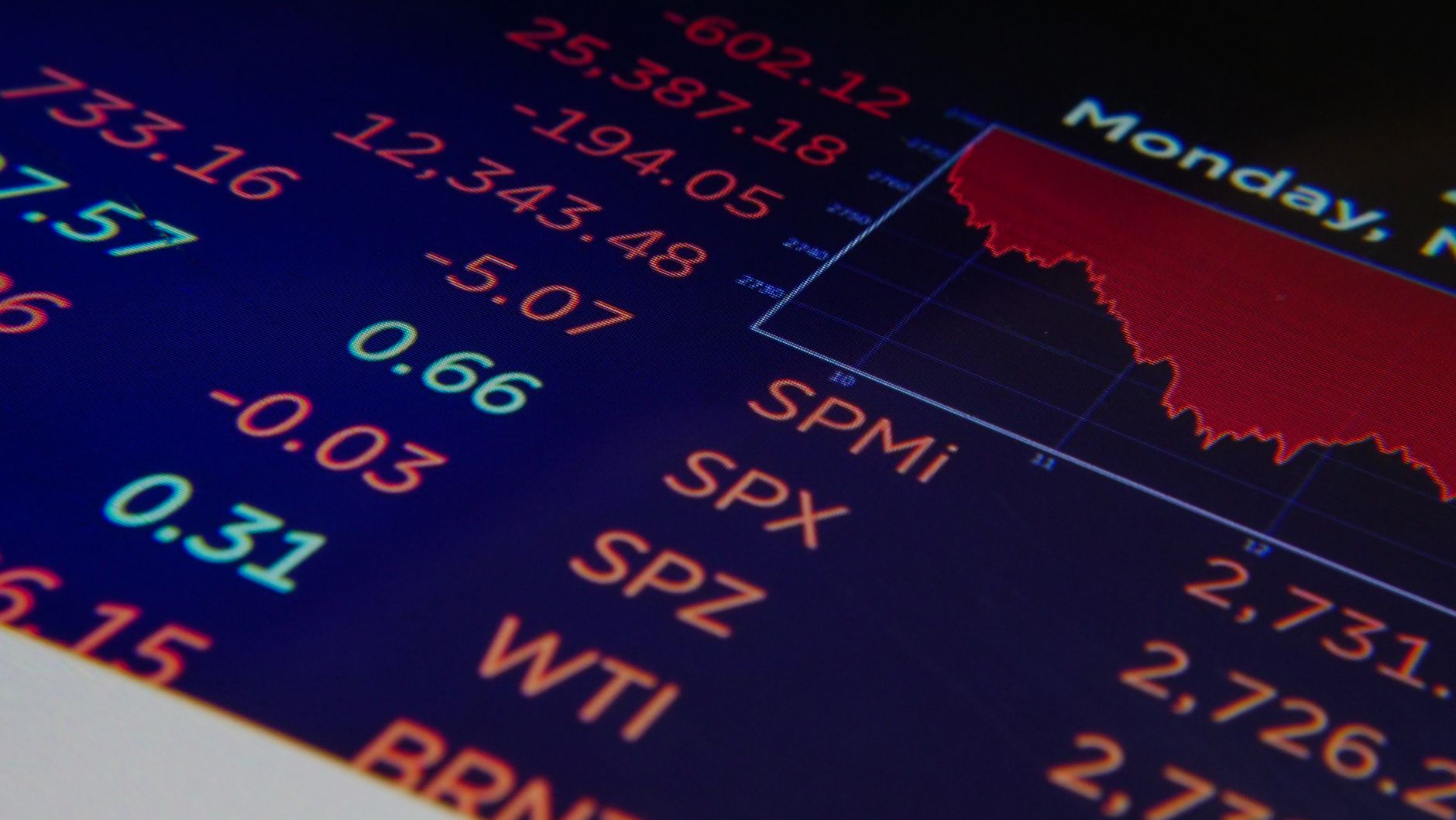
- Major stock markets worldwide have reacted negatively, experiencing considerable downturns as investor confidence erodes amidst the heightened geopolitical instability and uncertainty surrounding the Middle East.
- Economists are issuing increasingly dire warnings, suggesting that the current trajectory of the conflict could precipitate a global recession, severely impacting employment rates and consumer spending across continents.
- Former President Trump has maintained a notable silence regarding the escalating crisis and its profound economic ramifications, a stance that has drawn considerable criticism from both political analysts and economic experts.
- The lack of clear, decisive leadership or a coherent strategy from key international players is exacerbating market anxieties, contributing to an environment ripe for further economic volatility and unpredictable shifts.
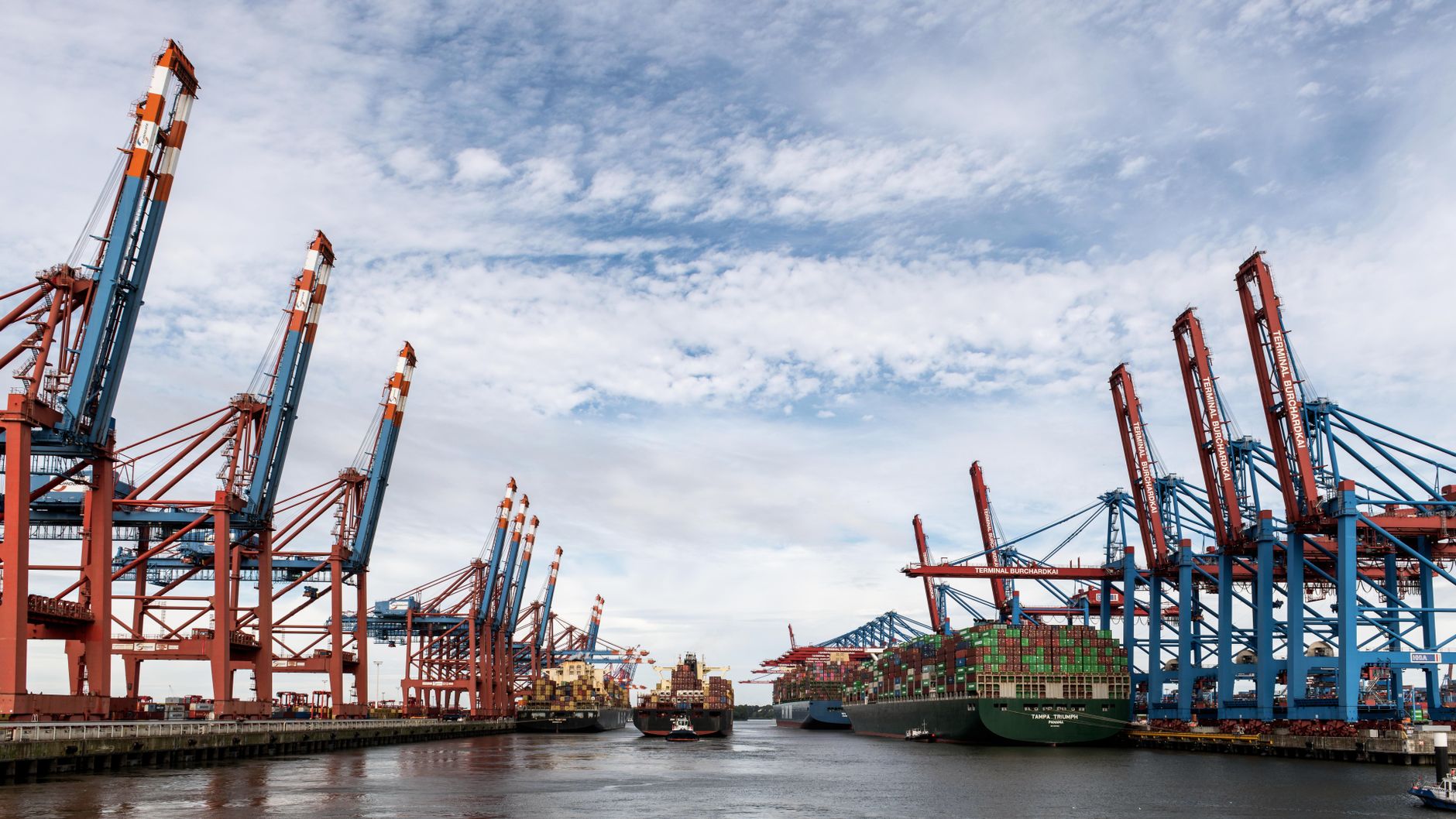
- Supply chains, already fragile from recent global disruptions, face renewed threats of bottlenecks and increased costs, particularly those reliant on energy or raw materials transported through critical maritime routes near the Persian Gulf.
What We Do Not Know Yet
- The specific duration and ultimate intensity of the conflict with Iran remain highly unpredictable, making it exceedingly difficult for economists to model long-term impacts accurately or forecast recovery timelines.
- Whether other major global powers will intervene diplomatically or militarily to de-escalate the situation, and what form such interventions might take, is still an open question with significant implications.
- The extent to which the conflict will disrupt critical oil shipping lanes, such as the Strait of Hormuz, and the precise impact this will have on global energy supplies and prices, is currently unknown.
- What, if any, specific policy responses the U.S. government or international bodies might implement to cushion the economic blow, and how effective these measures could be in mitigating a recession, has not been articulated.
- The long-term geopolitical realignments that could emerge from this conflict, and how these shifts might permanently alter global trade relationships and economic alliances, are still unfolding and highly uncertain.
- Whether former President Trump's silence is a calculated strategy or a sign of indecision, and if he plans to issue a statement or propose a solution, remains a subject of intense speculation among political observers and the public.
Background
The current geopolitical tensions between the United States and Iran have deep historical roots, stemming from decades of complex political maneuvering, economic sanctions, and proxy conflicts across the Middle East. The withdrawal from the Joint Comprehensive Plan of Action (JCPOA) by the Trump administration in 2018 significantly heightened these tensions, leading to a reimposition of crippling sanctions designed to curtail Iran's nuclear program and regional influence. This move, while intended to pressure Iran, also isolated the U.S. from key European allies who sought to preserve the deal, creating a fractured international front.
In the immediate aftermath of the JCPOA withdrawal, Iran responded by incrementally increasing its nuclear activities, further escalating the crisis. This period has been marked by a series of provocative actions and retaliatory strikes, including attacks on oil tankers in the Persian Gulf, drone assaults on Saudi oil facilities, and the assassination of prominent Iranian military figures. Each incident has pushed the region closer to a full-scale conflict, sending ripples of instability through global markets and prompting international calls for de-escalation that have largely gone unheeded.
The economic implications of this protracted standoff have been profound. Sanctions have severely crippled Iran's oil exports, a critical component of its economy, leading to widespread domestic unrest and a weakening of the national currency. Globally, the uncertainty surrounding the region's stability, particularly its vital role in global oil production and transit, has kept energy prices volatile. This instability creates a precarious environment for international trade and investment, with businesses and consumers alike bracing for potential disruptions and inflationary pressures that could derail economic recovery efforts worldwide.
Why It Matters
The escalating conflict with Iran is not merely a regional issue; it has profound, far-reaching implications for the global economy, directly impacting every citizen's wallet and future. A sustained rise in oil prices, a direct consequence of Middle Eastern instability, translates immediately into higher costs at the gas pump, increased utility bills, and more expensive goods as transportation and manufacturing costs surge. This inflationary pressure erodes purchasing power, making everyday essentials less affordable and squeezing household budgets already strained by existing economic challenges.
Beyond immediate price hikes, the specter of a global recession looms large. Businesses, facing increased operational costs and uncertain consumer demand, may scale back investments, freeze hiring, or even implement layoffs. This ripple effect could lead to widespread job losses, decreased consumer confidence, and a significant slowdown in economic growth across major economies. The interconnectedness of global markets means that a downturn in one region can quickly cascade, threatening the stability of financial systems and potentially triggering a worldwide economic contraction.
Furthermore, the lack of clear, decisive communication from prominent global leaders, particularly former President Trump, exacerbates market anxiety and undermines investor confidence. In times of crisis, leadership provides a crucial anchor, offering reassurance and a sense of direction. When that leadership is absent or ambiguous, it creates a vacuum filled by speculation and fear, driving further market volatility and making it harder for businesses and individuals to plan for the future. This silence is not just a political oversight; it is an economic liability that can prolong and deepen the current crisis.
Timeline of Events
- May 2018: The Trump administration unilaterally withdraws from the Joint Comprehensive Plan of Action (JCPOA), also known as the Iran nuclear deal, and announces the re-imposition of sanctions against Iran, significantly heightening tensions.
- November 2018: All U.S. sanctions lifted under the JCPOA are fully reimposed, targeting Iran's oil exports, shipping, and financial sector, severely impacting its economy and leading to international condemnation from allies.
- June 2019: Iran shoots down a U.S. surveillance drone over the Strait of Hormuz, claiming it violated Iranian airspace, a move that brings the two nations to the brink of military confrontation and sends oil prices soaring.
- September 2019: Major drone and missile attacks target Saudi Arabia's Abqaiq and Khurais oil facilities, temporarily halving the kingdom's oil production and sending shockwaves through global energy markets, with the U.S. blaming Iran.
- January 2020: U.S. drone strike kills Iranian General Qassem Soleimani in Baghdad, leading to immediate Iranian retaliatory missile strikes on Iraqi bases housing U.S. troops and prompting widespread fears of a full-scale war.
- Present Day: Amidst ongoing regional skirmishes and heightened rhetoric, former President Trump remains notably silent on the escalating conflict's economic ramifications, a silence that is increasingly scrutinized by markets and analysts.

Rapid-Fire Q&A
What Is Coming
- Expect continued volatility in global oil markets as the conflict's trajectory remains uncertain, with prices likely to fluctuate sharply based on geopolitical developments and any perceived threats to supply routes.
- Further downward pressure on major stock indices is highly probable if the conflict escalates or if no clear de-escalation path emerges, as investor confidence will remain fragile amidst the pervasive uncertainty.
- Increased inflationary pressures are on the horizon, driven by higher energy costs and potential supply chain disruptions, which will likely translate into rising prices for a broad range of consumer goods and services.
- Governments worldwide may face mounting pressure to implement economic stimulus packages or other interventions to mitigate the impact of a potential global recession, though the effectiveness and timing of such measures are critical.
- Intensified diplomatic efforts from international bodies and non-aligned nations are anticipated as the economic stakes rise, aiming to broker a ceasefire or facilitate negotiations to prevent a wider regional conflagration.
- Expect a critical re-evaluation of global energy strategies and supply chain resilience, as nations seek to reduce their vulnerability to geopolitical instability in key oil-producing regions like the Middle East.









Comments
No comments yet. Be the first to comment!