
Key Takeaways
- The United States and Iran have been locked in a protracted, often covert, conflict for decades, marked by proxy wars, economic sanctions, and strategic military posturing across the Middle East.
- Recent escalations, including drone strikes, naval confrontations, and cyberattacks, underscore a dangerous shift towards more direct engagements, increasing the risk of miscalculation and broader regional instability.
- Economic sanctions imposed by the U.S. have severely crippled Iran's economy, leading to internal unrest and a hardened stance from the Iranian regime, complicating any diplomatic resolution.
- The nuclear program remains a central flashpoint, with Iran consistently advancing its enrichment capabilities despite international pressure, raising proliferation concerns and heightening regional anxieties.
- Regional proxy groups, supported by Iran, play a significant role in projecting Iranian influence and challenging U.S. interests, creating a complex web of interconnected conflicts that are difficult to de-escalate.
- Both nations face immense domestic and international pressure, making any significant de-escalation or diplomatic breakthrough incredibly challenging without a fundamental shift in their respective strategic objectives.
Background
The relationship between the United States and Iran has been fraught with tension and animosity for over four decades, fundamentally shaped by the 1979 Islamic Revolution. This pivotal event transformed Iran from a key U.S. ally under the Shah into an anti-Western, revolutionary Islamic republic. The subsequent hostage crisis at the U.S. embassy in Tehran cemented a deep-seated mistrust that has permeated every aspect of their interactions, laying the groundwork for a protracted shadow conflict that continues to define Middle Eastern geopolitics. This historical rupture is not merely a diplomatic disagreement but a clash of ideologies and strategic interests that has fueled proxy wars, economic warfare, and a constant state of low-intensity conflict.
Over the years, this complex dynamic has manifested in various forms, from U.S. support for Iraq during the Iran-Iraq War in the 1980s to Iran's development of a controversial nuclear program and its backing of regional proxy groups like Hezbollah and the Houthis. Each action and reaction has further entrenched the adversarial relationship, creating a cycle of escalation and retaliation. The U.S. has consistently viewed Iran as a destabilizing force in the region, actively pursuing policies of containment and pressure, while Iran perceives U.S. presence and influence as an existential threat to its sovereignty and revolutionary ideals. This fundamental divergence in perspectives makes any path to reconciliation exceptionally difficult.
The withdrawal of the U.S. from the Joint Comprehensive Plan of Action (JCPOA), commonly known as the Iran nuclear deal, in 2018 marked a significant turning point, unraveling years of delicate diplomacy and reigniting fears of nuclear proliferation. This decision, coupled with the re-imposition of crippling sanctions, pushed Iran further towards accelerating its nuclear activities and adopting a more confrontational posture. The current landscape is characterized by a dangerous dance of brinkmanship, where both sides test the limits of the other's resolve, with the potential for miscalculation carrying severe global consequences. Understanding these deep historical roots is crucial to comprehending the current volatile state of affairs.
Why It Matters
The ongoing U.S.-Iran conflict is far more than a bilateral dispute; it is a critical determinant of global stability, with profound implications for energy markets, international security, and regional power dynamics. The Strait of Hormuz, a vital chokepoint for a significant portion of the world's oil supply, lies at the heart of this conflict. Any major disruption in this waterway, whether through direct military confrontation or targeted attacks on shipping, could send shockwaves through the global economy, causing oil prices to skyrocket and potentially triggering a worldwide recession. The economic fallout alone makes this conflict a matter of urgent international concern, impacting every consumer and industry.
Beyond economics, the specter of nuclear proliferation looms large. Iran's continued advancements in uranium enrichment, driven by a desire for strategic deterrence and a reaction to perceived threats, could precipitate a dangerous arms race in the Middle East. If Iran were to develop nuclear weapons, it would fundamentally alter the regional balance of power, compelling other nations like Saudi Arabia and Turkey to consider their own nuclear ambitions. Such a scenario would exponentially increase the risk of nuclear conflict, transforming a regional dispute into a global catastrophe with unimaginable consequences for humanity.
Furthermore, the U.S.-Iran rivalry fuels proxy conflicts across the Middle East, exacerbating humanitarian crises and destabilizing fragile states. From Yemen to Syria, and Iraq to Lebanon, the fingerprints of this geopolitical struggle are evident in prolonged civil wars, sectarian violence, and the rise of extremist groups. These proxy battles not only cause immense human suffering but also create breeding grounds for terrorism and mass displacement, generating ripple effects that extend far beyond the immediate region. Ignoring this conflict is not an option; its resolution or escalation will undeniably shape the geopolitical landscape for decades to come, demanding sustained international attention and diplomatic efforts.
Ground Reality
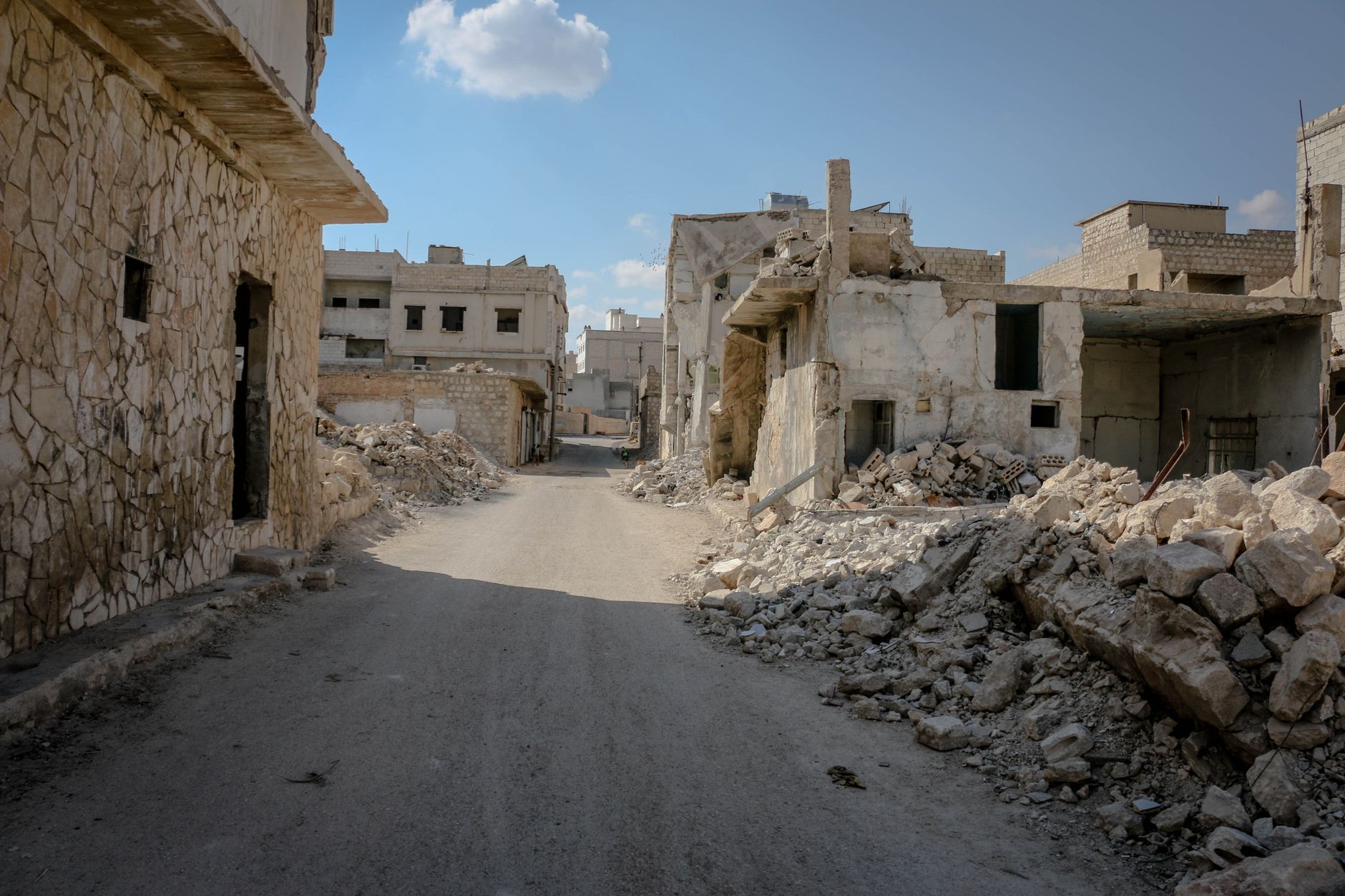
On the ground, the U.S.-Iran conflict manifests as a complex, multi-front shadow war, characterized by a constant interplay of military posturing, economic pressure, and covert operations. In Iraq and Syria, Iranian-backed militias frequently target U.S. forces and interests, leading to retaliatory strikes that underscore the volatile nature of the region. These engagements are often deniable, designed to avoid direct, overt warfare while still projecting power and inflicting costs. The human toll of these skirmishes is significant, with local populations caught in the crossfire, their lives disrupted by the ongoing struggle for regional dominance. This constant state of tension creates an environment where a minor incident can rapidly escalate into a major confrontation.
Economically, the reality for ordinary Iranians is dire. U.S. sanctions have severely crippled Iran's oil exports, devalued its currency, and led to rampant inflation, making essential goods unaffordable for many. This economic hardship has fueled widespread public discontent and protests, which the regime has brutally suppressed. While the sanctions aim to pressure the government, they disproportionately affect the civilian population, creating a humanitarian crisis and deepening anti-American sentiment. The regime, in turn, uses this external pressure to rally nationalist support, further entrenching its hardline stance and making any diplomatic overtures increasingly difficult to achieve.
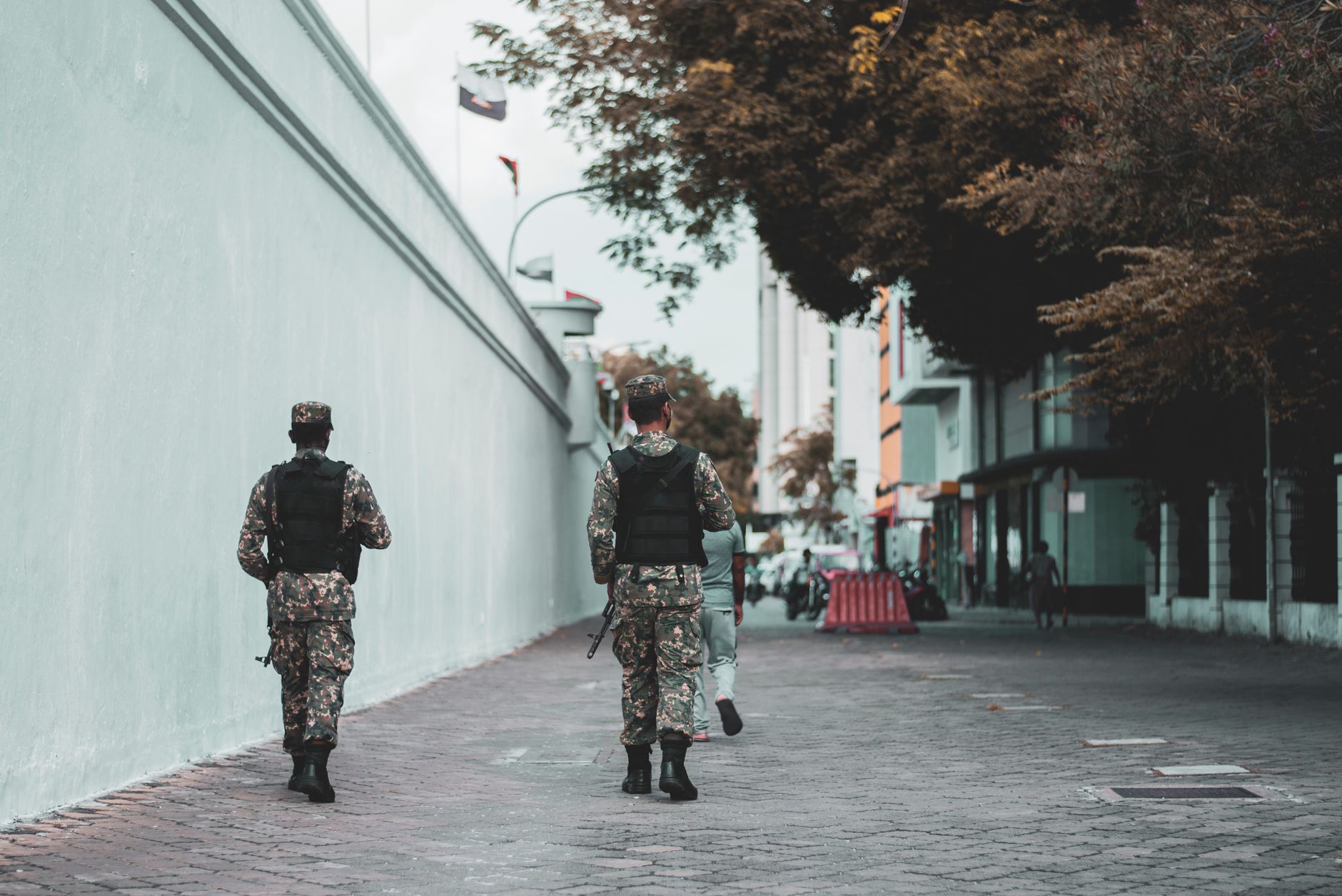
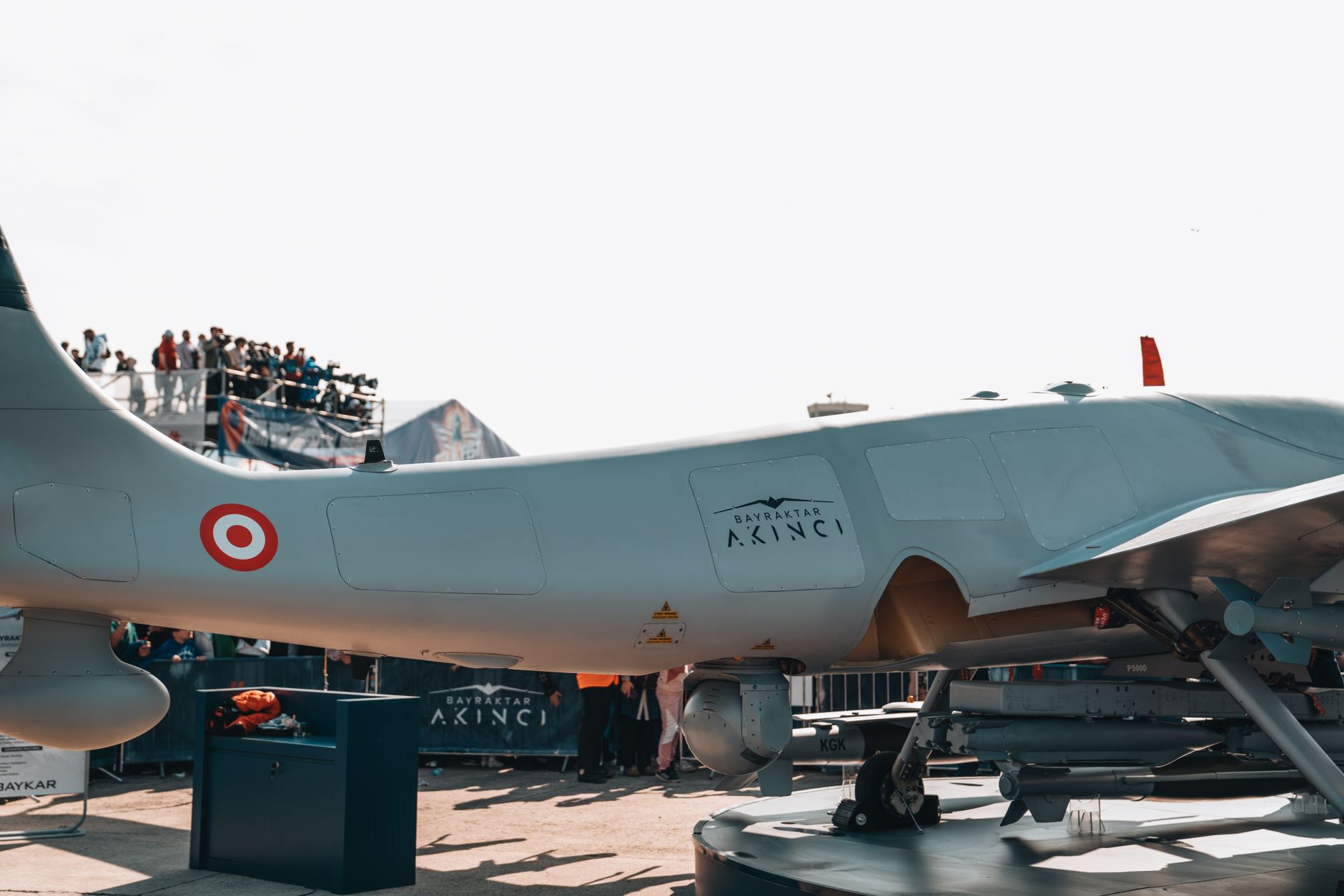
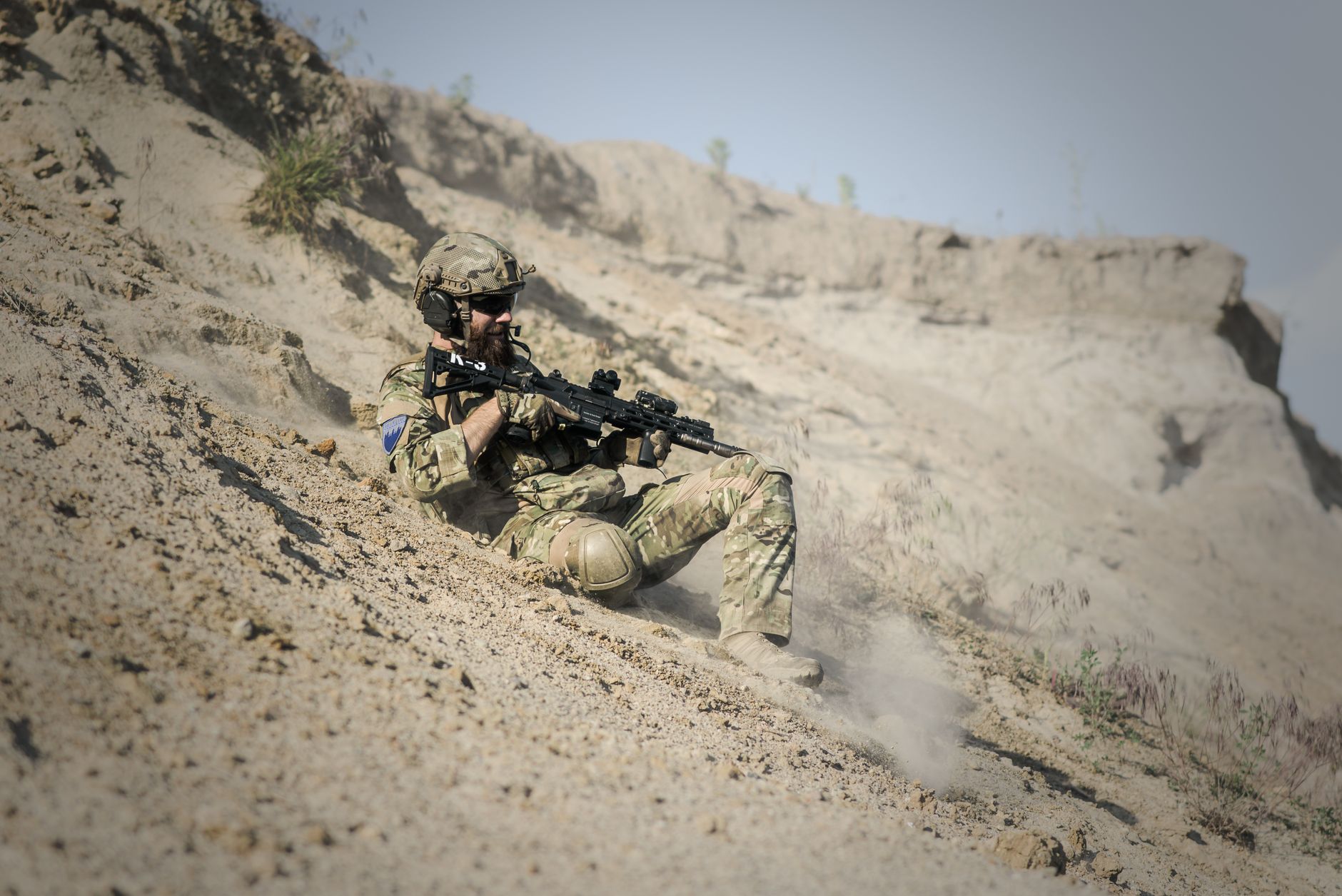
Militarily, both sides maintain a robust presence, constantly monitoring each other's movements. The U.S. deploys naval assets, airpower, and special operations forces across the Gulf, while Iran boasts a formidable array of ballistic missiles, drones, and naval capabilities, including fast-attack craft designed for asymmetric warfare. The constant close encounters in international waters and airspace, particularly in the Strait of Hormuz, create numerous opportunities for miscalculation. Each side's perception of the other's intentions is colored by decades of mistrust, making de-escalation a precarious endeavor and the threat of an accidental war a persistent, terrifying reality for those living in the region.
What Experts Are Saying
Analysts widely agree that the current trajectory of U.S.-Iran relations is unsustainable and fraught with peril. Many foreign policy experts, like those at the Council on Foreign Relations, emphasize that the 'maximum pressure' campaign, while intended to force Iran back to the negotiating table, has instead pushed Tehran to accelerate its nuclear program and deepen its regional provocations. This approach has not yielded the desired behavioral changes but rather a more defiant and unpredictable Iran, making a diplomatic resolution even more elusive. The consensus is that a new strategy is urgently needed, one that balances deterrence with genuine pathways for de-escalation and dialogue.
Security strategists frequently highlight the increased risk of regional escalation due to the proliferation of advanced weaponry and the intricate web of proxy forces. Experts from think tanks such as the Atlantic Council point out that the absence of direct communication channels between Washington and Tehran significantly amplifies the danger of miscalculation. They argue that without a robust diplomatic backchannel, any minor incident, such as a naval encounter or a drone strike, could rapidly spiral out of control, triggering a wider conflict that neither side genuinely desires but could easily find themselves drawn into. The lack of a clear 'off-ramp' is a major concern.
Furthermore, economists and sanctions experts, including those from the International Crisis Group, often debate the effectiveness and ethical implications of the sweeping economic sanctions. While acknowledging their impact on Iran's economy, many argue that these sanctions have failed to alter the regime's core policies and have instead solidified hardline elements by creating a siege mentality. They suggest that continued sanctions without a clear diplomatic path forward risk further destabilizing the region and alienating the Iranian populace, potentially leading to unintended consequences that could be far worse than the current stalemate. A more nuanced approach that offers incentives alongside pressure is frequently advocated.
Frequently Asked Questions
What Happens Next
The immediate future of U.S.-Iran relations remains highly precarious, characterized by a delicate balance of deterrence and the constant threat of escalation. Both nations are likely to continue their strategic maneuvering, with Iran pushing the boundaries of its nuclear program and regional influence, while the U.S. maintains its sanctions regime and military presence. The critical question revolves around whether either side will initiate a significant shift in policy or if external factors, such as a major regional incident, will force a change. Without a clear diplomatic off-ramp, the risk of accidental or deliberate escalation remains alarmingly high, demanding vigilant international monitoring.
Diplomatic efforts, though currently stalled, are crucial for de-escalation. Any potential breakthrough would likely require a renewed commitment from both Washington and Tehran to engage in direct, substantive negotiations, possibly facilitated by international mediators. A return to a modified nuclear deal, or a broader regional security dialogue, could offer a pathway to reducing tensions. However, the deep-seated mistrust and the entrenched positions of hardliners on both sides present formidable obstacles to such an outcome. The global community will continue to press for dialogue, recognizing that a diplomatic solution is the only sustainable path forward.
Looking ahead, the internal dynamics within both the U.S. and Iran will also play a significant role. In Iran, the upcoming political transitions and the ongoing economic hardship could influence the regime's foreign policy decisions, potentially leading to either greater flexibility or increased rigidity. In the U.S., shifts in administration or congressional priorities could alter the approach to Iran, from renewed engagement to intensified pressure. The interplay of these internal and external pressures will ultimately determine whether the U.S.-Iran conflict continues its dangerous trajectory or if a new era of cautious de-escalation can finally begin to take hold.











Comments
No comments yet. Be the first to comment!