

The Numbers
- Approximately 40,000 pounds of chicken salad products are potentially affected by this public health alert, highlighting a significant volume of potentially contaminated food in circulation.
- The alert specifically targets chicken salad products produced on January 25, 2024, emphasizing a narrow but critical production window for the contaminated batch.
- No confirmed reports of illness have been directly linked to the consumption of these specific chicken salad products to date, which is a positive sign but does not diminish the risk.
- Listeriosis, the illness caused by Listeria monocytogenes, leads to an estimated 1,600 illnesses and 260 deaths in the U.S. annually, underscoring the severe public health threat posed by this bacterium.
- Symptoms of listeriosis can appear within 1 to 4 weeks after consuming contaminated food, making it challenging to immediately connect illness to a specific meal and necessitating prompt action.
- The alert was issued by the Food Safety and Inspection Service (FSIS), a crucial agency within the U.S. Department of Agriculture responsible for ensuring the safety of meat, poultry, and egg products.
Context Check
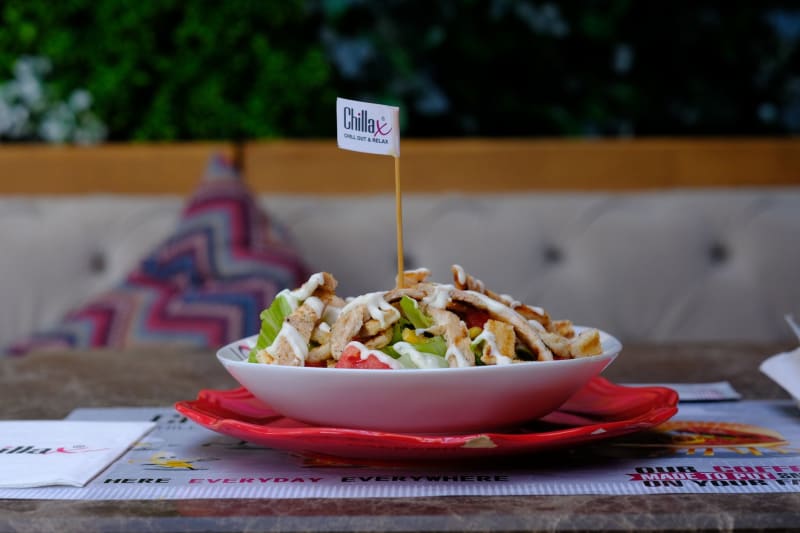
The U.S. Department of Agriculture’s Food Safety and Inspection Service (FSIS) has issued a public health alert concerning certain chicken salad products that may be contaminated with Listeria monocytogenes. This alert is not a recall, as the product is no longer available for purchase; however, it is crucial for consumers who may have purchased and stored these products to be aware of the potential danger. The FSIS is working diligently to ensure public safety by disseminating this information widely, urging consumers to take immediate action to prevent potential illness.
Listeria monocytogenes is a bacterium that can cause listeriosis, a serious infection that primarily affects older adults, pregnant women, newborns, and individuals with weakened immune systems. Symptoms can include fever, muscle aches, headache, stiff neck, confusion, loss of balance, and convulsions. For pregnant women, listeriosis can lead to miscarriage, stillbirth, premature delivery, or life-threatening infection of the newborn. The severity of the illness underscores why such public health alerts are critical and require immediate attention from the public.
The detection of Listeria in food products, even after they have left the supply chain, triggers a rapid response from regulatory bodies like the FSIS. This proactive measure aims to mitigate any potential health risks to consumers who might unknowingly possess contaminated items. While the product is no longer on shelves, the long shelf life of some refrigerated items means that consumers might still have it in their homes, making this alert a vital tool in preventing a broader public health incident. The agency's swift action demonstrates its commitment to safeguarding the nation's food supply.
Background
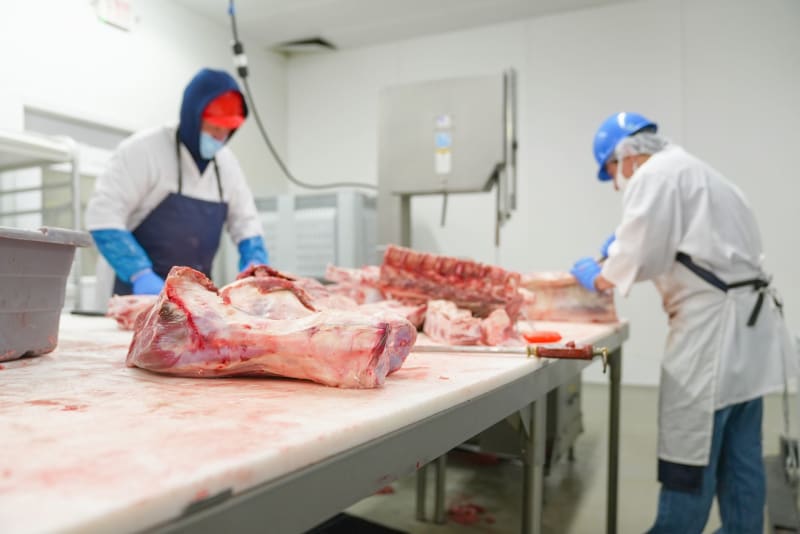
The public health alert was initiated after routine product testing revealed the presence of Listeria monocytogenes in specific batches of chicken salad. This discovery immediately triggered a comprehensive investigation by the FSIS to identify the scope of the contamination and the affected products. Such testing is a cornerstone of food safety protocols, designed to catch potential hazards before they can cause widespread harm. The integrity of the food supply chain relies heavily on these rigorous testing procedures and the swift action taken when contaminants are identified.
The chicken salad products in question were produced on January 25, 2024, and have since been distributed to various retail locations. While the FSIS has not released a comprehensive list of specific retailers, they emphasize that consumers should check any chicken salad products purchased around or after this date. The alert provides specific identifying marks, such as establishment numbers and packaging details, to help consumers accurately identify potentially contaminated items. This level of detail is crucial for effective consumer self-screening and removal of hazardous products from their homes.
Historically, Listeria outbreaks have been linked to a variety of foods, including soft cheeses, deli meats, sprouts, and even ice cream. The bacteria's ability to thrive in refrigerated environments makes it a particularly insidious threat in ready-to-eat products like chicken salad. This incident serves as a stark reminder of the persistent challenges in maintaining food safety standards across complex supply chains and the importance of both producer vigilance and consumer awareness. The FSIS continues to monitor the situation closely and will provide updates as more information becomes available, reinforcing the ongoing nature of food safety efforts.
Winners and Losers
In this unfolding public health alert, the clear 'losers' are undoubtedly consumers who may have purchased and consumed the contaminated chicken salad. While no illnesses have been reported yet, the potential for severe health consequences, especially for vulnerable populations, is significant. The anxiety and uncertainty faced by individuals who might have these products in their refrigerators represent a tangible negative impact. Furthermore, the financial loss incurred by discarding perfectly good-looking food, even if small, adds to the inconvenience and frustration.
The 'losers' also include the food producer and distributors involved. Despite the FSIS clarifying that this is an alert, not a recall, the reputational damage and potential loss of consumer trust can be substantial. Even if the contamination was an isolated incident or an oversight, the association with a dangerous pathogen like Listeria can have long-lasting effects on brand perception and sales. The costs associated with internal investigations, potential legal liabilities, and enhanced future testing protocols can also be considerable, impacting their bottom line.
On the other hand, the 'winners' in this scenario are the robust food safety systems and regulatory bodies, particularly the FSIS, whose proactive testing and swift issuance of the public health alert demonstrate their effectiveness. Their ability to detect and communicate potential hazards before widespread illness occurs is a testament to the importance of such oversight. Public awareness campaigns and consumer education initiatives, which are amplified by these alerts, also emerge as 'winners' by empowering individuals to protect themselves and their families from foodborne pathogens. This incident reinforces the critical role of government agencies in safeguarding public health.
Analyst Perspectives
Food safety analysts emphasize that public health alerts, while concerning, are a sign of a functioning regulatory system. Dr. Emily Carter, a foodborne illness expert, notes, "The rapid detection and communication by the FSIS indicate that surveillance systems are working as intended. While no one wants to hear about contaminated food, it's far better to be alerted proactively than to discover an outbreak after many people have fallen ill." This perspective highlights the critical balance between transparency and preventing panic, ensuring that essential information reaches the public without undue alarm.
Industry observers are closely watching how the affected producers respond to this alert. "Beyond the immediate financial implications, how a company handles such a crisis can define its long-term market position," states Mark Johnson, a supply chain consultant. "Transparency, swift corrective actions, and clear communication with both consumers and retailers are paramount to rebuilding trust. Any perceived hesitancy or lack of accountability could have lasting negative consequences on their brand equity and consumer loyalty." This underscores the importance of a robust crisis management plan for food manufacturers.
Public health advocates are using this incident to reiterate the importance of safe food handling practices at home. "Even with the most stringent regulations, cross-contamination can occur," explains Sarah Lee, a consumer safety advocate. "Consumers must remain vigilant: wash hands thoroughly, clean and sanitize surfaces, and always cook foods to their recommended internal temperatures. This alert serves as a powerful reminder that food safety is a shared responsibility, extending from the farm to our dinner tables." This perspective reinforces the idea that consumer vigilance is a crucial last line of defense against foodborne illnesses, complementing regulatory efforts.
Key Questions Explained
The Outlook
The immediate outlook for this public health alert hinges on effective consumer outreach and vigilance. The FSIS will continue to monitor for any reported illnesses linked to the chicken salad products, and public health agencies will remain on high alert. The goal is to prevent any confirmed cases of listeriosis, and the success of this alert will be measured by the absence of such reports. This incident also serves as a critical learning experience for the food industry, potentially leading to enhanced internal testing protocols and stricter quality control measures to prevent future occurrences.
In the longer term, this event may prompt a review of current food safety regulations and practices, particularly concerning ready-to-eat products that are susceptible to Listeria contamination. Regulatory bodies might consider implementing more frequent or stringent testing requirements for certain categories of food. Furthermore, consumer education campaigns on the risks of Listeria and proper food handling are likely to be reinforced, empowering individuals with the knowledge to protect themselves against foodborne pathogens effectively. The incident underscores the dynamic nature of food safety challenges.
For the affected producer, the path forward involves not only addressing the immediate issue but also rebuilding consumer trust. This will necessitate a transparent and proactive approach, demonstrating a clear commitment to food safety and quality. Investing in advanced pathogen detection technologies and implementing robust traceability systems could be part of their strategy to restore confidence. Ultimately, the industry as a whole is continually challenged to innovate and adapt to emerging food safety threats, ensuring that the food supply remains safe for everyone.













Comments
No comments yet. Be the first to comment!