

Key Takeaways
- Sovereign nations are actively pursuing alternative, non-Western financial systems to insulate their domestic economies from unilateral economic sanctions and foreign policy pressures.
- The expansion of multilateral coalitions like BRICS+ signals a fundamental shift in global governance, diluting the historical dominance of G7 nations in global trade negotiations.
- Supply chain regionalization is rapidly replacing hyper-globalization as countries prioritize proximity and political alignment over raw cost-efficiency to secure critical mineral pipelines.
- Emerging markets are increasingly demanding bilateral trade settlements in local currencies, directly challenging the long-standing hegemony of the United States Dollar in energy markets.
- Technological sovereignty has emerged as a primary national security objective, with states investing heavily in domestic semiconductor fabrication and localized artificial intelligence infrastructure.
- The intersection of climate policy and trade protectionism is creating friction, as developing nations resist carbon border adjustments imposed by highly industrialized Western economies.
Background
The architecture of modern international relations, built largely upon the foundations of the post-World War II Bretton Woods system, is facing its most severe existential challenge in decades. For nearly eighty years, institutions like the International Monetary Fund and the World Bank have dictated the terms of global development and financial stability. However, a growing coalition of emerging economies argues that these bodies no longer reflect the contemporary distribution of global economic power. This dissatisfaction has catalyzed the formation of parallel institutions and diplomatic forums designed to bypass traditional Western-led decision-making channels.
Over the past decade, the rapid rise of China, India, and other major developing economies has fundamentally altered global GDP distribution. Despite this shift, voting shares and leadership structures within legacy international organizations have remained largely static, favoring Western Europe and North America. This persistent representation gap has driven non-Western powers to construct their own financial mechanisms, such as the New Development Bank and the Asian Infrastructure Investment Bank, which offer alternative funding sources with fewer political strings attached.
The acceleration toward a multipolar world order has been further intensified by the strategic use of economic sanctions by Western nations. By weaponizing access to the SWIFT international payment system and freezing sovereign foreign exchange reserves, Western powers have inadvertently signaled to the rest of the world that reliance on the dollar-dominated financial system carries immense geopolitical risk. Consequently, central banks worldwide are diversifying their reserves into gold and local currencies at an unprecedented pace, setting the stage for a fragmented global monetary landscape.
Why It Matters
The fragmentation of the global economic order is not merely an academic concern; it has immediate, real-world consequences for multinational corporations, international investors, and everyday consumers. As world leaders establish competing regulatory frameworks and trade blocs, the cost of doing business across borders is projected to rise significantly. Companies can no longer rely on a single, unified global market, forcing them to duplicate supply chains and navigate conflicting compliance standards that threaten to erode profit margins and suppress global growth.
Furthermore, the shift away from the US dollar as the undisputed global reserve currency could trigger profound macroeconomic instability. If demand for dollar-denominated assets declines, the United States may face escalating borrowing costs, which would reverberate through global debt markets. Emerging markets, conversely, could experience heightened currency volatility as they transition to bilateral settlement mechanisms, complicating inflation management and fiscal planning for vulnerable governments worldwide.
Ultimately, this geopolitical realignment threatens to stall international cooperation on critical global challenges, most notably climate change and pandemic preparedness. When major powers view every technological and economic transaction through the lens of national security, collaborative scientific research and technology transfers grind to a halt. Without a functional framework for multilateral cooperation, the international community risks failing to meet emission reduction targets, leaving the planet vulnerable to unchecked environmental degradation.
Ground Reality
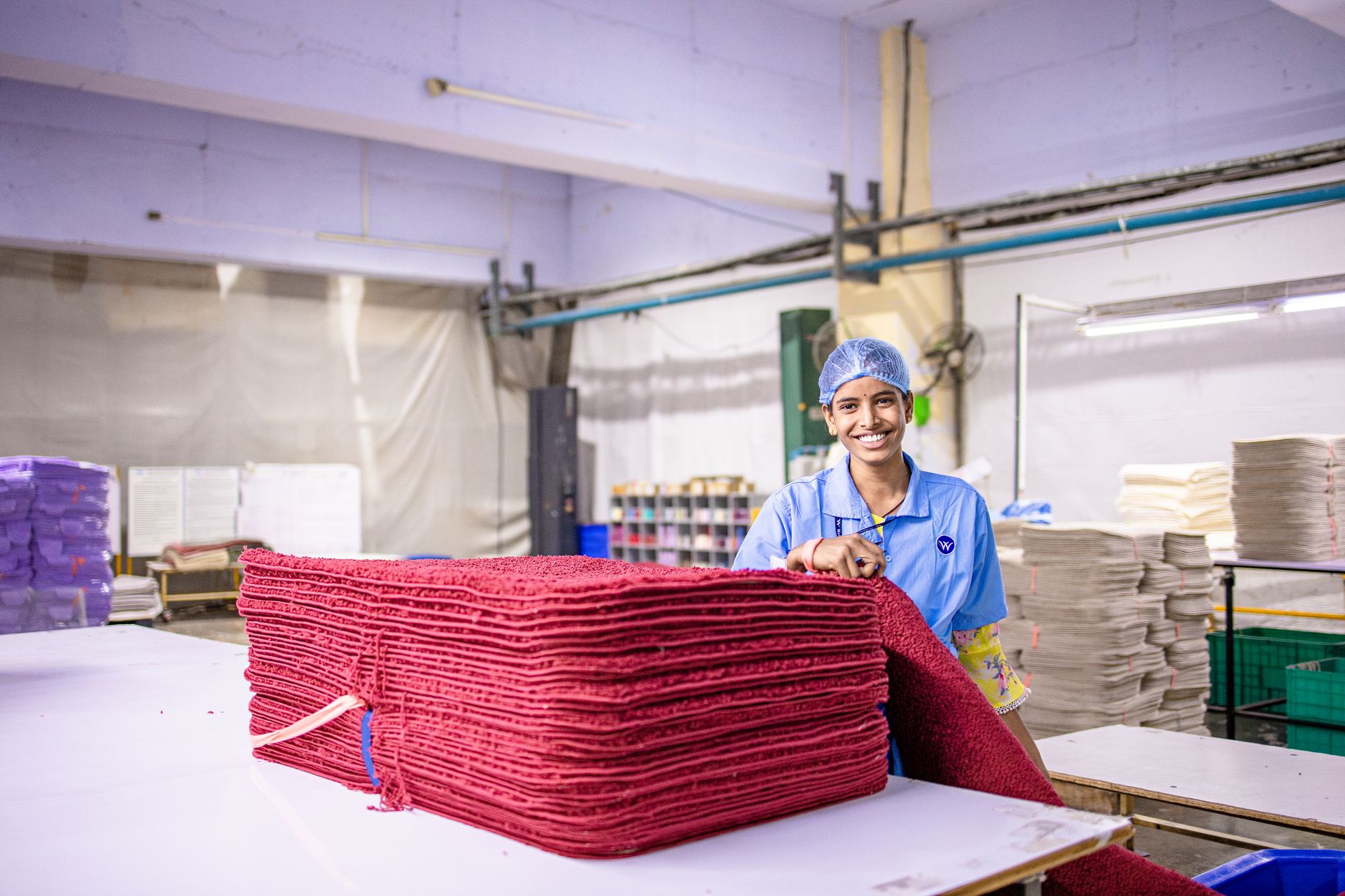
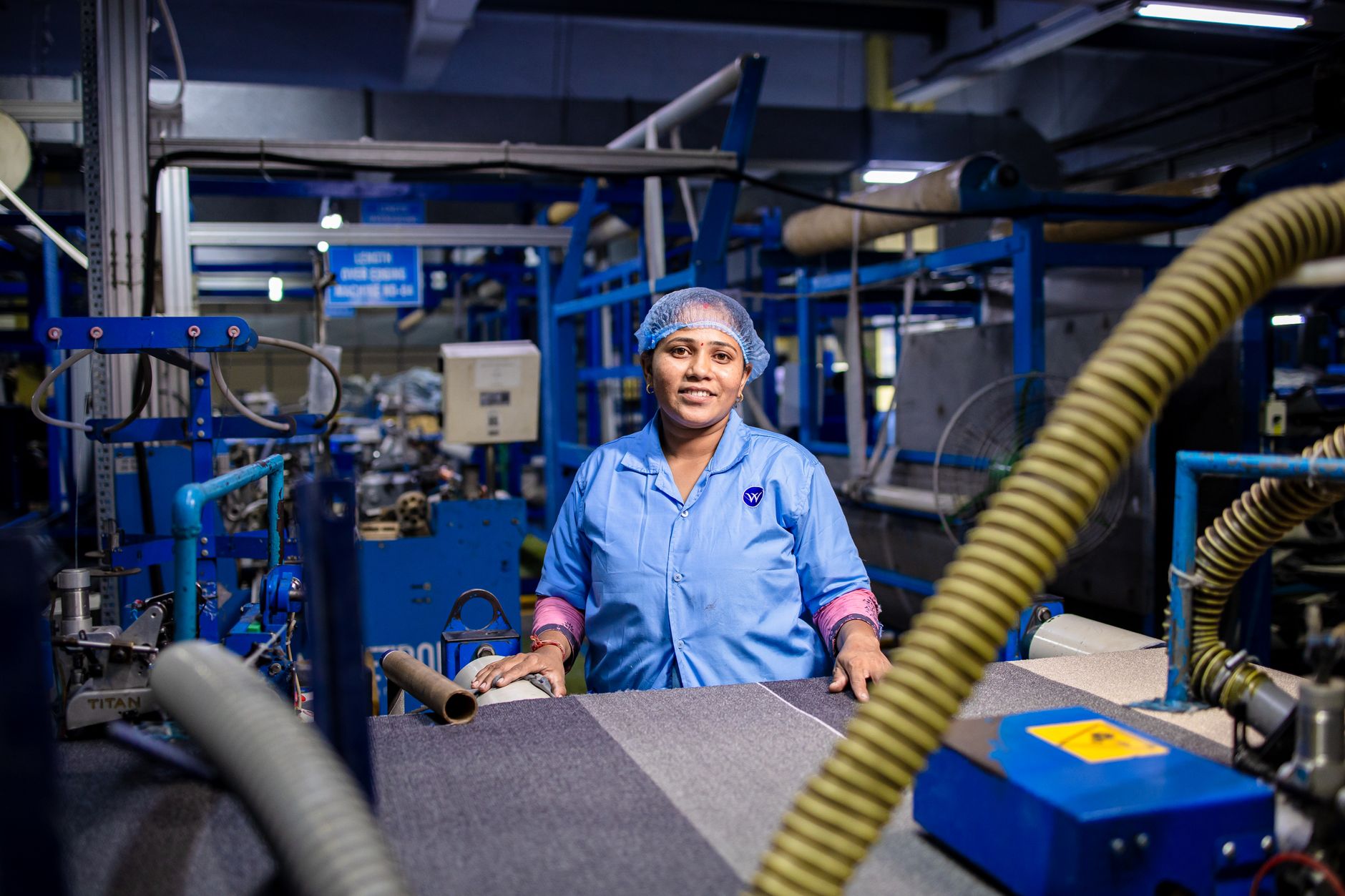
On the ground, the transition to a multipolar trade environment is characterized by logistical friction and escalating regulatory hurdles. In major manufacturing hubs across Southeast Asia and Latin America, factory managers are grappling with the complex realities of 'friend-shoring.' While Western companies seek to relocate production away from geopolitical rivals, local infrastructure in alternative host countries is often insufficient to handle the sudden influx of demand, leading to port congestion, energy shortages, and localized labor inflation.
At the same time, the enforcement of export controls on critical technologies has created a thriving gray market for restricted components. Customs officials worldwide are struggling to monitor dual-use technologies that bypass sanctions through complex networks of intermediary companies located in neutral jurisdictions. This cat-and-mouse game has added layers of administrative burden to legitimate exporters, who must now conduct exhaustive due diligence on every customer and end-user to avoid catastrophic regulatory penalties.
For small and medium-sized enterprises in developing nations, the geopolitical tug-of-war presents both unique opportunities and severe risks. While some local firms are winning lucrative contracts as multinational corporations diversify their supplier bases, others find themselves cut off from essential software platforms and financial services due to over-compliance by risk-averse Western banks. This financial exclusion threatens to widen the digital divide and stunt entrepreneurial growth in the Global South.
What Experts Are Saying
Leading geopolitical analysts argue that the current wave of de-globalization is irreversible, representing a structural shift rather than a temporary cyclical downturn. Scholars from prominent international think tanks suggest that the world is splitting into distinct economic spheres of influence, reminiscent of the Cold War but with far greater economic interdependence between the rival blocs. This high level of integration makes a clean decoupling virtually impossible, ensuring that economic friction will remain a permanent feature of international commerce.
Economists specializing in monetary policy warn that the proliferation of bilateral trade agreements settled in local currencies will inevitably lead to a more volatile global financial system. They point out that while local currency settlement reduces transaction costs in the short term, it exposes trading partners to significant exchange rate risks, as many emerging market currencies lack the liquidity and deep capital markets necessary to absorb large-scale macroeconomic shocks.
Conversely, some development experts view the rise of alternative institutions as a positive step toward a more equitable global order. They argue that competition among development lenders will force legacy institutions like the World Bank to streamline their bureaucratic processes and offer more favorable terms to developing nations. This shift could ultimately democratize access to capital, allowing long-ignored regions to secure the funding needed for vital infrastructure projects.

Frequently Asked Questions
What Happens Next
In the coming months, the international community will watch closely as newly expanded multilateral coalitions convene to formalize their economic agendas. The implementation of unified payment systems designed to bypass Western financial networks will be a critical litmus test for these alliances. If these alternative systems gain widespread traction, they could rapidly accelerate the fragmentation of global commerce, forcing businesses to choose between competing financial ecosystems.
Simultaneously, we can expect an escalation in trade defense measures, with industrialized nations increasingly deploying carbon tariffs, anti-subsidy investigations, and strict export controls to protect their domestic markets. This protectionist spiral threatens to trigger retaliatory measures from emerging economies, potentially leading to localized trade wars that could disrupt supplies of critical raw materials and agricultural commodities.
Despite these rising tensions, pragmatic bilateralism will likely emerge as the dominant diplomatic strategy. Countries will continue to seek flexible, issue-specific partnerships rather than committing to rigid, permanent alliances. This fluid geopolitical landscape will reward diplomatic agility, allowing nations that successfully navigate the shifting dynamics to secure valuable economic and technological advantages in a highly competitive world.














Comments
No comments yet. Be the first to comment!