
Key Takeaways
- Former President Donald Trump has issued a stark and unequivocal warning to Iran, asserting that the nation is poised to "get a beating" as regional conflicts continue to intensify.
- The current conflict in the Middle East has now stretched into its fifth month, demonstrating a disturbing trajectory of escalation and a widening scope of engagement across multiple fronts.
- Trump's commentary underscores a persistent hardline stance against Iran, echoing sentiments from his presidency and signaling a potential return to aggressive foreign policy if he were to regain office.
- The expansion of hostilities beyond initial flashpoints raises serious concerns about regional stability and the potential for a broader, more devastating confrontation involving global powers.
- International diplomatic efforts appear increasingly strained as rhetoric hardens and military posturing becomes more pronounced, leaving little room for de-escalation through traditional channels.
- The economic implications of a prolonged and expanding conflict are severe, threatening global energy markets, disrupting trade routes, and potentially triggering a new wave of humanitarian crises in the affected areas.
Background
The Middle East has been a crucible of geopolitical tension for decades, but the current five-month conflict marks a particularly dangerous escalation. What began as localized skirmishes has metastasized into a multifaceted regional crisis, drawing in various state and non-state actors with complex, often conflicting, agendas. This prolonged period of instability has seen an increase in cross-border attacks, proxy engagements, and a significant buildup of military presence from both regional and international forces, creating a volatile environment where miscalculation could lead to catastrophic outcomes. The historical grievances and ideological divides that underpin many of these conflicts are now more pronounced than ever, making any path to de-escalation incredibly challenging.
Former President Donald Trump's recent declaration that Iran is set to "get a beating" is not an isolated statement but rather a continuation of a consistent foreign policy posture he adopted during his time in office. His administration pursued a strategy of "maximum pressure" against Iran, withdrawing from the Joint Comprehensive Plan of Action (JCPOA), reimposing stringent sanctions, and engaging in targeted military actions. This hardline approach was predicated on the belief that economic strangulation and overt threats would compel Iran to alter its regional behavior and nuclear ambitions. The current rhetoric, therefore, serves as a powerful reminder of the potential direction of U.S. policy should Trump return to the presidency, suggesting a renewed emphasis on confrontation over negotiation.
The expansion of the conflict is a critical development, moving beyond initial flashpoints to encompass a wider geographical area and a more diverse array of targets. This broadening scope includes maritime incidents, drone attacks, and increased activity from various militant groups, all contributing to a dangerous tapestry of interconnected hostilities. The interconnectedness of these conflicts means that an escalation in one area can quickly ripple across the entire region, potentially drawing in more actors and further complicating any efforts to establish peace. The international community watches with bated breath, recognizing the profound implications for global security and economic stability if this trend of expansion continues unchecked.
Why It Matters
The escalating rhetoric and military posturing, particularly Trump's explicit warning to Iran, carry immense weight and could fundamentally reshape the geopolitical landscape of the Middle East. Such pronouncements from a former, and potentially future, U.S. President are not merely political statements; they are signals that can be interpreted by adversaries and allies alike as precursors to significant policy shifts. This could embolden certain regional actors while isolating others, leading to a dangerous recalibration of alliances and a heightened risk of direct confrontation. The region, already a tinderbox, could see its delicate balance shattered, triggering a domino effect of instability that extends far beyond its borders.
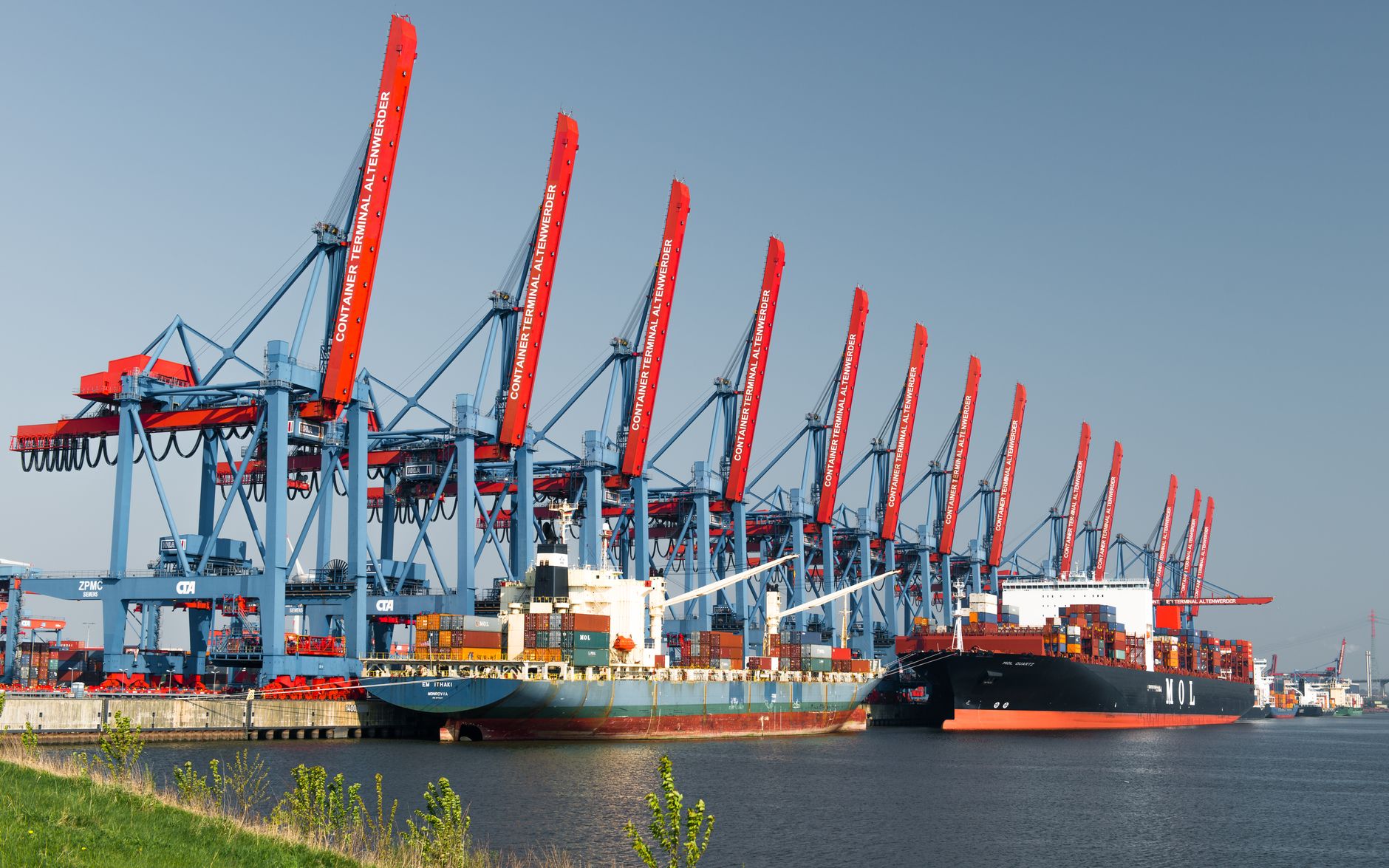
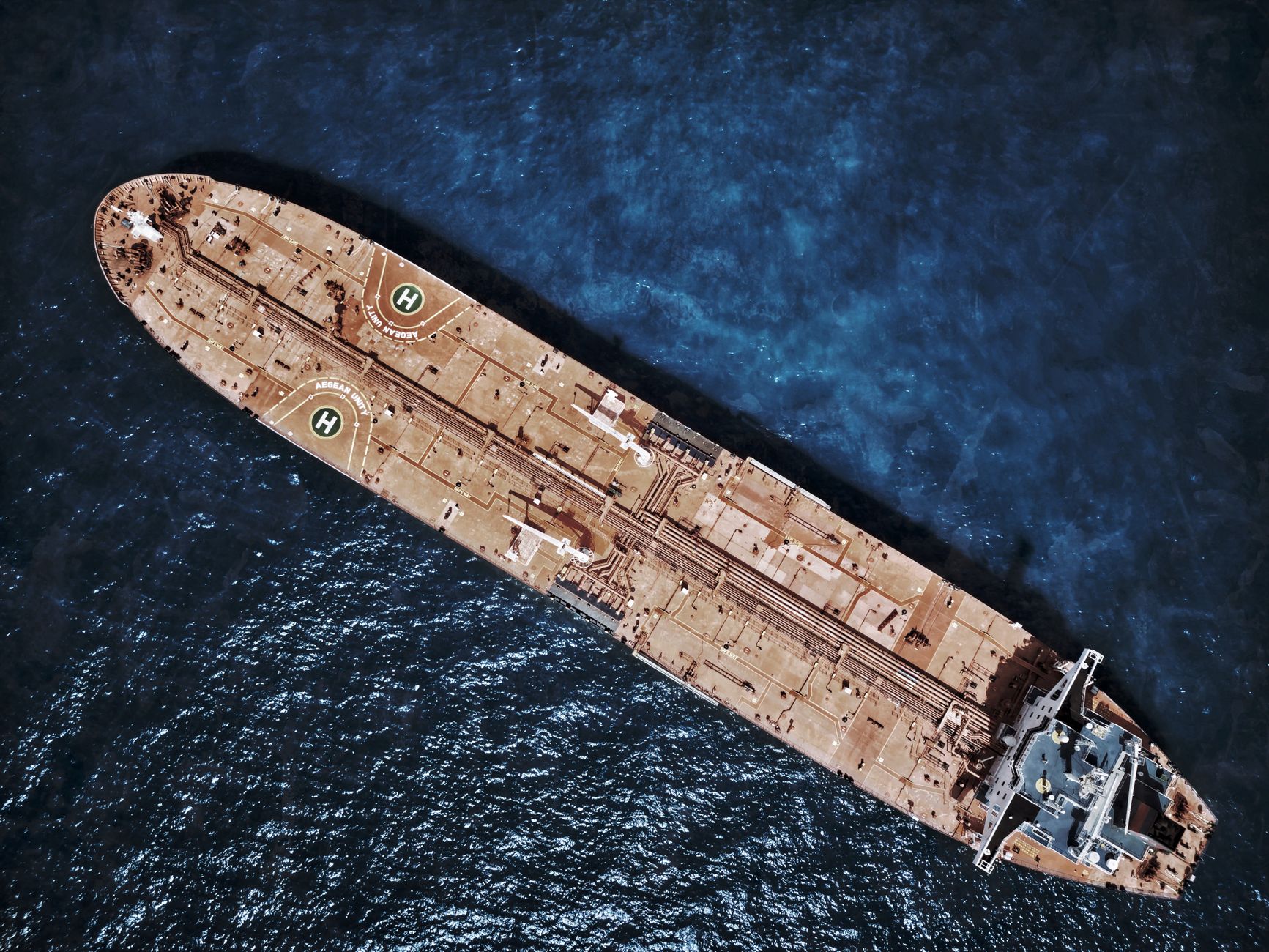
A direct military confrontation between the United States and Iran, or even a significantly intensified proxy war, would have catastrophic consequences not only for the immediate region but for the global economy and international security. The Strait of Hormuz, a vital chokepoint for global oil shipments, could be jeopardized, sending crude oil prices soaring and potentially triggering a worldwide economic recession. Furthermore, such a conflict would inevitably lead to a devastating humanitarian crisis, displacing millions, exacerbating existing refugee challenges, and creating a new generation of instability. The ripple effects would be felt across continents, impacting trade routes, supply chains, and the overall fabric of international relations.
Beyond the immediate military and economic ramifications, the long-term implications for regional stability and global power dynamics are profound. An expanded conflict could empower extremist groups, further destabilize fragile states, and create new breeding grounds for radicalization. It could also force a re-evaluation of international alliances, potentially drawing in other global powers and transforming regional disputes into broader international crises. The credibility of international institutions and diplomatic efforts would be severely tested, raising questions about the efficacy of peaceful conflict resolution in an increasingly confrontational world. The stakes could not be higher, demanding a nuanced and cautious approach from all parties involved.
Ground Reality
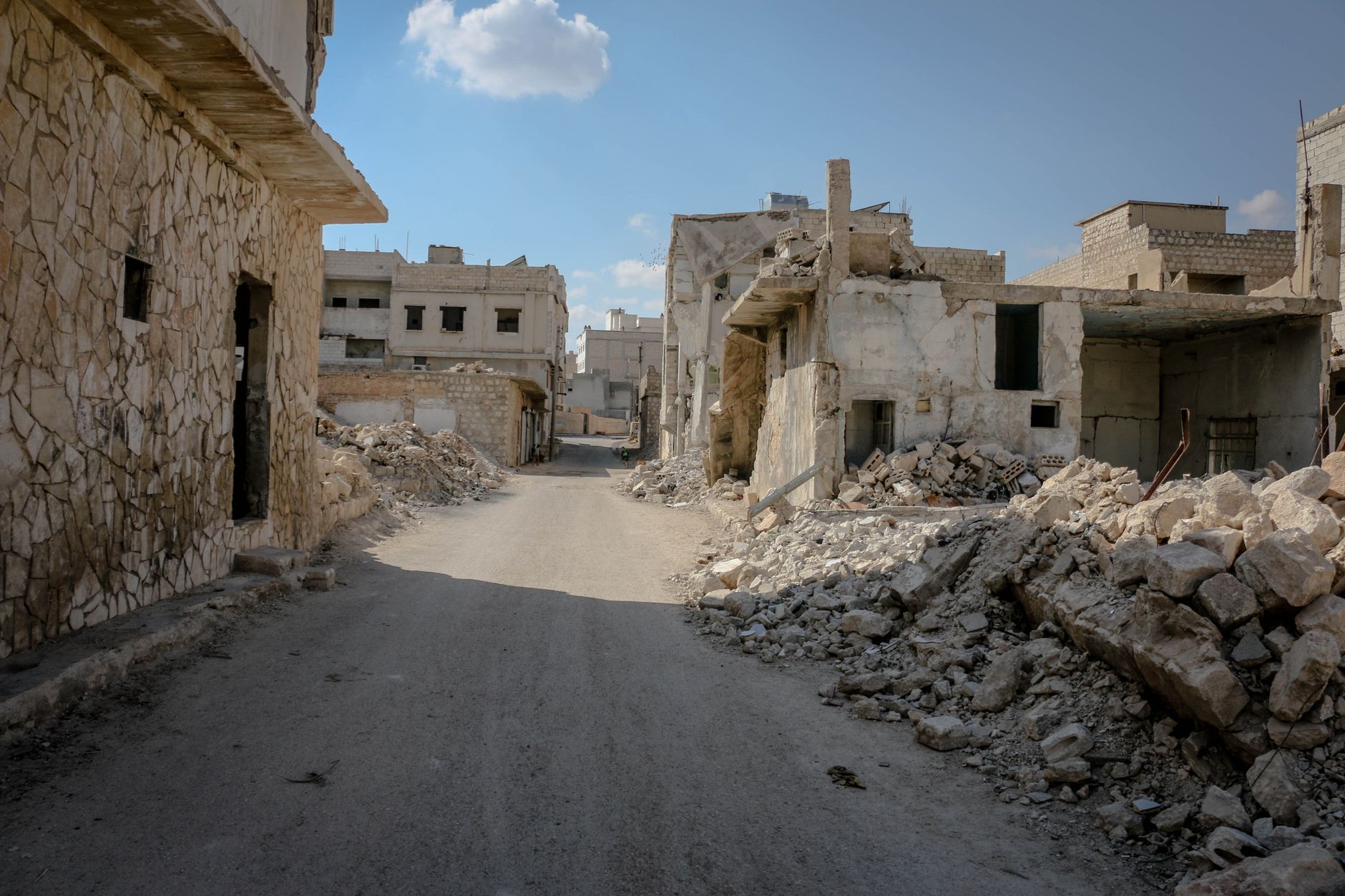
On the ground, the situation is increasingly dire and complex. The five-month war has already inflicted a heavy toll, characterized by widespread destruction, significant civilian casualties, and a growing humanitarian crisis. Infrastructure vital for daily life, including hospitals, schools, and residential areas, has been severely damaged or destroyed, leaving communities struggling to cope. The psychological impact on the population, particularly children, is immense, with countless individuals experiencing trauma and displacement. Access to basic necessities like food, water, and medical supplies is becoming increasingly challenging in many areas, exacerbating an already desperate situation and highlighting the urgent need for sustained humanitarian aid.
The expansion of hostilities has manifested in several disturbing ways, including an uptick in cross-border missile and drone attacks, increased maritime incidents in critical shipping lanes, and intensified proxy engagements across multiple theaters. These actions are not isolated but rather part of a broader, interconnected strategy by various actors to exert influence and challenge existing power structures. The use of advanced weaponry and asymmetric tactics by non-state actors, often supported by regional powers, further complicates the battlefield, making it difficult to distinguish between combatants and civilians and increasing the risk of unintended escalation. The intricate web of alliances and rivalries means that a localized skirmish can rapidly spiral into a broader regional confrontation.
Local populations are bearing the brunt of this escalating conflict. Reports from aid organizations and independent observers paint a grim picture of communities caught in the crossfire, facing daily threats to their safety and livelihoods. The disruption of essential services, coupled with the constant fear of violence, has led to mass displacement, with millions forced to abandon their homes in search of safety. These displaced populations often face inadequate living conditions, limited access to healthcare, and a severe lack of resources, creating a protracted humanitarian emergency. The resilience of these communities is being tested to its limits, underscoring the profound human cost of geopolitical tensions and the urgent need for a peaceful resolution.
What Experts Are Saying
Many foreign policy analysts are interpreting Trump's recent comments as a clear indication of his potential approach to Iran should he return to power. Dr. Evelyn Stone, a Middle East scholar at Georgetown University, notes, "Trump's rhetoric is consistent with his 'America First' doctrine, prioritizing a strong, assertive posture. This isn't just campaign trail bluster; it's a strategic signal to both allies and adversaries that a second Trump administration would likely double down on maximum pressure, potentially even escalating beyond what we saw in his first term. The implications for diplomacy are dire, as it leaves little room for negotiation or de-escalation through traditional channels." This perspective suggests a future where diplomatic solutions might take a backseat to more confrontational strategies, further entrenching the region's divisions.
Regional security experts are expressing deep concern over the expanding nature of the conflict. Marcus Thorne, a senior analyst at the International Crisis Group, warns, "What began as a contained conflict has now undeniably metastasized into a multi-front regional crisis. The interconnectedness of these flashpoints – from the Red Sea to Syria and Iraq – means that an escalation in one area could easily trigger a cascade of reactions across the entire region. We are seeing a dangerous erosion of red lines, and the risk of miscalculation leading to a direct, large-scale confrontation between major powers is higher than it has been in decades. This requires immediate, concerted international diplomatic intervention to prevent a full-blown regional war." His assessment underscores the fragility of the current situation and the urgent need for de-escalation.
Economists are also weighing in, highlighting the severe global economic repercussions of an intensified conflict. Dr. Anya Sharma, an expert in global energy markets, explains, "The Middle East remains the world's primary oil spigot. Any significant disruption to oil production or, critically, to shipping lanes like the Strait of Hormuz, would send shockwaves through the global economy. We're not just talking about higher gas prices; we're talking about supply chain disruptions, inflationary pressures, and a potential global recession. Businesses worldwide rely on the stability of this region, and an expanded war would introduce an unbearable level of uncertainty, impacting everything from manufacturing costs to consumer spending." This economic perspective adds another layer of urgency to the calls for peace, emphasizing the far-reaching consequences of continued conflict.

Frequently Asked Questions
What Happens Next
The immediate future of the Middle East hinges precariously on the response to these escalating warnings and the ongoing military actions. We can anticipate a period of heightened vigilance and increased military posturing from all sides involved. Iran, in particular, will likely interpret Trump's comments as a direct threat, potentially leading to a more defiant stance and a hardening of its regional policies. This could manifest in further support for its proxies, increased naval activity, or even a acceleration of its nuclear program, creating a dangerous cycle of provocation and retaliation. The international community will be watching closely for any overt moves that could trigger a more direct and devastating conflict.
Diplomatic efforts, while seemingly sidelined by the aggressive rhetoric, will likely intensify behind the scenes. Major global powers, acutely aware of the potential for a catastrophic regional war, will undoubtedly engage in frantic back-channel negotiations to prevent further escalation. However, the effectiveness of these efforts will depend heavily on the willingness of all parties to de-escalate and find common ground, a prospect that appears increasingly challenging given the entrenched positions and deep-seated animosities. Public statements from key international figures will be scrutinized for any signs of a shift towards de-escalation or, conversely, further confrontation.
Looking further ahead, the outcome of upcoming elections, particularly in the United States, will play a pivotal role in shaping the trajectory of this conflict. A potential return of Donald Trump to the presidency could signal a significant shift towards a more confrontational U.S. foreign policy in the region, potentially reigniting the 'maximum pressure' campaign against Iran and increasing the likelihood of direct military engagement. Conversely, a different administration might prioritize diplomatic engagement and de-escalation, though the deep-seated nature of the conflict means that any path to peace will be fraught with challenges. The next few months will be critical in determining whether the region descends into a wider war or finds a precarious path towards stability.










Comments
No comments yet. Be the first to comment!