
Key Takeaways
- The U.S. Treasury Department has levied new sanctions against a vast network of individuals and entities implicated in facilitating Iran's illicit oil sales, directly targeting the financial arteries of Tehran's regime.
- These stringent measures aim to dismantle Iran's sophisticated scheme for circumventing international oil sanctions, which has enabled the regime to generate substantial revenue despite global restrictions.
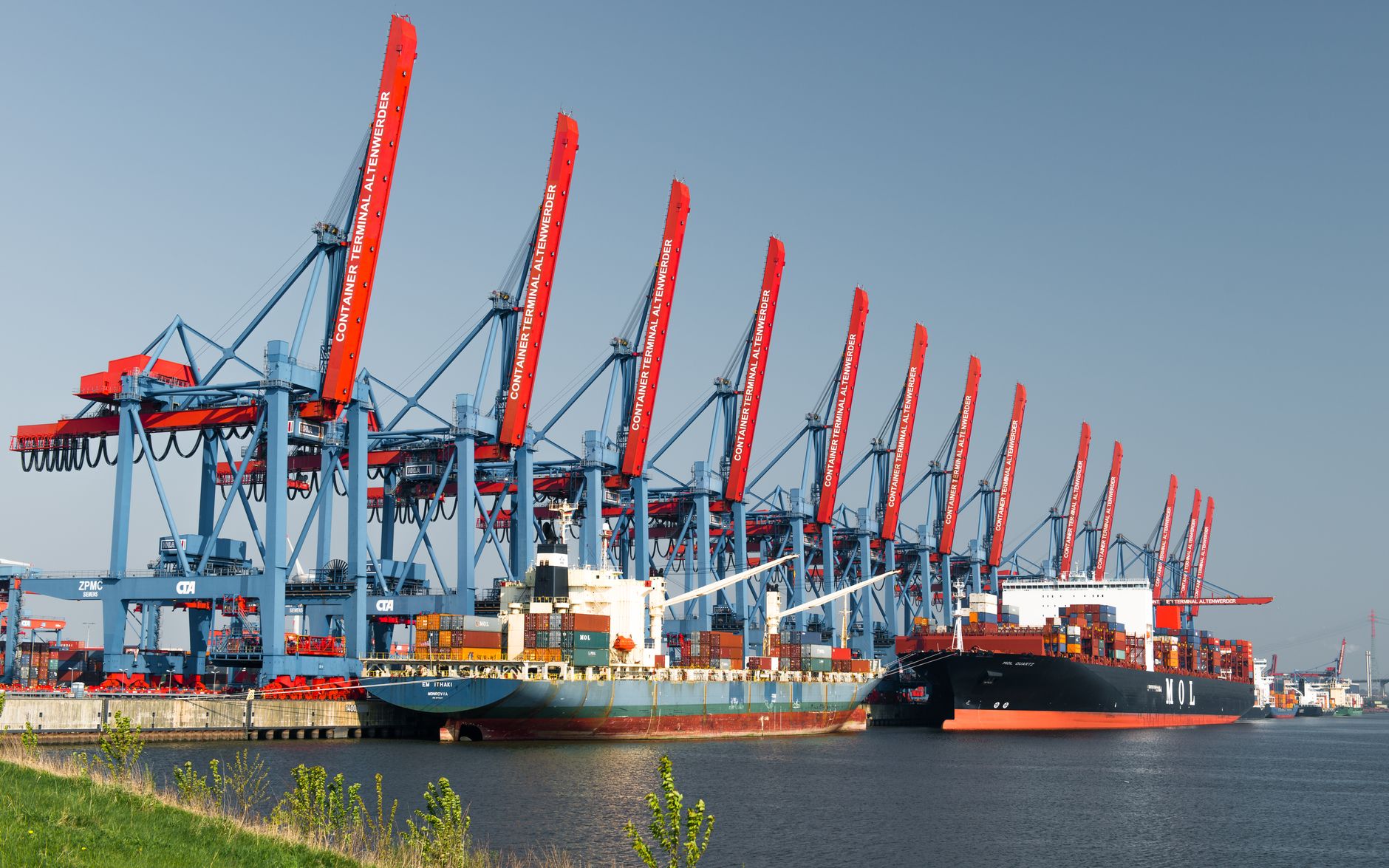
- The targeted network includes companies based in Hong Kong, Marshall Islands, and Turkey, highlighting the global reach and intricate nature of Iran's oil smuggling operations and its reliance on international intermediaries.
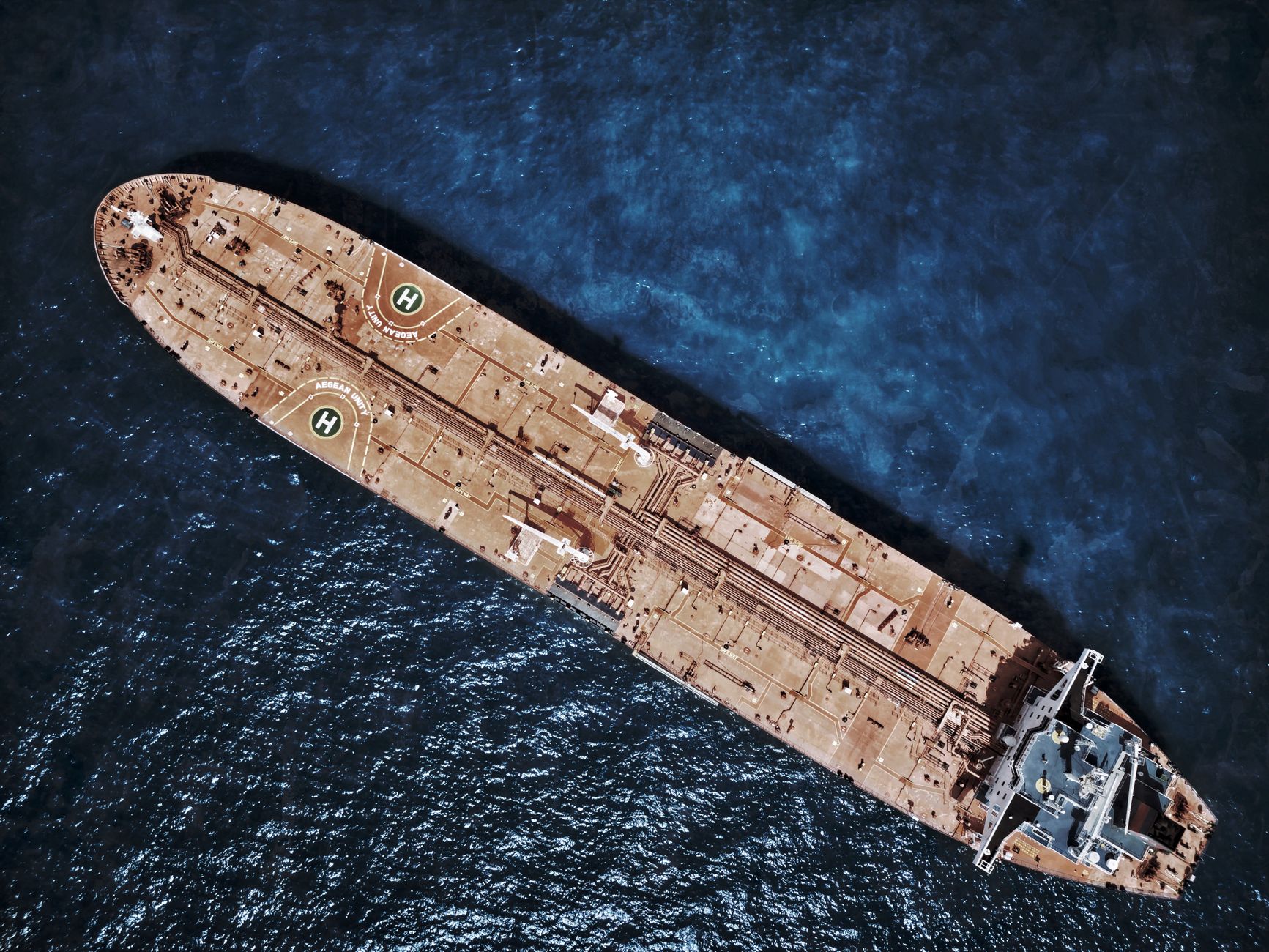
- Sanctions were specifically imposed on 11 entities and 1 individual, identified as key players in the procurement, sale, and shipment of Iranian petroleum and petrochemical products, underscoring a precise and intelligence-driven approach.
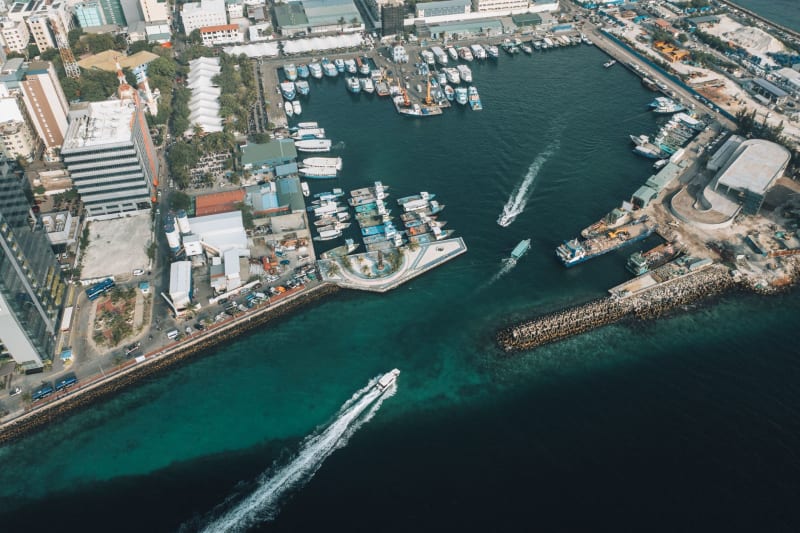
- This latest round of sanctions is a direct response to Iran's continued attempts to destabilize maritime security in the Strait of Hormuz, a critical global shipping lane, and its broader support for proxy groups in the region.
- The U.S. government has explicitly warned the international shipping industry about the severe legal and financial repercussions of engaging in transactions involving Iranian oil, reinforcing its commitment to enforcing existing sanctions.
Background
The United States has a long-standing policy of imposing economic sanctions on Iran, primarily aimed at curbing its nuclear program, ballistic missile development, and support for regional proxy groups. These sanctions have significantly impacted Iran's ability to sell its oil on international markets, a crucial source of revenue for the regime. Despite these restrictions, Iran has consistently sought innovative and often illicit methods to bypass the sanctions, creating complex networks involving numerous intermediaries and shell companies across various jurisdictions.
The Strait of Hormuz, a narrow waterway connecting the Persian Gulf to the open ocean, is a choke point for global oil shipments, with approximately one-fifth of the world's oil passing through it daily. Iran's actions in this strategic maritime corridor, including the harassment and seizure of commercial vessels, have frequently heightened regional tensions and raised concerns about the security of international shipping. These incidents are often perceived as direct challenges to global maritime freedom and stability, prompting strong reactions from international powers.
Previous U.S. administrations have also utilized sanctions as a primary tool to exert pressure on Iran. However, the current administration has demonstrated a renewed focus on disrupting Iran's illicit financial networks with a particular emphasis on its energy sector. This sustained pressure reflects a broader strategy to limit Iran's financial resources, thereby constraining its ability to fund activities deemed destabilizing to regional and global security. The intricate web of sanctions aims to isolate Iran economically and compel it to alter its foreign policy and domestic actions.
Why It Matters
These new sanctions are not merely a bureaucratic action; they represent a significant escalation in the economic warfare against Iran's illicit oil trade. By targeting the sophisticated networks that enable Tehran to bypass existing restrictions, the U.S. aims to severely curtail Iran's revenue streams. This directly impacts the regime's capacity to fund its controversial nuclear program, develop advanced ballistic missiles, and support proxy militias across the Middle East, which are often at the heart of regional instability. The financial squeeze is designed to force a reconsideration of these policies.
The stability of the Strait of Hormuz is paramount for global energy security. Any disruption in this vital waterway, whether through direct confrontation or increased piracy, can send shockwaves through international oil markets, leading to price spikes and supply chain uncertainties. By disrupting Iran's ability to profit from illicit oil sales, the U.S. hopes to reduce the financial incentive for Iran to engage in destabilizing maritime activities, thereby safeguarding the free flow of commerce and energy that underpins the global economy.
Furthermore, these sanctions send a clear message to international actors, including shipping companies, financial institutions, and commodity traders, that facilitating Iran's illicit oil trade carries substantial risks. The U.S. Treasury's explicit warnings serve as a deterrent, compelling businesses to conduct more rigorous due diligence and avoid transactions that could lead to severe penalties, including asset freezes and exclusion from the U.S. financial system. This broadens the impact of the sanctions beyond direct targets, creating a chilling effect across the global maritime and financial sectors.
Ground Reality
On the ground, Iran's economy continues to grapple with the cumulative effect of years of international sanctions. While the illicit oil trade provides a vital lifeline, it operates under constant threat and at a significant discount compared to market prices. This forces Iran to expend considerable resources on developing and maintaining complex evasion tactics, diverting funds and expertise that could otherwise be used for domestic development. The sanctions have undeniably constrained economic growth and exacerbated inflationary pressures within the country, leading to public discontent and social challenges.
The international shipping industry finds itself in a precarious position. Companies operating in the Persian Gulf and the Strait of Hormuz must navigate not only the geopolitical risks posed by Iran's actions but also the legal complexities of U.S. sanctions. The threat of being blacklisted or facing severe fines for inadvertently facilitating Iranian oil sales creates a climate of heightened caution and increased operational costs. Many legitimate businesses are now implementing stricter compliance protocols to avoid any association with sanctioned entities or activities, leading to a more challenging environment for all maritime trade in the region.
Despite the U.S. efforts, Iran has demonstrated remarkable resilience in adapting to sanctions. Its network of intermediaries spans multiple countries and jurisdictions, making it challenging to completely dismantle. The use of 'dark fleets' – vessels that obscure their identities and movements – and sophisticated financial schemes allows a significant portion of its oil to reach markets, albeit through clandestine channels. This ongoing cat-and-mouse game highlights the difficulty of fully isolating a determined state actor, even with extensive international pressure, and underscores the need for continuous vigilance and evolving enforcement strategies.
What Experts Are Saying
Many geopolitical analysts view these sanctions as a clear signal of the U.S.'s unwavering commitment to its maximum pressure campaign against Iran. "This isn't just about oil; it's about denying Iran the resources to project power and destabilize the region," stated Dr. Eleanor Vance, a Middle East policy expert. "The precision of these sanctions, targeting specific entities and individuals, indicates a sophisticated intelligence effort to unravel Iran's intricate web of illicit trade. It's a testament to the ongoing cat-and-mouse game between Washington and Tehran, where each side continually seeks to outmaneuver the other in the economic sphere."
Maritime security specialists emphasize the broader implications for global shipping. Captain Mark Jenkins, a former naval officer and current shipping consultant, commented, "The Strait of Hormuz remains a flashpoint. These sanctions, while aimed at Iran, inevitably increase the risk profile for all vessels operating in the region. Companies must enhance their due diligence and risk assessment protocols, as the consequences of non-compliance are severe. The ripple effects of such actions extend beyond the immediate targets, impacting insurance premiums, shipping routes, and overall operational costs for legitimate trade worldwide."
Economists, however, offer a more nuanced perspective on the ultimate effectiveness. Dr. Anya Sharma, an expert in international finance, noted, "While these sanctions will undoubtedly inflict further pain on Iran's economy and complicate its illicit trade, history shows that determined regimes often find new avenues for circumvention. The challenge lies in sustaining this pressure over the long term without inadvertently harming global energy markets or alienating key international partners. The effectiveness will be measured not just by the immediate disruption, but by whether it genuinely alters Iran's strategic calculus in the long run." This highlights the complex balance between pressure and unintended consequences.
Frequently Asked Questions
What Happens Next
In the immediate aftermath of these sanctions, we can anticipate a period of heightened vigilance from both U.S. authorities and the international shipping community. OFAC will likely continue to monitor global maritime activity closely, ready to identify and sanction any additional entities or individuals found to be facilitating Iran's illicit oil trade. This ongoing enforcement will compel shipping companies and financial institutions to further scrutinize their operations and supply chains, leading to a more cautious approach to transactions involving the Persian Gulf region. The pressure on Iran's financial lifelines is expected to intensify, making it even harder for the regime to conduct its illicit business.
Iran, in turn, is expected to seek new, more elaborate methods to circumvent these tightened restrictions. This could involve developing even more sophisticated 'dark fleet' tactics, exploring new intermediaries in less scrutinized jurisdictions, or employing innovative financial instruments to mask transactions. The cat-and-mouse game between U.S. enforcement and Iranian evasion will likely continue, with each side adapting to the other's moves. This ongoing struggle underscores the difficulty of completely isolating a determined state actor, even under intense international pressure, and suggests that the illicit trade will persist, albeit under greater duress.
Looking ahead, the long-term impact of these sanctions will depend on several factors, including the consistency of U.S. enforcement, the willingness of international partners to adhere to these measures, and Iran's internal economic resilience. If the sanctions effectively cut off a significant portion of Iran's oil revenue, it could lead to increased domestic economic hardship, potentially fueling social unrest or forcing the regime to reconsider its foreign policy stances. Conversely, if Iran successfully adapts and finds new markets, the sanctions' effectiveness could be diluted, leading to a prolonged stalemate in the economic confrontation. The coming months will be crucial in assessing the true efficacy of this latest round of pressure.














Comments
No comments yet. Be the first to comment!