


The Numbers
- The G7 nations collectively represent approximately 10% of the world's population, yet they control nearly 45% of global GDP, highlighting their immense economic influence and responsibility in shaping international policy.
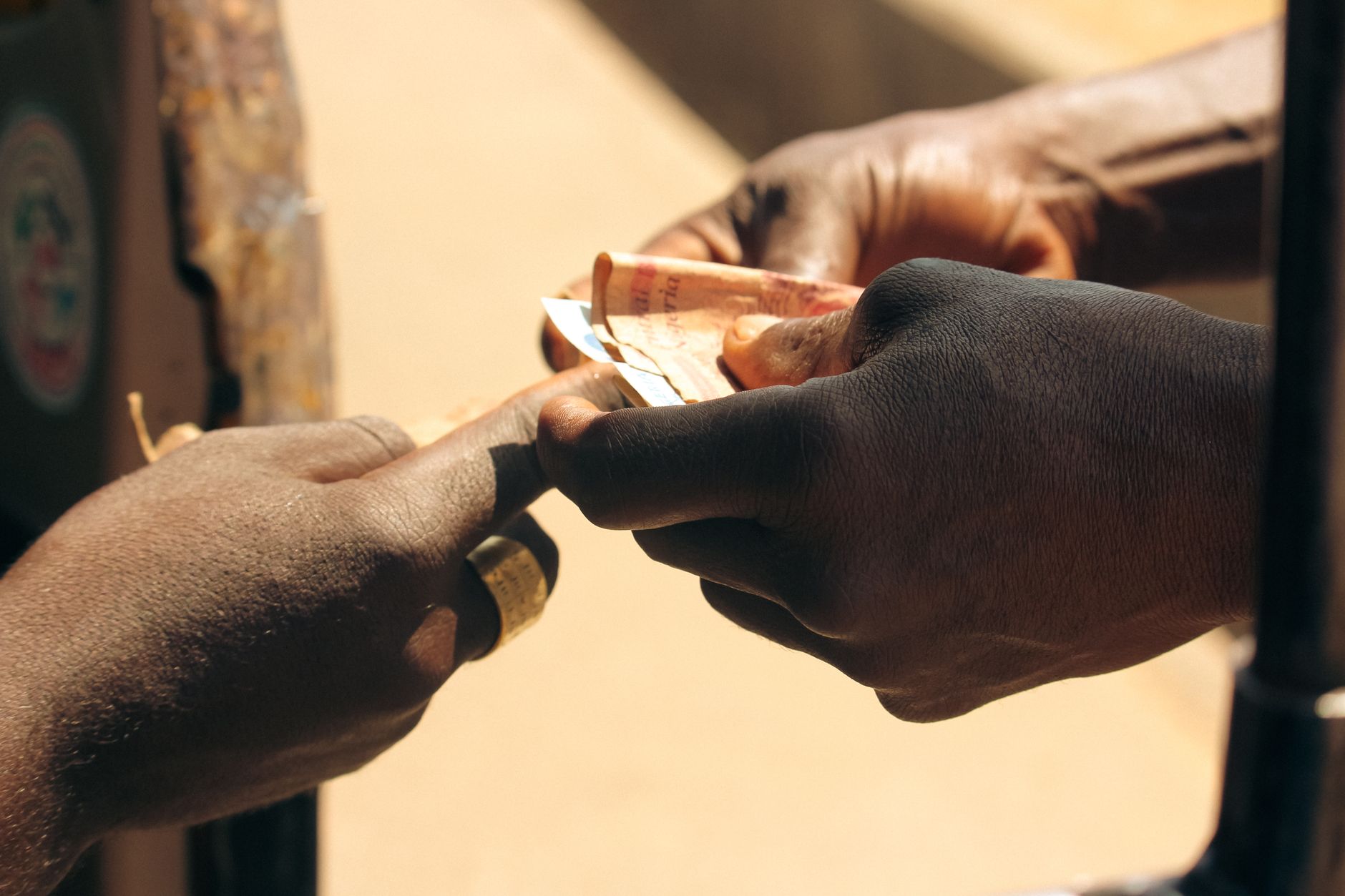
- Over the past decade, official development assistance (ODA) from G7 countries to Africa has fluctuated, with recent trends indicating a critical need for increased, more targeted investment to foster sustainable growth and resilience across the continent.
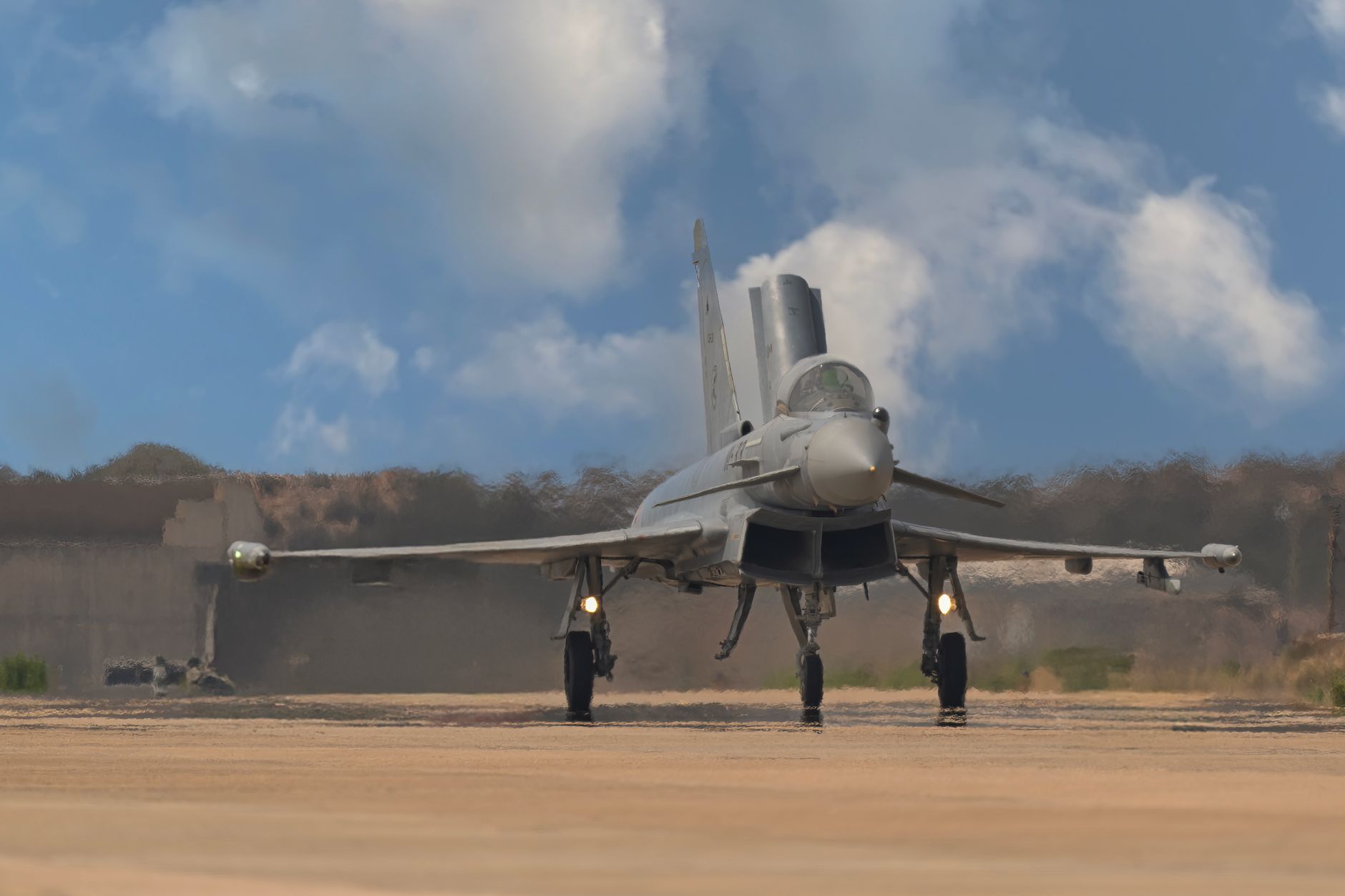
- Security spending among G7 members has seen a significant uptick, particularly in response to evolving geopolitical tensions and conflicts, underscoring a renewed focus on collective defense and regional stability initiatives.
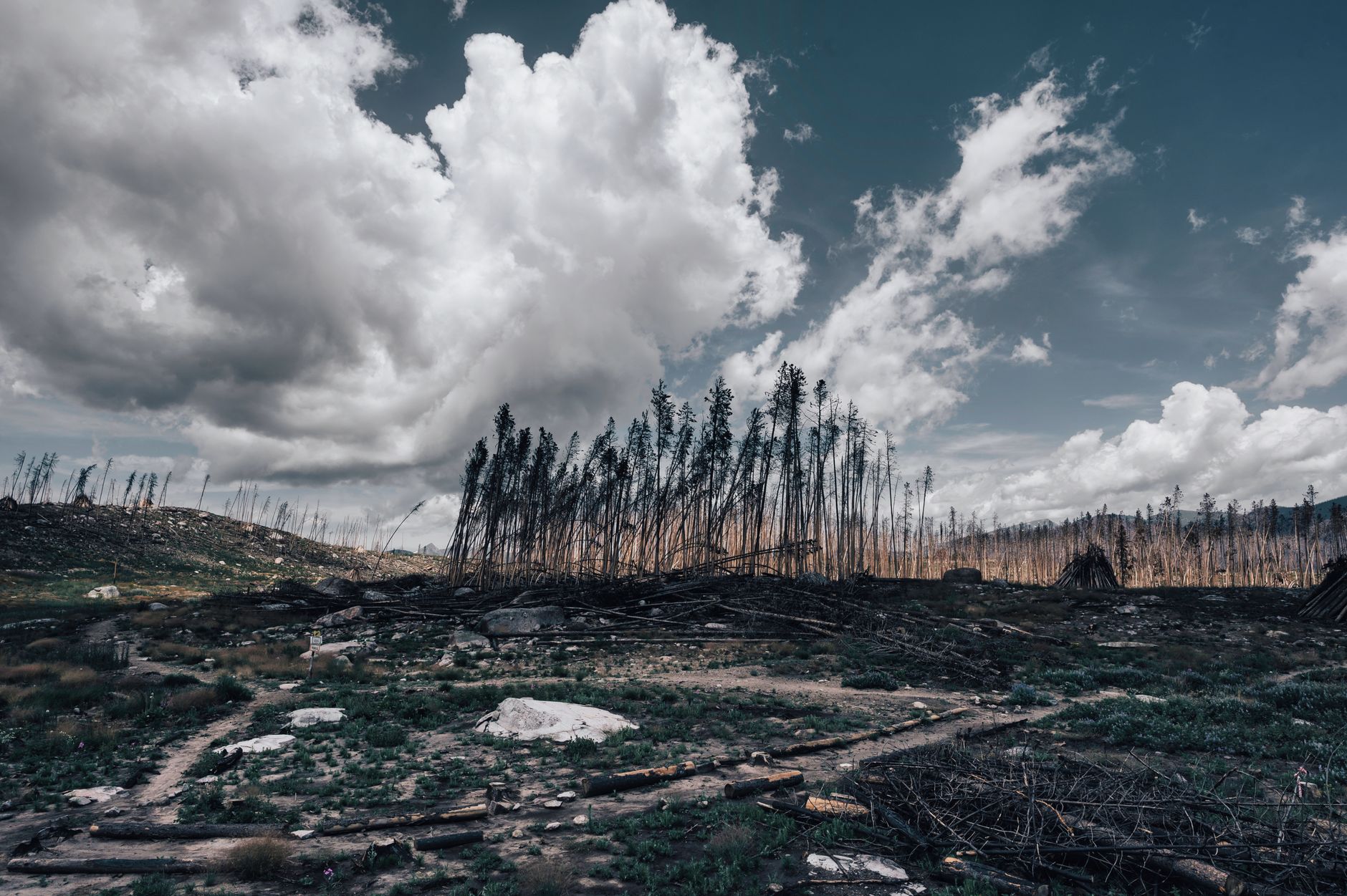
- Estimates suggest that climate change impacts could cost African economies hundreds of billions of dollars by 2030, making climate finance and adaptation strategies a paramount concern for G7 discussions regarding the continent's future.
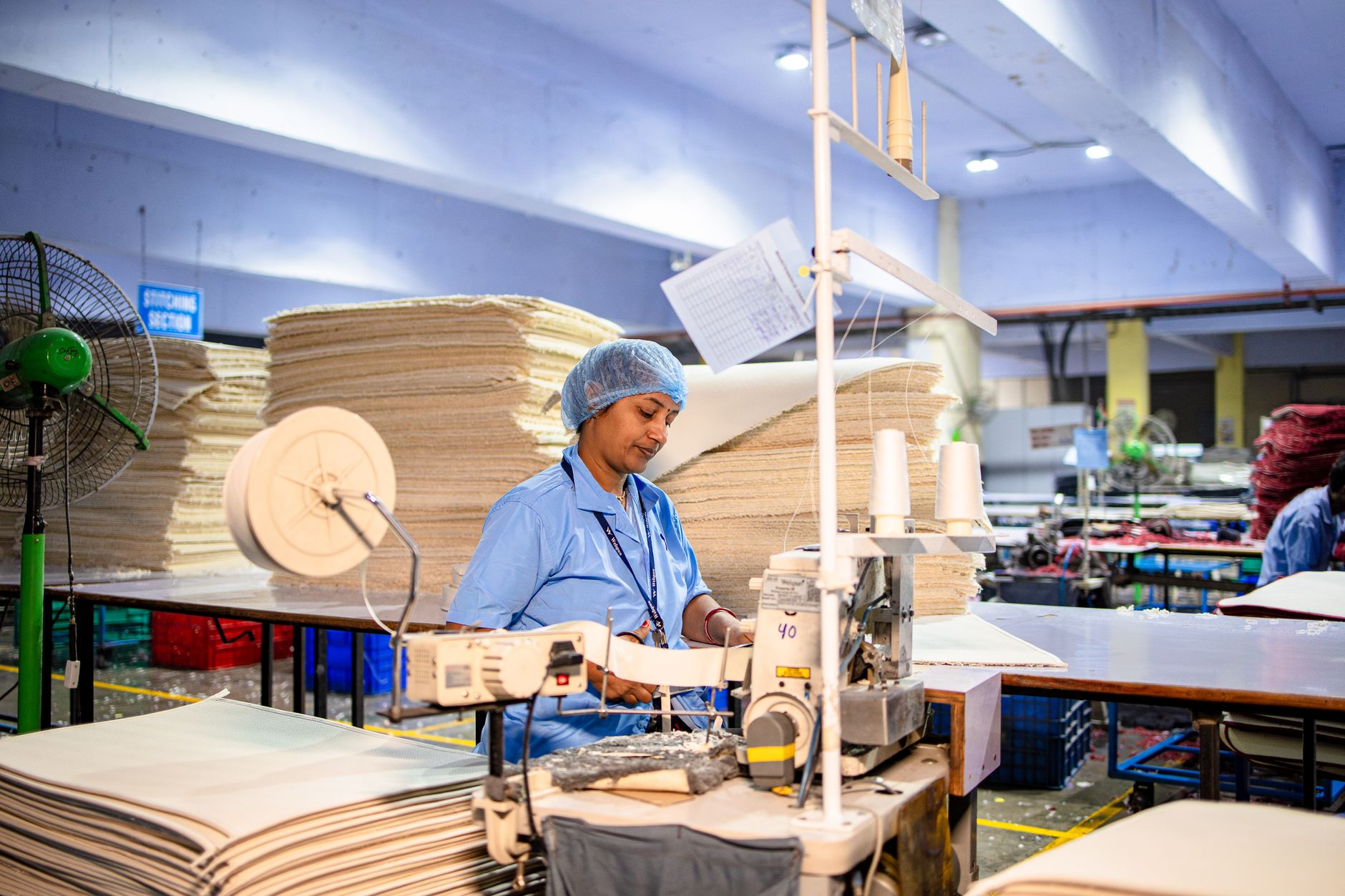
- Trade volumes between G7 nations and African countries have shown potential for growth, but barriers remain, indicating a need for comprehensive agreements that promote equitable partnerships and diversified economic opportunities.
- Africa's youth population is projected to double by 2050, presenting both an unparalleled demographic dividend and a significant challenge if adequate investments in education, healthcare, and job creation are not prioritized by global partners.
Context Check
The G7 Summit in 2026 convenes at a pivotal moment, with the global landscape marked by unprecedented volatility and interconnected challenges. Geopolitical tensions are escalating, driven by conflicts in Eastern Europe and the Middle East, alongside persistent competition in the Indo-Pacific. These conflicts not only threaten regional stability but also disrupt global supply chains, fuel inflation, and exacerbate humanitarian crises, demanding a unified and robust response from the world's leading industrialized democracies. The very fabric of international cooperation is being tested, making the G7's role in forging consensus and coordinating action more critical than ever before.
Economically, the world grapples with the lingering effects of post-pandemic recovery, high energy prices, and the specter of a global recession. Inflationary pressures continue to erode purchasing power, while sovereign debt levels in many developing nations have reached alarming highs. The G7's agenda will undoubtedly focus on strategies to stabilize global markets, foster sustainable economic growth, and address the widening wealth gap between nations. Discussions will likely include coordinated fiscal and monetary policies, investment in critical infrastructure, and initiatives to strengthen financial resilience against future shocks, all while navigating the complex interplay of national interests.
Africa's role in this evolving world order has shifted from a recipient of aid to a crucial partner in global solutions. The continent, with its vast natural resources, burgeoning youth population, and strategic geopolitical location, is increasingly central to discussions on climate change, food security, and renewable energy. However, Africa also faces significant challenges, including political instability, climate vulnerability, and the need for massive infrastructure development. The G7 summit must move beyond traditional aid paradigms to embrace genuine partnerships that support Africa's self-determined development goals, fostering economic diversification, technological transfer, and inclusive growth across the continent. This shift is not merely altruistic; it is essential for global stability and prosperity.
Background
The Group of Seven (G7) originated in 1975 as an informal forum for the leaders of the world's major industrialized democracies to discuss pressing global economic issues. Initially formed as the G6, with France, West Germany, Italy, Japan, the United Kingdom, and the United States, Canada joined in 1976, establishing the G7. Over the decades, its mandate expanded beyond economics to encompass a broad spectrum of global challenges, including security, climate change, health, and development. The G7 operates on a rotating presidency, with each member hosting the annual summit and setting the agenda, reflecting their immediate priorities and global concerns. Its influence stems from the collective economic and political power of its members, enabling coordinated responses to international crises and the shaping of global norms.
In recent years, the G7 has faced increasing scrutiny regarding its relevance and representativeness in a multipolar world. The rise of emerging economies, particularly those within the BRICS bloc, has challenged the G7's traditional dominance and called for more inclusive global governance structures. Despite these challenges, the G7 remains a critical platform for like-minded democracies to align on shared values and strategic interests, particularly in confronting authoritarianism, promoting human rights, and upholding the rules-based international order. The 2026 summit will be a crucial test of its adaptability and capacity to address contemporary issues effectively, especially as global power dynamics continue to shift dramatically.
Africa's engagement with the G7 has evolved significantly, moving from a focus primarily on aid and debt relief to a more comprehensive partnership centered on trade, investment, and sustainable development. African leaders are increasingly vocal about their continent's agency and potential, advocating for equitable partnerships that respect sovereignty and foster local capacity building. The G7's commitment to Africa has been inconsistent at times, but there is a growing recognition that the continent's stability and prosperity are intrinsically linked to global security and economic health. The 2026 summit provides a vital opportunity to solidify these partnerships, addressing critical areas such as climate resilience, food security, digital transformation, and access to healthcare, ensuring that Africa's voice is not just heard, but actively integrated into global decision-making processes.
Winners and Losers
Potential 'winners' from a successful G7 Summit in 2026 include countries and populations that benefit from enhanced global security cooperation, particularly those vulnerable to regional conflicts and terrorism. If the G7 can forge a united front against aggression and effectively coordinate intelligence sharing and peacekeeping efforts, it could significantly de-escalate tensions and prevent further humanitarian crises. Furthermore, nations that receive substantial, well-managed investments in sustainable development, especially in renewable energy and climate adaptation, stand to gain immensely. A renewed commitment to equitable trade policies and technology transfer could also empower developing economies, fostering long-term growth and reducing economic disparities.
Conversely, 'losers' could emerge if the G7 fails to reach meaningful consensus or if its policies are perceived as self-serving rather than globally beneficial. Nations heavily reliant on G7 aid that find it conditional or insufficient to address their structural challenges may see their development trajectories hampered. Moreover, if the summit's outcomes exacerbate geopolitical divisions or lead to protectionist trade measures, it could harm global economic stability and disproportionately affect smaller economies and vulnerable populations. A lack of concrete action on climate change, for instance, would leave low-income countries bearing the brunt of environmental degradation, widening the gap between the developed and developing world.
Africa, as a whole, stands at a critical juncture. If the G7 genuinely commits to equitable partnerships, robust infrastructure investment, and support for African-led initiatives in areas like health, education, and climate resilience, the continent could experience unprecedented growth and stability. This would translate into improved living standards, increased economic opportunities, and greater political agency for African nations. However, if the G7's approach remains largely transactional or fails to address the continent's diverse needs and priorities, Africa risks being further marginalized, its resources exploited without commensurate benefits, and its development aspirations stifled by external agendas. The stakes are incredibly high for the continent's future trajectory.
Analyst Perspectives
Leading geopolitical analysts emphasize that the G7's credibility hinges on its ability to move beyond rhetoric and deliver tangible solutions to complex global problems. Dr. Anya Sharma, a senior fellow at the Global Policy Institute, argues that 'the 2026 summit is not just about addressing immediate crises, but about redefining the G7's role in a fragmented world. Its success will be measured by its capacity to foster genuine multilateralism, rather than merely reinforcing existing power structures.' She highlights the importance of inclusive dialogue, urging the G7 to actively engage with non-member states and international organizations to build broader coalitions for action. Without this shift, its pronouncements risk being seen as increasingly irrelevant.
Economists are particularly focused on the G7's approach to global economic stability. Professor Kenji Tanaka from the University of Tokyo suggests that 'the G7 must present a unified front against inflationary pressures and coordinate fiscal policies to prevent a deeper global downturn.' He also points to the critical need for G7 nations to lead by example in reforming international financial institutions to better serve developing economies. Tanaka warns that a failure to address sovereign debt crises in the Global South could trigger a cascading effect, undermining global recovery efforts and exacerbating social unrest. The economic agenda must be holistic and forward-looking, not merely reactive to current challenges.
African policy experts are urging the G7 to adopt a transformative approach to its engagement with the continent. Dr. Ngozi Okoro, director of the African Centre for Development Studies, states, 'Africa is not a problem to be solved, but a partner with immense potential. The G7 must invest in African-led solutions, support regional integration, and facilitate technology transfer, rather than imposing external models.' She stresses that true partnership means respecting African agency and prioritizing investments in human capital, climate resilience, and sustainable industrialization. Okoro believes that the summit's outcomes will significantly influence whether Africa's relationship with the G7 evolves into a truly equitable and mutually beneficial alliance, or remains largely transactional and imbalanced.

Key Questions Explained
The Outlook
The outlook for the G7 Summit in 2026 is one of cautious optimism tempered by significant challenges. The world's leading democracies face an imperative to demonstrate unity and decisive leadership in an increasingly complex geopolitical landscape. Success will hinge on their ability to move beyond national self-interest and forge genuinely collaborative solutions to global security threats, economic instability, and climate change. A failure to achieve meaningful consensus could further erode trust in multilateral institutions and empower revisionist states, leading to a more fragmented and volatile international order. The stakes are incredibly high, demanding a pragmatic and forward-thinking approach from all participants.
For Africa, the summit presents a critical opportunity to solidify its position as an indispensable partner in global affairs. The continent's leaders will be looking for concrete commitments that go beyond traditional aid, focusing instead on equitable trade, sustainable investment, and technology transfer that supports African-led development agendas. The G7's willingness to listen, learn, and genuinely collaborate with African nations will be a key indicator of the summit's long-term impact. A truly transformative outcome would see the G7 not just addressing Africa's challenges, but actively investing in its immense potential, fostering a new era of mutually beneficial partnership.
Ultimately, the 2026 G7 Summit will be a litmus test for the future of global governance. Can these powerful nations adapt to a multipolar world, embracing inclusivity and shared responsibility? The decisions made, or not made, at this summit will reverberate across continents, shaping the trajectory of international relations, economic prosperity, and environmental sustainability for years to come. The global community will be watching closely, hoping for a renewed commitment to collective action that addresses the urgent needs of all nations, particularly the most vulnerable.











Comments
No comments yet. Be the first to comment!