

At a Glance
- Addis Ababa, Ethiopia, is hosting the inaugural World Public Summit, marking a historic shift in global diplomatic venues and priorities.
- This summit represents the first time such a high-level, multi-stakeholder international gathering has been convened on the African continent, underscoring its growing geopolitical importance.
- Over 100 heads of state, international organization leaders, and prominent civil society figures are converging to address pressing global challenges.
- Key agenda items include climate change, equitable economic development, global health disparities, and fostering sustainable peace and security across regions.
- The summit aims to create a more inclusive platform for global dialogue, ensuring that voices from the Global South, particularly Africa, are central to policy formulation.
- Expectations are high for actionable outcomes, including new partnerships, funding commitments, and a renewed commitment to multilateralism with a focus on shared global responsibilities.
The Record
The decision to host the World Public Summit in Addis Ababa is a landmark event, shattering decades of tradition where such high-profile international gatherings were almost exclusively held in established Western capitals or major economic hubs. This move signals a profound recognition of Africa's burgeoning influence on the global stage, not merely as a recipient of aid or a site for humanitarian intervention, but as a proactive partner and a crucial voice in shaping the future of international relations. The continent’s dynamic demographics, vast natural resources, and evolving geopolitical significance make it an indispensable player in addressing the complex challenges of the 21st century. This summit is poised to recalibrate global power dynamics, fostering a more equitable and representative international dialogue.
Historically, major global summits have often been criticized for their Eurocentric or North American bias, leading to agendas that sometimes overlooked the unique perspectives and urgent priorities of developing nations. By choosing Addis Ababa, a city synonymous with African unity and the headquarters of the African Union, organizers are sending a clear message: the era of one-sided global governance is waning. This shift is not just symbolic; it promises to infuse the global discourse with fresh perspectives on issues like climate resilience, sustainable development, and inclusive economic growth, areas where African nations often bear the brunt of global inequities while simultaneously pioneering innovative local solutions. The summit provides an unparalleled opportunity to amplify these crucial voices and integrate them into global policy frameworks.
The groundwork for this summit has been laid over several years, driven by a growing consensus among international bodies and civil society organizations that a more inclusive approach to global problem-solving is desperately needed. African leaders, through forums like the African Union, have consistently advocated for greater representation and a stronger role in international decision-making. This summit is a direct result of those persistent efforts, culminating in a platform where African agency can be fully exercised. It represents a strategic pivot, acknowledging that effective global solutions require diverse insights and a collaborative spirit that genuinely reflects the world's multifaceted realities. The outcomes of this summit could set a new precedent for how international diplomacy is conducted in the future.
Who Knew and When
The idea for a World Public Summit with a focus on inclusivity and a non-traditional venue began to gain serious traction approximately three years ago within various international policy think tanks and multilateral organizations. Initial discussions, often held behind closed doors, explored the feasibility and strategic advantages of decentralizing major global events. Key proponents included a coalition of developing nations and several progressive international NGOs who argued that the existing summit structure was failing to adequately address the interconnected crises facing the world, particularly those disproportionately affecting the Global South. These early conversations laid the conceptual groundwork for what would eventually become this historic gathering in Addis Ababa.
Formal proposals for an Africa-hosted summit were first presented to the United Nations General Assembly and various G7/G20 outreach groups roughly two years ago. While met with initial skepticism from some traditional powers, the compelling arguments regarding equitable representation and the need for fresh perspectives ultimately swayed a critical mass of international stakeholders. The African Union played a pivotal role in advocating for Addis Ababa as the host city, leveraging its diplomatic influence and highlighting Ethiopia's historical significance as a symbol of African independence and pan-Africanism. This concerted effort demonstrated a united front from the continent, emphasizing its readiness and capacity to host a global event of this magnitude.
The official announcement confirming Addis Ababa as the host city came just over a year ago, following extensive logistical planning and security assessments. This decision was widely celebrated by civil society groups and many developing nations, who viewed it as a long-overdue rectification of historical imbalances in global governance. Preparations have been meticulous, involving collaboration between the Ethiopian government, the African Union, and various international bodies to ensure the summit's success. From infrastructure upgrades to intricate security protocols, every detail has been carefully managed, reflecting the profound importance placed on this inaugural event and its potential to reshape future global dialogues. The world is watching to see how this new model of international engagement will unfold.
Voices from the Ground
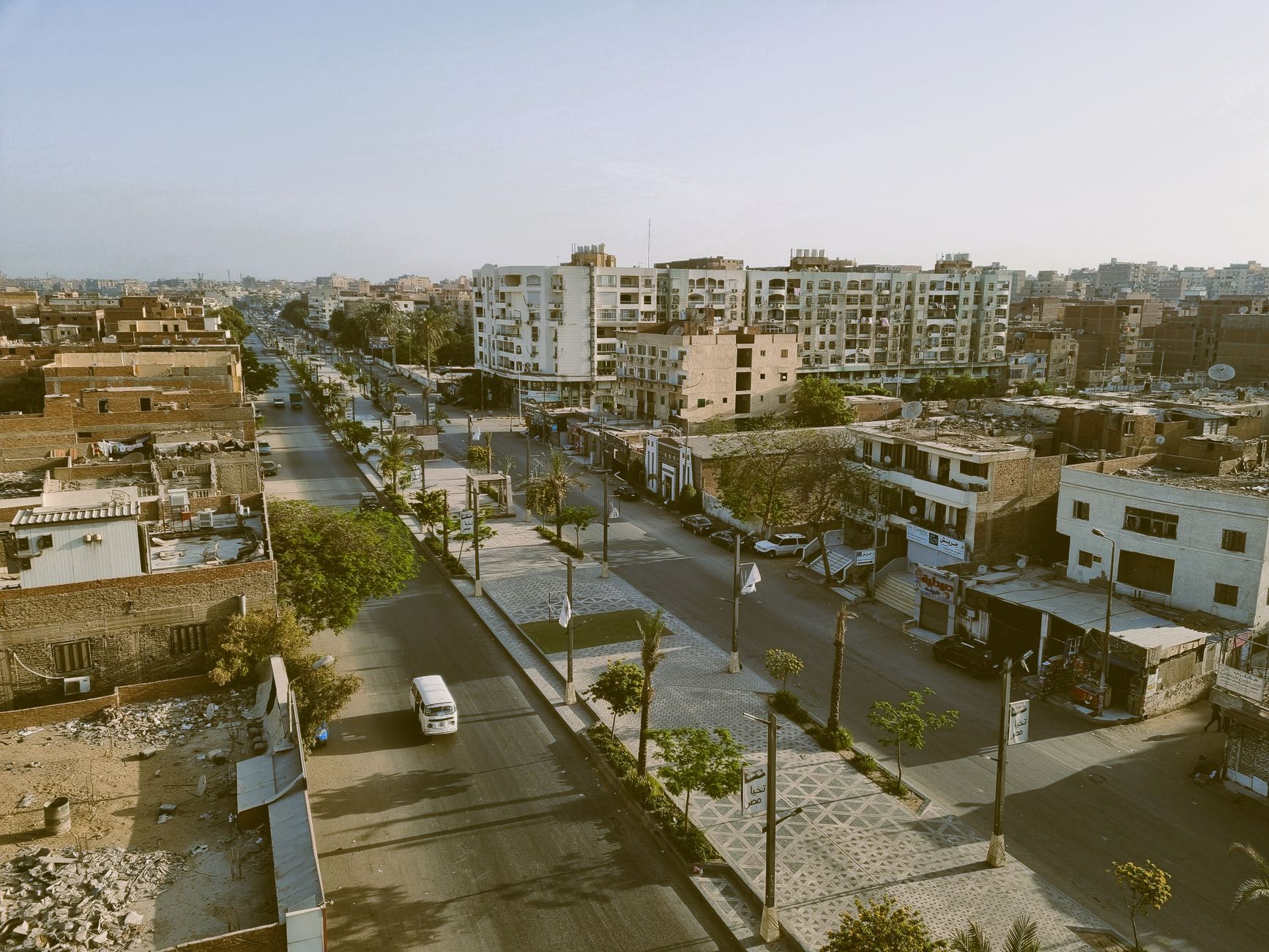
In the bustling markets and vibrant neighborhoods of Addis Ababa, there's a palpable sense of anticipation and pride among the local populace. "This is our moment to show the world who we are, not just what they think they know about Africa," exclaimed Meseret Abebe, a university student volunteering at the summit's media center. "For too long, our stories have been told by others. Now, with leaders from every corner of the globe walking our streets, they will hear directly from us, see our resilience, and understand our aspirations. It's an opportunity to challenge stereotypes and highlight the incredible progress and potential that exists here." This sentiment reflects a broader hope that the summit will translate into tangible benefits for ordinary citizens, beyond just the diplomatic fanfare.
Community leaders and activists are seizing the opportunity to ensure their voices are heard amidst the high-level discussions. "We want to see real commitments on climate justice, not just rhetoric," stated Dr. Alemayehu Getachew, an environmental advocate attending a parallel civil society forum. "Our communities are on the front lines of climate change, experiencing droughts and floods with increasing frequency. We need global leaders to understand that these aren't abstract problems; they are immediate threats to livelihoods and lives. This summit must deliver concrete action plans that prioritize vulnerable populations and provide equitable resources for adaptation and mitigation." Their demands underscore the urgent need for policy decisions to be grounded in the lived experiences of those most affected.
Entrepreneurs and business owners in Addis Ababa are also expressing optimism, hoping the summit will draw increased investment and foster new economic partnerships. "When the world comes to your doorstep, it opens doors for business," remarked Genet Kebede, who runs a local handicraft shop. "We've already seen an increase in tourists and delegates, and we hope this exposure leads to sustained interest in Ethiopian products and services. It's about building connections, showcasing our innovation, and proving that Africa is a continent of opportunity, not just challenges. This summit is a powerful advertisement for our potential on the global economic stage." This perspective highlights the economic ripple effects anticipated from such a high-profile international event.
The Debate
The decision to host the World Public Summit in Addis Ababa, while widely lauded, has not been without its critics and nuanced debates. One central point of contention revolves around the actual impact versus the symbolic gesture. Sceptics argue that while the location change is a powerful symbol of inclusivity, the substantive outcomes of such summits often remain largely unchanged, dictated by the interests of powerful nations regardless of the venue. "Is this truly a shift in power dynamics, or merely a change of scenery for the same old conversations?" questioned Dr. Kwame Nkosi, a political analyst from Accra. "The real test will be whether the agenda truly reflects African priorities and if the resolutions lead to equitable implementation, not just aspirational declarations." This critical perspective emphasizes the need for tangible results over mere optics.
Another significant debate centers on the logistical and security challenges of hosting such a massive event in a developing city. While Addis Ababa has made significant strides in infrastructure, some international observers have raised concerns about the strain on local resources and the potential for disruptions. "Ensuring the safety and smooth operation of hundreds of delegations, including heads of state, is an immense undertaking," noted a security consultant, speaking anonymously. "While the Ethiopian government and AU have robust plans, the sheer scale of the event presents unique challenges that require flawless execution." This highlights the practical considerations and potential vulnerabilities associated with hosting a global summit in a non-traditional hub, underscoring the high stakes involved.
Furthermore, there's an ongoing discussion about the definition of a "public" summit. While organizers emphasize civil society engagement and open forums, some activists argue that true public participation remains limited, with the core decision-making processes still largely confined to government officials and elite delegates. "We need more than just side events for civil society; we need direct access to influence the main agenda and hold leaders accountable," asserted a representative from a global justice advocacy group. "The 'public' aspect should mean genuine co-creation of solutions, not just consultation." This debate underscores the perpetual tension between formal diplomatic processes and the desire for more grassroots, democratic global governance, pushing for deeper engagement beyond symbolic gestures.

Your Questions Answered
What Accountability Looks Like
Ensuring accountability for the commitments made at the World Public Summit will be paramount to its long-term success and credibility. Organizers have indicated plans for a robust follow-up mechanism, including regular reporting on progress towards agreed-upon goals. This will likely involve a dedicated secretariat tasked with tracking implementation, collecting data on key performance indicators, and publishing periodic reviews. The intention is to move beyond mere declarations and establish a framework where pledges translate into tangible actions and measurable impact, fostering a culture of responsibility among participating nations and organizations. Without such a mechanism, even the most ambitious resolutions risk becoming empty promises.
Civil society organizations and independent watchdogs are expected to play a crucial role in holding leaders accountable. These groups are already preparing to monitor the implementation of summit outcomes, utilizing their networks and expertise to assess progress at both national and international levels. Their independent analyses and advocacy efforts will serve as a vital check on government actions, ensuring that commitments made in Addis Ababa are not forgotten once the delegates depart. This multi-stakeholder approach to accountability is essential for maintaining public trust and ensuring that the summit's ambitious goals are genuinely pursued, reflecting a broader shift towards more transparent global governance.
Ultimately, the true measure of accountability will rest on whether the summit's outcomes lead to concrete improvements in the lives of ordinary people, particularly in the most vulnerable communities. This means not only tracking financial pledges and policy changes but also assessing their real-world impact on issues like poverty reduction, climate resilience, health access, and peacebuilding. The success of the World Public Summit will not be judged solely by the grandeur of its opening or the eloquence of its speeches, but by its enduring legacy of positive change and its ability to inspire sustained, collaborative action towards a more just and sustainable world. This demands a continuous commitment to transparency, evaluation, and responsiveness to the needs of those most affected.











Comments
No comments yet. Be the first to comment!