

Key Takeaways
- The Trump administration has enacted a sweeping new wave of tariffs, targeting a broad spectrum of goods from the UK, EU, and numerous other global trading partners, marking a significant escalation in international trade disputes.
- These tariffs are expected to trigger immediate retaliatory measures from affected nations, potentially igniting a full-blown global trade war that could severely disrupt established supply chains and international commerce.
- Businesses across various sectors, particularly those heavily reliant on imports and exports, face substantial increases in operational costs, forcing them to either absorb losses, pass costs to consumers, or re-evaluate their global sourcing strategies.
- Consumers will likely experience higher prices for a wide array of imported goods, from everyday essentials to luxury items, diminishing purchasing power and potentially slowing economic growth in key markets.
- The move underscores a persistent 'America First' protectionist agenda, prioritizing domestic industries through punitive trade barriers, which critics argue undermines multilateral trade agreements and global economic cooperation.
- The long-term implications include heightened geopolitical tensions, reduced global economic output, and a potential restructuring of international trade relationships, with significant uncertainty for future economic stability.
Background
The Trump administration's recent decision to impose fresh tariffs on a wide array of goods originating from the UK, the European Union, and dozens of other trading partners marks a significant and concerning escalation in an already tense global trade landscape. This move is not an isolated incident but rather a continuation of a protectionist trade policy that has been a hallmark of the administration's economic strategy since its inception. Previous rounds of tariffs, primarily targeting China, have already sent ripples through global supply chains, creating uncertainty and forcing businesses to adapt to rapidly changing trade conditions. The expansion of these punitive measures to key allies and diverse economies signals a broader, more aggressive stance.
Historically, the rationale behind such tariffs has often been framed around national security concerns, intellectual property disputes, or rectifying perceived trade imbalances. However, critics frequently argue that these justifications often mask a deeper political agenda aimed at bolstering domestic industries, even at the cost of international cooperation and economic stability. The targeting of the UK and EU, in particular, raises questions about the integrity of long-standing alliances and the future of transatlantic trade relations. These tariffs are not merely economic tools; they are powerful diplomatic levers, and their deployment against traditional partners suggests a willingness to disrupt established norms.
The current tariffs are expected to affect a diverse range of products, from agricultural goods and manufactured components to consumer electronics and luxury items. This broad scope ensures that the economic impact will be felt across multiple sectors and by a vast consumer base. The ripple effect extends beyond the immediate tariffs, influencing investment decisions, currency valuations, and the overall confidence in the stability of the global trading system. Understanding the historical context of these trade disputes, from the steel and aluminum tariffs to the ongoing tech-related tensions, is crucial for grasping the potential magnitude of this latest development and its far-reaching consequences.
Why It Matters
The imposition of these new tariffs is not merely an economic footnote; it represents a profound threat to the delicate balance of global trade and economic stability. When major economies like the UK and the EU are targeted, the ramifications extend far beyond their borders, potentially triggering a cascade of retaliatory measures. This tit-for-tat dynamic could quickly spiral into a full-blown global trade war, where every nation seeks to protect its own interests through punitive tariffs, ultimately stifling international commerce and hindering economic growth for everyone. Businesses that rely on predictable trade environments will face unprecedented uncertainty, making long-term planning an insurmountable challenge.
For consumers, the impact will be tangible and immediate. Tariffs are essentially taxes on imported goods, meaning that the cost of everything from imported cars and electronics to food products and clothing will likely increase. This rise in prices erodes purchasing power, forcing households to either pay more for the same goods or seek cheaper, potentially lower-quality alternatives. Such inflationary pressures can dampen consumer spending, a critical driver of economic activity, and contribute to a general slowdown in economic growth. The cumulative effect of these price increases across various sectors could significantly strain household budgets and lead to broader economic discontent.
Beyond the immediate economic costs, these tariffs carry significant geopolitical weight. They strain diplomatic relations with key allies, undermining decades of efforts to build a cooperative international order. When trade becomes a weapon, trust erodes, making it harder to address shared global challenges, from climate change to security threats. The move signals a shift towards a more fragmented and protectionist world, where multilateral institutions and agreements are sidelined in favor of unilateral actions. This fragmentation could lead to a less stable and more unpredictable global environment, impacting everything from international investment flows to collaborative research and development efforts.
Ground Reality
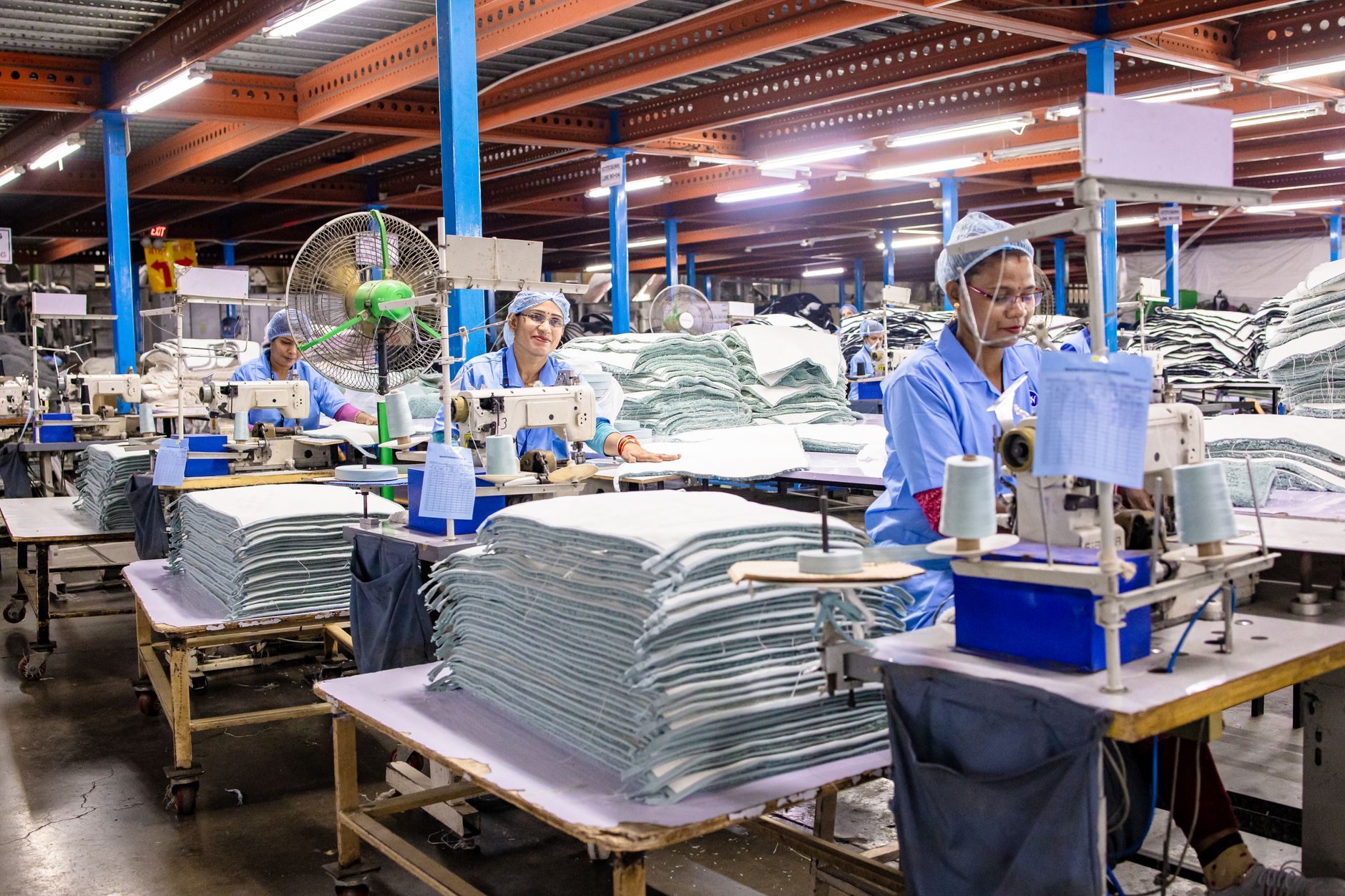
On the ground, the immediate aftermath of these tariff announcements is typically characterized by a scramble among businesses to understand the new rules and assess their financial exposure. Importers and exporters, particularly small and medium-sized enterprises (SMEs) with less capacity to absorb increased costs, are often the hardest hit. They must quickly decide whether to pass the tariff costs onto consumers, renegotiate contracts with international partners, or seek alternative supply chains, all of which come with significant logistical and financial challenges. This often leads to a period of intense uncertainty and operational disruption, as companies try to navigate the sudden shift in trade policy.
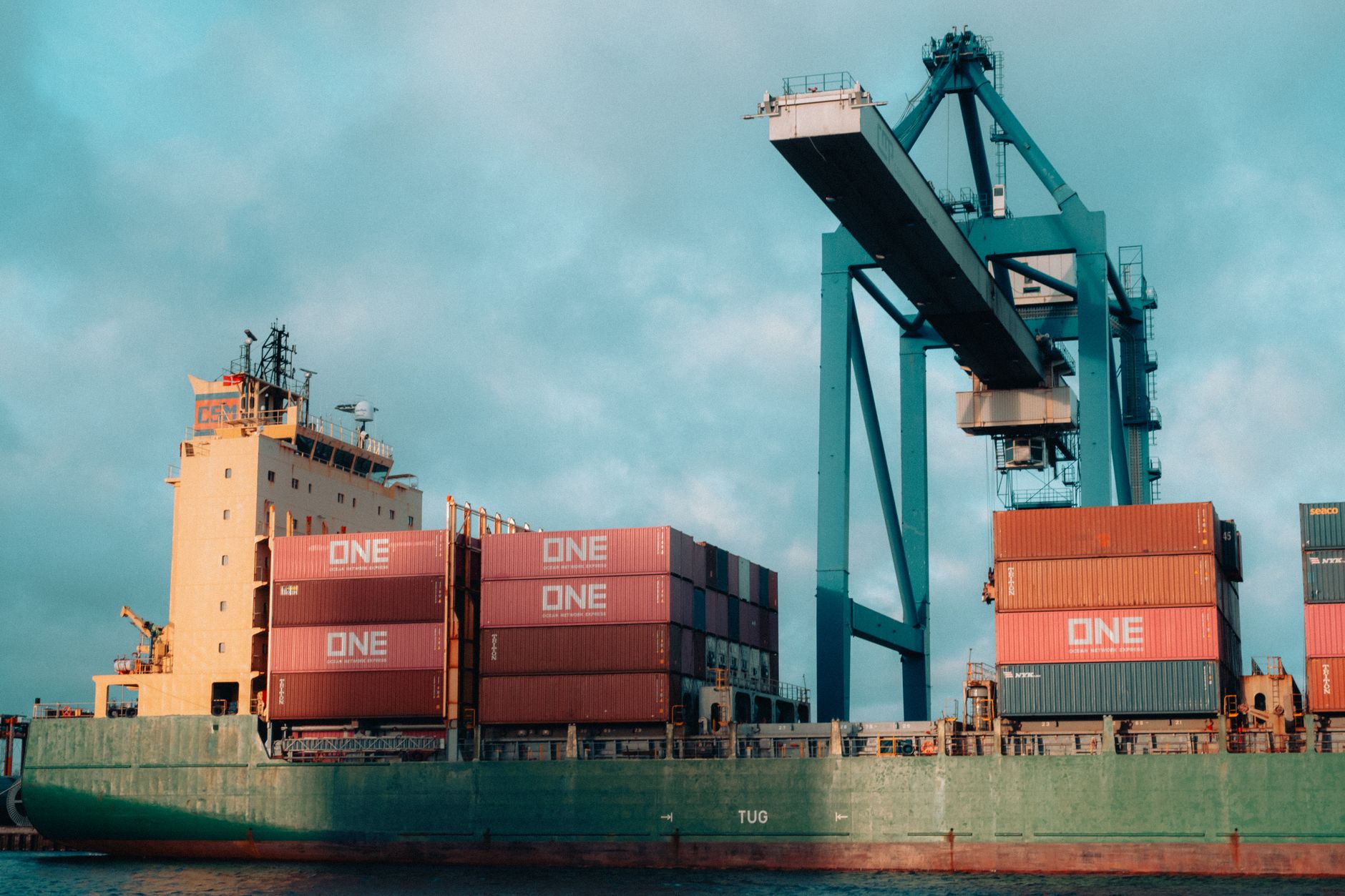
Supply chains, which are inherently complex and globally interconnected, are particularly vulnerable to these disruptions. A tariff on a single component can have a ripple effect across an entire manufacturing process, increasing the final cost of a product assembled from parts sourced from multiple countries. For instance, an automotive manufacturer might face higher costs for steel from the EU, electronics from Asia, and specialized components from the UK, all contributing to a more expensive final vehicle. This forces companies to re-evaluate their global sourcing strategies, potentially leading to reshoring or nearshoring efforts, which, while sometimes beneficial in the long run, entail substantial upfront investment and time.
The impact on consumers is equally stark. While some may initially be shielded from price increases due to retailers absorbing costs, this is rarely sustainable. Eventually, higher tariffs translate into higher retail prices for a wide range of goods. This can reduce consumer purchasing power, especially for essential items, and shift spending patterns. For example, if imported food items become more expensive, consumers might opt for domestically produced alternatives, if available, or simply reduce consumption. This shift can have broader economic implications, affecting demand, employment in import-dependent sectors, and overall market dynamics, creating a noticeable pinch on household budgets.
What Experts Are Saying
Trade economists are largely united in their assessment that these new tariffs represent a dangerous escalation that will ultimately harm global economic growth. Dr. Eleanor Vance, a senior fellow at the Peterson Institute for International Economics, warns, "These tariffs are not a surgical strike; they are a blunt instrument that will inflict collateral damage across industries and economies. The notion that they will solely benefit domestic producers without significant costs to consumers and other businesses is fundamentally flawed." She emphasizes that the economic literature overwhelmingly demonstrates the negative impacts of protectionism on overall welfare and innovation.
Many analysts also point to the potential for severe retaliatory measures, which could quickly unravel decades of progress in trade liberalization. "We are on the precipice of a full-blown trade war," states Professor Marcus Chen, an expert in international relations at Georgetown University. "When you target allies like the UK and EU, you invite a response that will not only hurt American exporters but also undermine the very alliances necessary for global stability." He suggests that the economic rationale is often overshadowed by political motivations, making de-escalation far more challenging once these cycles of tariffs and counter-tariffs begin.
Furthermore, supply chain experts are expressing deep concern over the long-term structural changes these tariffs could force upon global manufacturing. "Companies have spent decades optimizing their supply chains for efficiency and cost-effectiveness," explains Sarah Jenkins, a consultant specializing in global logistics. "These tariffs force a costly and often inefficient re-evaluation, leading to higher production costs, reduced competitiveness, and ultimately, higher prices for consumers. The disruption isn't just immediate; it creates lasting inefficiencies that will be difficult to reverse, even if tariffs are eventually lifted." This sentiment underscores the enduring damage that can be inflicted on global economic infrastructure.
Frequently Asked Questions
What Happens Next
The immediate aftermath of these new tariffs will undoubtedly see a flurry of diplomatic activity as affected nations, particularly the UK and EU, formulate their responses. Retaliatory tariffs are almost a certainty, as countries seek to protect their own industries and signal their displeasure with the unilateral actions. This tit-for-tat escalation could quickly expand the list of affected goods and countries, intensifying the trade war. Businesses will be watching closely for these counter-measures, as they will dictate the next wave of adjustments to supply chains and pricing strategies. The global trade landscape is poised for significant, rapid shifts.
Beyond the immediate retaliatory actions, we can expect increased pressure on international trade organizations, such as the World Trade Organization (WTO), to mediate disputes. However, the effectiveness of these bodies has been challenged in recent years, and their capacity to de-escalate such widespread tensions remains uncertain. Political leaders will face mounting pressure from domestic industries and consumers to mitigate the negative impacts, potentially leading to new trade agreements or subsidies designed to cushion the blow. The political rhetoric surrounding trade is likely to become even more charged, influencing upcoming elections and policy debates.
In the longer term, these tariffs could accelerate a fundamental restructuring of global supply chains. Companies may increasingly consider diversifying their sourcing away from heavily tariffed regions or even reshoring production to avoid future trade disruptions. While this could create new domestic jobs in some sectors, it also risks increasing production costs and reducing overall global economic efficiency. The trajectory of global trade relations will largely depend on whether a path to de-escalation can be found or if the world settles into a more fragmented, protectionist trading system. The stakes are incredibly high for global economic stability and international cooperation.









Comments
No comments yet. Be the first to comment!