
What We Know
- The United States military has launched a fresh wave of strikes against Iran-backed Houthi targets in Yemen, marking a significant escalation in the ongoing conflict in the Red Sea region.
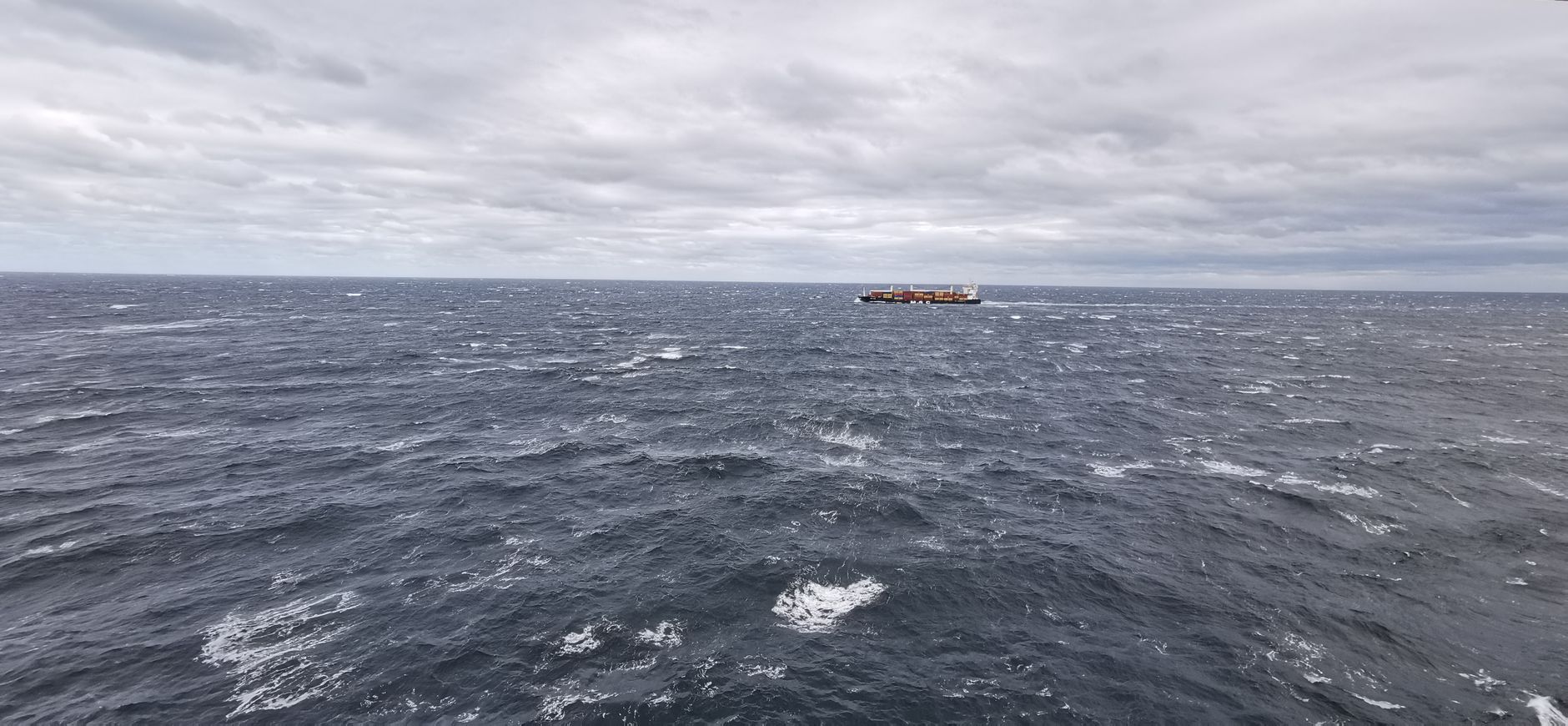
- These targeted strikes are a direct response to persistent and aggressive Houthi attacks on commercial shipping vessels navigating the crucial Bab el-Mandeb Strait and the broader Red Sea.
- The Houthi rebels have explicitly stated their attacks are in solidarity with Palestinians and are aimed at vessels they perceive as linked to Israel, the US, or the UK, creating a dangerous maritime environment.
- The latest US military action specifically targeted several Houthi anti-ship missiles that were deemed an imminent threat to both commercial and naval vessels in the Red Sea, demonstrating a proactive defense posture.
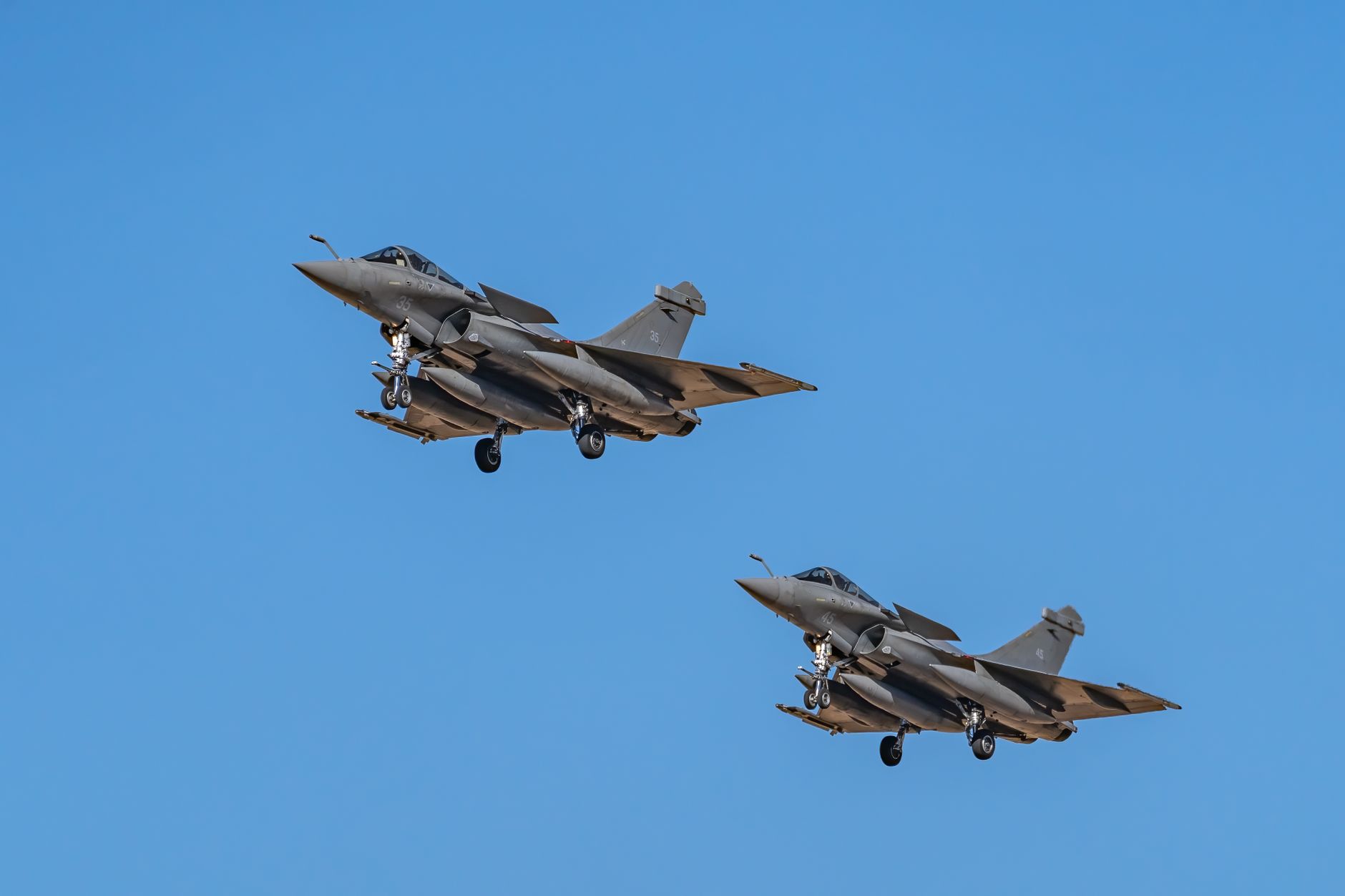
- The strikes were conducted by US Navy F/A-18 fighter jets, launched from the USS Dwight D. Eisenhower aircraft carrier, underscoring the formidable naval presence the US maintains in the region.
- This marks the eighth instance of US and UK forces conducting joint operations or the US acting unilaterally against Houthi military capabilities since January 11, highlighting a sustained effort to degrade their offensive capacity.
What We Do Not Know Yet
- The precise extent of the damage inflicted on Houthi military infrastructure and their anti-ship missile capabilities from the latest round of strikes remains to be fully assessed and publicly disclosed.
- Whether these escalated military actions will effectively deter future Houthi attacks on international shipping or if they will provoke a more intensified response from the rebel group and their Iranian backers is uncertain.
- The long-term strategy of the US and its allies in the Red Sea, beyond immediate defensive and retaliatory strikes, and how it aligns with broader regional security objectives, has not been explicitly detailed.
- The potential for a wider regional conflict, drawing in other actors beyond the immediate US-Houthi confrontation, and the specific triggers that might lead to such an escalation, are still unclear.
- The economic ramifications of prolonged disruptions to Red Sea shipping, including potential impacts on global supply chains and energy prices, are still being evaluated, with the full scope yet to emerge.
- The specific diplomatic efforts, if any, being undertaken concurrently with military actions to de-escalate tensions and find a political resolution to the Houthi threat are not widely known or publicized.
Background
The Red Sea, a narrow waterway connecting the Indian Ocean to the Mediterranean Sea via the Suez Canal, is one of the world's most critical maritime arteries. It facilitates roughly 12% of global trade, including a significant portion of the world's oil and natural gas shipments. The security of this route is paramount for international commerce and energy markets, making any disruption a matter of global concern. The Houthi movement, officially known as Ansar Allah, is an Islamist political and military organization that emerged in Yemen in the 1990s. They gained significant control over large parts of Yemen, including the capital Sana'a, during the Yemeni civil war which began in 2014. Their rise has been heavily supported by Iran, both financially and militarily, positioning them as a key proxy in Iran's broader regional influence strategy.
The current wave of Houthi attacks on commercial shipping began in late 2023, ostensibly in response to the ongoing conflict in Gaza. The Houthis declared their intention to target vessels linked to Israel, or those transiting to or from Israeli ports, in solidarity with the Palestinian people. This stance quickly broadened to include ships with perceived connections to the United States and the United Kingdom after these nations began retaliatory strikes. The use of drones, anti-ship ballistic missiles, and cruise missiles against civilian vessels has created an unprecedented level of risk for maritime traffic, forcing many shipping companies to reroute their vessels around the Cape of Good Hope, adding significant time and cost to journeys.
The international community has largely condemned the Houthi actions as a violation of international law and a direct threat to freedom of navigation. In response, the United States, in collaboration with the United Kingdom and other allies, launched 'Operation Prosperity Guardian' in December 2023. This multinational initiative aims to protect shipping in the Red Sea and the Gulf of Aden from Houthi aggression. The recent US and UK strikes are a direct component of this operation, designed to degrade the Houthis' capacity to launch further attacks and restore stability to this vital maritime corridor. The ongoing military actions underscore the gravity of the situation and the determination of international powers to safeguard global trade routes.
Why It Matters
The escalating conflict in the Red Sea has profound implications for global trade and the world economy. With a significant portion of international maritime traffic, including critical oil and gas shipments, transiting through this narrow waterway, disruptions directly translate into higher shipping costs, longer delivery times, and increased insurance premiums. Major shipping companies like Maersk and MSC have already rerouted vessels around the southern tip of Africa, adding thousands of miles and weeks to voyages. This shift not only inflates operational expenses for businesses but ultimately impacts consumers through potential price hikes and supply chain delays for a vast array of goods, from electronics to everyday commodities. The ripple effects of this maritime insecurity are felt far beyond the immediate conflict zone, threatening to destabilize global markets and exacerbate inflationary pressures.
Beyond economic concerns, the ongoing clashes carry a significant risk of regional escalation. The Houthis are a proxy force for Iran, and their actions are widely seen as part of a broader strategy by Tehran to project power and challenge Western influence in the Middle East. The direct engagement of US and UK forces against Houthi targets raises the specter of a wider confrontation that could draw in other regional actors, potentially leading to a full-blown regional conflict. Such an escalation would have devastating humanitarian consequences for Yemen, which is already grappling with one of the world's worst humanitarian crises, and could destabilize the entire Arabian Peninsula, with unpredictable global ramifications.
The principle of freedom of navigation, a cornerstone of international law and global commerce, is under direct assault in the Red Sea. The Houthi attacks challenge the right of innocent passage through international waters and set a dangerous precedent for non-state actors to disrupt vital global arteries. The international community's response, particularly from major maritime powers, is crucial in upholding this principle. Failure to effectively counter these threats could embolden similar actions in other strategic choke points around the world, fundamentally altering the security landscape of global shipping and potentially leading to a more fragmented and dangerous international maritime order. The stakes are incredibly high, impacting not just immediate trade but the very foundations of international maritime law and security.
Timeline of Events
- October 2023: Houthi rebels begin launching missile and drone attacks towards Israel, signaling their involvement in the Gaza conflict and solidarity with Palestinians.
- November 19, 2023: Houthis seize the Galaxy Leader cargo ship in the Red Sea, marking a significant escalation and direct targeting of commercial shipping.
- December 2023: Houthi attacks intensify, targeting numerous commercial vessels in the Red Sea and Bab el-Mandeb Strait, prompting major shipping companies to reroute.
- December 18, 2023: The United States announces 'Operation Prosperity Guardian,' a multinational naval task force aimed at protecting Red Sea shipping.
- January 11, 2024: US and UK forces launch their first joint retaliatory strikes against Houthi military targets in Yemen, including radar sites and missile launch capabilities.
- January 12-20, 2024: The US conducts several unilateral strikes against Houthi anti-ship missiles and launch sites deemed an imminent threat to Red Sea navigation.
- February 3, 2024: US Navy F/A-18 fighter jets, operating from the USS Dwight D. Eisenhower, execute the latest round of strikes against Houthi anti-ship missiles, marking the eighth such action since January 11.
Rapid-Fire Q&A
What Is Coming
- Expect continued, and potentially intensified, US and allied military actions against Houthi targets as long as the attacks on commercial shipping persist, signaling a sustained commitment to protecting maritime routes.
- The Houthis are likely to maintain their aggressive posture, potentially attempting to develop new tactics or acquire more sophisticated weaponry, further escalating the cycle of violence in the Red Sea.
- Global shipping companies will continue to face difficult decisions regarding route planning, with many likely to stick to longer, more expensive detours around Africa until a significant and sustained de-escalation is observed.
- The economic ramifications of prolonged Red Sea disruptions, including potential inflationary pressures and supply chain vulnerabilities, will become more pronounced, impacting consumer prices and global markets.
- Increased diplomatic efforts, potentially involving regional powers and international bodies, may emerge to seek a political resolution to the Houthi threat and prevent a broader regional conflict, though success remains uncertain.
- The situation could evolve into a more direct confrontation between the US and Iran, particularly if Iranian support for the Houthis escalates or if Iranian assets are perceived to be directly involved in attacks, raising the stakes considerably.












Comments
No comments yet. Be the first to comment!