


The Story in Brief
- Russian Foreign Minister Sergey Lavrov delivered an unscheduled, urgent address to the nation, prompting immediate speculation and concern across international media outlets and diplomatic channels.
- The speech, characterized by its grave tone, focused heavily on the escalating geopolitical tensions, particularly concerning the ongoing conflict in Ukraine and the broader relationship with NATO.
- Lavrov explicitly warned against further Western intervention, asserting that such actions could lead to unpredictable and potentially catastrophic global consequences, raising the specter of wider conflict.
- The address was broadcast across all major Russian state media platforms, underscoring the Kremlin's intention to project a unified and resolute stance both domestically and internationally.
- International reactions have been swift and varied, with Western leaders calling for de-escalation while some non-aligned nations expressed concern over the increasing polarization of global politics.
- Analysts are dissecting the speech for subtle shifts in Russia's diplomatic strategy, particularly regarding its red lines and potential future actions in response to perceived threats from the West.
The Human Face
For ordinary citizens in Russia, Lavrov's emergency address has undoubtedly amplified a pervasive sense of uncertainty and apprehension. Many have grown accustomed to a steady diet of state-controlled media narratives, yet an unscheduled, high-level speech from the Foreign Minister carries a distinct weight. Families are discussing the implications, wondering if this signals a further tightening of economic sanctions, increased isolation, or even a more direct involvement in the ongoing conflict. The rhetoric, often couched in terms of national security and existential threats, can be deeply unsettling, fostering a climate where future stability feels increasingly precarious. This emotional impact is not merely theoretical; it translates into tangible anxieties about job security, access to goods, and the overall trajectory of their lives.
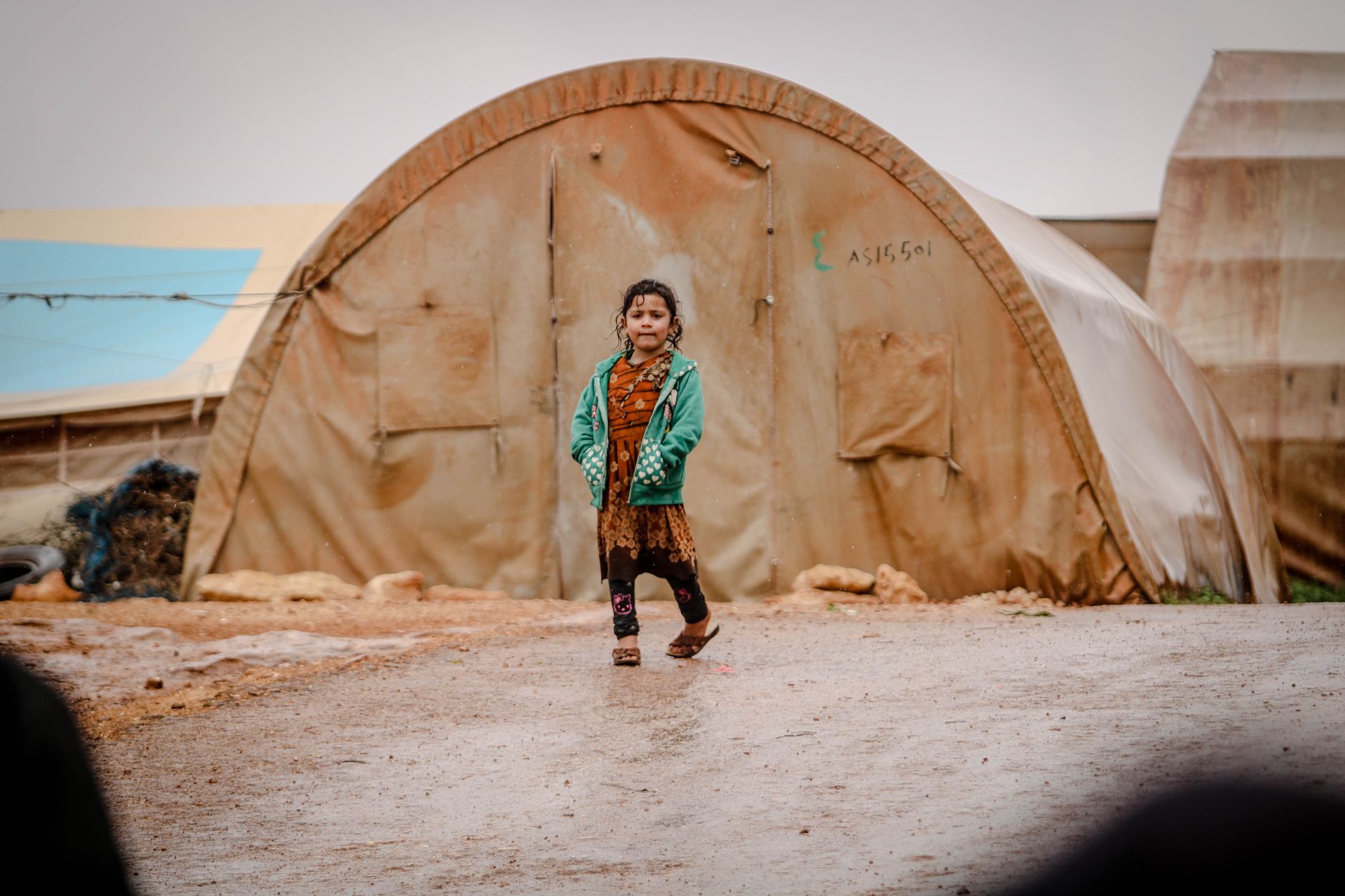
Beyond Russia's borders, particularly in neighboring countries and regions directly impacted by the conflict, the human cost of such pronouncements is even more immediate and profound. Refugees and internally displaced persons, already grappling with immense trauma and loss, now face renewed fears of escalation. Parents worry about their children's safety, and communities struggle to maintain a semblance of normalcy amidst the looming shadow of geopolitical strife. The constant barrage of alarming headlines and high-stakes diplomatic exchanges serves as a stark reminder of their vulnerability, making long-term planning almost impossible. This address, therefore, is not just a political statement; it’s a direct contributor to the psychological burden carried by millions.
Even in countries far removed from the immediate conflict zones, the human face of these tensions manifests in different ways. Global supply chains, already fragile, could be further disrupted, leading to increased prices for essential goods and energy. This economic strain impacts household budgets worldwide, adding another layer of stress to daily life. Furthermore, the heightened rhetoric can fuel xenophobia and division, creating an environment where communities feel increasingly polarized. The global interconnectedness means that a speech delivered in Moscow can resonate in living rooms from Berlin to Buenos Aires, influencing everything from investment decisions to personal travel plans, highlighting how deeply intertwined our collective fates truly are.
How We Got Here
The current geopolitical landscape, which necessitated Lavrov's emergency address, is the culmination of decades of evolving tensions and strategic misalignments. Following the collapse of the Soviet Union, the eastward expansion of NATO was consistently viewed by Moscow as an encroachment on its security interests, despite assurances to the contrary. This foundational mistrust deepened over time, exacerbated by events such as the 2008 Bucharest Summit, where Ukraine and Georgia were offered a path to future NATO membership, and the 2014 annexation of Crimea, which Russia justified as protecting its strategic interests and ethnic Russians. Each of these milestones contributed to a deteriorating security environment, creating a cycle of suspicion and counter-measures that has proven incredibly difficult to break.
More recently, the full-scale invasion of Ukraine in February 2022 drastically accelerated this downward spiral. This act fundamentally reshaped international relations, leading to unprecedented sanctions against Russia and a significant increase in military aid from Western nations to Ukraine. The conflict has become a proxy battleground for broader ideological and strategic contests, with both sides viewing the stakes as existential. Western powers, led by the United States, have framed their support for Ukraine as a defense of sovereignty and international law, while Russia portrays its actions as a necessary response to NATO's aggressive posture and a defense against a perceived Western-backed threat on its borders. This entrenched narrative on both sides has made diplomatic resolution exceedingly challenging.
Lavrov's speech emerges from a period of intensified military activity on the front lines and increasingly sharp rhetoric from both Moscow and Western capitals. Recent announcements of advanced weaponry deliveries to Ukraine, coupled with discussions about potential long-range strike capabilities, have undoubtedly fueled Russia's sense of alarm. Furthermore, the ongoing debate within NATO about its future role and the commitment of its members to collective defense has created an environment ripe for such urgent pronouncements. This confluence of military escalation, diplomatic deadlock, and heightened rhetoric forms the immediate backdrop against which Lavrov's words must be understood, signaling a perceived critical juncture in Russia's strategic calculations.
Why This Cannot Be Ignored
Lavrov's emergency address is far more than mere diplomatic posturing; it represents a critical escalation in rhetoric that could have profound and irreversible consequences for global stability. When a nation's chief diplomat delivers an unscheduled, urgent address, particularly one laden with warnings of 'unpredictable consequences,' it signals a perceived shift in strategic calculations and a heightened sense of urgency within the Kremlin. Ignoring such pronouncements would be a grave error, as it could lead to miscalculations or unintended escalations that spiral beyond control. The language used often reflects internal discussions and strategic red lines, providing crucial, albeit alarming, insights into a major nuclear power's current mindset and potential future actions.
The implications extend far beyond the immediate conflict zone, touching upon the very architecture of international security established since World War II. Lavrov's warnings about further Western intervention challenge fundamental principles of sovereignty and non-interference, while simultaneously raising the specter of direct confrontation between nuclear-armed powers. This situation demands immediate and serious attention from global leaders, as the erosion of diplomatic norms and the increasing reliance on confrontational rhetoric risk dismantling the fragile mechanisms designed to prevent large-scale conflict. The stability of entire regions, from Eastern Europe to the Arctic, could be irrevocably altered by the choices made in response to these escalating tensions.
Furthermore, the speech has significant ramifications for global economic stability and energy markets. Any perceived escalation or prolonged uncertainty can trigger sharp fluctuations in commodity prices, disrupt supply chains, and undermine investor confidence worldwide. For ordinary citizens globally, this translates into higher living costs, economic insecurity, and a pervasive sense of unease. The interconnectedness of the modern world means that geopolitical tremors in one region quickly send shockwaves across the globe. Therefore, understanding and responding thoughtfully to Lavrov's address is not merely a matter of foreign policy, but a critical imperative for safeguarding global prosperity and peace.
Possible Paths Forward
One potential path forward involves a renewed, concerted diplomatic effort to de-escalate tensions through direct, high-level negotiations. This would require both Russia and Western powers to demonstrate genuine willingness to engage in substantive dialogue, moving beyond public rhetoric and towards concrete proposals. Such negotiations could focus on establishing clear red lines, mutual security guarantees, and a framework for arms control that addresses the concerns of all parties. While trust is at an all-time low, the alternative of continued escalation is too perilous to ignore. This path would necessitate a neutral mediator or a multilateral platform where all stakeholders feel their voices are heard, potentially leading to a temporary ceasefire and humanitarian corridors as initial confidence-building measures.
Another trajectory could see a continued hardening of positions, leading to prolonged geopolitical standoff and increased proxy conflicts. In this scenario, both sides might double down on their current strategies: Russia continuing its military objectives while the West intensifies sanctions and military aid to Ukraine. This path risks a protracted conflict, with devastating human and economic costs, and a further fragmentation of the international order into competing blocs. It would likely involve an ongoing arms race, increased cyber warfare, and a struggle for influence in various regions, potentially drawing in other global powers and exacerbating existing regional instabilities. The danger here lies in the ever-present risk of miscalculation leading to direct confrontation.
A third, albeit less likely in the immediate term, path could involve a significant internal shift within Russia or a dramatic change in the global geopolitical landscape. This could be triggered by unforeseen events, such as a major economic collapse, a leadership transition, or a new, unifying global threat that forces cooperation. While speculative, such a scenario could fundamentally alter the current dynamics, opening avenues for resolution that are currently unimaginable. However, relying on such unpredictable events is not a viable strategy. Instead, international efforts must focus on exploring all available diplomatic off-ramps while simultaneously preparing for the potential consequences of continued escalation, maintaining a delicate balance between deterrence and dialogue.
Questions People Are Actually Asking
What to Watch
- Further official statements from the Kremlin and other high-ranking Russian officials, which could either clarify or intensify the warnings issued by Lavrov, providing more insight into their immediate strategic intentions.
- The response from NATO and key Western allies, particularly regarding any adjustments to military aid for Ukraine or changes in their diplomatic posture towards Moscow, indicating how seriously they interpret Russia's warnings.
- Movements of military assets and personnel in Eastern Europe and along the Russia-Ukraine border, as any significant deployments could signal an imminent escalation of the conflict.
- Fluctuations in global energy prices and stock markets, which often react sharply to geopolitical tensions, serving as a real-time indicator of investor confidence and economic stability.
- Any potential for back-channel diplomacy or calls for emergency meetings of international bodies like the UN Security Council, which could signal attempts to de-escalate the situation through dialogue.
- Internal political developments within Russia, including public sentiment and any shifts in the narrative presented by state media, which can provide clues about the Kremlin's domestic strategy and stability.





Comments
No comments yet. Be the first to comment!