
Key Takeaways
- Recent Houthi drone and missile attacks on Saudi Arabian oil facilities signify a dangerous escalation in the broader regional conflict, directly impacting global energy security and supply chains.
- These strikes are widely perceived as a proxy action by Iran, aiming to exert pressure on Saudi Arabia and its Western allies, particularly the United States and Israel, amidst ongoing geopolitical tensions.
- The attacks highlight the increasing sophistication of Houthi military capabilities, raising serious questions about the effectiveness of existing air defense systems and the proliferation of advanced weaponry in the region.
- The United States and Israel view these actions as direct challenges to their strategic interests in the Middle East, potentially necessitating a more robust and coordinated response to deter further aggression.
- Saudi Arabia, a key global oil producer, faces heightened vulnerability to these persistent attacks, which could lead to significant disruptions in oil production and subsequently impact international crude prices and economic stability.
- The escalating conflict risks drawing in more regional and international actors, potentially transforming localized skirmishes into a full-scale regional conflagration with devastating humanitarian and economic consequences.
Background
The conflict in Yemen, which began in earnest in 2014, has evolved into a devastating proxy war, primarily pitting the Saudi-led coalition against the Houthi movement. This protracted struggle has claimed hundreds of thousands of lives, displaced millions, and pushed Yemen to the brink of famine, creating one of the world's worst humanitarian crises. The Houthis, a Zaydi Shia group, seized control of the capital Sana'a and much of northern Yemen, prompting Saudi Arabia and its allies to intervene militarily in 2015 to restore the internationally recognized government. This intervention has been characterized by intense aerial bombardments and a naval blockade, which have severely exacerbated the humanitarian situation.
Iran's role in supporting the Houthis is a critical, albeit often disputed, element of this conflict. While Tehran denies direct military involvement, numerous reports from the UN, Western intelligence agencies, and independent analysts indicate that Iran provides financial, logistical, and technical assistance, including advanced weaponry such as drones and ballistic missiles. This support has enabled the Houthis to significantly upgrade their offensive capabilities, allowing them to target strategic assets deep within Saudi territory. The Houthis' recent attacks on Saudi oil facilities are a stark demonstration of this enhanced capability, directly challenging Saudi Arabia's national security and economic stability.
The broader regional context sees this Yemeni conflict as a key battleground in the ongoing geopolitical rivalry between Saudi Arabia and Iran, often referred to as a 'cold war.' This rivalry extends across multiple fronts, including Syria, Iraq, and Lebanon, where both powers support opposing factions. The United States and Israel are deeply intertwined in this dynamic, viewing Iran as the primary destabilizing force in the Middle East. The US provides significant military and intelligence support to Saudi Arabia, while Israel maintains a covert but active campaign against Iranian influence and its proxies. The Houthi attacks, therefore, are not isolated incidents but rather critical maneuvers within this complex and volatile regional power struggle, signaling a dangerous intensification of proxy warfare.
Why It Matters
The recent Houthi attacks on Saudi oil facilities are not merely isolated incidents of regional aggression; they represent a severe escalation with far-reaching global implications. Saudi Arabia is the world's largest oil exporter and a cornerstone of global energy supply. Any sustained disruption to its oil production or export capabilities could send shockwaves through international energy markets, leading to significant price spikes and economic instability worldwide. Businesses and consumers globally, already grappling with inflation and supply chain issues, would face further economic strain. The stability of oil flows from the Middle East is paramount for the global economy, making these attacks a direct threat to international economic security.
Beyond economics, these attacks intensify the already perilous proxy conflict between the US-Israel axis and Iran. The Houthis, widely seen as an Iranian proxy, are effectively extending Iran's reach and testing the resolve of its adversaries. This dynamic risks drawing the United States and Israel into a more direct confrontation with Iran or its proxies, potentially triggering a wider regional war. Such a conflict would be catastrophic, leading to immense loss of life, further destabilizing an already volatile region, and potentially disrupting global trade routes, including vital maritime passages like the Bab el-Mandeb strait.
Furthermore, the increasing sophistication of Houthi weaponry, including long-range drones and ballistic missiles, demonstrates a dangerous proliferation of advanced military technology in the hands of non-state actors. This trend not only undermines regional security but also poses a significant challenge to international arms control efforts. The ability of such groups to strike critical infrastructure with precision raises concerns about the future of warfare and the vulnerability of strategic assets globally. The international community must recognize that these attacks are a bellwether for future threats, demanding a concerted effort to de-escalate tensions, reinforce diplomatic solutions, and address the underlying causes of instability in the Middle East.
Ground Reality
On the ground, the immediate impact of the Houthi attacks on Saudi oil facilities has been a palpable increase in anxiety and a heightened state of alert across Saudi Arabia. While Saudi Aramco, the national oil company, has consistently stated that production has not been significantly disrupted, the psychological effect and the constant threat of future attacks are undeniable. Residents in targeted areas, particularly near critical infrastructure, live under the shadow of potential strikes, leading to concerns about safety and daily life. The Saudi government has reiterated its commitment to protecting its citizens and infrastructure, but the repeated nature of these attacks underscores the difficulty of achieving complete security against asymmetric threats.
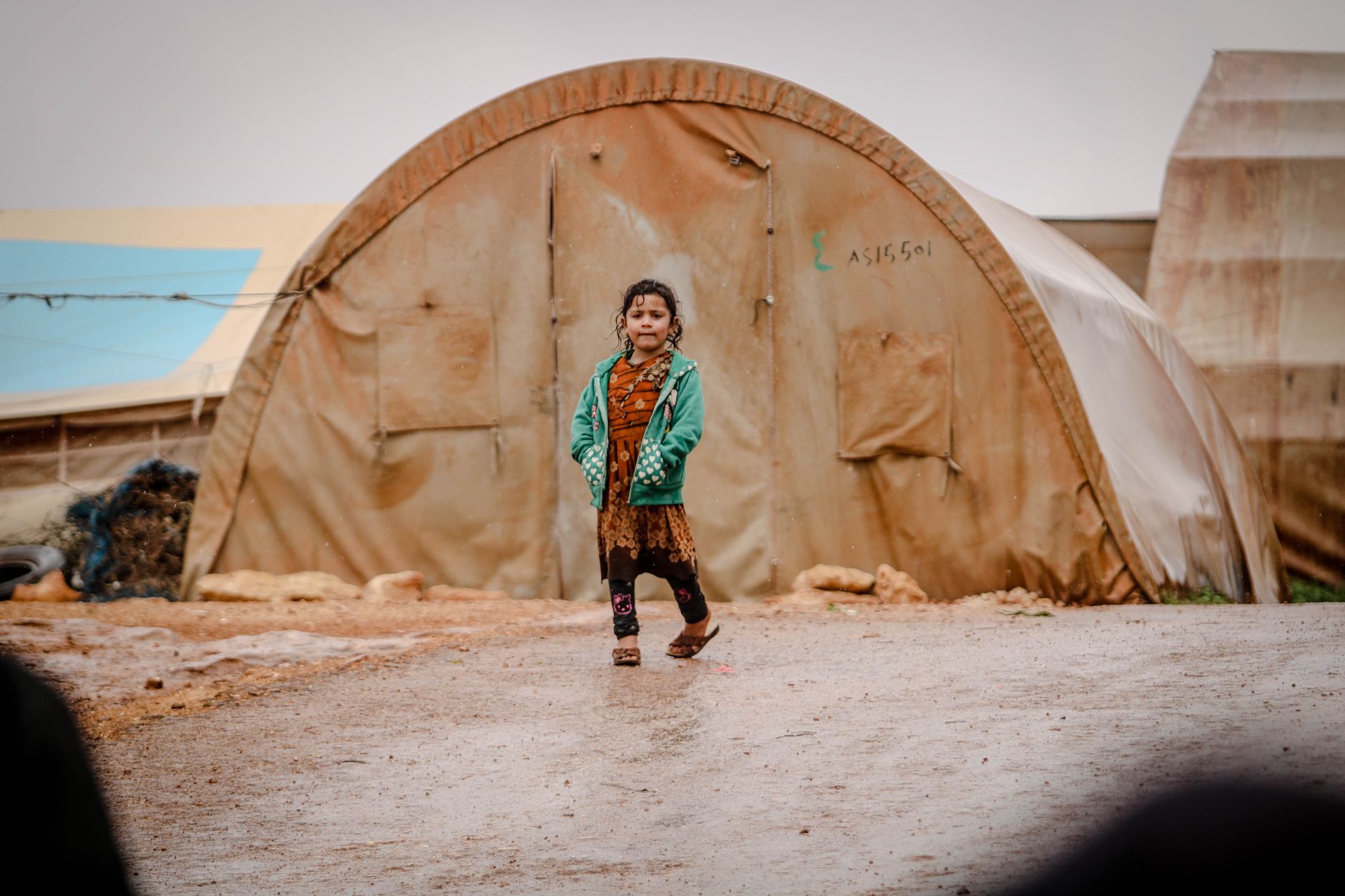
In Yemen, the humanitarian crisis continues to deepen, exacerbated by the ongoing conflict and the Saudi-led blockade. Millions face acute food insecurity, lack access to basic healthcare, and are displaced from their homes. The Houthi leadership, despite facing immense internal challenges and international pressure, maintains a firm grip on the territories they control, often leveraging these attacks as a means to gain leverage in peace negotiations or to rally support among their base. The constant cycle of violence perpetuates a dire situation for the Yemeni populace, with little hope for immediate relief as long as the broader regional power struggles continue to play out on Yemeni soil.
Internationally, the attacks have prompted renewed calls for de-escalation and diplomatic engagement, though concrete action remains elusive. The United States has condemned the attacks and reaffirmed its commitment to Saudi Arabia's defense, but its strategic focus has shifted somewhat, with a greater emphasis on diplomacy and reducing its direct military footprint in the region. This nuanced approach reflects a desire to avoid being drawn into another protracted conflict while still safeguarding vital interests. Meanwhile, Israel closely monitors the situation, concerned about the potential for Iranian-backed groups to expand their operational reach and threaten Israeli security directly, further complicating the already intricate regional security landscape.
What Experts Are Saying
Security analysts are largely in agreement that the Houthi attacks represent a calculated escalation by Iran, designed to test the resolve of the US and its allies while simultaneously demonstrating Iran's capacity for regional disruption. Dr. Sarah Al-Khalifa, a senior fellow at the Gulf Institute for Strategic Studies, notes, "These strikes are not random acts of defiance; they are precisely calibrated messages from Tehran, signaling that Iran can inflict significant economic pain if its interests are not addressed. The targeting of oil facilities is a direct challenge to global energy security and a clear attempt to raise the stakes in the ongoing nuclear negotiations." This perspective highlights the interconnectedness of regional conflicts with broader international diplomacy.
Energy market experts, such as John Peterson of Global Energy Watch, are expressing deep concern over the potential for sustained disruptions. "While Saudi Arabia has proven resilient in the face of past attacks, the increasing frequency and sophistication of Houthi strikes introduce an unacceptable level of risk," Peterson explains. "A major, successful attack on a critical processing facility could lead to a significant, prolonged reduction in global oil supply, inevitably driving up prices and potentially triggering a global recession. The market is already tight, and this geopolitical risk premium is becoming increasingly volatile." This sentiment underscores the fragility of global energy markets in the face of persistent regional instability.
Middle East political scientists, including Professor Amir Khan from the American University of Beirut, emphasize the dangerous feedback loop created by these proxy conflicts. "The US and Israeli strategy of 'maximum pressure' on Iran, coupled with Iran's 'forward defense' doctrine through its proxies, is creating an increasingly unstable environment," Khan argues. "Each action by one side provokes a reaction from the other, escalating the cycle of violence. The Houthis are merely one instrument in a much larger orchestra of regional power plays. Without a comprehensive diplomatic framework that addresses the core security concerns of all major regional actors, this cycle of escalation is unlikely to break, leading to more destructive outcomes." This analytical view points to the urgent need for a holistic approach to regional peace.
Frequently Asked Questions
What Happens Next
The immediate future will likely see a continuation of the precarious balance of escalation and deterrence. Saudi Arabia will undoubtedly enhance its defensive measures and potentially intensify its retaliatory strikes against Houthi targets in Yemen. The international community, led by the United States, will continue to condemn the attacks and call for de-escalation, but concrete steps towards a lasting peace remain elusive. Expect increased diplomatic efforts to revive peace talks for Yemen, though the Houthi's enhanced leverage from these attacks may complicate negotiations. The focus will be on preventing a direct confrontation between the major regional powers, which would have catastrophic consequences.
Economically, global energy markets will remain on high alert. Oil prices are likely to reflect a persistent geopolitical risk premium, fluctuating with every new development in the region. Energy companies and governments will be scrutinizing supply chains and assessing contingency plans for potential disruptions. The long-term implications could include a renewed push by consumer nations to diversify energy sources and reduce reliance on Middle Eastern oil, though this is a gradual process. The immediate concern is ensuring the uninterrupted flow of oil, which is vital for global economic stability.
Strategically, the US and Israel will continue to work on bolstering regional security architectures to counter Iranian influence and its proxies. This might involve increased intelligence sharing, advanced missile defense deployments, and coordinated diplomatic pressure. However, the challenge remains in finding a strategy that deters aggression without inadvertently triggering a wider conflict. The coming months will be critical in determining whether diplomacy can gain traction or if the region is destined for further, more dangerous escalations, potentially drawing in more actors and leading to a broader military confrontation.










Comments
No comments yet. Be the first to comment!