
What We Know
- Iran's army has explicitly warned that any resumption of U.S. attacks will lead to a significant expansion of the ongoing conflict, signaling a dangerous red line.
- The statement from Iran's military comes amidst heightened regional tensions, particularly following recent exchanges of fire and escalating rhetoric between the two nations.
- This warning directly follows recent U.S. retaliatory strikes against Iranian-backed groups in the region, which were themselves responses to attacks on U.S. personnel.
- The Iranian military's declaration underscores a perceived shift in their defensive posture, indicating a readiness to broaden the scope of engagement beyond current localized skirmishes.
- International observers are closely monitoring the situation, recognizing that such a declaration could drastically alter the strategic calculus for all parties involved in the Middle East.
- The current geopolitical climate is characterized by a delicate balance, where any misstep or misinterpretation of intentions could trigger a cascading series of escalations.
What We Do Not Know Yet
- The precise definition of "expand further" remains ambiguous; it is unclear whether this refers to geographical expansion, the involvement of new proxies, or a direct confrontation.
- The specific targets or methods Iran would employ in a broader conflict are not detailed, leaving room for speculation about potential responses and their severity.
- The extent of coordination between Iran's conventional army and its Revolutionary Guard Corps (IRGC) in formulating this threat, and how it aligns with their operational doctrines, is unknown.
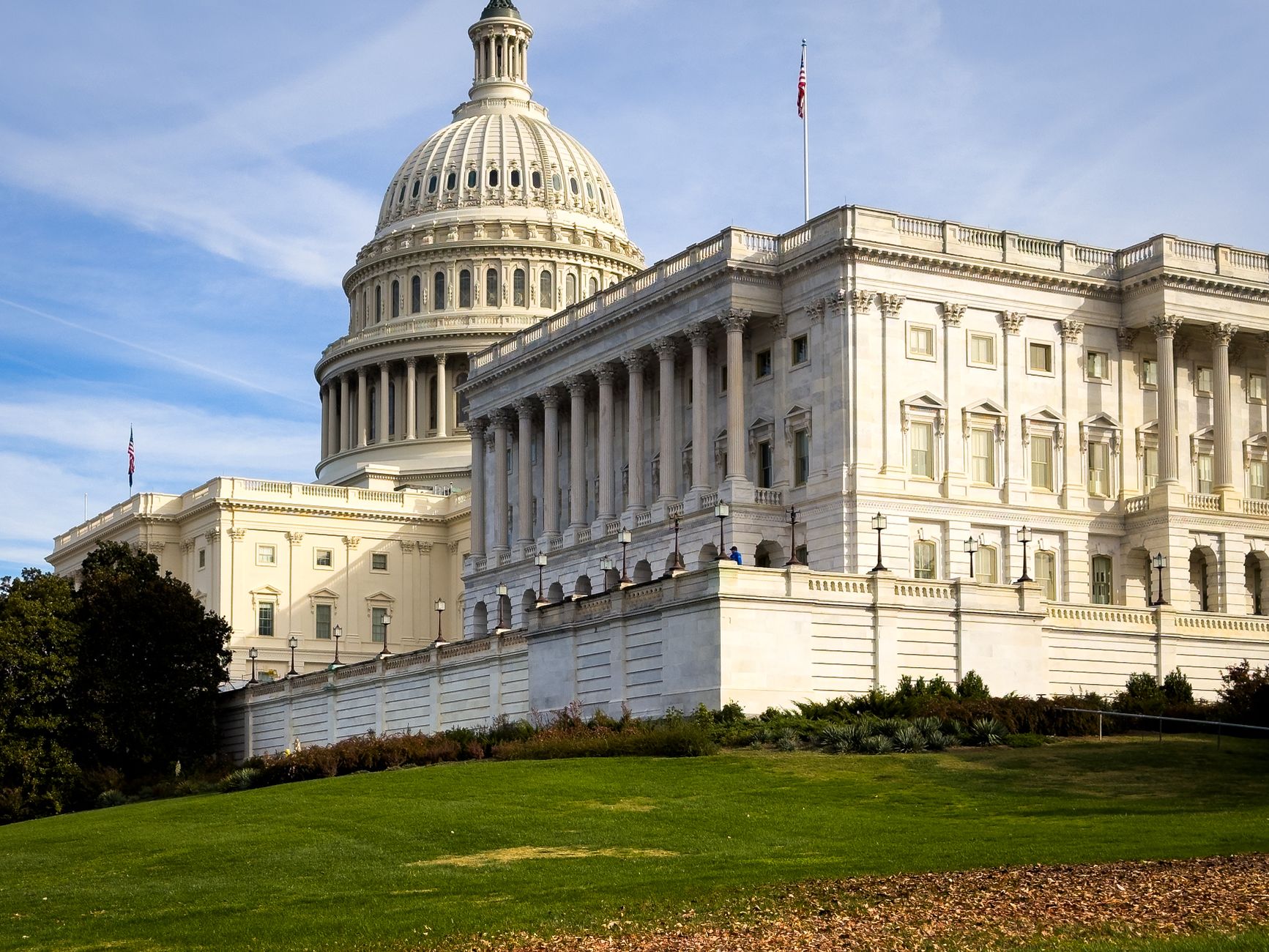
- How the U.S. administration interprets this latest Iranian warning, and what specific contingency plans are being activated in response to such a direct threat, has not been publicly disclosed.
- The reactions and potential roles of other regional powers, such as Saudi Arabia, Israel, and Turkey, in the event of a wider conflict sparked by renewed U.S. attacks, are currently speculative.
- Whether this warning is primarily a deterrent message or a genuine pre-declaration of intent to escalate remains a critical unknown, shaping future diplomatic and military strategies.
Background
The relationship between the United States and Iran has been fraught with tension for decades, characterized by periods of intense proxy conflict, economic sanctions, and intermittent military confrontations. This deep-seated animosity stems from a complex interplay of historical grievances, ideological differences, and competing geopolitical interests in the Middle East. The 1979 Iranian Revolution fundamentally reshaped the regional power dynamics, transforming Iran from a key U.S. ally into a staunch adversary, a shift that continues to reverberate across international relations.
Recent years have seen a significant uptick in direct and indirect confrontations. The U.S. withdrawal from the Joint Comprehensive Plan of Action (JCPOA) in 2018, coupled with the re-imposition of crippling sanctions, dramatically escalated economic pressure on Iran, which in turn led to Iran's gradual rollback of its nuclear commitments. This period has also been marked by a series of attacks on oil tankers, drone incidents, and rocket strikes on U.S. bases in Iraq and Syria, often attributed to Iranian-backed militias, further exacerbating an already volatile situation.
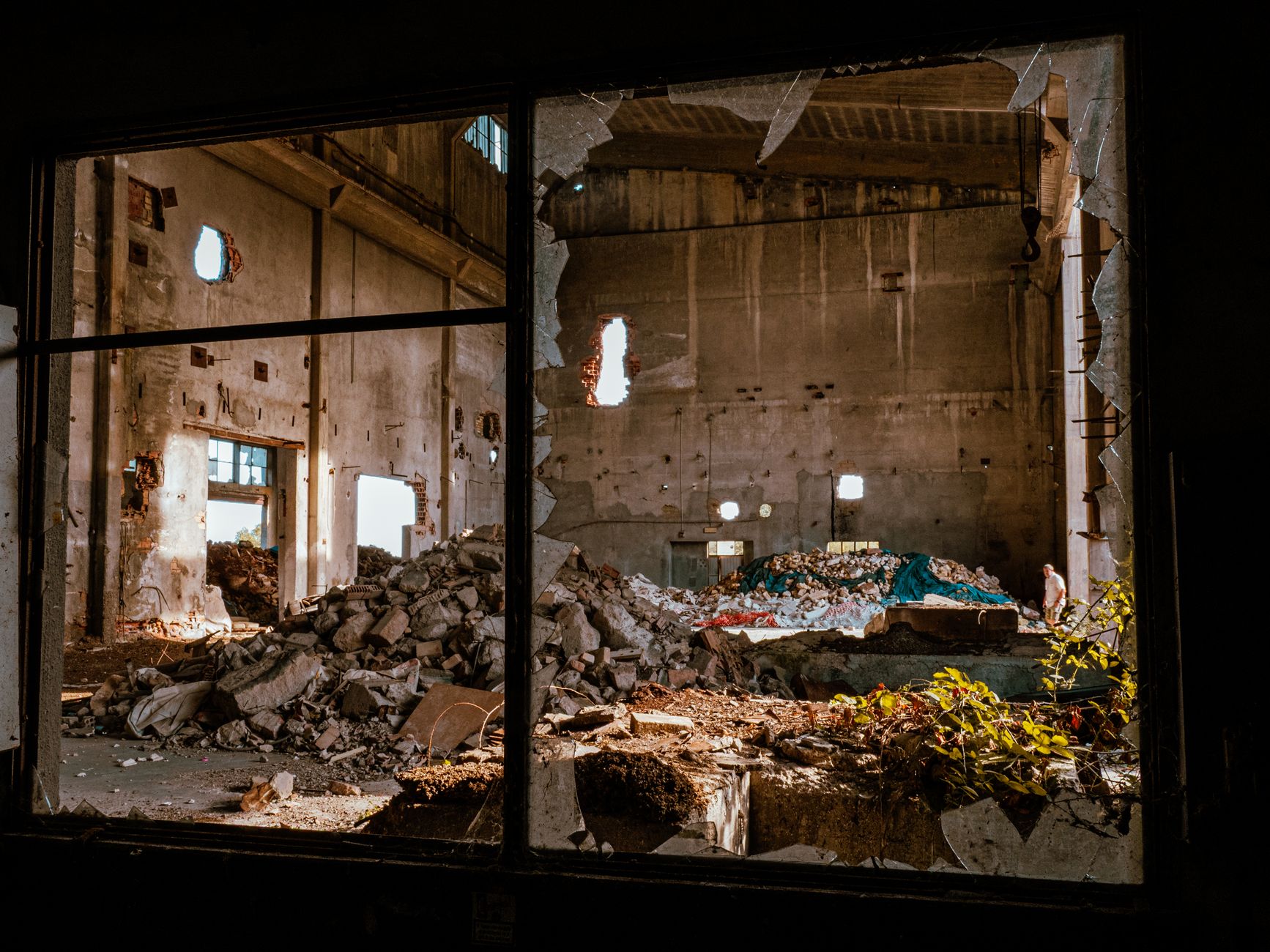
The current heightened state of alert follows a series of tit-for-tat exchanges. U.S. forces have conducted retaliatory strikes against facilities used by Iranian-backed groups in Iraq and Syria, asserting their right to defend personnel and interests in the region. These actions, while framed as defensive, are viewed by Iran as aggressive provocations, pushing the two nations closer to a direct, large-scale military engagement. The latest warning from Iran's army represents a critical inflection point, indicating a potential shift from proxy warfare to a more expansive and direct confrontation if the cycle of retaliation continues unchecked.
Why It Matters
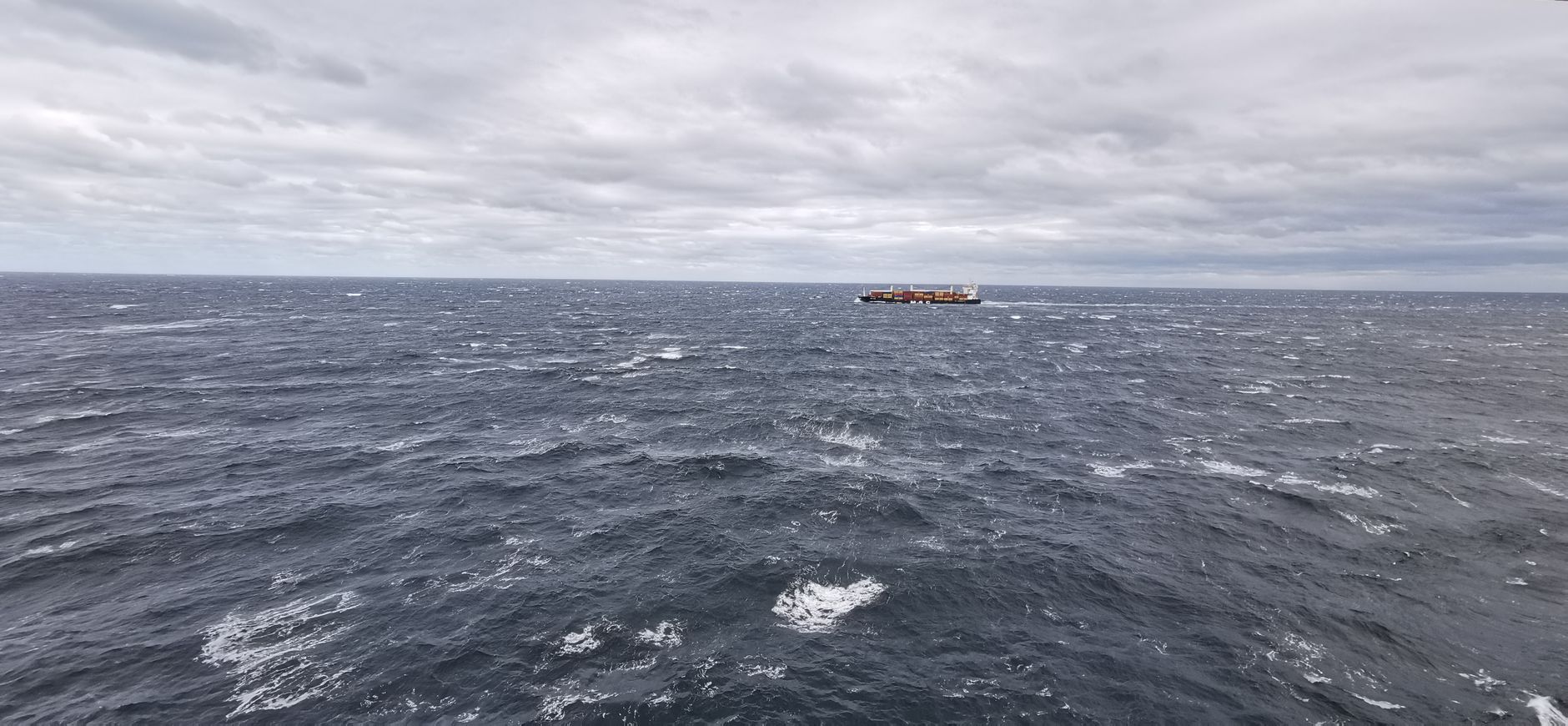
The explicit warning from Iran's army is not merely rhetorical; it signals a dangerous escalation in the already precarious U.S.-Iran relationship, carrying profound implications for regional and global stability. A broader conflict in the Middle East would inevitably disrupt global energy markets, sending oil prices soaring and triggering economic instability worldwide. The Strait of Hormuz, a critical chokepoint for a significant portion of the world's oil supply, could become a flashpoint, with potential blockades or attacks severely impacting international trade and supply chains, leading to widespread economic repercussions far beyond the immediate conflict zone.
Furthermore, an expanded conflict risks drawing in other regional and international actors, potentially transforming localized skirmishes into a full-blown regional war. Nations like Israel, Saudi Arabia, and various non-state actors operating in Syria, Iraq, and Yemen, all with vested interests and complex alliances, could be pulled into the vortex. This intricate web of relationships means that a conflict between the U.S. and Iran could quickly spiral out of control, creating a humanitarian catastrophe and further destabilizing an already fragile region, with long-term consequences for peace and security.
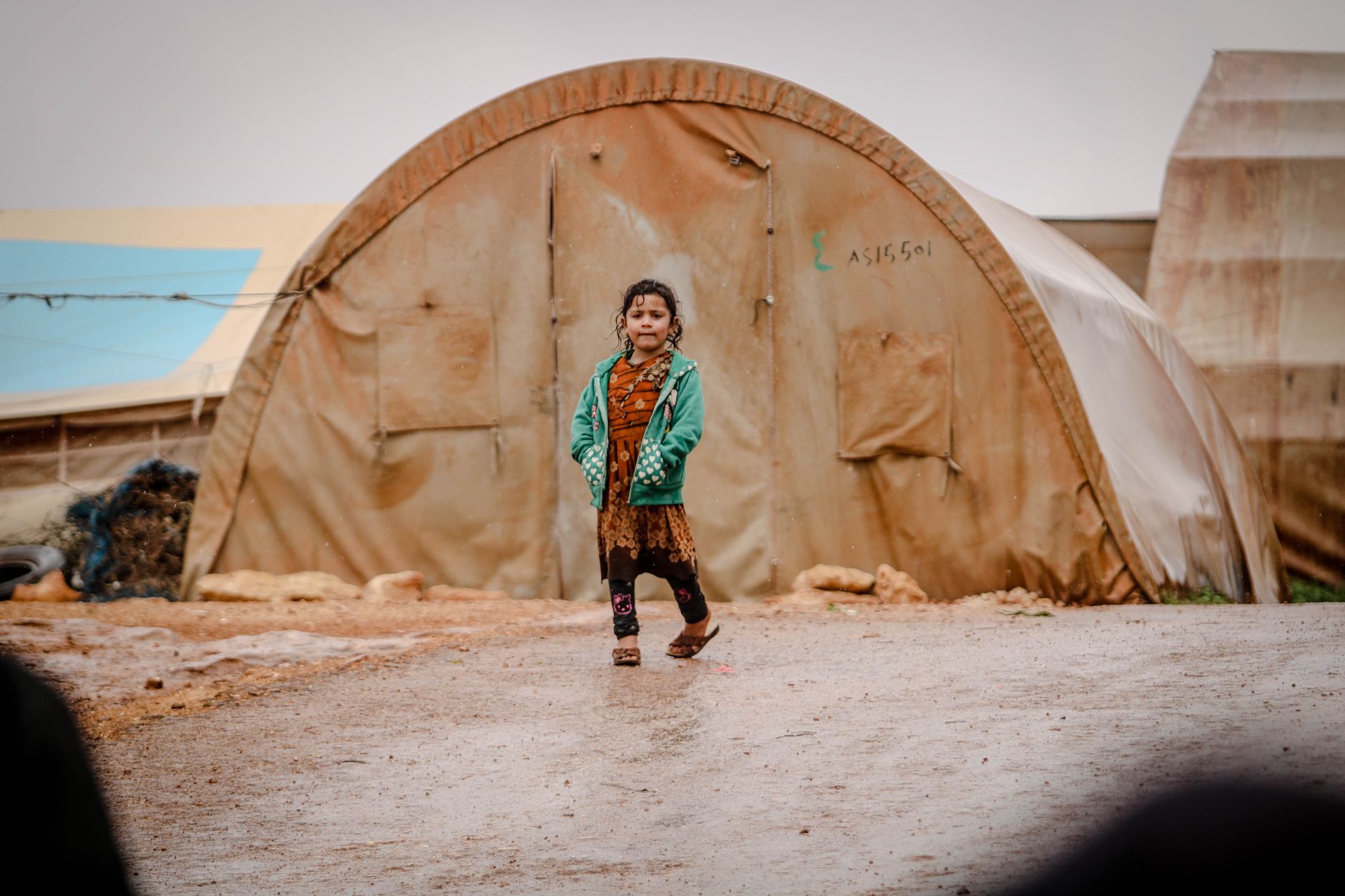
Beyond the immediate military and economic fallout, a direct confrontation could have devastating human costs, leading to widespread casualties, displacement, and a severe humanitarian crisis. It would also divert critical international attention and resources away from other pressing global challenges, such as climate change, pandemics, and other regional conflicts. The potential for a prolonged and devastating conflict underscores the urgent need for de-escalation and diplomatic engagement, as the alternative could be a catastrophic scenario with irreversible consequences for millions of people and the global order.
Timeline of Events
- **January 2020:** U.S. drone strike kills Iranian General Qasem Soleimani in Baghdad, significantly escalating tensions and prompting Iranian retaliatory missile strikes on U.S. bases in Iraq.
- **May 2021:** Reports emerge of increased attacks by Iranian-backed militias on U.S. interests in Iraq and Syria, including rocket fire and drone assaults targeting military bases and diplomatic facilities.
- **October 2023:** Following the outbreak of conflict in Gaza, attacks on U.S. forces in Iraq and Syria intensify dramatically, with dozens of incidents reported across the region, raising fears of a broader regional war.
- **January 2024:** A drone attack by an Iranian-backed militia kills three U.S. service members in Jordan, marking a critical turning point and directly prompting a robust U.S. response.
- **February 2024:** The U.S. conducts extensive retaliatory airstrikes against over 85 targets in Iraq and Syria, hitting command centers, intelligence facilities, and missile storage sites linked to Iran's Revolutionary Guard Corps (IRGC) and its proxies.
- **February 2024 (Current):** Iran's army issues a direct warning, stating that any further U.S. attacks will lead to the conflict expanding "further," signaling a dangerous escalation threshold.

Rapid-Fire Q&A
What Is Coming
- Expect continued heightened rhetoric and potential military posturing from both the U.S. and Iran, as each side attempts to project strength and deter further aggression.
- Increased diplomatic efforts, likely through third-party mediators, will intensify behind the scenes to de-escalate the situation and prevent a full-blown regional conflict, though public progress may be slow.
- Intelligence agencies will be on high alert, monitoring for any signs of Iranian preparation for expanded military action or the activation of its proxy networks across the Middle East.
- The U.S. may reinforce its military presence in the region, deploying additional assets to enhance defensive capabilities and project a credible deterrent against Iranian escalation.
- Global energy markets will remain volatile, with oil prices susceptible to sharp fluctuations based on any perceived escalation or de-escalation in the U.S.-Iran standoff.
- There is a significant risk of miscalculation or unintended escalation, where a minor incident could rapidly spiral into a larger conflict due to the hair-trigger nature of current tensions.









Comments
No comments yet. Be the first to comment!