

The Story in Brief
- The Trump administration has announced a sweeping new round of tariffs targeting goods from the United Kingdom, the European Union, and numerous other global trading partners, marking a significant escalation in its protectionist trade policy.
- These freshly imposed duties are expected to impact a wide array of sectors, ranging from agricultural products and manufactured goods to luxury items, potentially disrupting established supply chains and increasing consumer costs across the affected regions.
- The move comes amidst ongoing global economic uncertainties and could trigger retaliatory measures from the targeted nations, setting the stage for a broader and more damaging international trade war.
- Economists and trade analysts are warning of severe repercussions, including potential job losses, reduced economic growth, and heightened inflation in both the imposing and targeted economies, creating a precarious global financial outlook.
- This aggressive tariff action is widely seen as a strategic play by the Trump administration to reassert American economic dominance and force concessions from trading partners, aligning with its 'America First' agenda.
- The international community is bracing for significant diplomatic fallout, as these tariffs strain alliances and challenge the foundational principles of free trade and multilateral cooperation that have governed global commerce for decades.
The Human Face
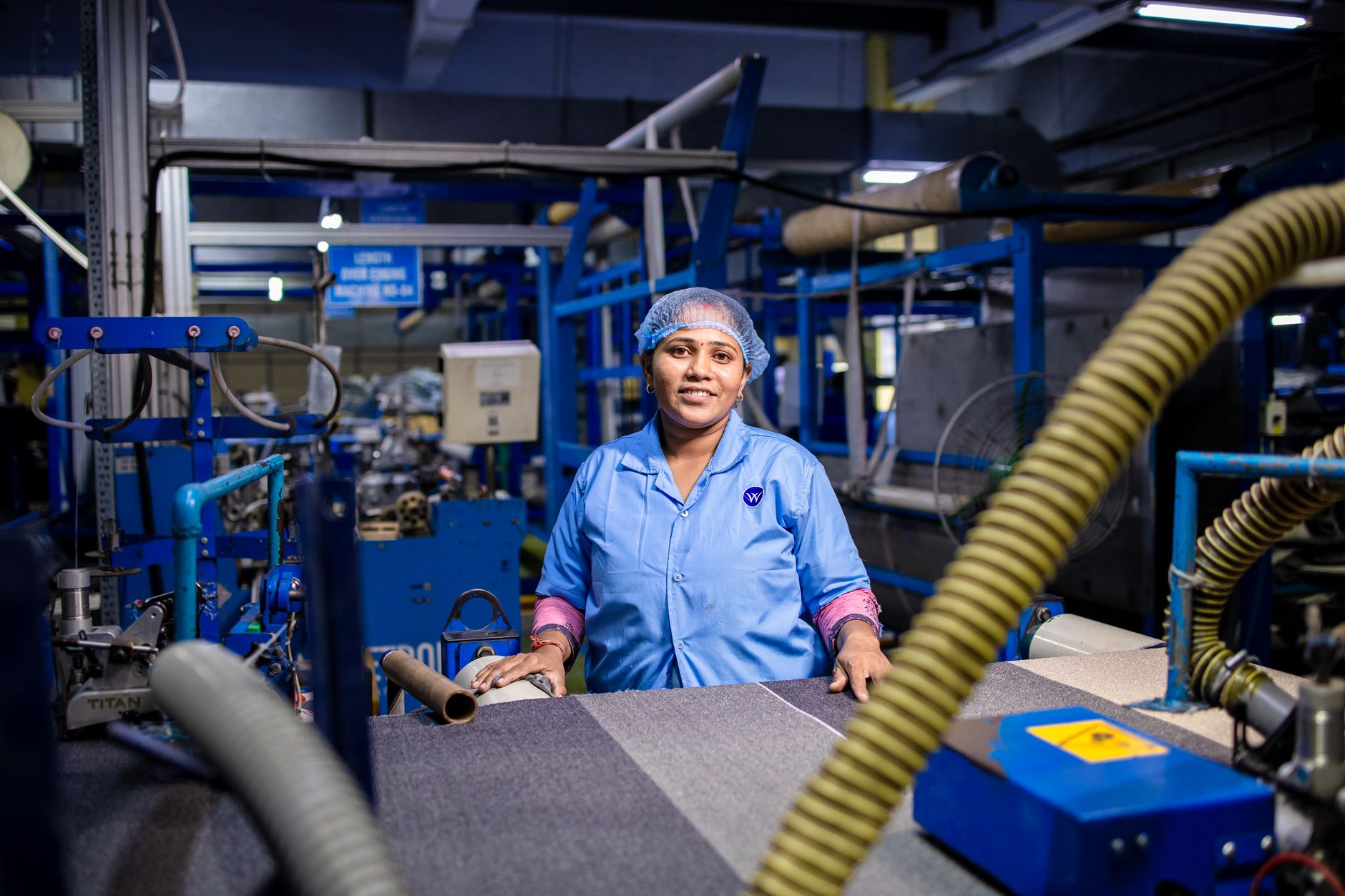
The ripple effects of these tariffs extend far beyond balance sheets and trade statistics, directly impacting the livelihoods of countless individuals. Consider the small business owner in rural England who relies on imported components from the US to manufacture specialized machinery. A sudden tariff hike on these essential parts could erode profit margins, force price increases, or even necessitate layoffs, jeopardizing years of hard work and community investment. Similarly, a family in Germany accustomed to affordable American agricultural products might face higher grocery bills, stretching already tight household budgets and forcing difficult choices.
Across the Atlantic, American consumers could see prices rise on popular European imports, from fine wines and cheeses to luxury cars and fashion. This isn't just about premium goods; it also affects everyday items where global supply chains are deeply intertwined. For example, a tariff on a specific chemical produced in the EU could drive up the cost of a crucial ingredient for an American pharmaceutical company, leading to higher prescription drug prices for patients. The cumulative effect of these seemingly distant policy decisions translates into tangible financial burdens and anxieties for ordinary people.
Moreover, the uncertainty generated by such trade disputes can deter investment and stifle innovation. Businesses, both large and small, become hesitant to commit to long-term projects or expand operations when the regulatory landscape is constantly shifting and the cost of doing business is unpredictable. This hesitation can lead to a stagnation in job creation and a slowdown in economic development, ultimately diminishing opportunities for workers and entrepreneurs alike. The human cost of a trade war is measured not just in immediate price changes, but in foregone opportunities and eroded confidence.
How We Got Here
The genesis of this latest round of tariffs can be traced back to the Trump administration's consistent 'America First' economic doctrine, a policy platform that prioritizes domestic industries and seeks to rebalance what it perceives as unfair trade relationships. From the outset of his presidency, Donald Trump signaled a clear departure from decades of multilateral trade agreements, viewing them as detrimental to American manufacturing and employment. This ideological stance fueled initial tariffs on steel and aluminum imports, which were justified on national security grounds, and subsequently led to a protracted trade war with China, setting a precedent for aggressive unilateral action.
The current escalation also stems from long-standing disputes and grievances that have simmered between the US and its allies. For instance, the imposition of tariffs on European goods often relates to ongoing disagreements over subsidies to aircraft manufacturers like Airbus, or perceived imbalances in agricultural trade. The administration has consistently argued that these trading partners engage in practices that disadvantage American businesses, from currency manipulation to intellectual property theft, even if these claims are often disputed by the targeted nations. This narrative of unfair play provides the rhetorical framework for the punitive measures now being implemented.
Furthermore, the timing of these new tariffs is critical. They emerge during a period of heightened global economic fragility, exacerbated by various geopolitical tensions and the lingering effects of previous economic shocks. This context suggests that the administration might be leveraging perceived economic leverage to extract concessions, or perhaps to rally domestic support ahead of future political contests. Regardless of the immediate trigger, the underlying philosophy remains consistent: a belief that aggressive protectionism is the most effective tool to secure American economic interests, even if it risks alienating traditional allies and destabilizing global commerce.
Why This Cannot Be Ignored
These new tariffs represent far more than just a minor adjustment to trade policy; they signify a fundamental shift in global economic relations that demands urgent attention. The potential for widespread economic disruption is immense, threatening to unravel complex global supply chains that have been meticulously built over decades. Businesses that rely on international trade, from multinational corporations to small importers and exporters, will face increased costs, reduced competitiveness, and significant uncertainty, potentially leading to widespread job losses and a slowdown in economic growth across multiple continents. This isn't merely a localized issue; it's a systemic shock to the global trading order.
Beyond the immediate economic fallout, these tariffs carry profound geopolitical implications. By targeting traditional allies like the UK and EU, the Trump administration risks fracturing crucial diplomatic relationships and undermining collective security efforts. In an increasingly complex world, strong alliances are vital for addressing shared challenges, from climate change to international security. A trade war among allies could weaken these bonds, making it harder to present a united front against common adversaries and potentially empowering rival global powers. The erosion of trust and cooperation could have long-lasting, detrimental effects on international stability.
Moreover, this aggressive protectionism challenges the very foundations of the rules-based international trading system, which has underpinned global prosperity since World War II. The World Trade Organization (WTO), designed to mediate trade disputes and promote free trade, finds its authority increasingly circumvented by unilateral actions. If major economic powers consistently opt for bilateral, punitive measures over multilateral negotiation, the entire framework could collapse. This would usher in an era of unpredictable trade relations, where economic power dictates terms rather than established rules, creating an environment ripe for further disputes and instability. The long-term consequences for global governance and economic predictability are deeply concerning.
Possible Paths Forward
One potential path forward involves immediate and robust diplomatic engagement, where targeted nations could seek to de-escalate the situation through direct negotiations with the Trump administration. This would entail high-level discussions aimed at identifying specific grievances and finding mutually acceptable compromises, perhaps through sector-specific agreements or a commitment to address underlying trade imbalances. The goal would be to prevent a full-blown trade war by offering concessions in areas deemed critical by the US, while simultaneously safeguarding their own economic interests and avoiding retaliatory tariffs that would only exacerbate the situation. This approach requires delicate diplomacy and a willingness from all sides to find common ground, prioritizing long-term stability over short-term gains.
Alternatively, the affected countries, particularly the UK and EU, could choose to pursue a coordinated, multilateral response through established international bodies like the World Trade Organization (WTO). This would involve filing formal complaints and seeking arbitration to challenge the legality of the new tariffs under international trade law. While this path can be lengthy and complex, it offers the advantage of reinforcing the rules-based global trading system and potentially garnering broader international support against unilateral protectionism. A united front, leveraging the collective economic power of multiple nations, could exert significant pressure on the US to reconsider its stance, demonstrating that such actions have tangible consequences beyond bilateral relations.
A third, more confrontational path involves retaliatory tariffs. If diplomatic efforts fail and WTO processes prove ineffective or too slow, targeted nations might feel compelled to impose their own tariffs on American goods. This 'eye for an eye' approach, while potentially satisfying domestic political pressures, carries significant risks of escalating the trade war into a destructive cycle, harming businesses and consumers on all sides. However, some argue that such a response is necessary to signal resolve and demonstrate that unilateral actions will not go unchallenged. This strategy would likely lead to a period of heightened economic uncertainty and could severely damage international trade relations for years to come, but it remains a strong possibility if other avenues are exhausted.

Questions People Are Actually Asking
What to Watch
- **Official Responses from Affected Nations:** Closely monitor the immediate and official reactions from the UK, EU, and other targeted countries. Their statements will indicate whether they intend to negotiate, retaliate, or pursue legal challenges through the WTO, setting the tone for the coming weeks.
- **WTO Dispute Filings:** Keep an eye on any formal complaints filed with the World Trade Organization. A flurry of WTO cases would signal a commitment to the rules-based system, but also a potentially lengthy and complex legal battle that could further strain international trade relations.
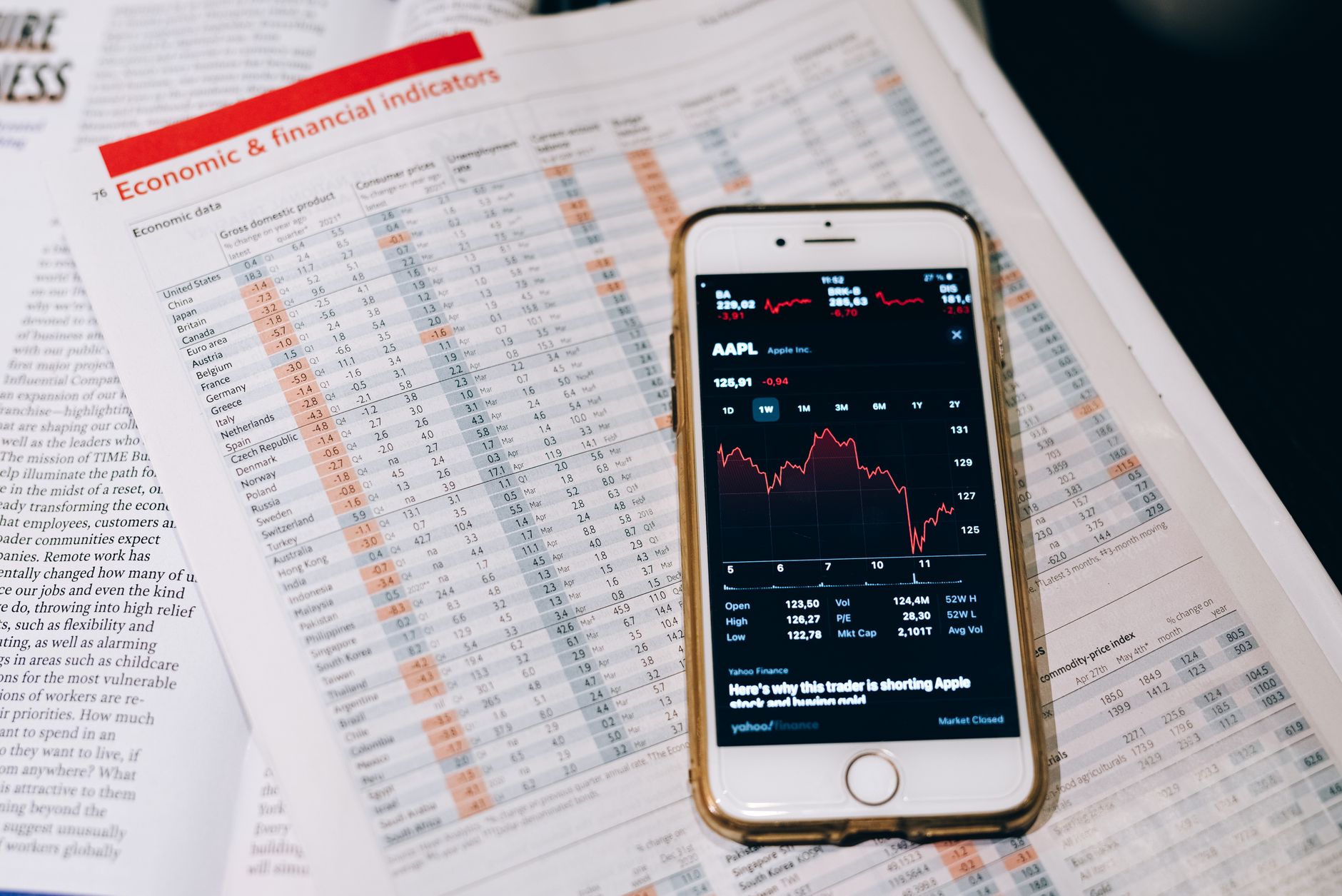
- **Market Reactions and Economic Indicators:** Observe stock market performance, currency fluctuations, and commodity prices, especially for affected goods. Additionally, watch for early economic indicators like manufacturing output, consumer confidence, and trade volume reports, which will provide the first tangible evidence of the tariffs' impact.
- **Supply Chain Adjustments:** Look for announcements from major corporations regarding changes to their supply chains, such as relocating production, seeking new suppliers, or adjusting pricing strategies. These corporate responses will reveal how businesses are adapting to the new trade landscape and the potential long-term shifts in global manufacturing.
- **Domestic Political Pressure in the US:** Pay attention to reactions from US industries, agricultural groups, and consumer advocates who might be negatively affected by retaliatory tariffs. Growing domestic pressure could influence the Trump administration's willingness to negotiate or reconsider its stance, especially as political cycles progress.
- **Broader Geopolitical Implications:** Beyond trade, observe how these tariffs affect diplomatic relationships and international cooperation on other critical issues, such as climate change, security alliances, and global health. A breakdown in trade relations could have wider ramifications for multilateral efforts and global stability.












Comments
No comments yet. Be the first to comment!