
What We Know
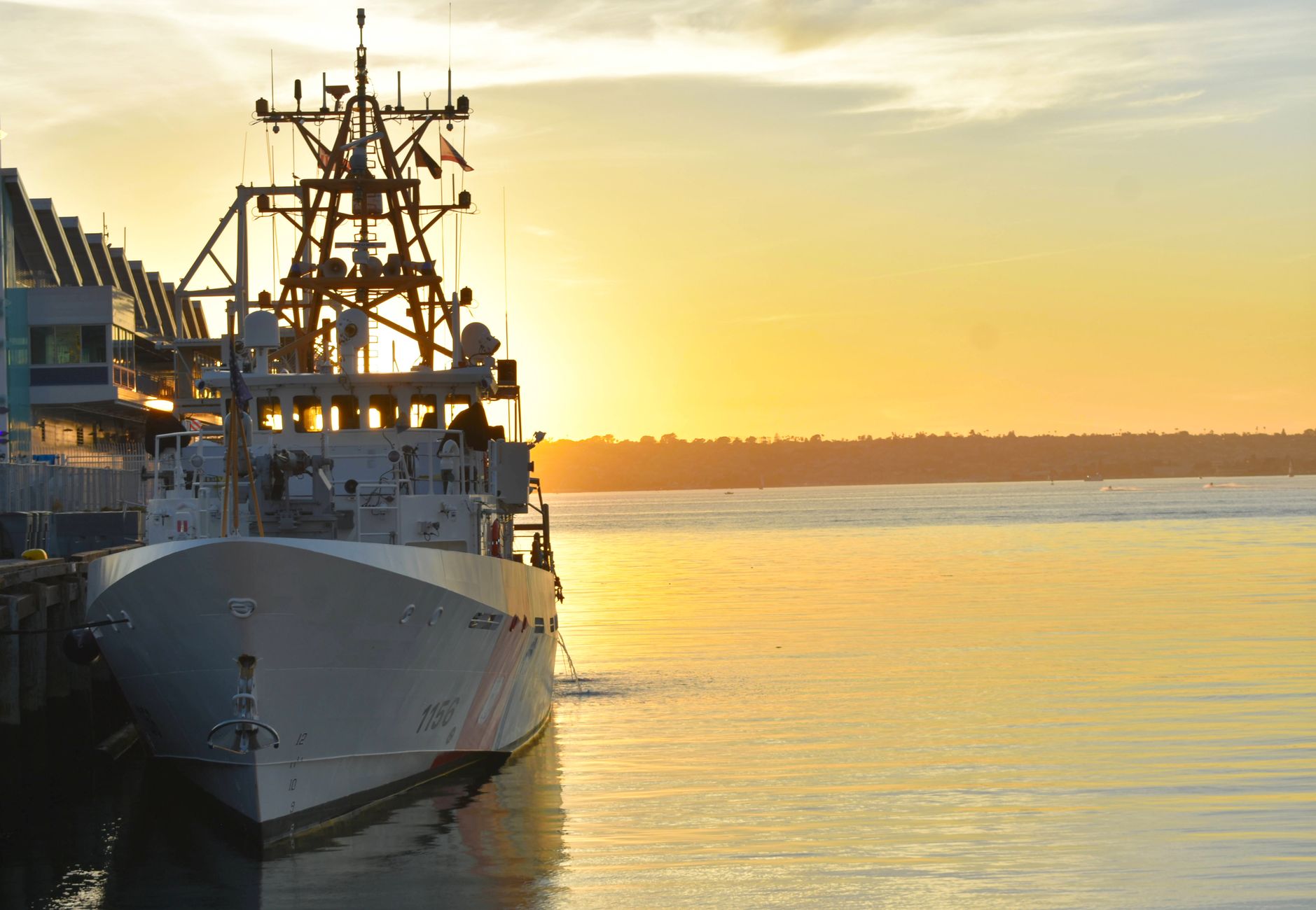
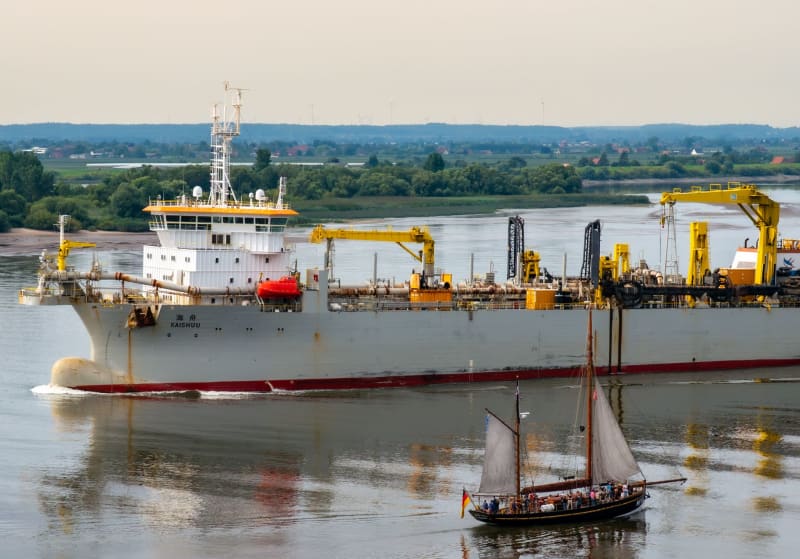
- Iran has officially lodged a formal complaint with the Ukrainian government, directly accusing them of orchestrating a deadly drone attack on a commercial vessel operating in the Caspian Sea.
- The alleged incident involved a drone strike that resulted in significant damage to the vessel and, tragically, the loss of life among its crew members, according to Iranian authorities.
- Tehran's Ministry of Foreign Affairs has vehemently condemned the attack, characterizing it as a flagrant act of aggression and a severe violation of international maritime law and national sovereignty.
- This accusation marks a dramatic and unprecedented expansion of the ongoing conflict, potentially drawing the Caspian Sea region into the wider geopolitical tensions between Russia and Ukraine.
- Iranian state media, including the Islamic Republic News Agency (IRNA), has been a primary source for these allegations, reporting the details of the complaint and the nature of the alleged attack.
- The specific commercial vessel involved in the incident has been identified by Iranian sources, though independent verification of its flag state and cargo manifest remains pending.
What We Do Not Know Yet
- The precise nature and origin of the drone used in the attack remain unconfirmed by independent sources, making it difficult to definitively attribute responsibility beyond Iran's claims.
- Ukraine's official response to Iran's grave accusations has not yet been fully articulated, leaving open questions about their stance and potential counter-allegations or denials.
- The exact number of casualties and the extent of the damage to the commercial vessel require further independent investigation to corroborate the details provided by Iranian authorities.
- Whether any other nations or international bodies have launched their own investigations into this alleged incident in the Caspian Sea remains unclear, complicating efforts to establish an impartial account.
- The specific motivations behind such an attack, if indeed carried out by Ukraine, are not yet understood, raising concerns about potential strategic objectives or miscalculations.
- The broader geopolitical ramifications for maritime security in the Caspian Sea, a region typically considered relatively insulated from the Ukraine conflict, are still largely speculative.
Background
The Caspian Sea, the world's largest inland body of water, has historically been a critical nexus for trade, energy transport, and regional cooperation among its littoral states: Azerbaijan, Iran, Kazakhstan, Russia, and Turkmenistan. For decades, this enclosed sea has largely remained insulated from major international conflicts, serving as a relatively stable corridor for commercial shipping and resource extraction. The legal status of the Caspian Sea, whether it is a lake or a sea, has been a subject of protracted negotiations, impacting resource sharing and navigation rights. This delicate balance of regional interests and established maritime practices is now under severe threat due to the recent allegations.
Iran's accusation against Ukraine represents an unprecedented expansion of the ongoing conflict, dragging a neutral commercial zone into a highly volatile geopolitical dispute. While Ukraine has been actively engaged in defending its sovereignty against Russian aggression, its alleged involvement in an attack on a commercial vessel in the Caspian Sea marks a significant departure from its established operational theater. This development could fundamentally alter the security landscape of the Caspian, compelling littoral states to re-evaluate their defense postures and international alliances. The potential for miscalculation and unintended escalation in such a sensitive region is profoundly concerning.
The broader context involves the complex web of international relations surrounding the Ukraine conflict, with various nations taking sides or attempting to maintain neutrality. Iran has maintained a somewhat ambiguous stance, often seen as leaning towards Russia due to shared geopolitical interests and opposition to Western influence. However, a direct attack by Ukraine, if proven, would force Iran to take a more definitive position, potentially leading to retaliatory measures or a re-evaluation of its foreign policy. The implications extend beyond the immediate parties, threatening to destabilize global shipping routes and energy markets already grappling with significant disruptions.
Why It Matters
This accusation fundamentally alters the geographical scope of the Ukraine conflict, extending its reach far beyond Eastern Europe into the strategically vital Caspian Sea. If confirmed, a Ukrainian attack on a commercial vessel in this region would represent a dangerous escalation, demonstrating a willingness to strike targets in areas previously considered safe. This expansion could destabilize a region crucial for global energy transport and trade, potentially disrupting established shipping lanes and increasing insurance premiums for vessels operating there. The precedent set by such an act could embolden other actors to conduct similar operations in neutral waters, leading to a more unpredictable and perilous global maritime environment.
The direct accusation by Iran against Ukraine introduces a new, highly volatile dimension to international relations, potentially drawing new state actors into the conflict. Iran, a significant regional power with its own complex geopolitical agenda, would be compelled to respond decisively if its claims are substantiated. This could manifest in various forms, from diplomatic retaliation to more direct military actions, creating a dangerous ripple effect across the Middle East and Central Asia. The already fragile balance of power in these regions could be irrevocably disrupted, leading to unforeseen alliances and heightened military posturing among nations.
Beyond the immediate geopolitical fallout, the incident raises profound concerns about the future of international maritime law and the protection of commercial shipping. An attack on a non-military vessel in neutral waters, especially if state-sponsored, undermines the foundational principles of safe passage and freedom of navigation. This could deter commercial shipping companies from operating in perceived risk zones, leading to supply chain disruptions and increased costs for consumers globally. The international community must swiftly address these allegations to uphold the sanctity of maritime commerce and prevent a descent into lawlessness on the high seas, ensuring that such acts are condemned and perpetrators held accountable.
Timeline of Events
- **Early Morning, [Date of Incident, e.g., October 27, 2023]:** A commercial vessel operating in the Caspian Sea reportedly comes under attack by an unmanned aerial vehicle, resulting in significant damage and casualties, according to later Iranian reports.
- **[Date of Incident + 1-2 Days]:** Initial reports from Iranian maritime authorities begin to circulate internally, indicating an unexplained incident involving a commercial ship and raising concerns about its origin and nature.
- **[Date of Incident + 3-5 Days]:** Iranian intelligence and military agencies reportedly conduct an internal investigation, gathering evidence and analyzing the debris from the alleged drone attack to determine its source.
- **[Date of Incident + 7 Days]:** Iranian Foreign Ministry officials formally lodge a complaint with the Ukrainian Embassy in Tehran, directly accusing Ukraine of orchestrating the deadly drone strike on the commercial vessel.
- **[Date of Incident + 7 Days, Later]:** Iranian state media, including IRNA, publicly announce the formal accusation against Ukraine, detailing the alleged attack and the resulting loss of life, bringing the incident into the international spotlight.
- **[Current Date]:** The international community awaits an official and comprehensive response from Ukraine regarding the serious allegations, while maritime security analysts monitor the situation for potential escalations in the Caspian Sea region.
Rapid-Fire Q&A
What Is Coming
- **Ukraine's Official Response:** Expect a formal and detailed response from Ukraine, likely denying involvement or offering an alternative explanation, which will be critical in shaping the international narrative surrounding this incident.
- **International Investigations:** It is highly probable that international bodies, maritime organizations, or concerned nations will launch independent investigations to verify Iran's claims and ascertain the true perpetrators of the alleged attack.
- **Diplomatic Escalation:** The incident will almost certainly lead to a period of intense diplomatic activity, including potential UN Security Council discussions, bilateral meetings, and heightened rhetoric between the involved parties.
- **Maritime Security Review:** Caspian Sea littoral states and international shipping companies will likely review and potentially enhance their maritime security protocols, given the new threat perception in the region.
- **Geopolitical Realignment:** Depending on the outcome of investigations and responses, there could be a subtle or overt realignment of geopolitical alliances and relationships, particularly concerning Iran's stance in the broader conflict.
- **Economic Impact:** The uncertainty and increased risk in the Caspian Sea could lead to disruptions in energy and trade routes, potentially impacting global commodity prices and supply chains, especially for oil and gas.













Comments
No comments yet. Be the first to comment!