
The Story in Brief
- The ongoing conflict with Iran has intensified, leading to a palpable sense of 'despair' within Washington's policy circles as viable diplomatic and strategic pathways appear increasingly elusive.
- Despite extensive efforts and numerous policy shifts over recent administrations, a sustainable resolution to the complex geopolitical challenges posed by Iran remains frustratingly out of reach, exacerbating internal frustrations.
- Key U.S. officials and seasoned analysts are openly acknowledging the profound difficulties in formulating an effective strategy that can both contain Iranian influence and prevent further regional destabilization without resorting to direct military confrontation.
- The current stalemate is not merely a policy challenge but a deeply entrenched geopolitical quagmire, impacting alliances, oil markets, and the broader security architecture of the Middle East, demanding urgent re-evaluation.
- Concerns are mounting over the potential for miscalculation or unintended escalation, as both sides continue to engage in proxy conflicts and rhetorical sparring, raising the stakes for all involved parties.
- The international community is closely observing the situation, with many nations urging de-escalation and a renewed commitment to diplomatic engagement, recognizing the widespread implications of a full-blown conflict.
The Human Face
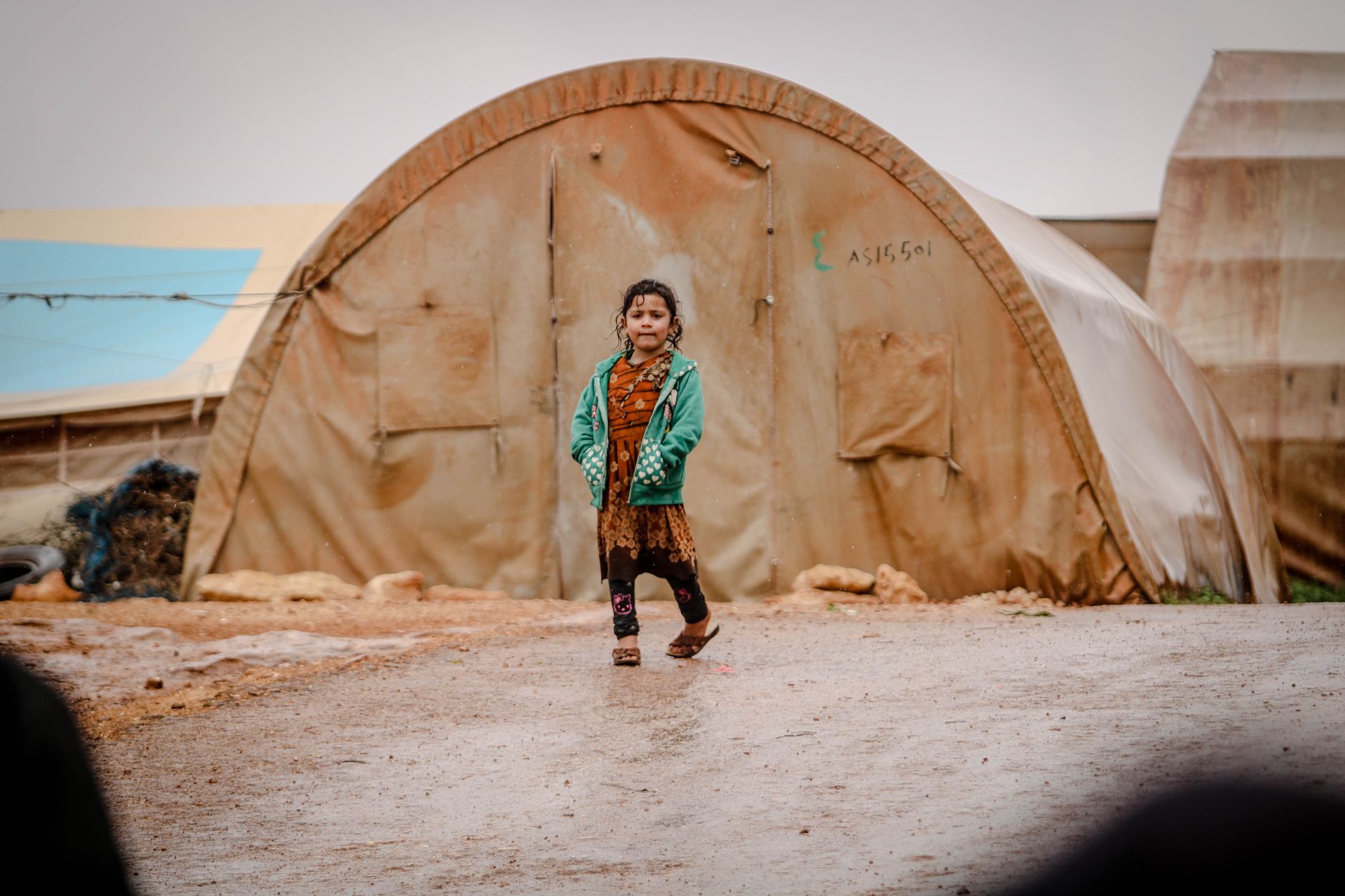
The human cost of the protracted conflict with Iran, while often overshadowed by geopolitical maneuvering and strategic discussions, is devastatingly real and profoundly impacts millions across the region. From the streets of Tehran to the battlefields of Yemen and Syria, ordinary citizens bear the brunt of sanctions, proxy wars, and the constant threat of wider escalation. Families are torn apart by economic hardship, lack of access to essential services, and the pervasive fear that their lives could be upended at any moment. This pervasive instability has led to massive displacement, refugee crises, and a generation growing up in the shadow of conflict, their futures uncertain and their hopes often dashed by the relentless cycle of violence and political deadlock.
Beyond the immediate casualties and displacements, the conflict erodes social fabrics and trust. Communities that once coexisted peacefully now find themselves divided along sectarian or political lines, fueled by external actors and internal grievances. The psychological toll on individuals, particularly children exposed to violence and deprivation, is immense and long-lasting. Healthcare systems are strained, educational opportunities are curtailed, and the basic infrastructure necessary for a functioning society is often targeted or neglected. This creates a vicious cycle where instability breeds further suffering, making any future reconciliation or reconstruction efforts incredibly challenging and resource-intensive.
The 'despair' felt in Washington, while significant in policy terms, pales in comparison to the daily despair experienced by those living under the shadow of this conflict. Their voices, often unheard in the corridors of power, speak of a desperate yearning for peace, stability, and the opportunity to rebuild their lives. Understanding this profound human dimension is not merely an act of empathy; it is a critical component of any truly effective strategy. Without addressing the root causes of human suffering and providing tangible pathways to relief and recovery, any geopolitical solution will remain incomplete and ultimately unsustainable, perpetuating a cycle of misery for generations to come.
How We Got Here
The current quagmire in U.S.-Iran relations is the culmination of decades of mistrust, strategic miscalculations, and a deeply entrenched ideological chasm that has defied consistent diplomatic resolution. The 1979 Iranian Revolution irrevocably altered the geopolitical landscape, transforming a key American ally into a staunch adversary and setting the stage for a prolonged period of animosity. Subsequent events, including the hostage crisis, Iran-Iraq War, and the development of Iran's nuclear program, progressively deepened this divide, creating layers of grievances and retaliatory actions that continue to define the bilateral relationship. Each administration in Washington has grappled with this complex legacy, often oscillating between confrontation and cautious engagement, yet a durable framework for peace has remained elusive.
A pivotal moment arrived with the 2015 Joint Comprehensive Plan of Action (JCPOA), an international agreement designed to curb Iran's nuclear ambitions in exchange for sanctions relief. While hailed by some as a triumph of diplomacy, it was vehemently criticized by others who argued it did not adequately address Iran's ballistic missile program or its regional destabilizing activities. The subsequent withdrawal of the United States from the JCPOA in 2018 under the Trump administration, followed by the re-imposition of stringent sanctions, effectively dismantled years of painstaking diplomatic effort. This move, intended to force Iran back to the negotiating table for a 'better deal,' instead led to Iran accelerating its nuclear activities and intensifying its regional proxy operations, thus escalating tensions dramatically.
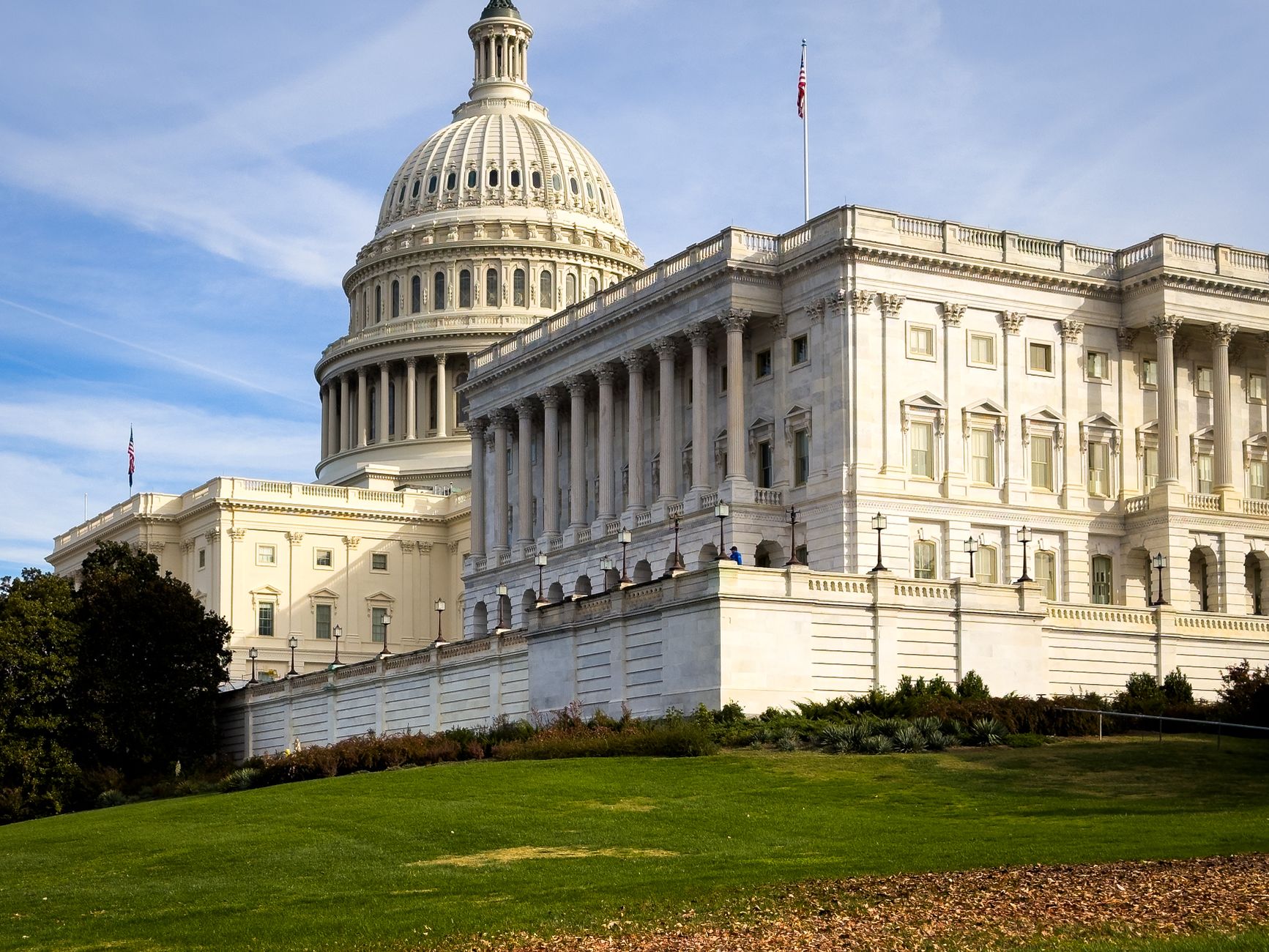
Today's 'despair' in Washington stems from this cycle of escalation and the apparent lack of viable off-ramps. The Biden administration inherited a situation where Iran's nuclear program is more advanced than ever, its regional proxies are emboldened, and direct diplomacy remains fraught with challenges. Attempts to revive the JCPOA have stalled, and new proposals for a comprehensive agreement face significant hurdles, both domestically in the U.S. and within Iran. The ongoing shadow war in the Gulf, cyber attacks, and targeted assassinations further complicate any diplomatic overtures, creating a volatile environment where miscalculation could easily spiral into a broader, devastating conflict, leaving policymakers with a profound sense of strategic paralysis.
Why This Cannot Be Ignored
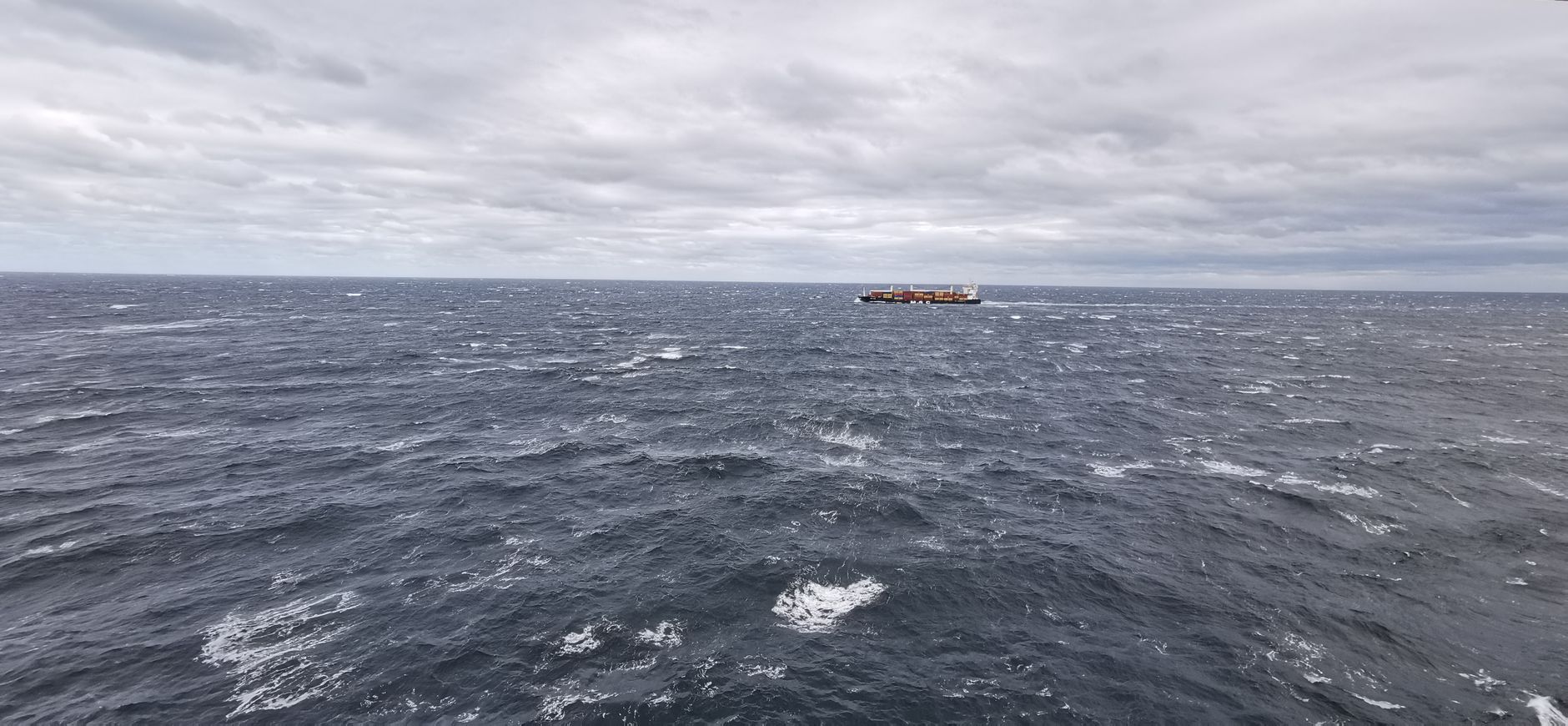
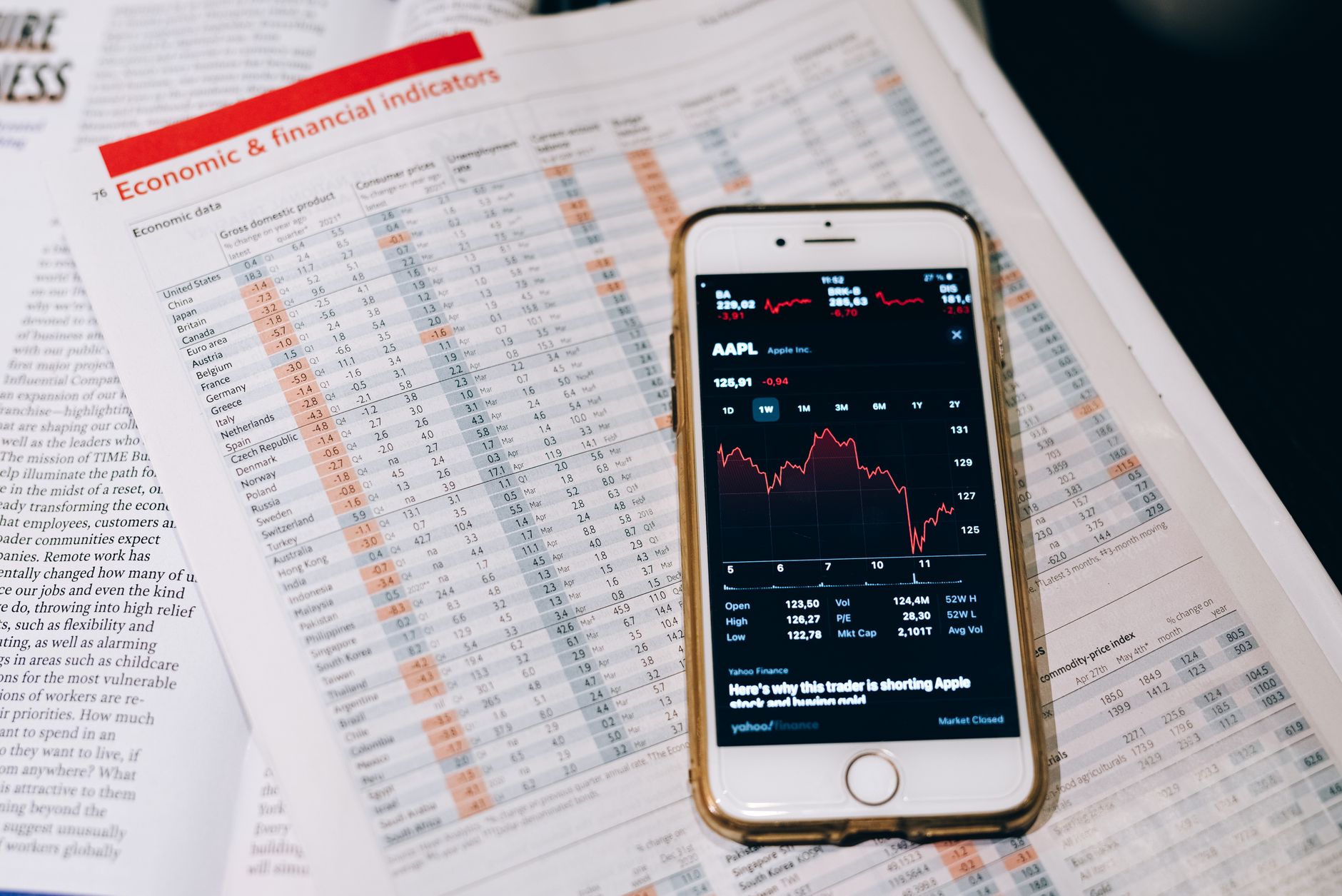
The persistent and escalating conflict with Iran is not merely a regional issue; it is a global flashpoint with far-reaching implications that demand immediate and sustained attention from international actors. A full-scale confrontation would send shockwaves through the global economy, primarily by disrupting vital oil shipping lanes in the Strait of Hormuz, a choke point through which a significant portion of the world's oil supply passes. Such a disruption would inevitably lead to skyrocketing energy prices, triggering economic instability and potential recessions across major economies. The ripple effects would extend to supply chains, trade routes, and financial markets worldwide, making it an economic catastrophe with global repercussions that no nation can afford to ignore.
Beyond economic fallout, the humanitarian crisis that would inevitably follow a major conflict would be catastrophic. Millions would be displaced, regional infrastructure would be decimated, and the loss of life would be immense. The Middle East, already reeling from decades of conflict and instability, would be plunged into an even deeper abyss, creating a breeding ground for extremism and further destabilizing an already fragile geopolitical landscape. The influx of refugees would strain international aid organizations and neighboring countries, creating a humanitarian challenge on an unprecedented scale. The long-term consequences for human development, regional stability, and international peace would be devastating, taking generations to recover from.
Furthermore, the conflict carries the inherent risk of nuclear proliferation. As Iran continues to advance its nuclear program, the possibility of other regional powers seeking to develop their own nuclear capabilities grows, creating a dangerous arms race in an already volatile area. This would fundamentally alter the global security architecture, making the world a far more perilous place. The 'despair' in Washington is a stark acknowledgment of these profound risks. Ignoring this escalating tension is not an option; it is a dereliction of international responsibility. A concerted, multilateral effort is required to de-escalate, find diplomatic solutions, and prevent a conflict that would have irreversible and catastrophic consequences for humanity.
Possible Paths Forward
Navigating the treacherous landscape of U.S.-Iran relations requires a multi-pronged approach, moving beyond the binary choices of war or capitulation. One viable path forward involves a renewed, robust diplomatic offensive, potentially building on elements of the original JCPOA but with critical enhancements. This would entail engaging Iran directly and through international intermediaries to negotiate a comprehensive agreement that addresses not only its nuclear program but also its ballistic missile capabilities and regional proxy activities. Such negotiations would need to offer tangible incentives for Iran, such as significant sanctions relief, while simultaneously establishing stringent verification mechanisms and clear red lines. This approach demands patience, strategic flexibility, and a willingness from all parties to make difficult compromises, moving past entrenched positions to find common ground for de-escalation and long-term stability.
Another crucial pathway involves strengthening regional security frameworks and fostering dialogue among Middle Eastern states. The United States could play a pivotal role in facilitating discussions between Iran and its regional rivals, such as Saudi Arabia and the UAE, to build confidence and de-escalate proxy conflicts. This could involve establishing regional security forums, implementing arms control measures, and promoting economic cooperation that benefits all parties. By empowering regional actors to take ownership of their security, the U.S. can reduce its direct military footprint while still ensuring stability. This strategy would aim to transform the current zero-sum game into a more cooperative environment, where mutual security interests are prioritized over competitive dominance.
Finally, a sustained focus on internal Iranian dynamics and civil society engagement represents a long-term, non-military approach. While direct intervention is fraught with peril, supporting human rights, promoting internet freedom, and encouraging democratic aspirations within Iran can foster internal pressures for reform. This path requires a delicate balance, avoiding actions that could be perceived as regime change attempts, which often backfire. Instead, it focuses on empowering the Iranian people through information and support for their fundamental rights, believing that a more open and accountable Iran would ultimately be a more peaceful and stable actor on the world stage. This strategy, while slow-burning, could lay the groundwork for a future where Iran's trajectory is determined by its citizens, rather than by external pressures or internal hardliners.
Questions People Are Actually Asking
What to Watch
- **Iran's Nuclear Enrichment Levels:** Closely monitor any further increases in uranium enrichment purity or the installation of more advanced centrifuges, as these actions would signal an accelerating nuclear program and potentially shorten the 'breakout time' significantly, intensifying international alarm.
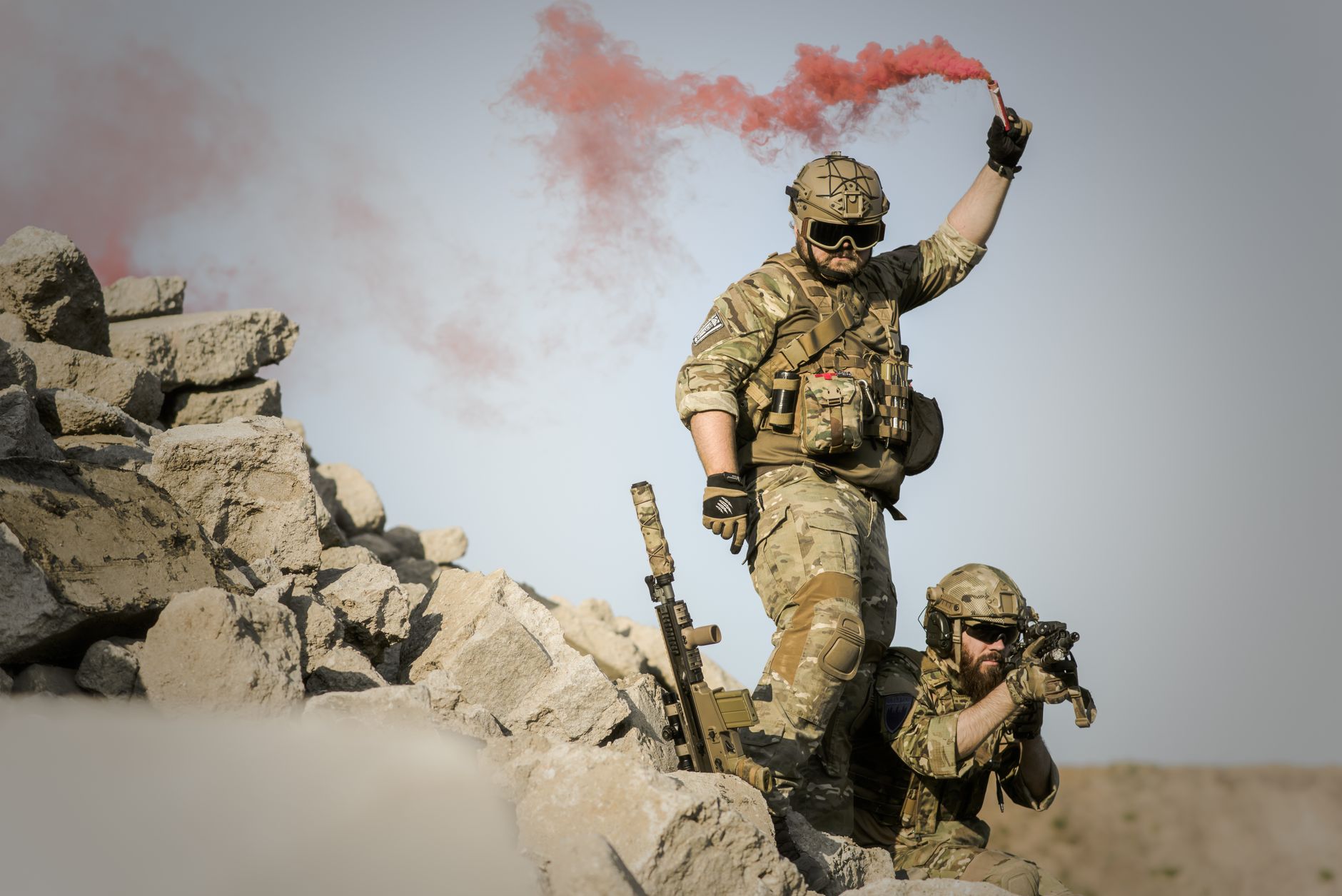
- **Regional Proxy Activities:** Keep a vigilant eye on the actions of Iranian-backed militias and groups in Yemen, Iraq, Syria, and Lebanon. Any significant escalation in attacks on U.S. forces, regional allies, or commercial shipping could trigger retaliatory measures and further destabilize the already volatile region.
- **International Sanctions Enforcement:** Observe how effectively international sanctions are being enforced and whether new sanctions are imposed. Any signs of weakening enforcement or significant sanctions evasion could provide Iran with increased financial resources, impacting its strategic calculations and regional ambitions.
- **Diplomatic Overtures and Back-Channel Talks:** Watch for any indications of renewed diplomatic engagement, either direct or indirect, between the U.S. and Iran. Even subtle signals or the involvement of new intermediaries could suggest a potential shift towards de-escalation or a willingness to explore new pathways for dialogue.
- **Internal Iranian Political Developments:** Pay attention to shifts within Iran's political landscape, including upcoming elections, leadership changes, or significant protests. Internal dynamics can profoundly influence Iran's foreign policy decisions and its posture towards international negotiations, offering potential windows for engagement or increased rigidity.
- **Oil Market Volatility and Energy Security:** Monitor global oil prices and the security of shipping lanes, particularly the Strait of Hormuz. Any threats to energy transit or significant price spikes could indicate rising tensions in the Gulf, signaling a heightened risk of conflict and broader economic disruption.






Comments
No comments yet. Be the first to comment!