
Key Takeaways
- A sudden, unexpected geopolitical event has dramatically re-entered the global stage, catching financial markets off guard and prompting a swift flight to safety among risk-averse investors worldwide.
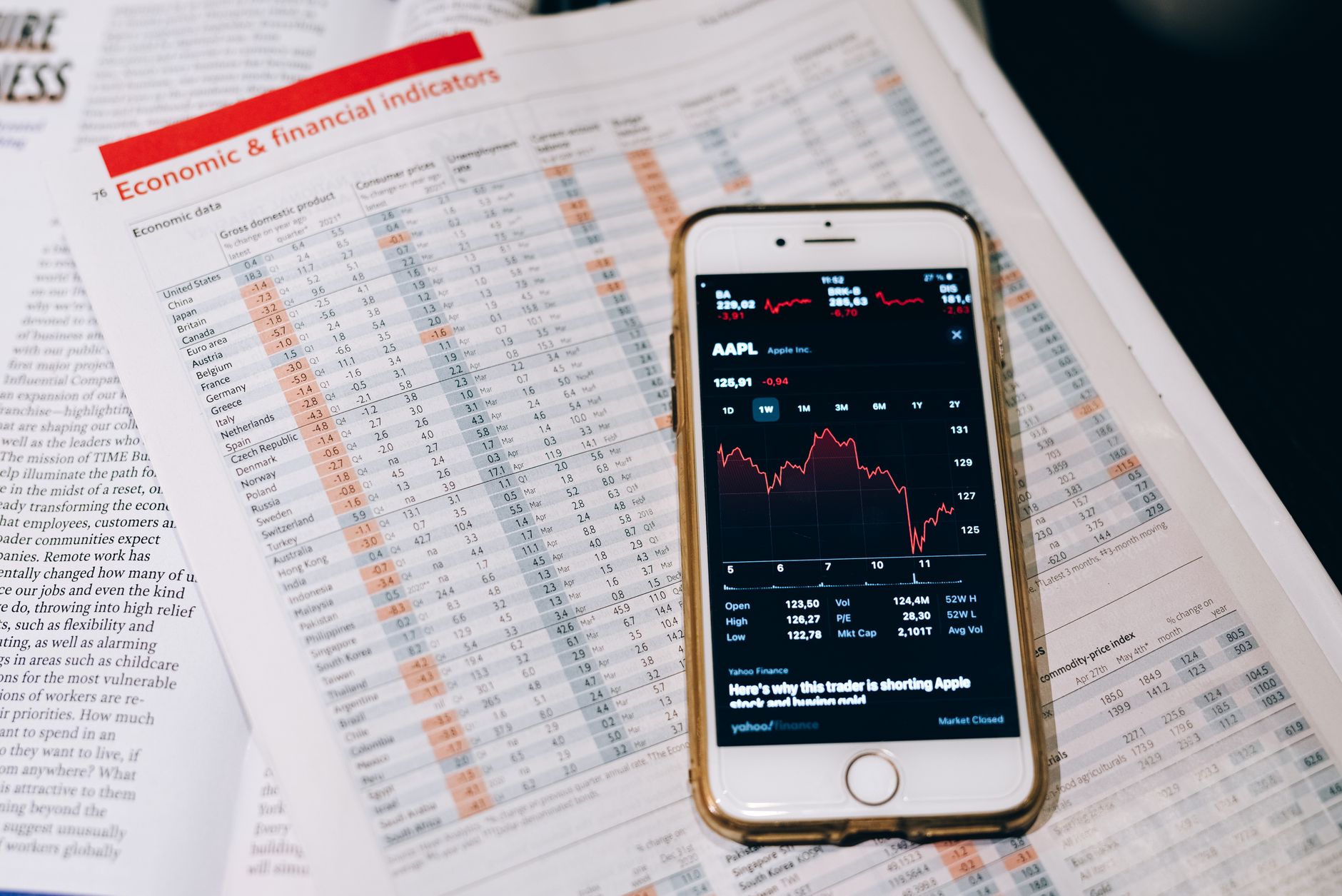
- U.S. Treasury yields have experienced a sharp and significant surge across all maturities, directly reflecting heightened investor anxiety and a recalibration of future economic expectations amidst this new uncertainty.
- The re-emergence of this 'black swan' event is triggering widespread alarm bells across financial sectors, compelling analysts and policymakers to reassess stability and growth projections for the coming quarters.
- Global equity markets are showing signs of significant volatility and downward pressure, as the geopolitical shock prompts a broad-based de-risking strategy from institutional and retail investors alike.
- Central banks, particularly the U.S. Federal Reserve, are now facing increased pressure to consider the implications of this geopolitical shift on their monetary policy stances, potentially complicating future interest rate decisions.
- Commodity markets, especially oil and gold, are reacting sharply to the news, with crude oil prices potentially rising due to supply concerns and gold seeing increased demand as a traditional safe-haven asset.
Background
For months, global financial markets have been navigating a complex landscape characterized by persistent inflation, aggressive monetary tightening cycles, and a delicate balancing act between economic growth and recessionary fears. Analysts had largely priced in a gradual path towards disinflation and a potential soft landing, with central banks carefully calibrating their policy responses to avoid tipping economies into severe downturns. This narrative, while challenging, offered a degree of predictability, allowing investors to position themselves based on established economic models and forward guidance from major financial institutions.
However, the sudden and unexpected re-emergence of a significant geopolitical 'black swan' event has fundamentally disrupted this carefully constructed equilibrium. This event, which had previously been considered a low-probability, high-impact risk, has now materialized with considerable force, injecting a profound level of uncertainty that was not factored into prevailing market expectations. The nature of this event, whether it involves regional conflict escalation, a major cyberattack, or an unforeseen political crisis, carries the potential to redraw geopolitical alliances and disrupt critical supply chains on a global scale.
The immediate consequence has been a dramatic shift in investor sentiment, moving rapidly from cautious optimism to pronounced risk aversion. This abrupt change is particularly evident in the bond markets, where the U.S. Treasury, traditionally seen as the ultimate safe haven, has experienced a surge in demand for its short-term instruments, while longer-term yields have also climbed sharply. This reflects a dual concern: a flight to safety from riskier assets and an expectation of increased government borrowing or persistent inflationary pressures stemming from the geopolitical shock.
Why It Matters
The sharp surge in U.S. Treasury yields is far more than a technical market adjustment; it represents a fundamental repricing of global risk and the cost of capital. Higher Treasury yields directly translate to increased borrowing costs for governments, corporations, and consumers worldwide. This ripple effect can stifle economic activity, making it more expensive for businesses to invest and expand, and for individuals to finance homes or other major purchases. In an economy already grappling with inflationary pressures, this added burden could significantly impede growth and potentially trigger a broader economic slowdown, or even a recession, in major global economies.
Furthermore, the volatility introduced by this geopolitical black swan event threatens to unravel the delicate balance central banks have been attempting to strike. The Federal Reserve, for instance, has been carefully navigating its path to bring inflation down without crashing the economy. A sudden external shock of this magnitude could force a re-evaluation of its monetary policy strategy, potentially leading to more aggressive tightening to combat new inflationary pressures or, conversely, a pause if economic growth fears dominate. This unpredictability makes future policy decisions exceptionally challenging and adds another layer of complexity for investors and businesses trying to plan ahead.
Beyond the immediate financial implications, the re-emergence of significant geopolitical instability can erode business and consumer confidence, which are critical drivers of economic health. Uncertainty breeds hesitation, leading to reduced investment, delayed spending, and a general retrenchment across various sectors. This erosion of confidence can create a self-fulfilling prophecy, transforming a market shock into a prolonged economic downturn. The interconnectedness of global markets means that a crisis originating in one region can quickly cascade, impacting trade, supply chains, and financial stability across continents, making this a truly global concern that demands immediate attention and careful monitoring.
Ground Reality
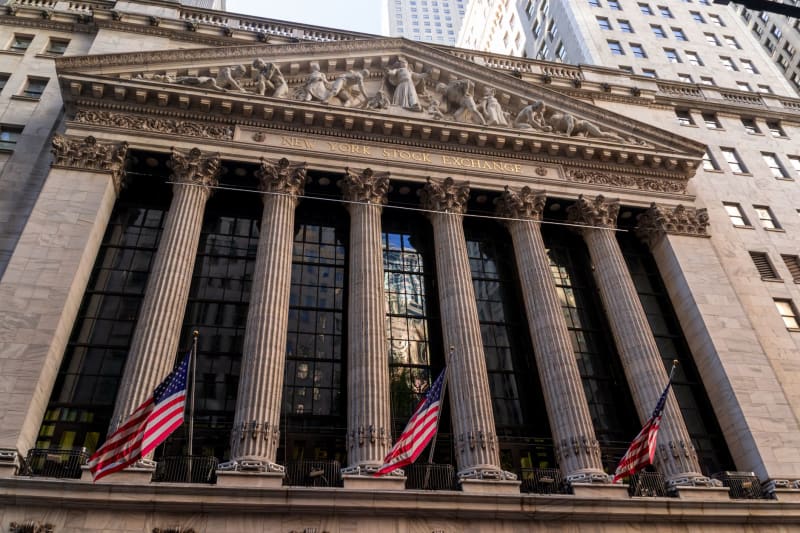
On the ground, the immediate impact of this geopolitical black swan event is manifesting in palpable market anxiety. Equity markets globally are experiencing significant sell-offs, with major indices seeing sharp declines as investors rush to de-risk their portfolios. This widespread retreat from equities is a direct response to the heightened uncertainty and the perceived increase in systemic risk. Sectors particularly vulnerable to geopolitical shocks, such as energy, defense, and technology, are seeing pronounced movements, reflecting both speculative trading and genuine concerns about future operational stability and supply chain resilience.
The bond market, usually a beacon of stability in times of crisis, is exhibiting unusual behavior. While the initial reaction saw a flight to the safety of U.S. Treasuries, pushing up demand, the sheer scale of the uncertainty has also led to a significant repricing of risk premiums. This has resulted in a sharp upward trajectory for yields across the curve, indicating that investors are demanding higher compensation for holding government debt amidst an unpredictable future. This dynamic is a critical indicator of deep-seated market apprehension, suggesting that the crisis is perceived as having long-term implications for inflation and economic stability.
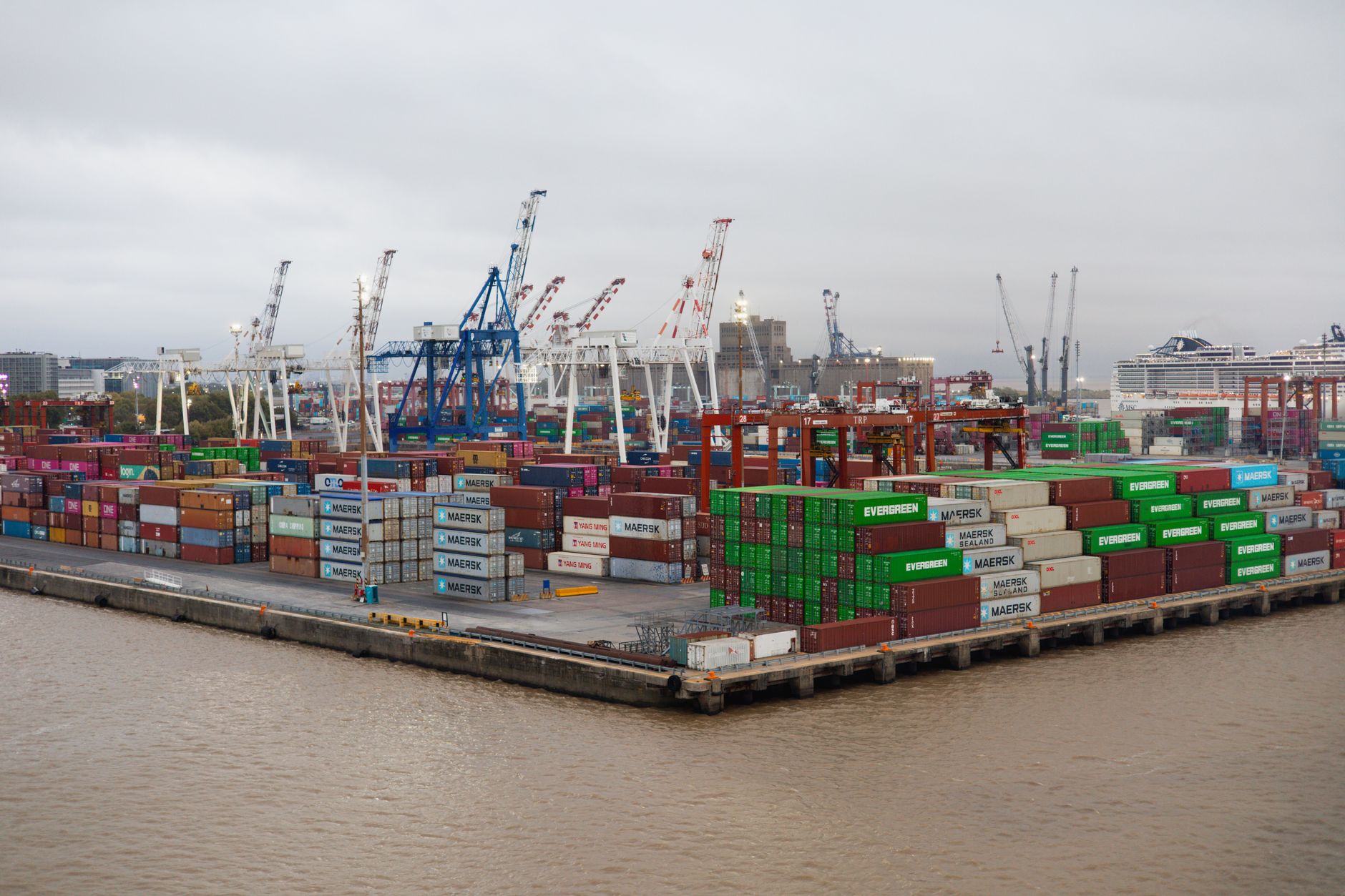
Beyond the financial markets, there are already early signs of real-world economic consequences. Supply chain disruptions, a familiar challenge from recent years, are beginning to re-emerge as geopolitical tensions impact trade routes and production hubs. Commodity prices, especially for critical resources like oil and certain metals, are showing increased volatility, threatening to reignite inflationary pressures that central banks have worked tirelessly to tame. Businesses are re-evaluating investment plans, and consumers are becoming more cautious with their spending, signaling a potential slowdown in economic activity as the world grapples with this new, unsettling reality.
What Experts Are Saying
Leading financial analysts are largely in agreement that this geopolitical event constitutes a significant paradigm shift, not merely a temporary market blip. Many are emphasizing the need for investors to recalibrate their risk models, moving away from assumptions of a relatively stable global order. "This isn't just another headline; it's a structural change that demands a fundamental reassessment of global supply chains, energy security, and international trade agreements," stated Dr. Evelyn Reed, a geopolitical strategist at Global Insights Group. She further elaborated that the immediate market reaction, while sharp, might only be the beginning of a prolonged period of adjustment as the full implications unfold across various sectors.
Economists are particularly focused on the potential for renewed inflationary pressures and the impact on central bank policy. Dr. Marcus Thorne, Chief Economist at Zenith Capital, warned, "The surge in Treasury yields reflects not just a flight to safety, but also an embedded expectation of higher future inflation, potentially exacerbated by disruptions to commodity markets and trade. Central banks, particularly the Fed, face an unenviable dilemma: continue fighting inflation aggressively and risk a deeper recession, or ease policy and risk embedding higher inflation expectations." This highlights the complex trade-offs policymakers are now confronting, with no easy answers in sight.
Investment strategists are advising clients to adopt a defensive posture, prioritizing resilience and diversification. "In times of such profound uncertainty, capital preservation becomes paramount," advised Sarah Chen, Head of Global Macro Strategy at Fortis Wealth Management. "We are recommending a significant tilt towards high-quality, dividend-paying stocks, along with an increased allocation to traditional safe havens like gold and potentially inflation-protected securities. The era of 'buy the dip' without fundamental re-evaluation may be over for the foreseeable future, as the underlying risks have fundamentally shifted." This consensus underscores the gravity of the situation and the need for prudent financial planning.
Frequently Asked Questions
What Happens Next
The immediate future will be characterized by extreme market volatility as investors and institutions attempt to fully digest the implications of this geopolitical black swan event. Expect continued sharp movements in equity and bond markets, with safe-haven assets potentially seeing sustained demand. The focus will quickly shift to official responses from major governments and international bodies, as any coordinated effort to de-escalate tensions or provide economic stability could offer some respite to anxious markets. However, until a clearer picture emerges, uncertainty will remain the dominant theme, driving cautious behavior across all financial segments.
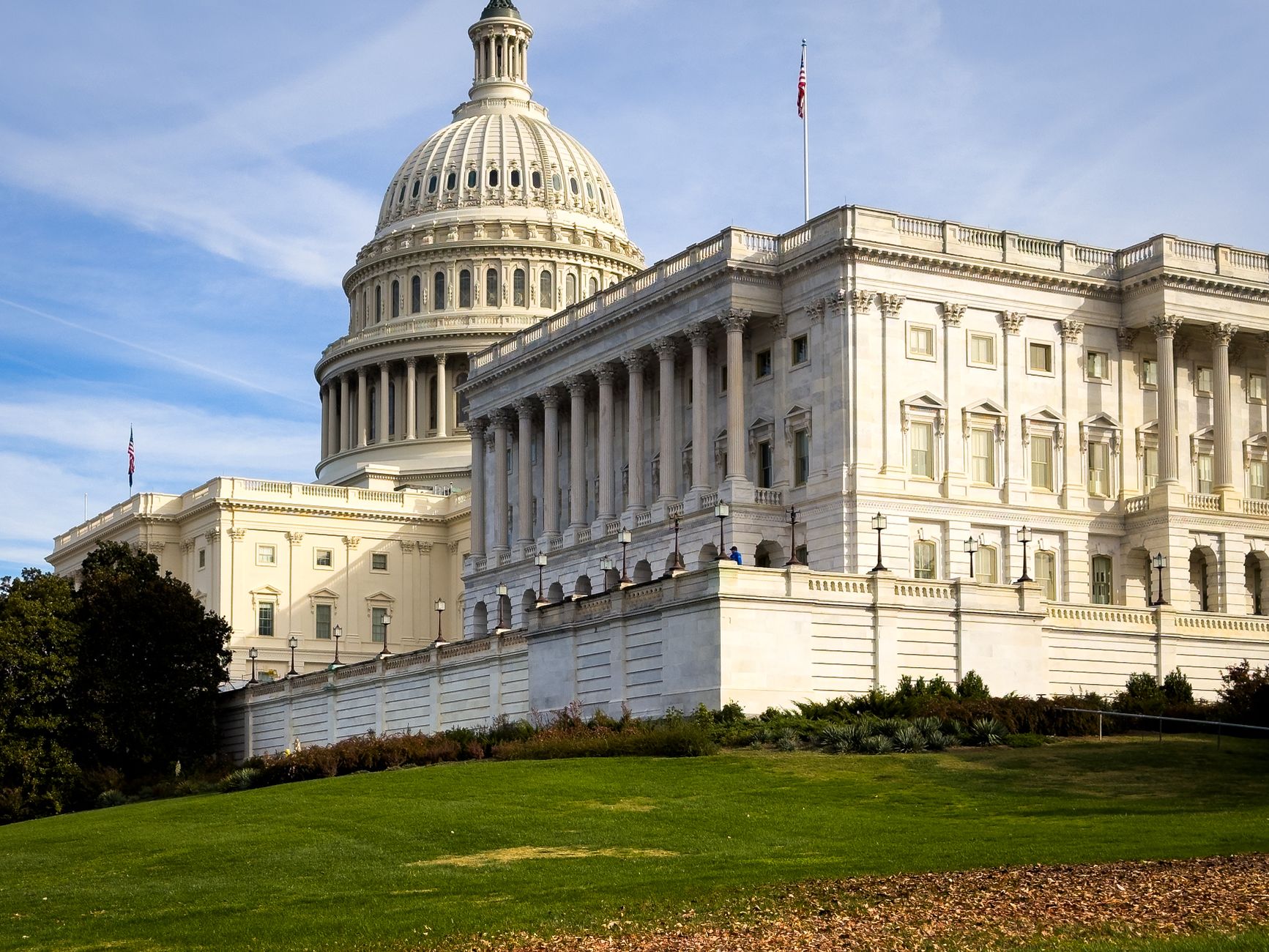
Central banks, particularly the U.S. Federal Reserve, will be under intense scrutiny. Their upcoming policy meetings and public statements will be dissected for any indication of how this geopolitical shock might alter their monetary policy trajectories. Will they prioritize inflation containment, even if it means risking a deeper economic downturn, or will they pivot to support growth amidst rising global instability? The decisions made in the coming weeks and months will have profound implications for global interest rates, currency valuations, and the overall economic outlook, shaping the investment landscape for the foreseeable future.
Beyond the financial realm, the geopolitical landscape itself will be in flux. The re-emergence of this 'black swan' event could trigger a realignment of international alliances, a reassessment of global supply chain vulnerabilities, and a renewed emphasis on national security and self-sufficiency. Businesses will be forced to adapt to a potentially more fragmented and less predictable global environment, while policymakers will grapple with complex diplomatic and economic challenges. The long-term consequences of this event could fundamentally reshape global trade, investment patterns, and international relations, marking a significant turning point in modern history.
















Comments
No comments yet. Be the first to comment!