
The Story in Brief
- The Office of Foreign Assets Control (OFAC) has announced a significant new round of designations targeting individuals and entities connected to Iran's financial and military infrastructure, signaling an intensified strategy to curb the regime's illicit activities and destabilizing actions.
- These recent Iranian designations are specifically aimed at disrupting networks that provide critical financial and logistical support to Iran's Islamic Revolutionary Guard Corps (IRGC) and other state-sponsored actors, directly impacting their ability to fund and execute operations.
- Concurrently, OFAC has issued an amended Russia-related General License (GL), specifically GL 6B, which revises and clarifies permissible transactions, indicating an ongoing calibration of sanctions policy in response to evolving geopolitical realities.
- The issuance of updated Frequently Asked Questions (FAQs) by OFAC provides crucial guidance for businesses and individuals navigating the complexities of both the new Iran sanctions and the revised Russia-related general licenses, emphasizing the need for meticulous compliance.
- These actions underscore a dual-track approach by the U.S. Treasury Department, simultaneously escalating pressure on Iran's destabilizing regional activities while refining the operational parameters for engagement with Russia-related entities under specific conditions.
- The implications of these designations and amendments are far-reaching, affecting international financial institutions, shipping companies, and any entity with direct or indirect dealings in the designated sectors or with sanctioned individuals, necessitating immediate review of compliance protocols.
The Human Face
While OFAC's designations often appear as abstract legal pronouncements, their ripple effects profoundly impact ordinary citizens, both within Iran and globally. The tightening of financial networks, for instance, can inadvertently restrict legitimate trade channels, making it harder for Iranian citizens to access essential goods, even those not directly sanctioned. This economic pressure, intended to compel regime change or policy shifts, frequently translates into increased hardship for the general populace, who bear the brunt of international isolation and economic strain. The human cost is often measured in diminished access to medicine, education, and basic necessities, creating a complex ethical dilemma for policymakers.
Beyond Iran, the amended Russia-related General License also has a human dimension. Businesses, particularly those in critical sectors like agriculture or humanitarian aid, rely on clear, consistent guidance to ensure their operations can continue without inadvertently violating sanctions. Any ambiguity or sudden change in licensing can lead to delays in delivering vital supplies, impacting vulnerable populations. For individuals working in these sectors, the constant need to adapt to evolving sanctions regimes creates immense stress and uncertainty, as the risk of non-compliance carries severe penalties, including hefty fines and reputational damage.
The broader geopolitical implications also touch individuals directly. Sanctions are often a tool to prevent state-sponsored terrorism or human rights abuses, actions that inflict immense suffering on people. By targeting entities that fund such activities, the intent is to protect innocent lives and uphold international norms. However, the effectiveness of these measures is constantly debated, with critics arguing that they can sometimes exacerbate the very conditions they aim to alleviate. Understanding the human face behind these policy decisions is crucial for a comprehensive assessment of their true impact and for fostering more nuanced, effective strategies in the future.
How We Got Here
The current wave of Iran-related designations is a direct continuation of a long-standing U.S. policy aimed at countering Iran's nuclear ambitions, its support for regional proxy groups, and its human rights record. Following the U.S. withdrawal from the Joint Comprehensive Plan of Action (JCPOA) in 2018, the Trump administration initiated a 'maximum pressure' campaign, which has largely been maintained, albeit with some adjustments, by the current administration. This strategy involves systematically targeting key sectors of the Iranian economy, including its oil exports, financial institutions, and military-industrial complex, to limit the regime's resources and influence. Each new designation builds upon previous actions, creating an intricate web of restrictions designed to isolate Iran from the global financial system.
Regarding Russia, the imposition of sanctions intensified dramatically following its full-scale invasion of Ukraine in February 2022. The international community, led by the United States and its allies, swiftly implemented an unprecedented array of financial, trade, and technological restrictions designed to cripple Russia's war machine and economy. These sanctions have been extensive, targeting Russia's central bank, major financial institutions, key oligarchs, and critical industries. However, recognizing the potential for unintended consequences and the need for certain humanitarian or essential transactions, OFAC has periodically issued and amended general licenses, such as GL 6B, to provide specific carve-outs and clarity for permissible activities.
The evolution of these sanctions regimes reflects a dynamic geopolitical landscape where policy tools are constantly adapted in response to changing circumstances and strategic objectives. The U.S. Treasury Department, through OFAC, plays a pivotal role in implementing and enforcing these measures, requiring continuous monitoring and adjustment. The interplay between these two distinct but equally critical sanctions programs—one targeting a long-standing adversary and the other a response to a recent, large-scale conflict—demonstrates the multifaceted challenges in maintaining global security and upholding international law through economic pressure. The ongoing adjustments, like the amended GL 6B, highlight the complex balancing act between maximizing pressure and minimizing collateral damage.
Why This Cannot Be Ignored
These latest OFAC actions are not mere bureaucratic updates; they represent critical shifts in international financial compliance and geopolitical strategy that demand immediate attention from every entity operating globally. For businesses, financial institutions, and individuals, ignoring these designations and amendments carries severe legal and financial repercussions, including substantial fines, asset freezes, and reputational damage. The 'strict liability' nature of many sanctions means that even inadvertent violations can lead to punitive measures, underscoring the absolute necessity of robust compliance frameworks and continuous monitoring of OFAC's pronouncements. The complexity of these regulations means that even minor oversight can lead to major legal entanglements.
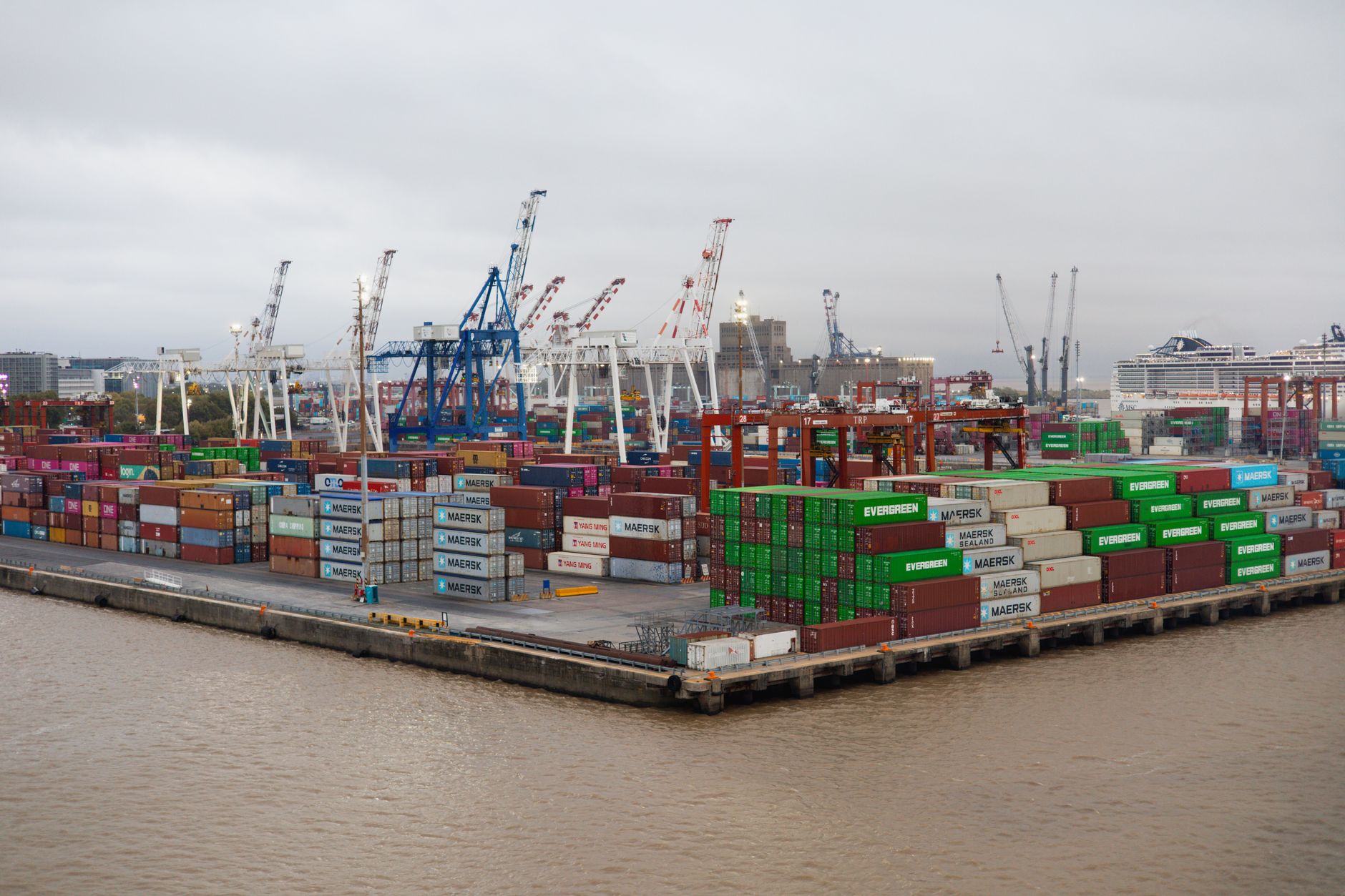
Beyond the immediate compliance risks, these actions significantly impact global supply chains and international trade. The Iran designations, by targeting specific financial networks, can create bottlenecks and increase the cost of doing business in the region, even for legitimate transactions. Similarly, the nuances of the amended Russia-related General License require a meticulous re-evaluation of existing contracts and operational procedures to ensure ongoing adherence. Companies involved in energy, commodities, technology, or any sector with international exposure must assess their exposure and implement necessary adjustments to avoid disruption and maintain legal standing. This constant recalibration is a new normal for global commerce.
From a broader geopolitical perspective, these measures reflect the ongoing efforts by the United States and its allies to exert economic pressure as a primary tool of foreign policy. The intensified focus on Iran signals a continued commitment to curbing its regional influence and nuclear program, while the adjustments to Russia sanctions demonstrate a dynamic approach to managing the economic fallout of the Ukraine conflict. Understanding these underlying strategic objectives is crucial for anticipating future policy directions and their potential impact on international relations, market stability, and global security. These are not isolated incidents but interconnected pieces of a larger, evolving global strategy that everyone must be aware of.
Possible Paths Forward
For entities directly or indirectly affected by these new Iran designations and Russia-related GL amendments, the most prudent path forward involves an immediate and thorough review of all existing compliance protocols and transactional relationships. This means engaging legal and compliance experts to scrutinize current operations, supply chains, and financial dealings against the updated OFAC regulations. Companies should prioritize enhanced due diligence on all counterparties, especially those with any nexus to Iran or Russia, to identify and mitigate potential sanctions risks. Proactive screening against OFAC's Specially Designated Nationals (SDN) List and other relevant lists is no longer merely good practice; it is an absolute necessity to avoid severe penalties and reputational damage.
Another critical path involves strategic engagement with legal counsel to interpret the nuances of the amended Russia-related General License (GL 6B) and the new Iran designations. The language of sanctions can be highly technical, and misinterpretations can lead to costly errors. Seeking expert opinions can help clarify permissible activities, identify potential exemptions, and navigate the complex reporting requirements that often accompany such regulatory changes. This proactive legal consultation can provide a vital shield against inadvertent violations and ensure that business operations can continue within the bounds of the law, minimizing disruption while maintaining compliance integrity.
Looking ahead, businesses and financial institutions should also consider investing in advanced compliance technologies, such as AI-powered sanctions screening and transaction monitoring systems. These tools can significantly enhance the efficiency and accuracy of compliance efforts, reducing the manual burden and minimizing the risk of human error. Furthermore, fostering a culture of compliance within the organization, through regular training and awareness programs for all relevant staff, is paramount. The evolving nature of sanctions regimes means that continuous education and adaptation are essential for long-term resilience and adherence to international regulations, ensuring that the organization remains agile and responsive to future changes.
Questions People Are Actually Asking
What to Watch
- **Further Iranian Designations:** Keep a close watch for additional OFAC designations targeting Iran's energy sector, shipping networks, or individuals connected to the IRGC, as the U.S. continues its 'maximum pressure' campaign to curb the regime's illicit activities and regional destabilization efforts.
- **Evolution of Russia-Related General Licenses:** Monitor any subsequent amendments or new general licenses concerning Russia, particularly those related to critical sectors like energy, finance, or technology, as OFAC continuously calibrates its sanctions policy in response to geopolitical developments and humanitarian needs.
- **Global Compliance Enforcement:** Observe any enforcement actions taken by OFAC against entities found in violation of these new Iran or amended Russia sanctions, as these cases often provide crucial insights into OFAC's interpretation and enforcement priorities, shaping future compliance strategies.
- **Impact on International Markets:** Analyze the broader impact of these sanctions on global commodity prices, supply chains, and financial markets, especially concerning oil, gas, and critical minerals, as these measures can create significant ripple effects across the international economic landscape.
- **Diplomatic Engagements and Negotiations:** Pay attention to any diplomatic efforts or negotiations involving Iran or Russia, as shifts in political dialogue could signal potential changes in sanctions policy or the introduction of new compliance challenges for businesses operating in these regions.
- **Technological Advancements in Sanctions Evasion:** Remain vigilant for reports on new methods or technologies employed by sanctioned entities to evade restrictions, as this often prompts OFAC to issue new guidance or implement counter-measures, requiring continuous adaptation of compliance frameworks.










Comments
No comments yet. Be the first to comment!