
The Numbers
- Over 1,800 individuals and entities have now been targeted by EU sanctions since the initial invasion, demonstrating a sustained and escalating pressure campaign against the Russian Federation.
- The 21st package introduces restrictions on an additional 120 individuals and entities, significantly broadening the scope of those directly impacted by the EU's punitive measures.
- An estimated 90% reduction in Russian oil imports to the EU has been achieved since the conflict began, showcasing the profound impact of previous energy-focused sanctions.
- Approximately €300 billion in Russian Central Bank assets remain frozen across G7 nations, severely limiting Russia's ability to stabilize its currency and fund its war efforts.
- The EU's latest measures include a complete prohibition on new investments, technical assistance, and financial services for Russia's burgeoning liquefied natural gas (LNG) projects, aiming to cripple future revenue streams.
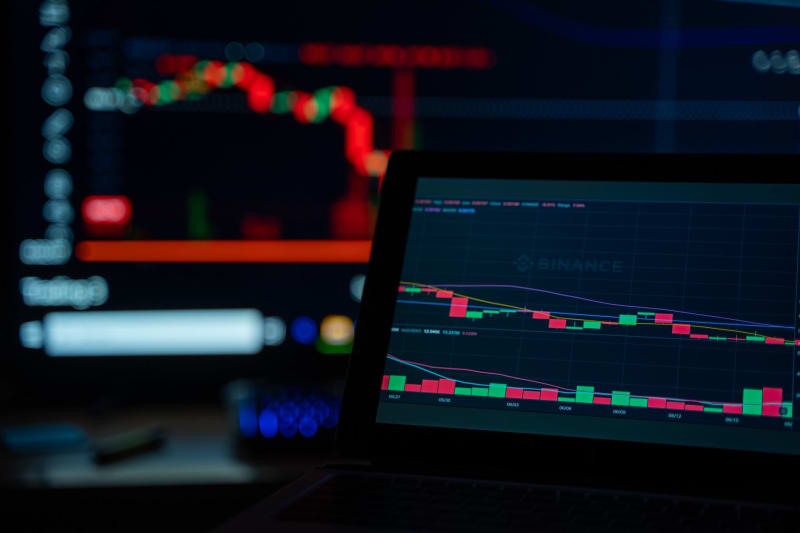
- Cryptocurrency transactions with Russia are now under unprecedented scrutiny, with new reporting requirements and restrictions designed to close loopholes previously exploited for sanctions evasion, making it harder for sanctioned entities to move funds.
Context Check
The European Union's latest round of sanctions, marking its 21st package, represents a significant escalation in its economic pressure campaign against Russia. This comprehensive set of measures is meticulously crafted to further isolate the Russian economy, choke off critical revenue streams, and impede its ability to sustain ongoing military operations. Unlike earlier packages that often focused on broad sectoral bans or individual designations, this latest iteration delves deeper into specific, high-value sectors, including energy infrastructure, financial services, and the increasingly vital cryptocurrency landscape. The EU's strategy is evolving, moving from initial shock-and-awe tactics to a more granular, targeted approach designed to exploit vulnerabilities and prevent circumvention.
This package arrives at a critical juncture, as the conflict in Ukraine continues to exact a heavy toll and global economic stability remains precarious. The EU's commitment to these sanctions underscores its unwavering support for Ukraine's sovereignty and territorial integrity, despite the economic repercussions felt by its own member states. The long-term objective extends beyond immediate punitive action; it aims to fundamentally alter Russia's economic trajectory, making it increasingly difficult for the Kremlin to project power and influence on the international stage. This involves not only cutting off existing financial flows but also hindering Russia's capacity for future economic development and technological advancement.
The international community, particularly the G7 nations, has largely aligned with the EU's stance, creating a formidable united front. This coordinated approach amplifies the impact of each individual sanction, making it significantly harder for Russia to find alternative markets or financial partners. However, the effectiveness of these sanctions hinges on robust enforcement and continuous adaptation to Russia's attempts at evasion. The inclusion of cryptocurrency restrictions in this package highlights a growing awareness of new avenues for illicit finance and a proactive effort to close these emerging loopholes, signaling a more sophisticated understanding of modern financial warfare.
Background
The European Union's journey of imposing sanctions on Russia began immediately following the full-scale invasion of Ukraine in February 2022. Initial measures were swift and broad, targeting key Russian banks, freezing assets of prominent oligarchs, and imposing export controls on critical technologies. These early packages aimed to deliver an immediate economic shock, disrupting Russia's financial system and military supply chains. The rationale was clear: to inflict severe economic pain that would compel Russia to cease hostilities and withdraw from Ukrainian territory. However, as the conflict persisted, it became evident that a more sustained and adaptable strategy would be necessary to counter Russia's resilience and its efforts to circumvent restrictions.
Subsequent packages progressively tightened the screws, expanding the list of sanctioned individuals and entities, introducing bans on Russian coal and oil imports, and further restricting access to EU capital markets. Each new set of measures has been a response to the evolving geopolitical landscape and Russia's continued aggression, demonstrating a calibrated but firm resolve from the EU. The incremental nature of these sanctions has allowed the EU to assess the impact of previous measures and refine its approach, targeting sectors deemed most critical to Russia's war economy while attempting to mitigate adverse effects on global markets, particularly energy prices. This iterative process has been complex, requiring delicate negotiations among member states with varying economic dependencies on Russia.
The 21st package represents a maturation of this sanctions policy, moving beyond initial broad strokes to highly specific and impactful interventions. The focus on energy infrastructure, beyond just imports, and the explicit targeting of cryptocurrency transactions underscore a strategic pivot towards dismantling Russia's long-term economic viability and its capacity for covert financial operations. This evolution reflects an understanding that traditional financial channels are increasingly monitored, pushing illicit activities into less regulated spaces. The EU's commitment to continuously adapting its sanctions regime signals a long-term commitment to isolating Russia until a just and lasting peace is achieved in Ukraine.
Winners and Losers
The immediate 'losers' from this 21st sanctions package are unequivocally the Russian energy sector, specifically new LNG projects, and financial institutions that engage in transactions with sanctioned entities or facilitate crypto-based evasion. Companies involved in the development, financing, or technical support of Russia's future energy infrastructure will face severe restrictions, effectively halting their expansion plans and cutting off access to crucial Western technology and capital. Furthermore, any individual or entity found to be facilitating sanctions circumvention, particularly through cryptocurrency, will face direct designation and asset freezes, leading to significant financial and reputational damage. The Russian state itself will bear the brunt of these measures, as its ability to generate future revenue from energy exports and access international financial markets is further diminished.
On the 'winners' side, Ukraine stands to benefit from the continued erosion of Russia's economic power, which directly impacts its ability to fund the ongoing conflict. The sustained pressure from these sanctions aims to weaken Russia's military machine and reduce its capacity for aggression, thereby offering a strategic advantage to Ukraine. Additionally, countries and companies that have successfully diversified their energy sources away from Russia, or those that offer alternative financial and technological services, may see increased demand and market share. The EU's resolve in maintaining and strengthening its sanctions regime reinforces its leadership role in international diplomacy and its commitment to upholding international law, potentially bolstering its geopolitical standing.
However, it is crucial to acknowledge potential 'losers' within the EU itself, albeit indirectly. European businesses with existing investments or contractual obligations in Russia's energy sector, particularly those related to LNG, will face significant write-downs and operational disruptions. While the EU aims to minimize self-inflicted harm, the interconnectedness of global markets means that some economic costs are inevitable. Consumers in Europe might also experience continued volatility in energy prices, although the long-term goal is to reduce reliance on Russian energy altogether. The delicate balance between inflicting pain on Russia and managing domestic economic stability remains a persistent challenge for EU policymakers, requiring careful foresight and adaptive strategies.
Analyst Perspectives
Leading geopolitical analysts are largely in agreement that the 21st sanctions package signifies a strategic shift by the EU, moving beyond broad punitive measures to highly targeted interventions aimed at Russia's long-term economic vitality. Dr. Anya Sharma, a senior fellow at the European Council on Foreign Relations, notes, "This package isn't just about immediate pain; it's about systematically dismantling Russia's future economic potential, particularly in energy and its ability to circumvent traditional financial controls. The focus on LNG projects is a clear signal that the EU is looking years, even decades, ahead." This perspective highlights the EU's commitment to a sustained campaign, recognizing that the conflict's resolution will likely involve a prolonged period of economic pressure.
Financial sector experts, such as Marcus Thorne, a managing director at a global risk consultancy, emphasize the critical importance of the cryptocurrency restrictions. "The inclusion of explicit crypto prohibitions and reporting requirements is a game-changer," Thorne explains. "For too long, sanctioned entities have explored digital assets as a loophole. This package closes that door significantly, forcing greater transparency and making it much harder for Russia to move funds illicitly. It demonstrates a sophisticated understanding of how modern financial evasion operates and a proactive approach to countering it." This indicates a growing maturity in sanctions enforcement, adapting to the evolving landscape of digital finance.
However, some analysts caution against overestimating the immediate impact. Dr. Elena Petrova, an economist specializing in post-Soviet economies, suggests, "While impactful, Russia has demonstrated a remarkable ability to adapt and reorient its economy. We will likely see increased reliance on non-Western partners and the development of parallel financial systems. The real test of these sanctions will be in their enforcement and the willingness of other major global players to align, particularly those who have remained neutral." Her perspective underscores the ongoing challenge of achieving universal compliance and the potential for Russia to seek new avenues for economic activity, highlighting the need for continuous vigilance and international cooperation.
Key Questions Explained
The Outlook
The outlook following the EU's 21st sanctions package suggests a prolonged period of economic warfare, with Russia facing increasingly severe restrictions on its key revenue-generating sectors and its ability to engage with the global financial system. The targeted nature of these new measures, particularly against LNG projects and cryptocurrency, indicates a strategic shift towards undermining Russia's long-term economic viability rather than just inflicting immediate pain. We can anticipate Russia attempting to find new partners and develop alternative financial infrastructures, but the coordinated effort by the EU and its allies will make such endeavors increasingly challenging and costly. The pressure on Russia is set to intensify, creating a more difficult operating environment for the Kremlin.
For the EU, the challenge will be consistent enforcement and adaptation. Russia's history of sanctions evasion, coupled with its efforts to pivot towards non-Western markets, means that the effectiveness of these measures will depend heavily on the vigilance of financial institutions and the political will of member states to close any emerging loopholes. The inclusion of cryptocurrency restrictions is a proactive step, but the rapidly evolving nature of digital finance will require continuous monitoring and potential adjustments to the sanctions regime. The EU must remain agile, ready to counter new methods of circumvention as they arise to ensure the integrity and impact of its policy.
Ultimately, the success of this sanctions package, and the broader EU strategy, will be measured by its ability to influence Russia's behavior and contribute to a peaceful resolution in Ukraine. While economic pressure alone may not be sufficient, it is a critical component of the international response. The long-term trajectory points towards a more isolated and economically constrained Russia, forcing a fundamental re-evaluation of its geopolitical ambitions. However, the path ahead is complex, fraught with potential for unintended consequences and requiring sustained international cooperation and unwavering commitment from the EU.



Comments
No comments yet. Be the first to comment!