
Policy Snapshot
- The United States has maintained a comprehensive sanctions regime against Iran for decades, primarily targeting its nuclear program, support for regional proxies, and human rights abuses, significantly impacting its oil exports and access to international financial systems.
- Iran's economic policies have been characterized by state intervention, subsidies, and a reliance on oil revenues, which have become increasingly volatile due to sanctions and global market fluctuations.
- The Joint Comprehensive Plan of Action (JCPOA), signed in 2015, briefly offered sanctions relief in exchange for curbs on Iran's nuclear program, leading to a temporary economic uplift before the US withdrawal in 2018.
- Current US policy under the 'maximum pressure' campaign aims to compel Iran to negotiate a broader agreement that addresses its ballistic missile program and regional activities, alongside its nuclear ambitions.
- Iran's domestic economic strategy frequently involves attempting to circumvent sanctions through various illicit trade networks and fostering a 'resistance economy' focused on self-sufficiency, often with limited success.
- International financial institutions and many global corporations remain hesitant to engage with Iran due to the complexity and extraterritorial reach of US sanctions, stifling foreign investment and legitimate trade.
The Policy History
The intricate web of US sanctions against Iran did not emerge overnight; it is the culmination of over four decades of escalating tensions and policy shifts. Following the 1979 Islamic Revolution and the hostage crisis, initial sanctions focused on asset freezes and trade embargos. These measures progressively tightened in the 1990s and early 2000s, targeting Iran's nascent nuclear program and its perceived support for terrorism. The passage of acts like the Iran and Libya Sanctions Act (ILSA) in 1996 marked a significant expansion, aiming to deter foreign investment in Iran's energy sector. This historical trajectory laid the groundwork for the comprehensive economic pressure seen today, with each new policy building upon its predecessors to isolate Iran from the global financial system.
A pivotal moment arrived with the international community's concerted effort to address Iran's accelerating nuclear enrichment activities, leading to UN Security Council resolutions imposing multilateral sanctions. These measures, alongside unilateral US and EU sanctions, severely crippled Iran's oil exports and its access to international banking, forcing it to the negotiating table. The resulting Joint Comprehensive Plan of Action (JCPOA) in 2015 offered a temporary reprieve, lifting many sanctions in exchange for verifiable limits on Iran's nuclear program. This period provided a brief window of economic recovery, demonstrating the direct correlation between sanctions relief and economic stability, albeit a fragile one.
However, the landscape dramatically shifted with the US withdrawal from the JCPOA in 2018 under the Trump administration, which subsequently reimposed and expanded sanctions under a 'maximum pressure' campaign. This aggressive strategy aimed to force Iran into a more comprehensive agreement addressing not only its nuclear program but also its ballistic missile development and regional influence. The reimposition of sanctions, particularly those targeting Iran's oil sales and financial institutions, plunged the Iranian economy back into a deep recession, exacerbating existing structural weaknesses and creating immense hardship for ordinary citizens. This policy continues to define the current economic environment, with no clear path to de-escalation in sight.
Who Is Affected
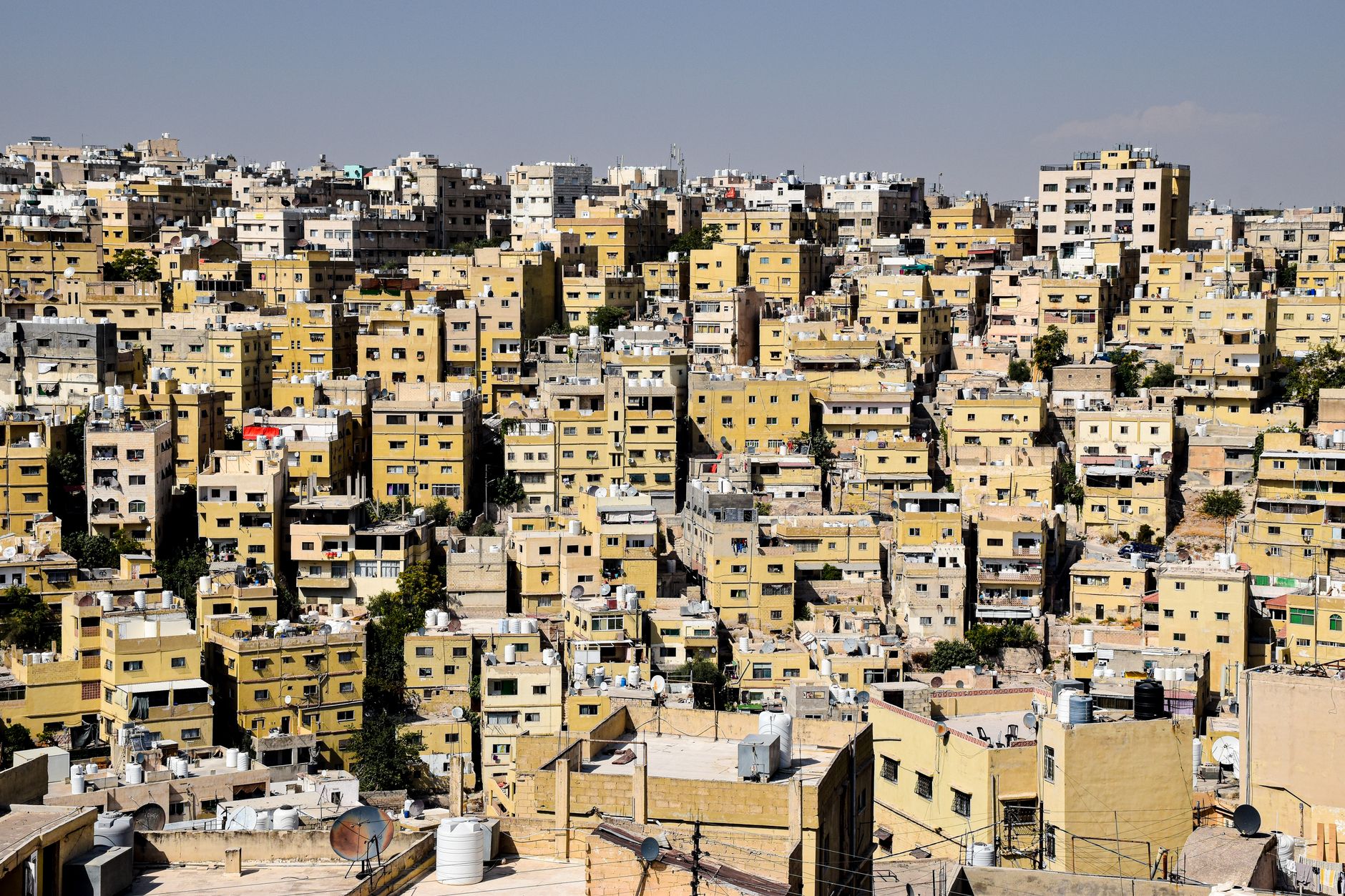
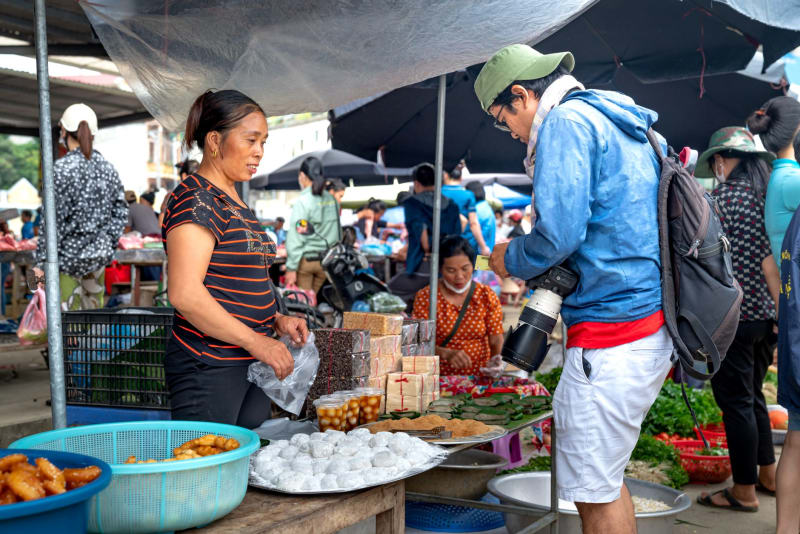
The primary victims of Iran's protracted economic crisis are its ordinary citizens, particularly the working class, retirees, and vulnerable populations. The relentless depreciation of the national currency, the rial, has decimated savings and purchasing power, making basic necessities increasingly unaffordable. Families struggle to put food on the table, pay rent, and access essential services like healthcare. Small business owners, once the backbone of local economies, face insurmountable challenges due to import restrictions, skyrocketing raw material costs, and a shrinking customer base, leading to widespread bankruptcies and unemployment. This economic pressure cooker is eroding the middle class, pushing more and more Iranians into poverty and despair.
Beyond the immediate economic hardship, the sanctions regime and domestic mismanagement have created a pervasive sense of uncertainty and hopelessness. Young people, especially graduates, find themselves with limited job prospects and a future clouded by economic stagnation, leading to brain drain as many seek opportunities abroad. Women, who often bear the brunt of household budget management, are particularly affected by rising prices and the need to stretch increasingly meager incomes. The healthcare sector also faces severe challenges, with sanctions impeding the import of crucial medicines and medical equipment, directly impacting the health and well-being of millions, including those with chronic illnesses.
While the general populace suffers, certain segments of society, particularly those connected to the ruling elite or involved in illicit trade, have managed to navigate or even profit from the economic turmoil. This disparity fuels public resentment and exacerbates social inequalities. The government, too, faces significant pressure, as its ability to fund public services and maintain social stability is severely constrained by dwindling oil revenues and limited access to international markets. The crisis thus impacts every layer of Iranian society, from the individual struggling to survive to the state grappling with governance and legitimacy.
The Case For
Proponents of the current sanctions regime argue that economic pressure is the most effective, non-military tool to compel the Iranian government to alter its behavior. They contend that sanctions restrict Iran's ability to fund its nuclear program, develop ballistic missiles, and support regional proxy groups that destabilize the Middle East. By cutting off access to international finance and oil revenues, sanctions aim to reduce the resources available for these activities, thereby safeguarding regional and global security. This approach is seen as a necessary measure to prevent Iran from acquiring nuclear weapons and to curb its aggressive foreign policy, which poses a direct threat to allies like Israel and Saudi Arabia.
Furthermore, advocates suggest that sanctions can empower the Iranian people by highlighting the regime's economic mismanagement and corruption, potentially fostering internal dissent and demands for reform. The argument is that the economic pain, while regrettable, is a direct consequence of the government's policies, not an inherent flaw in the sanctions themselves. By making it difficult for the regime to operate business as usual, sanctions aim to create leverage for a more comprehensive diplomatic solution that addresses the full spectrum of international concerns, not just the nuclear issue. This strategy seeks to demonstrate that the cost of defiance outweighs the benefits, pushing Tehran towards genuine concessions.
Another key point made by supporters is that the sanctions are carefully targeted to minimize harm to the general population, with humanitarian exemptions for food, medicine, and medical devices. While acknowledging the challenges in practice, the intent is to avoid collective punishment. They argue that any shortages or difficulties in accessing these goods are often due to the Iranian government's own policies, corruption, or its deliberate choices to prioritize other expenditures over the welfare of its citizens. From this perspective, the sanctions are a legitimate and necessary instrument of foreign policy designed to protect international norms and prevent proliferation, rather than an indiscriminate attack on the Iranian people.
The Case Against
Critics vehemently argue that the current sanctions regime, particularly the 'maximum pressure' campaign, inflicts immense suffering on ordinary Iranians without effectively achieving its stated policy goals. They contend that rather than compelling the government to change its behavior, sanctions often consolidate power within the hardline factions, who can blame external forces for domestic woes. The economic hardship directly impacts the most vulnerable, leading to widespread poverty, food insecurity, and a severe decline in public health, as access to essential medicines and medical equipment becomes increasingly difficult due to banking restrictions and fear of secondary sanctions.
Furthermore, opponents highlight that sanctions often fail to distinguish between the government and the populace, essentially punishing an entire nation for the actions of its rulers. This approach can breed resentment towards the sanctioning powers, undermining any potential for future diplomatic engagement or people-to-people ties. Instead of fostering internal dissent that leads to democratic change, the economic pressure can inadvertently strengthen the regime's narrative of external aggression and encourage a siege mentality, making it harder for reformist voices to gain traction. The humanitarian exemptions, while theoretically present, are often rendered ineffective by banks' reluctance to process transactions for fear of violating complex regulations, creating de facto blockades on vital goods.
Many analysts also point out that the sanctions have pushed Iran closer to non-Western powers like China and Russia, enabling it to develop alternative trade routes and financial mechanisms that lessen the impact of Western pressure in the long run. This not only diminishes the effectiveness of the sanctions but also complicates future efforts to isolate Iran diplomatically. Moreover, the economic desperation can incentivize illicit activities, including smuggling and black market operations, which can further destabilize the region and empower criminal networks. Ultimately, critics argue that a more nuanced approach, focusing on targeted sanctions combined with robust diplomatic engagement, would be more effective in achieving long-term policy objectives without devastating the lives of millions.
Policy Questions Answered
Implementation Watch
The implementation of US sanctions against Iran is a dynamic and complex process, continuously evolving with geopolitical shifts and administrative changes. Currently, the 'maximum pressure' campaign remains largely in effect, with the US Treasury Department's Office of Foreign Assets Control (OFAC) actively enforcing restrictions on Iran's oil exports, banking sector, and other strategic industries. This involves monitoring international transactions, identifying entities that violate sanctions, and imposing penalties on those found to be engaging in prohibited activities. The effectiveness of this enforcement hinges on the cooperation of international financial institutions and governments, many of whom are wary of incurring secondary sanctions themselves.
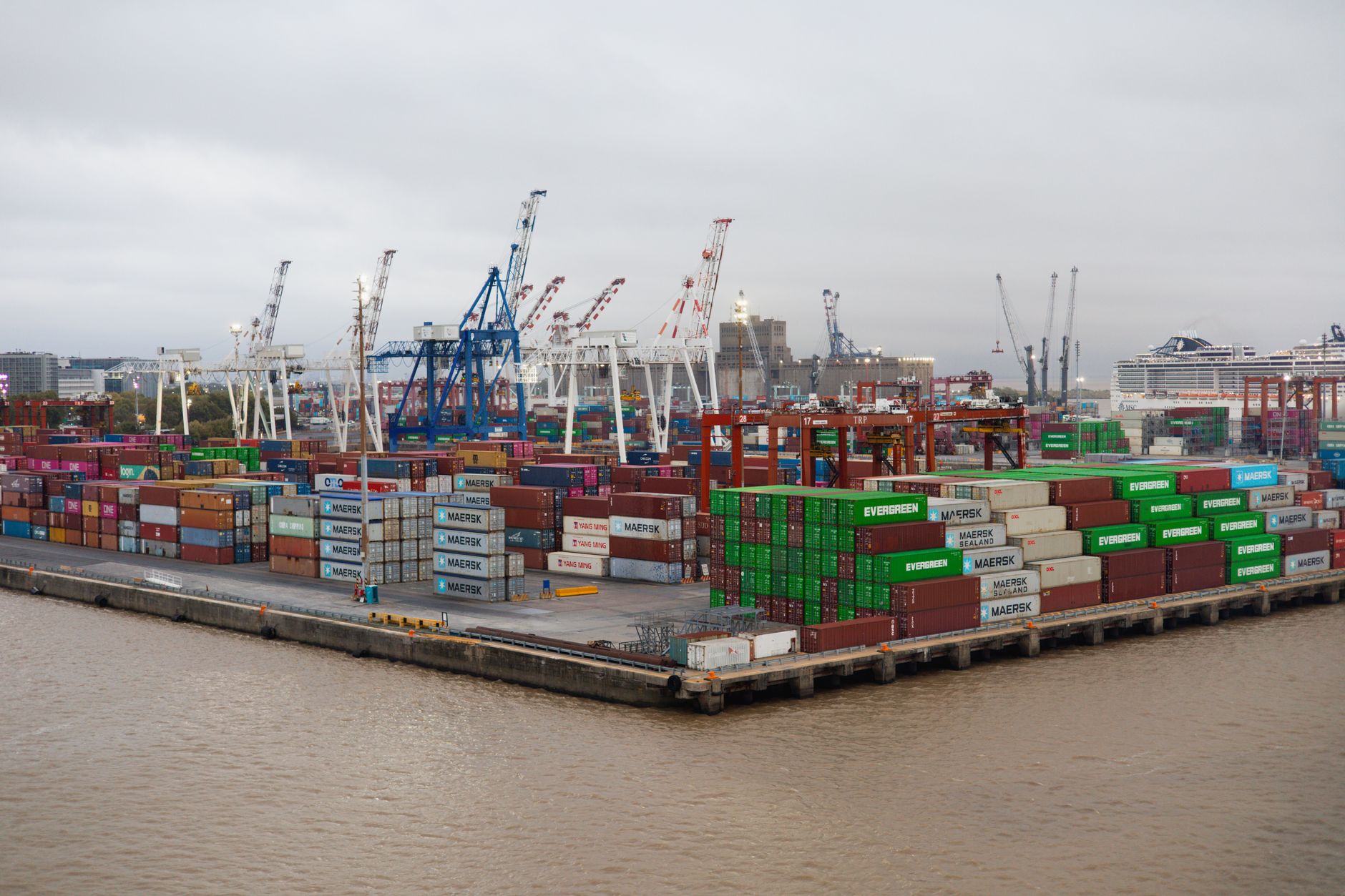
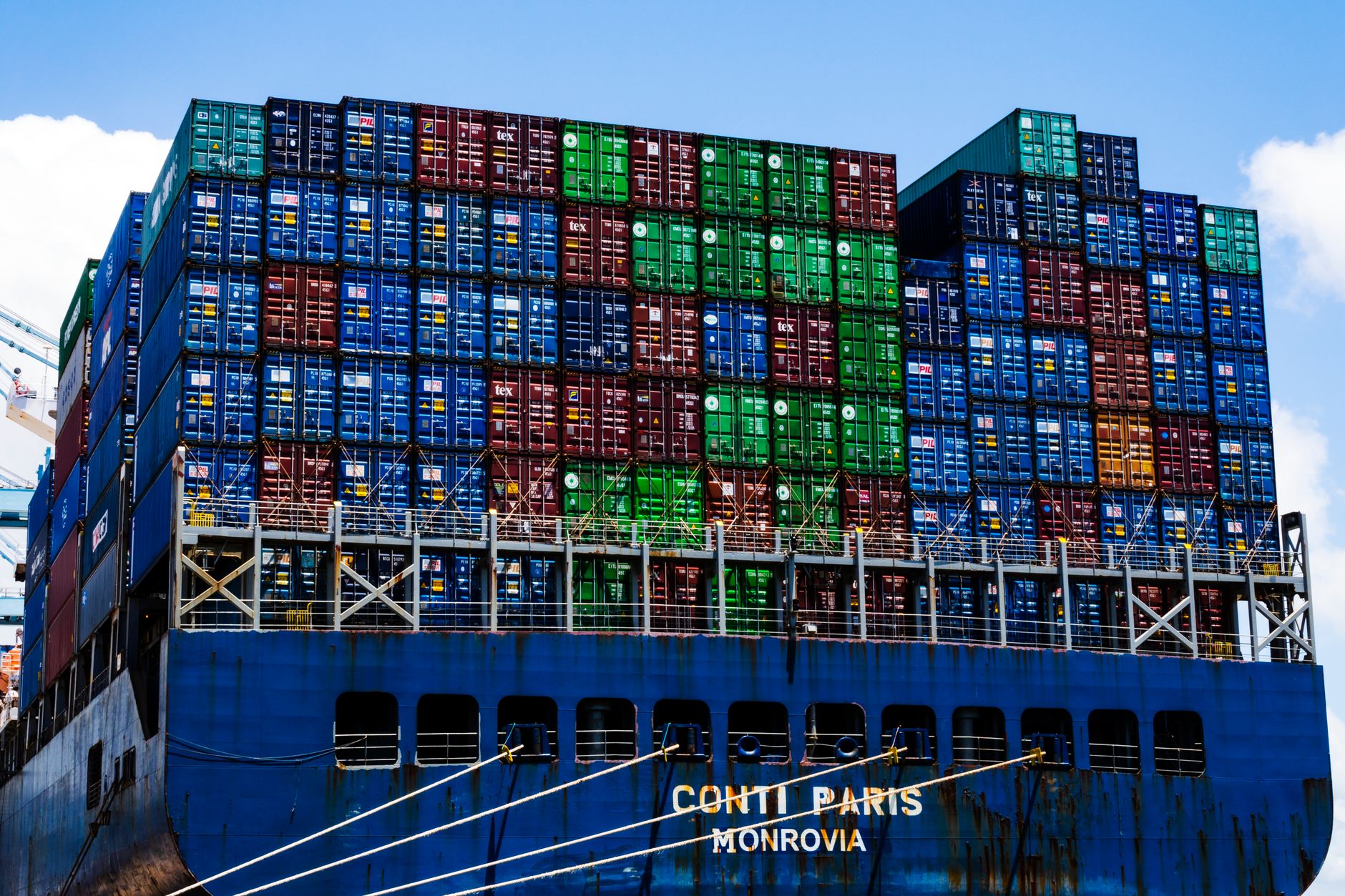
A critical aspect of implementation watch involves observing how Iran attempts to circumvent these restrictions. Tehran has developed sophisticated strategies, including using shell companies, illicit shipping networks, and bartering arrangements with countries like China, to continue selling its oil and acquiring necessary goods. These countermeasures often involve opaque transactions and a reliance on informal financial systems, making it challenging for sanctioning bodies to track and disrupt every avenue. The ongoing cat-and-mouse game between sanctioners and the sanctioned highlights the limitations of even the most robust enforcement mechanisms and the resilience of a determined state.
Looking ahead, the future of sanctions implementation is closely tied to diplomatic efforts to revive the JCPOA or negotiate a new agreement. Any significant breakthrough in talks could lead to a phased lifting of sanctions, while a breakdown could result in further tightening. Meanwhile, the humanitarian impact remains a persistent concern, with international organizations advocating for clearer mechanisms to ensure essential goods reach the Iranian people without inadvertently bolstering the regime. The global community continues to grapple with the ethical and practical challenges of applying economic pressure while striving to mitigate its unintended consequences on civilian populations.



Comments
No comments yet. Be the first to comment!