

The Story in Brief
- A senior Indian minister has resigned from his post following weeks of intense public protests and mounting pressure, marking a significant victory for grassroots activism.
- The protests, dubbed the 'Cockroach' movement by participants, gained widespread traction across social media and on the streets, effectively mobilizing public sentiment against the minister.
- The minister's resignation was announced by the Prime Minister's Office, acknowledging the overwhelming public demand and the untenable political position created by the sustained demonstrations.
- Activists and opposition parties have hailed the resignation as a testament to the power of collective action and a crucial step towards greater governmental accountability in India.
- This event sets a precedent for future citizen-led movements, demonstrating that persistent and organized public dissent can indeed influence high-level political decisions and demand justice.
- The 'Cockroach' moniker, initially a derogatory term used by the minister, was defiantly reclaimed by protesters, transforming it into a symbol of resilience and collective strength against perceived corruption and arrogance.
The Human Face
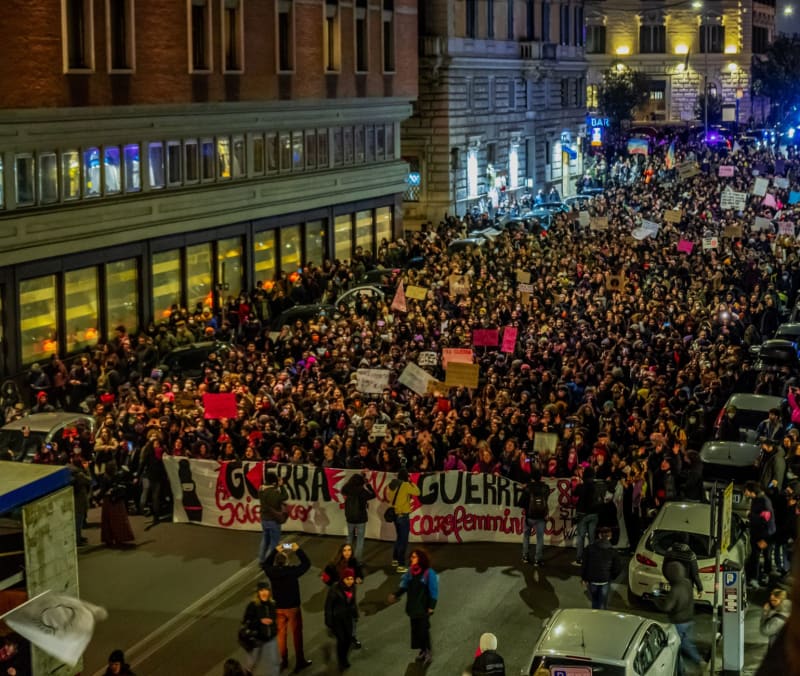
For countless ordinary citizens, this resignation is far more than a political headline; it's a profound validation of their voices and struggles. Many individuals, from students to daily wage earners, invested their time, energy, and even faced personal risks to participate in these protests. They braved scorching sun, heavy rains, and the ever-present threat of police action, driven by a deep-seated belief that their collective outcry could bring about change. The joy expressed by these participants, often through tears and celebratory chants, reflects not just relief but a renewed faith in the democratic process and their capacity to influence it.
The 'Cockroach' movement, as it became known, saw people from diverse backgrounds unite under a common banner of dissent. Social media played a pivotal role in amplifying their grievances, turning individual frustrations into a nationwide chorus. Images and videos of protests, often featuring creative and defiant slogans, went viral, inspiring more people to join. This digital mobilization, coupled with traditional street demonstrations, created an inescapable narrative that the government could no longer ignore, highlighting the evolving landscape of activism in the digital age.
The impact on the ground is palpable. In various cities, spontaneous celebrations erupted as news of the resignation spread. People gathered, sharing sweets, dancing, and shouting slogans of victory. For many, this moment represents a small but significant shift in power dynamics, a reminder that elected officials are ultimately accountable to the people they serve. It instills a sense of empowerment, particularly among younger generations who often feel disenfranchised, demonstrating that sustained pressure and unity can indeed pierce through political complacency and bring about tangible results.
How We Got Here
The genesis of this political earthquake can be traced back several weeks to a series of controversial statements and alleged actions by the minister, which ignited a slow burn of public resentment. Initially, these grievances were confined to social media and local news outlets, but they quickly escalated as more details emerged and public trust eroded. What began as murmurs of discontent soon coalesced into organized protests, fueled by a growing sense of injustice and a perception of official impunity. The minister's initial dismissive attitude only served to pour fuel on an already smoldering fire.
The turning point arrived when a particularly inflammatory remark by the minister, attempting to belittle the protesters as 'cockroaches,' backfired spectacularly. Instead of silencing the opposition, this derogatory term was defiantly embraced by activists, who transformed it into a powerful symbol of their resilience and collective identity. The 'Cockroach' protests gained immediate national and international attention, drawing comparisons to historical movements where marginalized groups reclaimed offensive labels. This strategic appropriation of language galvanized the movement, providing it with a unique and memorable identity that resonated deeply with the public.
From that moment, the movement gained unstoppable momentum. Daily demonstrations, social media campaigns, and calls for the minister's removal intensified. Opposition parties, sensing a potent political opportunity and genuinely responding to public sentiment, threw their weight behind the protests, amplifying the demands for accountability. The relentless pressure, coupled with widespread media coverage, made the minister's position increasingly untenable, forcing the ruling party to confront a crisis that threatened to undermine its credibility and public standing. The sustained nature of these protests ultimately left the government with little choice but to concede to the public's demand.
Why This Cannot Be Ignored
This event is a stark reminder of the enduring power of public opinion and organized dissent in a democratic framework. It unequivocally demonstrates that even in the face of entrenched political power, sustained citizen action can compel accountability from those in authority. The resignation of a high-ranking minister under such direct public pressure sends a powerful message across the political spectrum: ignoring the will of the people comes with significant consequences. This outcome could embolden other communities and groups to demand greater transparency and justice from their elected representatives, potentially fostering a more engaged and vigilant citizenry.
Beyond the immediate political fallout, this incident has profound implications for governance and political culture in India. It highlights the critical need for politicians to remain attuned to public sentiment and to engage with criticism constructively, rather than dismissively. The 'Cockroach' protests serve as a case study in how a misstep by a public official can be amplified by social media and grassroots organizing, rapidly transforming into a national crisis. This incident will likely lead to increased scrutiny of public officials' conduct and statements, fostering an environment where accountability is not just an ideal, but an enforceable expectation.
Furthermore, this victory for the protesters could inspire similar movements globally, offering a blueprint for how ordinary citizens can effectively challenge perceived injustices. In an era where democratic institutions are often seen as under threat, the success of this movement reaffirms the fundamental principles of popular sovereignty and the right to peaceful protest. It underscores that true power ultimately resides with the people, and when they unite with a clear purpose, they possess the capacity to shape political outcomes and hold even the most powerful individuals accountable. This cannot be ignored as a mere isolated incident; it is a significant indicator of evolving civic power.
Possible Paths Forward
The immediate aftermath of the minister's resignation will likely see a period of political recalibration within the ruling party. They will need to carefully manage the narrative, potentially appointing a new minister who can restore public confidence and project an image of responsiveness. This could involve a more conciliatory approach towards public grievances and a renewed emphasis on transparency and good governance. The opposition, emboldened by this success, will undoubtedly intensify its efforts to hold the government accountable on other pressing issues, leveraging the momentum gained from this victory. This dynamic could lead to a more robust and competitive political discourse.
For the activist groups and citizens who spearheaded the 'Cockroach' movement, the path forward involves consolidating their gains and strategizing their next steps. They might focus on institutionalizing their efforts, perhaps forming more formal organizations or networks to sustain their advocacy beyond this immediate victory. There's a strong possibility that this success will inspire other localized movements to emerge, tackling various issues ranging from environmental concerns to social justice. The challenge will be to maintain the energy and unity that characterized this protest, translating it into long-term systemic change rather than a one-off event.
Looking ahead, this incident could prompt a broader societal reflection on the role of citizen participation in democracy. Educational institutions might incorporate this case study into civics lessons, highlighting the importance of active citizenship. Media organizations could increase their focus on investigative journalism to uncover potential misconduct, knowing that public reaction can now lead to tangible results. Ultimately, the resignation serves as a powerful precedent, suggesting that future political decisions and public statements will be made with a heightened awareness of potential public backlash, potentially leading to a more accountable and responsive political landscape.

Questions People Are Actually Asking
What to Watch
- The appointment of the new minister: Observe who is chosen to replace the resigned minister and what their initial statements and policy priorities will be, as this will indicate the government's strategy to restore public trust.
- Further actions by the 'Cockroach' movement: Will the activists disband, or will they leverage their momentum to address other systemic issues or push for broader governance reforms? Their next steps will be crucial.
- Reactions from opposition parties: Monitor how opposition parties capitalize on this victory, whether they intensify their demands for accountability on other issues, and how they frame the narrative leading up to future elections.
- Government's response to public dissent: Pay close attention to any new policies or initiatives the government introduces regarding public grievances, transparency, or citizen engagement, to gauge if lessons have been learned.
- Media coverage and public discourse: Observe how both traditional and social media continue to cover the aftermath and whether there's a sustained shift in public expectations regarding political accountability.
- Impact on upcoming elections: Analyze how this event might influence voter sentiment and political campaigning in future state or national elections, as it could become a significant talking point for both ruling and opposition parties.


















Comments
No comments yet. Be the first to comment!