
Key Takeaways
- Former President Donald Trump has issued a stark warning, stating that the U.S. will bomb key Iranian infrastructure 'any time' Iran targets American ships in the strategically vital Strait of Hormuz.
- This aggressive declaration signals a potential shift towards a highly confrontational U.S. policy regarding Iranian actions in international waters, moving beyond previous retaliatory measures.
- The Strait of Hormuz is a critical chokepoint for global oil shipments, and any military escalation there could severely disrupt international energy markets and supply chains.
- Trump's comments underscore a 'zero tolerance' approach, indicating a willingness to authorize immediate and significant military responses to perceived Iranian provocations, bypassing traditional diplomatic channels.
- Such a policy carries substantial risks of miscalculation and unintended escalation, potentially drawing the United States into a broader conflict in the volatile Middle East region.
- The threat of targeting Iranian infrastructure raises serious questions about international law, the rules of engagement, and the potential for widespread civilian impact in any military action.
Background
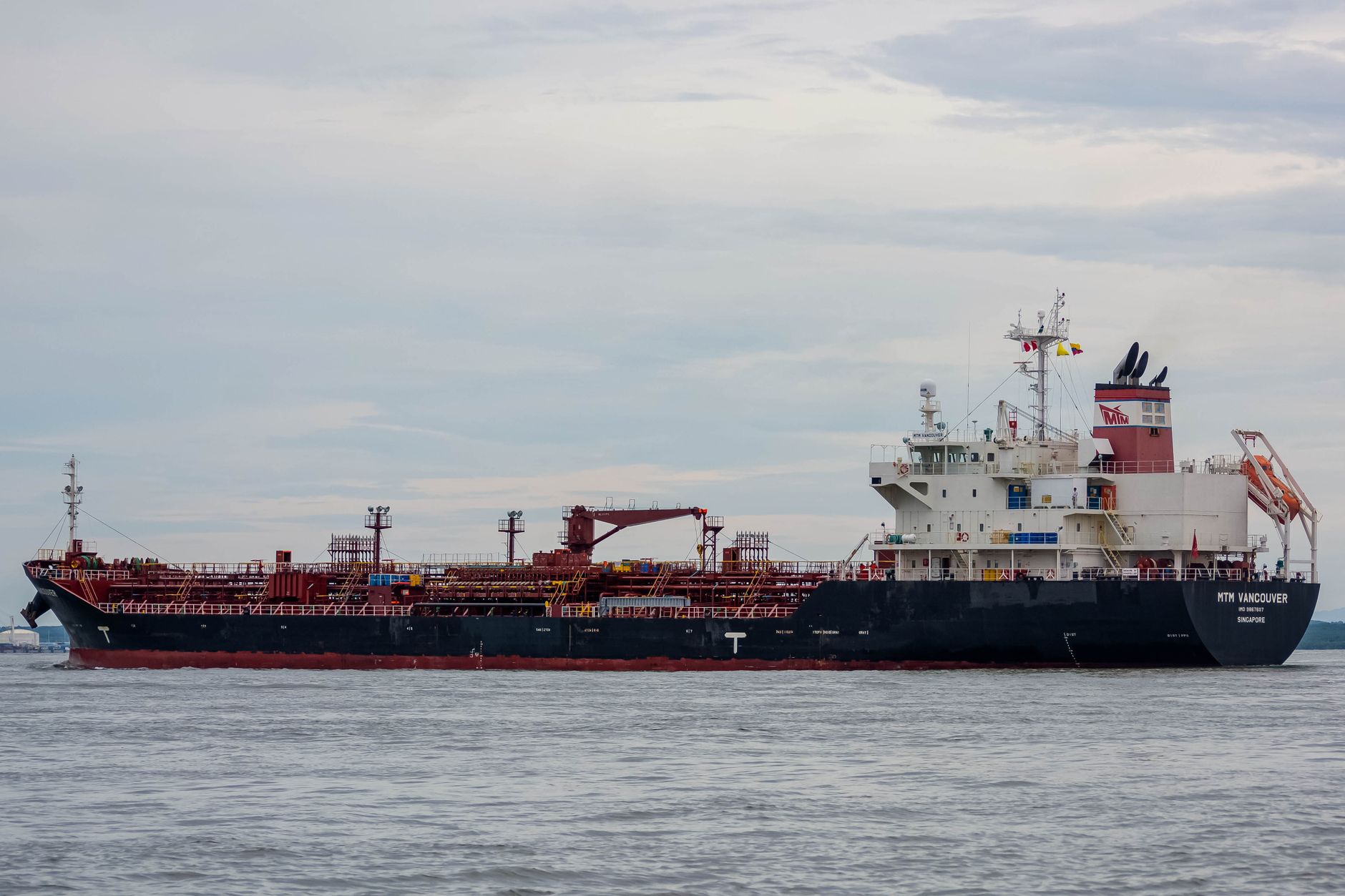
The Strait of Hormuz, a narrow waterway connecting the Persian Gulf to the open ocean, is arguably the most critical oil chokepoint in the world. Approximately one-fifth of the world's total oil consumption, roughly 21 million barrels per day, passes through this strait. Its strategic importance makes it a perennial flashpoint in U.S.-Iran relations, with both nations frequently engaged in military posturing and occasional confrontations. Iran has, on multiple occasions, threatened to close the strait in response to international sanctions or perceived threats, a move that would have catastrophic implications for global energy markets and the world economy.
Tensions between the United States and Iran have been consistently high for decades, punctuated by periods of intense hostility. During the Trump administration, these tensions significantly escalated following the U.S. withdrawal from the Joint Comprehensive Plan of Action (JCPOA), commonly known as the Iran nuclear deal, in 2018. This withdrawal was accompanied by a re-imposition and expansion of crippling sanctions on Iran, designed to pressure Tehran into renegotiating a new, more restrictive agreement. Iran responded by gradually scaling back its commitments under the nuclear deal and increasing its military activities in the region, including harassment of commercial shipping.
Previous incidents in the Strait of Hormuz have included Iranian forces seizing oil tankers, harassing U.S. naval vessels, and launching drone attacks. The U.S. has typically responded with increased naval presence, sanctions, and, in some cases, limited military actions to deter further aggression. However, the threat articulated by former President Trump represents a significant departure from these past responses. It signals a potential policy shift towards a much more aggressive and immediate retaliatory posture, specifically targeting critical Iranian infrastructure rather than merely defensive or localized military responses. This escalation could fundamentally alter the dynamics of confrontation.
Why It Matters
The declaration by former President Trump carries immense weight, primarily because it outlines a policy of direct, large-scale retaliation against Iran's core infrastructure. Such a strategy moves beyond the limited, proportional responses typically seen in maritime incidents and instead proposes a potentially devastating military engagement. This shift could trigger a full-blown regional conflict, drawing in other major powers and proxies, destabilizing an already volatile Middle East, and leading to widespread humanitarian consequences. The implications for regional stability and global security are profound and cannot be overstated, as a single incident could rapidly spiral out of control.
Economically, the Strait of Hormuz is the world's most vital oil transit chokepoint. Any disruption, let alone a full-scale military conflict, would send shockwaves through global energy markets. Oil prices would undoubtedly skyrocket, leading to significant economic downturns worldwide, increased inflation, and potential recessions in energy-dependent nations. Supply chains, already fragile from recent global events, would face unprecedented pressure, impacting everything from manufacturing to consumer goods. The ripple effect of such an economic crisis would be felt in every corner of the globe, affecting businesses and households alike.
Furthermore, this aggressive stance could undermine international norms and the delicate balance of power in the region. A unilateral decision to bomb another nation's infrastructure based on perceived threats to shipping, even in a critical waterway, could set a dangerous precedent. It risks eroding diplomatic solutions and international cooperation, making future de-escalation efforts far more challenging. The threat also signals a potential return to a highly confrontational foreign policy, which could alienate allies and empower adversaries, fundamentally reshaping the geopolitical landscape and increasing the likelihood of future conflicts.
Ground Reality
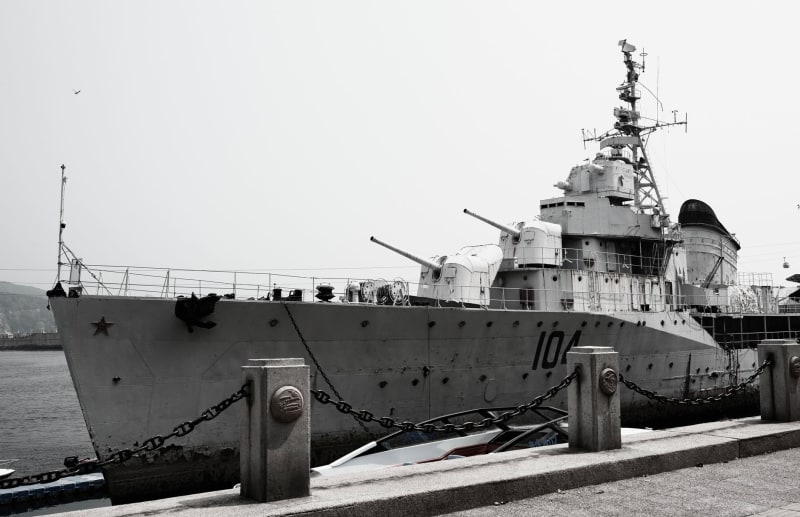
The operational reality in the Strait of Hormuz is one of constant vigilance and potential flashpoints. Both the U.S. Navy's Fifth Fleet and Iran's Islamic Revolutionary Guard Corps (IRGC) Navy maintain a significant presence in the area. Encounters between their vessels are frequent, ranging from routine observations to tense standoffs. Iranian fast boats often approach U.S. warships, sometimes engaging in what the U.S. describes as unsafe and unprofessional maneuvers. These interactions, while often de-escalated, always carry the risk of miscalculation, especially given the close proximity and high stakes involved in such a vital maritime corridor. The sheer volume of commercial traffic also adds complexity to any potential military response.
Iran's military doctrine, particularly concerning the Strait of Hormuz, is rooted in asymmetric warfare. Lacking the conventional naval power to directly challenge the U.S. fleet, Iran relies on a strategy involving swarms of small, fast attack craft, anti-ship missiles, mines, and coastal defense systems. They have also demonstrated capabilities in drone attacks and cyber warfare. This doctrine aims to deny access to the strait or inflict significant damage on commercial and military vessels, thereby imposing a high cost on any adversary. The threat of targeting Iranian infrastructure directly challenges this doctrine, potentially forcing Iran to reconsider its calculus of risk and reward in the strait.
The political landscape within Iran is also a critical factor. Hardliners, particularly within the IRGC, often advocate for a more confrontational approach to the U.S., viewing any perceived weakness as an invitation for further aggression. A direct U.S. attack on Iranian infrastructure, even in retaliation, would likely galvanize these hardline elements, potentially leading to an even more aggressive and unpredictable response from Tehran. This could include intensified proxy warfare in the region, increased support for militant groups, or even a rapid acceleration of its nuclear program, further complicating an already fraught security environment and making de-escalation exceedingly difficult.
What Experts Are Saying
Security analysts are largely in agreement that such an aggressive posture significantly heightens the risk of direct conflict. Many experts warn that a policy of immediate, large-scale retaliation against Iranian infrastructure could easily spiral out of control, leading to an unpredictable and devastating war. "This isn't just about deterring attacks on ships; it's about fundamentally altering the rules of engagement in a way that dramatically lowers the threshold for war," stated Dr. Sarah Jenkins, a Middle East security specialist. She emphasizes that Iran's leadership, particularly the IRGC, might feel compelled to respond in kind, creating a dangerous cycle of escalation that neither side can easily disengage from, with global repercussions.
Economists and energy market analysts are expressing deep concern over the potential impact on global oil prices and the world economy. Dr. Mark Peterson, an energy economist, noted, "Even the threat of such action creates immense uncertainty in the markets. If actual strikes occur, we could see oil prices surge to unprecedented levels, triggering a global recession." He further elaborated that the Strait of Hormuz is too critical to global supply chains to risk any prolonged disruption, and the ripple effects would extend far beyond just the cost of fuel, affecting inflation, manufacturing, and consumer spending across continents.
International law scholars are also weighing in, questioning the legality and proportionality of such a broad retaliatory policy. Many argue that while nations have the right to self-defense, a pre-emptive or disproportionate strike on another sovereign nation's infrastructure, even in response to attacks on shipping, could be seen as a violation of international law. "The principle of proportionality is key here," explained Professor Anya Sharma, an expert in international law. "Any response must be proportionate to the threat. Bombing critical infrastructure for a ship attack could be viewed as a massive overreach, potentially lacking a clear legal basis and inviting widespread international condemnation and further instability." This legal debate adds another layer of complexity and potential diplomatic fallout to the proposed policy.
Frequently Asked Questions
What Happens Next
The immediate aftermath of such a declaration, if it were to become official policy, would likely involve a significant increase in military readiness and posturing by both the United States and Iran in the Persian Gulf region. The U.S. would likely bolster its naval and air assets, while Iran would activate its coastal defense systems and increase its surveillance of the Strait of Hormuz. This heightened military presence would create an even more volatile environment, where any minor incident or miscalculation could rapidly trigger a larger confrontation. Diplomatic channels, already strained, would face immense pressure to de-escalate the situation, though the aggressive rhetoric makes such efforts increasingly challenging.
Economically, global oil markets would react with extreme volatility. Even the credible threat of such action would likely cause a significant spike in oil prices, as traders price in the risk of supply disruptions. If actual military action were to occur, particularly targeting Iranian oil infrastructure or leading to a closure of the Strait, the economic fallout would be severe and immediate, potentially triggering a global recession. Businesses and consumers worldwide would face sharply rising energy costs, impacting everything from transportation to manufacturing, and exacerbating existing inflationary pressures.
Politically, such a policy would have profound implications for U.S. foreign relations. Allies would likely express deep concern, fearing regional instability and economic repercussions, potentially straining alliances. Adversaries would closely monitor the situation, seeking to exploit any perceived U.S. overreach or diplomatic isolation. Domestically, the policy would spark intense debate, with proponents arguing for strong deterrence and critics warning of the catastrophic costs of war. The long-term trajectory of U.S.-Iran relations would be irrevocably altered, moving further away from any prospect of diplomatic resolution and towards a sustained state of overt hostility.














Comments
No comments yet. Be the first to comment!