
Key Takeaways
- The recent drone attack in Jordan, which tragically killed three U.S. service members, marks a dangerous and unprecedented escalation in the ongoing shadow conflict with Iranian-backed militias in the Middle East.
- This incident highlights a significant shift in Iranian proxy tactics, moving beyond symbolic attacks to directly inflict casualties on American forces, demonstrating a willingness to cross previously observed red lines.
- The attack underscores the critical vulnerability of U.S. military installations in the region to increasingly sophisticated and coordinated drone assaults, demanding an immediate review of defensive protocols and force protection measures.
- Tehran's strategy appears to involve deniable proxy actions, allowing it to project power and destabilize the region without direct confrontation, thereby complicating the U.S. response and raising the stakes for de-escalation.
- The U.S. faces immense pressure to deliver a decisive and proportional response that deters future aggression without inadvertently triggering a wider regional conflict, a delicate balancing act with profound geopolitical implications.
- This event necessitates a comprehensive re-evaluation of U.S. military posture and diplomatic engagement in the Middle East, particularly concerning the intricate web of alliances and adversaries in the Levant and Persian Gulf.
Background
The recent deadly drone attack on a U.S. military outpost in northeastern Jordan, near the Syrian border, represents a stark and alarming escalation in the long-simmering tensions between the United States and Iranian-backed militant groups. This incident, which tragically claimed the lives of three American service members and injured dozens more, marks the first time U.S. personnel have been killed by hostile fire in the region since the onset of the Israel-Hamas conflict. The outpost, known as Tower 22, serves a crucial role in the U.S. counter-ISIS mission and provides logistical support, making it a strategic, albeit vulnerable, target for adversaries seeking to disrupt American operations and influence in the Levant.
For years, Iranian-backed militias, including groups like Kataib Hezbollah and others operating under the umbrella of the Islamic Resistance in Iraq, have conducted sporadic attacks against U.S. forces in Iraq and Syria. These attacks, often involving rockets or less sophisticated drones, were largely seen as harassment or symbolic gestures, rarely resulting in significant casualties. However, the current geopolitical climate, exacerbated by the Gaza conflict, has emboldened these groups, leading to a dramatic increase in the frequency and lethality of their operations. The shift towards more precise and coordinated drone strikes signals a dangerous evolution in their capabilities and intent, directly challenging U.S. deterrence.
The strategic context of this attack is deeply intertwined with Iran's broader regional ambitions and its 'axis of resistance' strategy. Tehran leverages these proxy forces to exert influence, destabilize rival powers, and project strength without direct state-on-state confrontation. By arming, training, and funding these groups, Iran creates a buffer that allows it to deny direct involvement while achieving its geopolitical objectives. The attack in Jordan is not an isolated event but rather a calculated move within this larger framework, designed to pressure the U.S. to withdraw from the region and to demonstrate the costs of its continued military presence, particularly in the wake of heightened regional instability.
Why It Matters
This deadly attack in Jordan matters profoundly because it represents a critical inflection point in the U.S. engagement in the Middle East, elevating the long-running shadow conflict with Iran and its proxies to an unprecedented level of direct confrontation. The loss of American lives demands a robust and strategically sound response, yet the complexity lies in crafting one that deters future aggression without inadvertently igniting a wider regional conflagration. The incident forces Washington to confront the uncomfortable reality that its current deterrence strategy against Iranian-backed groups may be insufficient, necessitating a fundamental re-evaluation of its military posture and diplomatic approach in a volatile region already on edge.
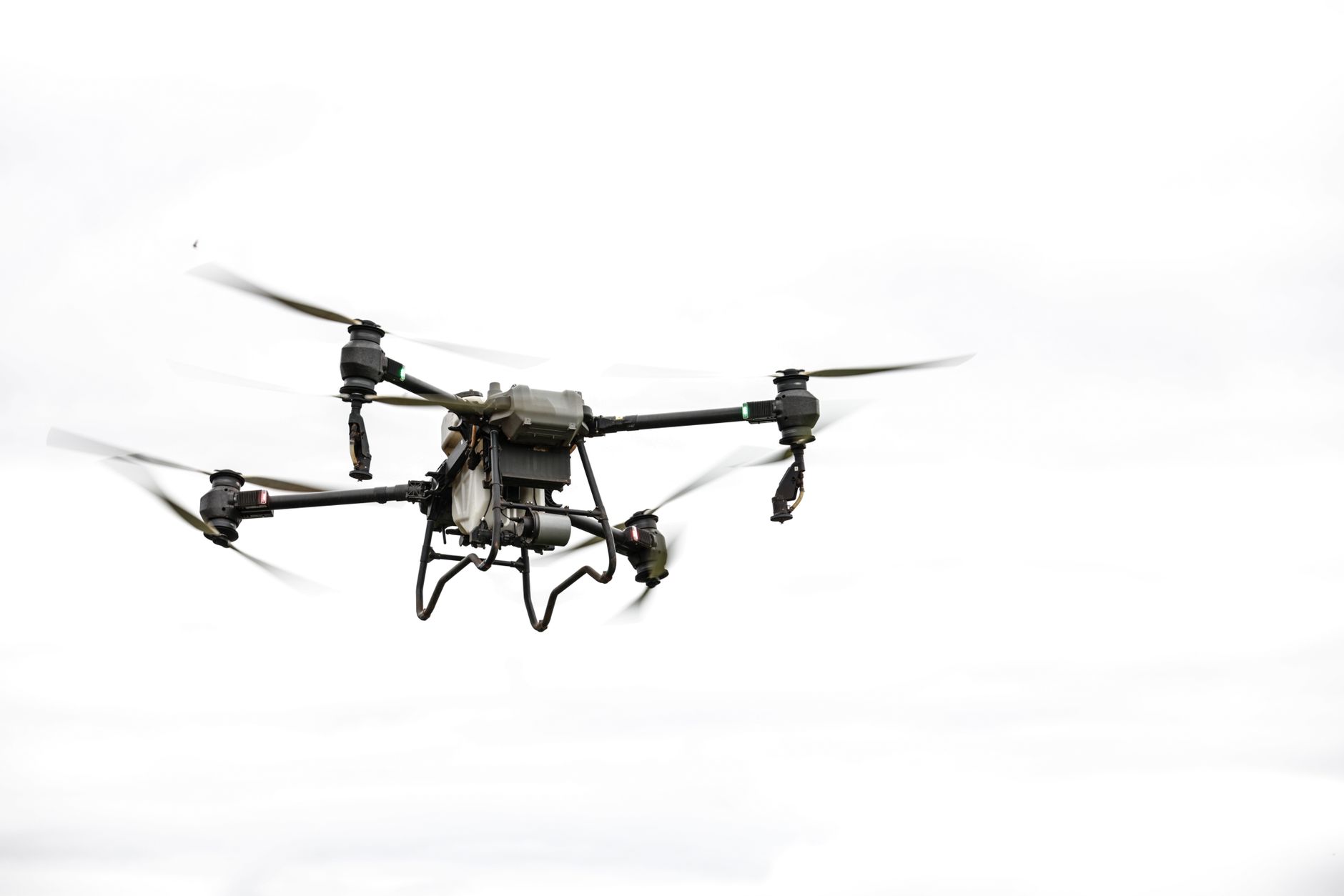
Furthermore, the attack underscores the increasing sophistication and audacity of Iranian proxy forces. The use of advanced drones, potentially leveraging tactics to evade air defenses, signals a dangerous leap in their operational capabilities. This technological evolution means that U.S. forces, even in seemingly secure locations, face heightened threats, requiring significant upgrades to defense systems and intelligence gathering. The ability of these groups to strike with such lethality challenges the perception of American military superiority and could embolden other adversaries to test U.S. resolve, making the need for effective countermeasures more pressing than ever.
Beyond the immediate casualties and tactical implications, this event carries significant geopolitical weight. It could further destabilize a region already reeling from the Israel-Hamas war, potentially drawing other actors into the conflict. The credibility of U.S. commitments to its allies in the Middle East is also on the line; a perceived weak response could undermine trust and encourage further aggression, while an overly aggressive one risks a full-blown regional war. The attack thus serves as a stark reminder of the delicate balance of power in the Middle East and the profound consequences of miscalculation, demanding a carefully calibrated and decisive strategy from the Biden administration.
Ground Reality
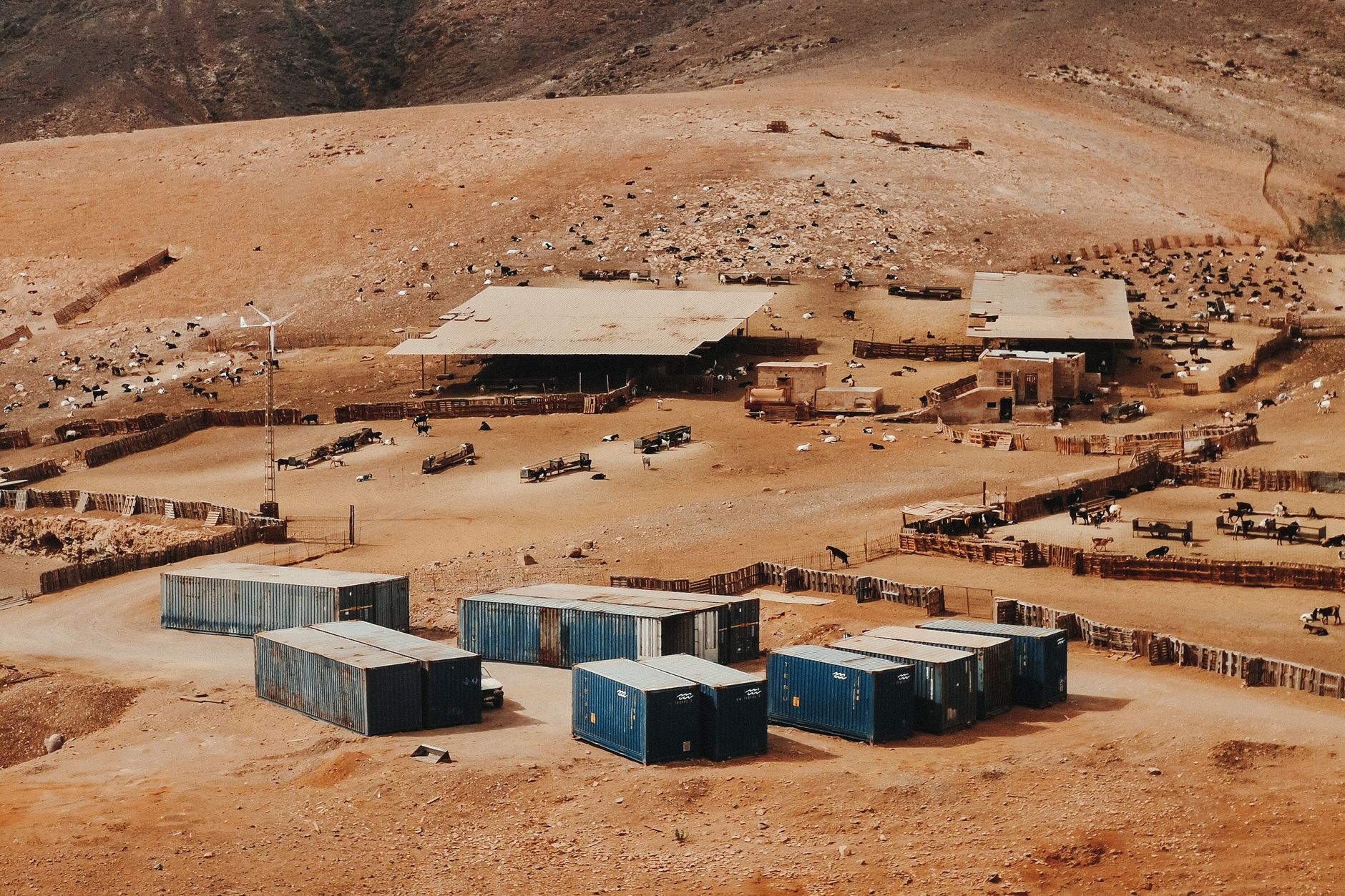
The ground reality in northeastern Jordan, particularly around Tower 22, is one of heightened vulnerability and persistent threat. This small outpost, strategically located at the nexus of the Jordanian, Syrian, and Iraqi borders, is not a heavily fortified base but rather a logistical hub critical for supporting counter-ISIS operations and maintaining regional stability. Its proximity to active conflict zones in Syria and Iraq makes it an exposed target for militant groups seeking to disrupt U.S. presence. The attack revealed critical gaps in air defense, as an enemy drone was reportedly mistaken for a returning U.S. drone, highlighting the complex challenges of distinguishing friend from foe in a crowded airspace and the urgent need for enhanced identification systems and protocols.
Across Iraq and Syria, U.S. forces operate in an environment increasingly characterized by asymmetric warfare, where Iranian-backed militias leverage readily available, low-cost technologies like drones and rockets to harass and attack larger, more technologically advanced adversaries. These groups often blend into civilian populations or operate from remote, difficult-to-reach areas, making direct retaliation challenging without risking civilian casualties or broader escalation. The sheer volume of attacks—over 160 since October 2023—demonstrates a sustained campaign designed to wear down U.S. resolve and force a withdrawal, creating a constant state of alert for American personnel on the ground.
The political landscape further complicates the ground reality. While Jordan is a steadfast U.S. ally, the presence of American troops can be a sensitive domestic issue, particularly when such attacks occur. In Iraq, the government faces immense pressure from Iran-aligned political factions and militias to expel U.S. forces, even as many within the Iraqi security establishment recognize the value of American support in combating ISIS. This intricate web of alliances and domestic pressures means that any U.S. response must consider not only military effectiveness but also its potential to destabilize partner governments or inadvertently strengthen the hand of anti-American elements, making the operational environment incredibly complex and fraught with peril.
What Experts Are Saying
Military strategists and regional analysts are largely in agreement that the drone attack in Jordan signifies a dangerous new phase in the U.S.-Iran proxy conflict. Many experts, such as Dr. Michael Knights of The Washington Institute, emphasize that this incident marks a clear escalation, moving beyond 'nuisance' attacks to direct, lethal engagements. They argue that Iran's proxy network has demonstrated an enhanced capability to coordinate and execute complex drone operations, posing a significant challenge to U.S. air defense systems and requiring a fundamental reassessment of force protection measures across the region. The consensus is that the U.S. can no longer afford to treat these attacks as isolated incidents.
Foreign policy scholars, including those from the Council on Foreign Relations, highlight the delicate balancing act facing the Biden administration. They suggest that while a forceful response is imperative to restore deterrence, any action must be carefully calibrated to avoid triggering a wider regional war. The challenge, as articulated by these experts, lies in identifying targets that demonstrably punish the perpetrators and their Iranian patrons without provoking an uncontrollable spiral of retaliation. This necessitates precise intelligence, a clear understanding of escalation ladders, and robust diplomatic channels, even if informal, to manage the crisis effectively and prevent miscalculation.
Furthermore, intelligence community veterans and counter-terrorism specialists point to the evolving nature of Iranian drone technology and its proliferation among proxy groups. They note that Iran has become a leading innovator in affordable, effective drone warfare, allowing its proxies to bypass traditional air defenses and project power at a relatively low cost. This technological edge, coupled with the strategic patience of Iran's leadership, creates a persistent and adaptable threat. Experts warn that unless the U.S. develops equally innovative countermeasures and a more robust, multi-layered air defense strategy, similar attacks are likely to continue, further endangering American personnel and regional stability.
Frequently Asked Questions
What Happens Next
In the immediate aftermath of the deadly drone attack, the United States is poised for a decisive response. President Biden has unequivocally stated that the U.S. 'will respond' to the killing of American service members, signaling that military action is highly probable. The critical challenge for the Pentagon and the White House will be to identify the precise perpetrators and their command structure within the complex web of Iranian-backed militias, ensuring that any retaliation is both effective in deterring future attacks and carefully calibrated to avoid an uncontrolled escalation into a broader regional war. This initial response will set the tone for U.S. engagement in the Middle East for the foreseeable future.
Beyond the immediate retaliatory strikes, the incident will likely trigger a comprehensive review of U.S. military posture and defense capabilities across the Middle East. This will involve assessing the vulnerability of existing bases and outposts, potentially deploying advanced air defense systems, and refining intelligence gathering to better anticipate and neutralize threats from sophisticated drones and missiles. Furthermore, diplomatic efforts will intensify, with the U.S. likely engaging allies in the region, such as Jordan and Iraq, to bolster collective security and coordinate strategies against Iranian proxy aggression, even as those allies face their own internal pressures regarding U.S. presence.
Looking further ahead, this escalation could fundamentally reshape the dynamics of the U.S.-Iran shadow war. If the U.S. response is perceived as insufficient, it risks emboldening Iran and its proxies, leading to further attacks and a sustained campaign to force American withdrawal. Conversely, an overly aggressive response could provoke direct Iranian retaliation, potentially drawing the U.S. into a direct military confrontation with Tehran. The path forward demands a delicate balance of military strength, diplomatic pressure, and strategic patience, as the region teeters on the brink of wider conflict, with the lives of U.S. personnel and regional stability hanging in the balance.














Comments
No comments yet. Be the first to comment!