

At a Glance
- Kyiv endured a massive, deadly ballistic missile attack, marking a significant escalation in Russia's ongoing aggression against Ukraine.
- The assault resulted in multiple fatalities and numerous injuries, with emergency services working tirelessly to rescue survivors and provide medical aid amidst the rubble.
- Residential buildings, critical infrastructure, and civilian areas bore the brunt of the attack, highlighting Russia's disregard for international humanitarian law.
- Ukrainian air defenses successfully intercepted a substantial number of incoming missiles, yet the sheer volume and type of weaponry used overwhelmed some defensive capabilities.
- International condemnation has been swift and widespread, with calls for increased military assistance to Ukraine, particularly advanced air defense systems, to prevent future atrocities.
- The attack has intensified fears among Kyiv residents, forcing many to seek shelter in metro stations and reinforced bunkers, disrupting daily life and causing profound psychological distress.
The Record
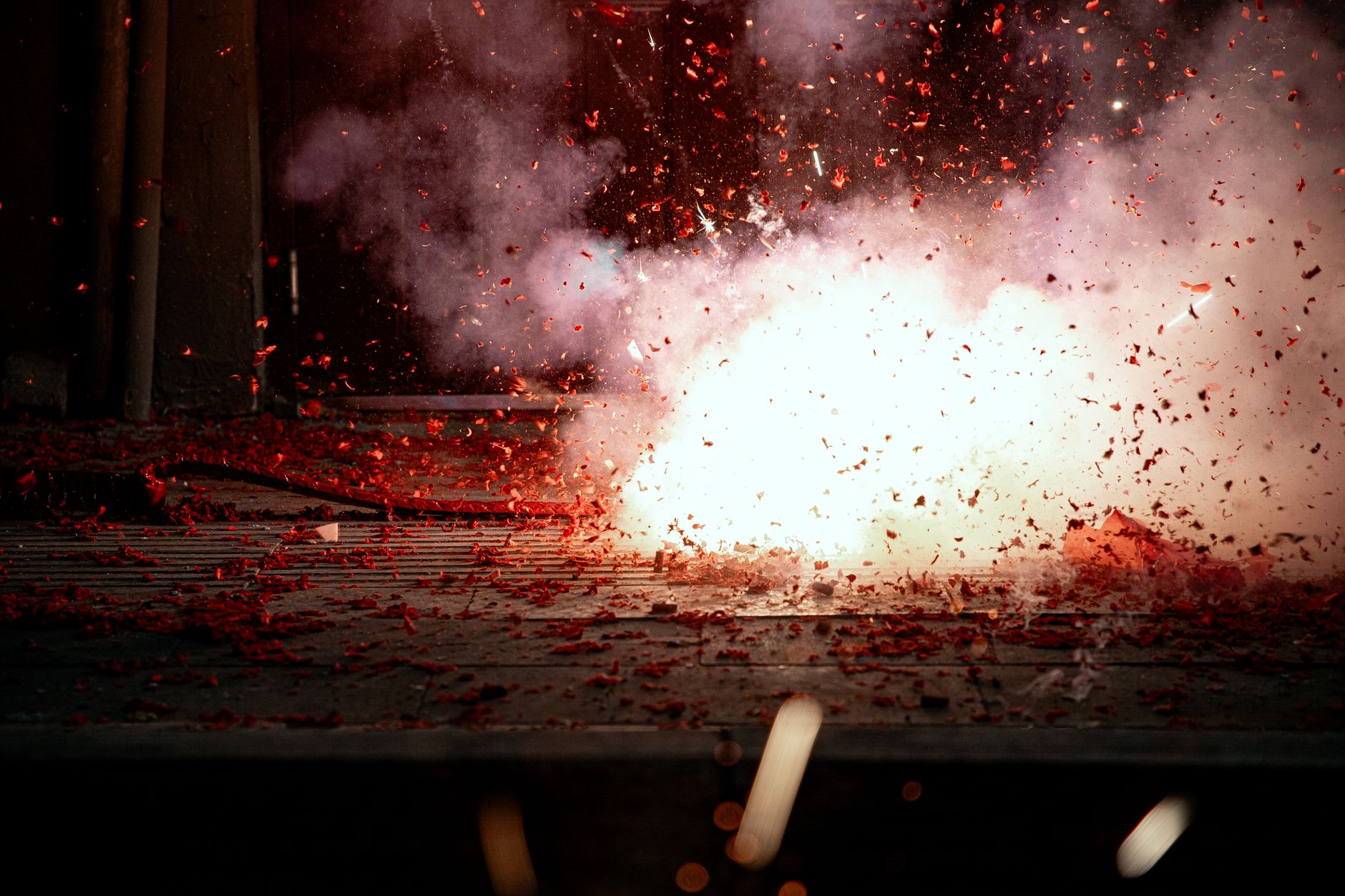
In the early hours of [Date of attack], Kyiv was subjected to one of the most intense and destructive ballistic missile attacks since the full-scale invasion began. The assault, launched by Russian forces, involved a volley of sophisticated missiles targeting various districts across the Ukrainian capital. Sirens blared for hours as residents sought refuge, with many reporting powerful explosions shaking their homes and widespread damage across the city. This coordinated strike represents a clear escalation, demonstrating Russia's continued intent to terrorize civilian populations and degrade Ukraine's urban infrastructure.
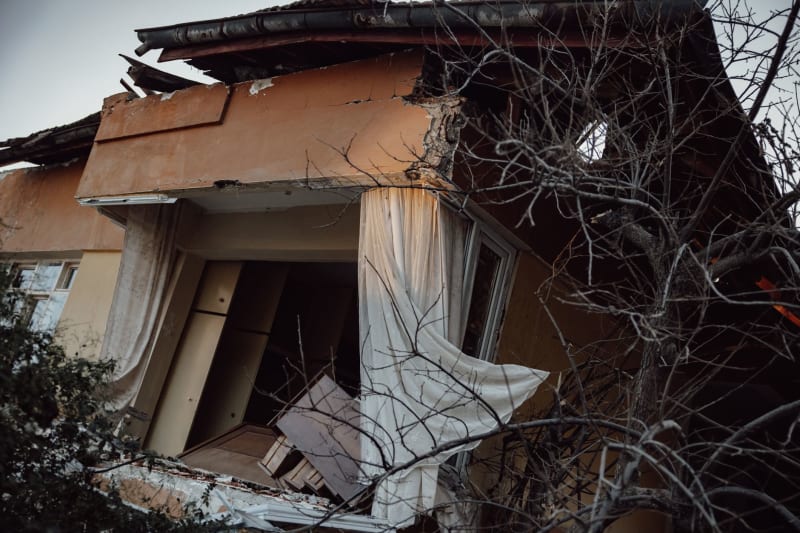
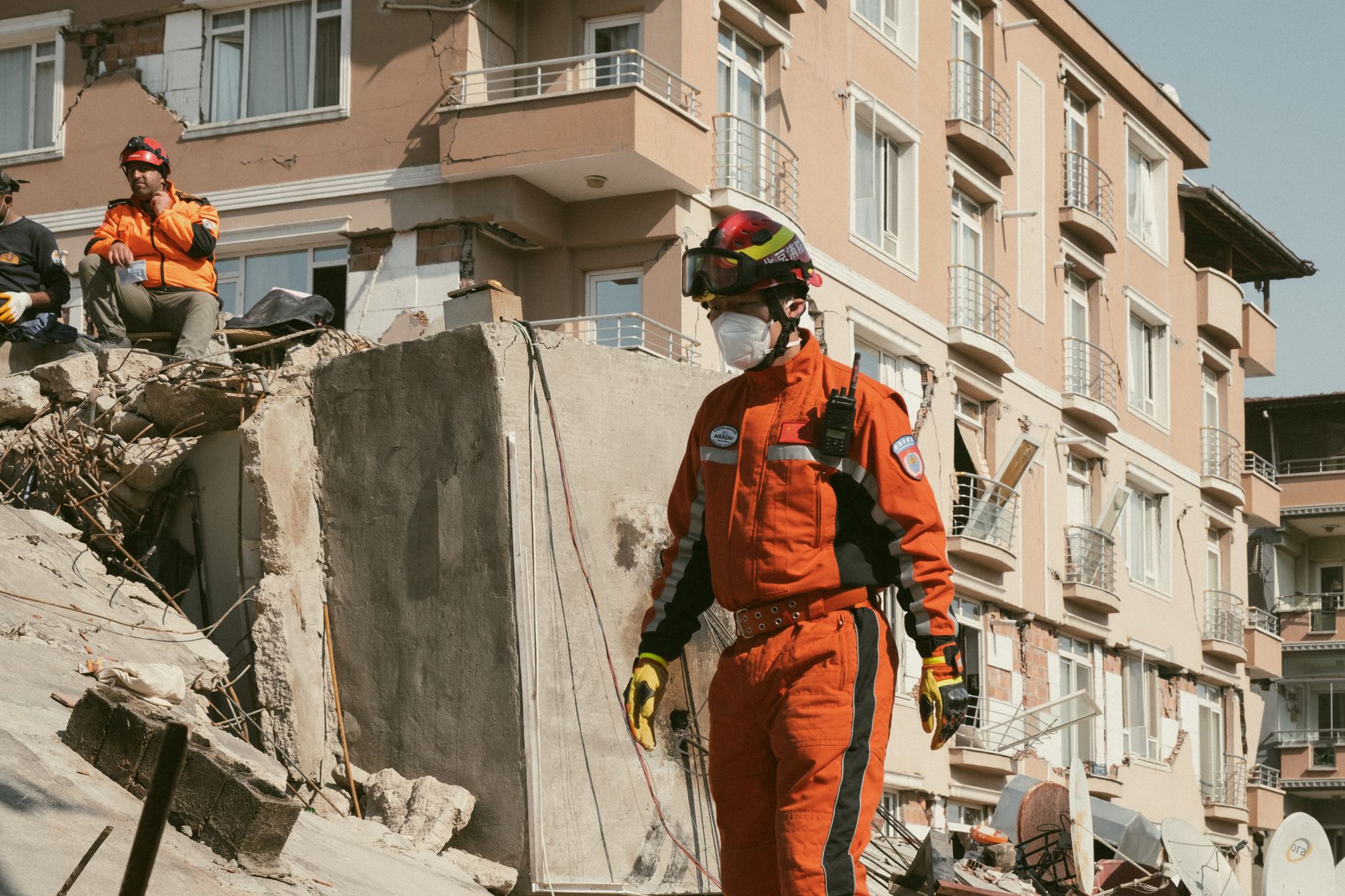
Initial reports from Ukrainian authorities confirm multiple fatalities and dozens of injured individuals, including women and children. Emergency services, including paramedics, firefighters, and search-and-rescue teams, were immediately deployed to affected areas, working under hazardous conditions to extract survivors from collapsed buildings and extinguish raging fires. The sheer scale of destruction, particularly in residential zones, underscores the indiscriminate nature of these attacks and the immense human cost of the conflict. Hospitals are currently overwhelmed, grappling with a surge of trauma patients requiring urgent medical attention.
While Ukrainian air defense systems managed to intercept a significant portion of the incoming projectiles, several missiles successfully penetrated, causing devastating impacts. The use of ballistic missiles, known for their speed and destructive power, poses a formidable challenge even for advanced air defense networks. This incident highlights the critical need for Ukraine to receive more robust and comprehensive air defense capabilities from its international partners to effectively counter such sophisticated threats and protect its citizens from further aggression. The resilience of Kyiv's residents, however, remains unwavering despite the relentless bombardment.
Who Knew and When
Ukrainian intelligence services had issued general warnings about potential increases in Russian missile activity in the days leading up to the attack, based on observed movements of Russian strategic aircraft and missile launch platforms. However, the precise timing and scale of this specific ballistic missile barrage were difficult to predict with absolute certainty. Such intelligence is often broad, indicating a heightened threat rather than pinpointing an exact strike. The nature of ballistic missile launches, which occur rapidly and offer minimal warning time, makes pre-emptive evacuation or targeted interception extremely challenging, even with advanced surveillance.
Western intelligence agencies had also been monitoring Russian military movements and capabilities, providing assessments to Ukrainian counterparts regarding potential escalation scenarios. These assessments often focused on Russia's capacity to conduct such large-scale attacks and its strategic objectives, rather than specific operational details. The intelligence community broadly understood Russia's intent to continue its campaign of terror against Ukrainian cities, but the specific tactical choices, such as the mix of missile types and target selection for this particular strike, are often only fully understood post-event through debris analysis and damage assessment.
For the residents of Kyiv, the first indication of the attack was the piercing sound of air raid sirens, followed almost immediately by the distinct thud of explosions. Many were awakened from their sleep by the concussive blasts, scrambling to reach shelters or the safest parts of their homes. While the Ukrainian government has established a robust early warning system, the speed of ballistic missiles means that the window between warning and impact can be extremely narrow, often leaving only minutes for people to react. This rapid onset of danger underscores the constant state of vigilance required for those living under the threat of Russian aggression.
Voices from the Ground
Maria, a 45-year-old mother of two living in the Holosiivskyi district, recounted the terrifying moments of the attack. "The sound was deafening. Our entire building shook violently. I grabbed my children and we huddled in the hallway, praying it would stop. It felt like an eternity. We've become accustomed to sirens, but this was different – the explosions were so close, so powerful. My youngest keeps asking if the 'loud noises' will come back tonight. How do you explain this to a child?" Her voice trembled, reflecting the profound trauma inflicted upon countless families.
Serhiy, a 60-year-old retired engineer whose apartment building sustained significant damage, expressed a mix of anger and defiance. "They want to break our spirit, but they won't succeed. We will rebuild. We will endure. But the world needs to see what they are doing to us. These are not military targets; these are homes, schools, hospitals. We need more protection, stronger air defense. Every time this happens, it just strengthens our resolve to fight for our freedom and our future." His words echoed a sentiment of resilience common among Kyiv's residents, even amidst profound loss.
A volunteer at a local aid center, Olena, described the immediate aftermath. "People arrived at the shelter in shock, some with minor injuries, others just numb. We saw families who had lost everything, their homes reduced to rubble. The most heartbreaking are the elderly and those with young children, who are particularly vulnerable to the psychological toll of these constant attacks. Our priority is to provide warmth, food, and a sense of safety, but the emotional scars will last a lifetime. The international community must understand the daily terror we face and provide tangible support beyond just words of condemnation."
The Debate
The latest ballistic missile attack on Kyiv has reignited intense debate among international policymakers and defense analysts regarding the efficacy and urgency of Western military aid to Ukraine. Proponents argue that this event unequivocally demonstrates the critical need for immediate and substantial delivery of advanced air defense systems, such as additional Patriot batteries and other sophisticated interceptors. They contend that any delay in providing these capabilities directly translates into more civilian casualties and further destruction of Ukrainian infrastructure, undermining Ukraine's ability to defend itself and prolonging the conflict unnecessarily. The argument is that Ukraine is fighting not just for its sovereignty, but for the foundational principles of international law and security.
Conversely, some voices, primarily within certain political factions in Western nations, express concerns about the potential for escalation if NATO countries provide too much advanced weaponry, particularly systems that could be perceived as offensive. They argue for a more cautious approach, emphasizing diplomatic solutions and de-escalation, even as Russia continues its aggressive actions. However, critics of this viewpoint highlight that such caution often emboldens aggressors and fails to protect vulnerable populations, effectively rewarding belligerence. This perspective often overlooks the immediate humanitarian crisis unfolding on the ground and the existential threat Ukraine faces.
A third perspective focuses on the long-term strategy, advocating for not only immediate defensive aid but also robust support for Ukraine's eventual reconstruction and integration into European security structures. This view suggests that while air defense is paramount now, sustained economic and political backing is crucial for Ukraine's resilience and future stability. The debate also touches upon the effectiveness of current sanctions regimes against Russia, with many arguing for stricter enforcement and expanded measures to truly cripple Russia's war machine and deter future aggression. The consensus among most international observers, however, is that Ukraine's immediate need for air defense is undeniable and paramount.
Your Questions Answered
What Accountability Looks Like
Achieving accountability for the deadly ballistic missile attack on Kyiv necessitates a multi-pronged approach, beginning with immediate and thorough investigations by international bodies. Organizations like the International Criminal Court (ICC) and UN human rights mechanisms must meticulously document evidence of war crimes, including the targeting of civilian infrastructure and indiscriminate attacks. This involves collecting witness testimonies, forensic analysis of missile debris, and satellite imagery to establish a clear chain of command and responsibility. Such documentation is crucial for building robust cases against perpetrators, regardless of their rank or position, ensuring that these atrocities are not swept under the rug of geopolitical maneuvering.
Beyond legal prosecutions, accountability also extends to holding the Russian state responsible for the immense damage and loss of life. This includes exploring mechanisms for reparations to Ukraine and its citizens, potentially through frozen Russian assets or international compensation funds. The international community must move beyond mere condemnation and actively pursue avenues that compel Russia to bear the financial burden of its aggression. This could involve establishing a dedicated international tribunal for the crime of aggression, providing a clear legal pathway to address the overarching illegal invasion, alongside individual war crimes.
Ultimately, true accountability will require sustained international pressure, including reinforced sanctions and diplomatic isolation, to deter future acts of aggression and compel adherence to international law. It also means strengthening Ukraine's defensive capabilities to prevent further attacks, thereby holding Russia accountable for its inability to achieve its military objectives through terror. The global community's unwavering commitment to justice, coupled with practical support for Ukraine's defense and recovery, will be the most potent form of accountability in the face of such egregious violations of human rights and international norms.













Comments
No comments yet. Be the first to comment!