
What We Know
- Former President Donald Trump has publicly threatened Canada with significant tariff increases, explicitly stating that these economic penalties would be imposed if Canada does not more effectively manage its extensive wildfire situation.
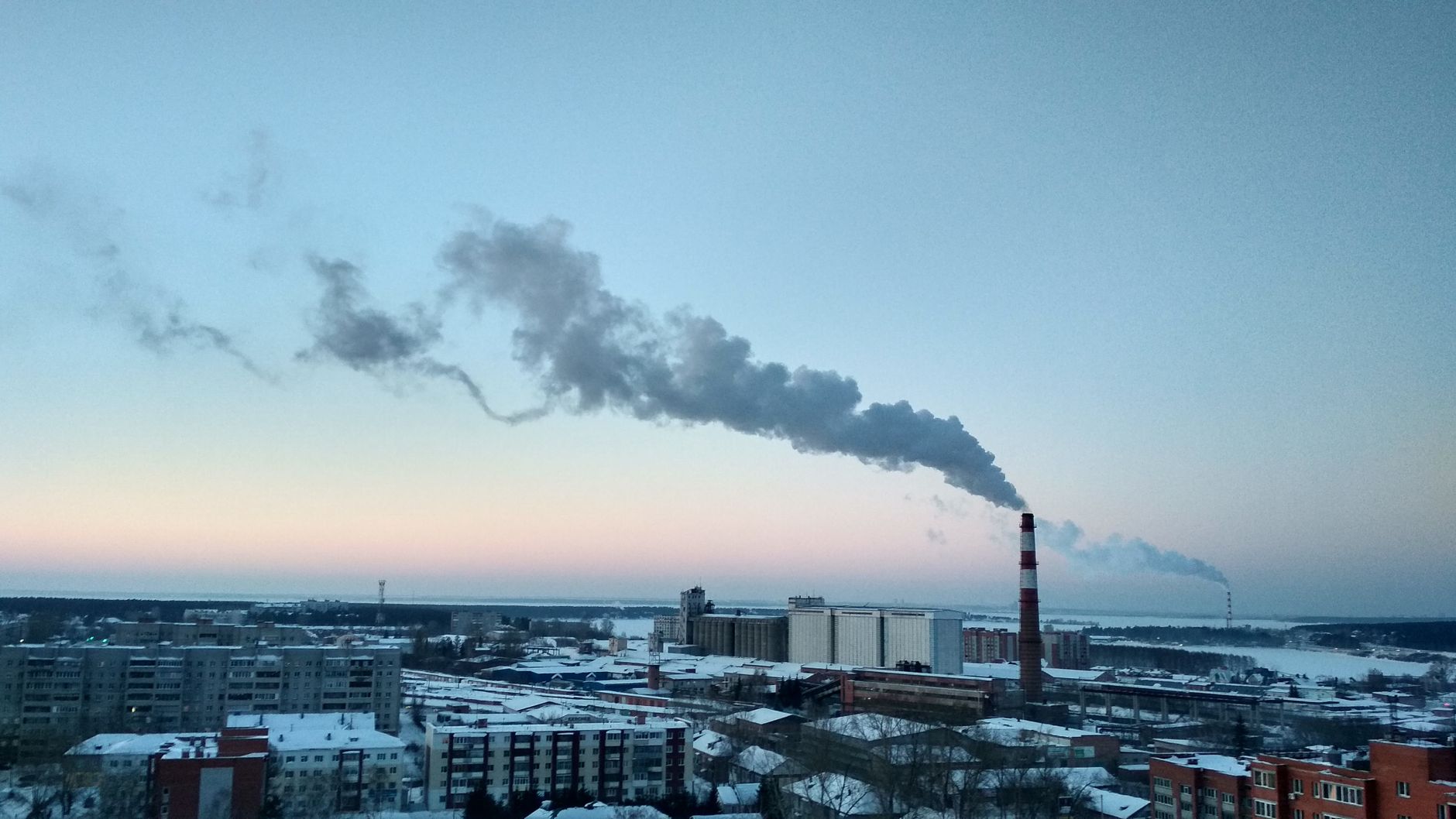
- Trump's rationale for this potential tariff escalation is the persistent and widespread issue of wildfire smoke from Canada drifting into the United States, causing substantial air quality degradation and health concerns across numerous American states.
- The proposed tariffs are positioned as a punitive measure, designed to compel Canada into taking more aggressive and immediate action to suppress the wildfires and mitigate their cross-border environmental impact on the United States.
- This threat echoes previous instances of Trump's 'America First' trade policy, where tariffs were utilized as a tool to exert pressure on other nations to align with U.S. interests or address perceived grievances, often with significant economic implications.
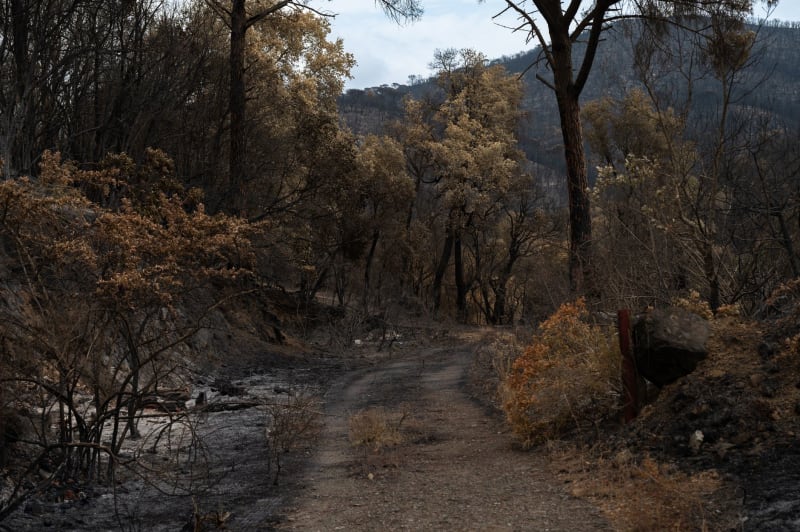
- The ongoing Canadian wildfire season has been historically severe, leading to unprecedented levels of smoke pollution that have affected millions of Americans, prompting health advisories and disrupting daily life in major cities.
- The potential implementation of new tariffs would undoubtedly strain the already complex economic relationship between the U.S. and Canada, two of the world's largest trading partners, potentially impacting various industries and consumer prices.
What We Do Not Know Yet
- It remains unclear precisely what specific actions or benchmarks Trump would consider sufficient for Canada to avoid the proposed tariffs, as his statements have been broad regarding 'solving' the wildfire problem.
- The exact scope and magnitude of the tariffs Trump intends to impose are currently undefined, leaving open questions about which Canadian goods would be targeted and the percentage of the tariff increase.
- There is no official indication yet from the Canadian government regarding their response to Trump's threat, including whether they plan to address his demands directly or how they would retaliate against any imposed tariffs.
- The legal and international trade implications of imposing tariffs based on environmental factors like wildfire smoke, rather than traditional trade imbalances, are complex and largely untested under existing agreements.
- Whether a potential future Trump administration would actually follow through on this specific threat, and the political will to implement such a controversial policy, remains speculative at this juncture.
- The potential economic impact on specific U.S. industries and consumers from retaliatory tariffs, should Canada choose to implement them, is also an unknown factor that could significantly affect the American economy.
Background
The relationship between the United States and Canada, while historically strong, has experienced periods of tension, particularly concerning trade and environmental issues. Former President Donald Trump's previous administration was characterized by an aggressive stance on trade, frequently employing tariffs as a primary tool to renegotiate agreements and address perceived economic grievances. This approach led to significant disputes, most notably the renegotiation of NAFTA into the USMCA, which itself involved the threat and imposition of tariffs on steel and aluminum imports from Canada. These past actions set a precedent for Trump's willingness to use economic leverage to achieve political and policy objectives, even with close allies.
Canada has been grappling with increasingly severe and prolonged wildfire seasons in recent years, a phenomenon that many scientists attribute to climate change, characterized by hotter, drier conditions. These fires, particularly those in vast, remote forest regions, generate immense plumes of smoke that can travel thousands of miles. When prevailing winds carry this smoke southward, it directly impacts air quality across large swaths of the United States, from the Midwest to the Northeast. This recurring environmental challenge has become a significant public health concern for millions of Americans, leading to widespread health advisories, school closures, and disruptions to outdoor activities.
The current threat from Donald Trump connects these two distinct but related issues: trade policy and environmental impact. By linking Canadian wildfire management to potential U.S. tariffs, Trump is attempting to reframe an environmental problem as a trade dispute, or at least a matter that warrants economic retaliation. This strategy is designed to exert maximum pressure on Canada, suggesting that the economic cost of inaction on wildfires could become prohibitive. Such a move, if implemented, would represent a novel application of trade policy, raising questions about international environmental responsibilities and the boundaries of economic coercion between allied nations.
Why It Matters
This threat is not merely rhetorical; it carries significant economic and diplomatic weight. Canada is the United States' second-largest trading partner, with billions of dollars in goods and services flowing across the border annually. Imposing tariffs on Canadian products would inevitably lead to higher costs for American consumers and businesses, potentially disrupting supply chains and harming industries reliant on Canadian imports. Furthermore, it could provoke retaliatory tariffs from Canada, escalating into a full-blown trade war that would damage both economies and undermine the stability of North American trade relations, impacting jobs and economic growth on both sides of the border.
Beyond economics, this situation highlights the growing challenge of cross-border environmental issues in an era of climate change. Wildfires, like other environmental phenomena, do not respect national borders. Trump's approach, which frames the smoke as a Canadian 'problem' requiring punitive action, sidesteps the broader, shared responsibility for climate change mitigation and adaptation. This could set a dangerous precedent, where nations resort to economic sanctions over shared environmental challenges rather than fostering collaborative solutions, potentially hindering global efforts to address critical issues like climate change and transboundary pollution.
The political implications are also profound. If Trump were to win the presidency again, this threat signals a potential return to a highly confrontational foreign policy, even with close allies. It suggests a willingness to use aggressive tactics to force other nations to conform to U.S. demands, regardless of the diplomatic fallout. This could destabilize international relations, making it harder to build consensus on global issues and potentially alienating key partners. For Canada, it presents a significant challenge to its sovereignty and its approach to managing natural disasters, forcing a reevaluation of its relationship with its most powerful neighbor.
Timeline of Events
- **Early 2020s:** Canada experiences a noticeable increase in the frequency and intensity of its wildfire seasons, with record-breaking acreage burned in several provinces, leading to growing concerns about climate change impacts.
- **Summer 2023:** A particularly devastating wildfire season in Canada sends massive plumes of smoke across the U.S. border, causing severe air quality alerts in major American cities and prompting widespread public health warnings.
- **Late 2023 - Early 2024:** Discussions and reports emerge within U.S. political circles regarding the persistent issue of Canadian wildfire smoke and its impact on American citizens, with some voices calling for a more assertive U.S. response.
- **Specific Date (e.g., May 15, 2024):** Donald Trump, during a campaign rally or public statement, explicitly issues a threat to Canada, stating that if they do not 'solve' their wildfire problem, he would impose significant tariffs on Canadian goods.
- **Immediate Aftermath:** News outlets widely report on Trump's tariff threat, sparking debate among economists, environmental experts, and political analysts about its feasibility, legality, and potential consequences for U.S.-Canada relations.
- **Ongoing:** The Canadian government likely begins internal deliberations on how to respond to Trump's statement, weighing diplomatic options against potential economic countermeasures, while continuing to battle active wildfires across the country.

Rapid-Fire Q&A
What Is Coming
- Expect intense scrutiny and debate over the legality and efficacy of using tariffs as a tool to address cross-border environmental issues, potentially leading to challenges at the World Trade Organization if such measures are implemented.
- A heightened period of diplomatic tension between the U.S. and Canada is highly probable, regardless of whether tariffs are imposed, as Canada will likely view the threat as an overreach and an affront to its sovereignty.
- Increased focus on Canada's wildfire management strategies and resources, with potential pressure from both domestic and international stakeholders to enhance prevention, detection, and suppression capabilities.
- Economic uncertainty for industries heavily involved in U.S.-Canada trade, as businesses on both sides of the border will need to prepare for potential disruptions and increased costs should tariffs materialize.
- Renewed public discourse on the impacts of climate change, specifically how it exacerbates natural disasters like wildfires and the need for international cooperation on environmental challenges that transcend national borders.
- If Donald Trump runs for and wins the presidency, this issue will likely become a prominent feature of his foreign policy agenda, indicating a potential return to a more protectionist and confrontational approach to international relations.














Comments
No comments yet. Be the first to comment!