
Policy Snapshot
- Iran's Foreign Ministry has issued a strong condemnation, asserting that the United States is directly responsible for a deliberate attack on civilian infrastructure, specifically targeting water supply networks in the region.
- The Iranian government is actively pursuing diplomatic avenues, including appeals to international bodies like the United Nations, to investigate the alleged US actions and hold responsible parties accountable for what it terms a violation of international law.
- The United States has yet to officially respond to Iran's specific allegations regarding the attack on water infrastructure, maintaining a general stance of defending its regional interests and allies against perceived threats.
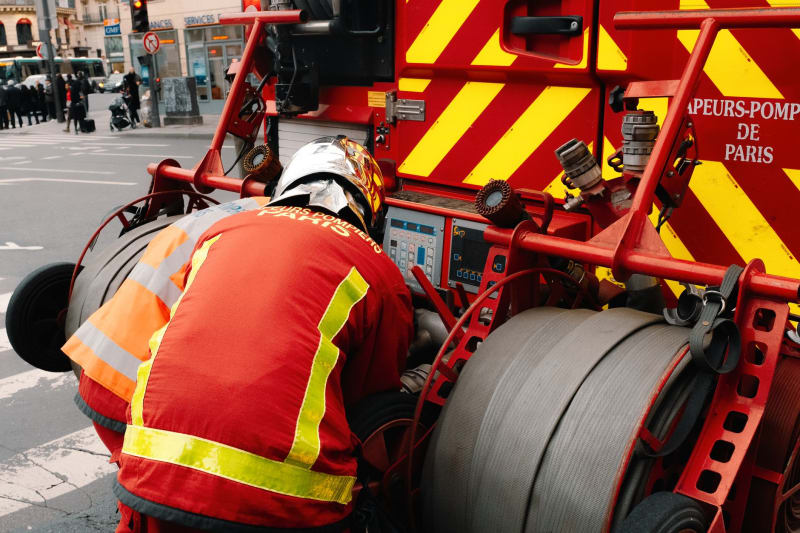
- Kuwaiti authorities have initiated a comprehensive investigation into the cause of the devastating fire at one of its critical water desalination and distribution facilities, emphasizing that the incident's origin is still undetermined and all possibilities are being explored.
- Regional security protocols are being re-evaluated and heightened across the Gulf Cooperation Council (GCC) states in light of the recent incidents, reflecting growing concerns about stability and the potential for wider conflict.
- International aid organizations and humanitarian groups are closely monitoring the unfolding situation, particularly the reported water shortages in Iran, and are preparing contingency plans for potential emergency relief efforts should the crisis escalate further.
The Policy History
The relationship between Iran and the United States has been characterized by decades of deep-seated mistrust, punctuated by periods of intense geopolitical tension and proxy conflicts. Following the 1979 Iranian Revolution, diplomatic ties were severed, leading to a prolonged era of sanctions, covert operations, and ideological clashes. This complex history has created a volatile environment where any incident, even one initially reported as an accident, can quickly be framed within a narrative of deliberate aggression and retaliation, exacerbating an already fragile regional security landscape. The current accusations from Iran regarding a direct US attack on its water infrastructure must be understood within this broader historical context of animosity and strategic competition.
Recent years have seen a significant escalation in rhetoric and military posturing, particularly after the US withdrawal from the Joint Comprehensive Plan of Action (JCPOA) and the subsequent re-imposition of stringent sanctions on Iran. This 'maximum pressure' campaign by the US aimed to curb Iran's nuclear program and its regional influence, but it has also led to a series of tit-for-tat actions, including attacks on oil tankers, drone incidents, and cyber warfare. The current allegations by Iran, if substantiated, would mark a dangerous new phase in this ongoing confrontation, directly impacting civilian populations and essential services, thereby raising the stakes considerably.
The Gulf region, including Kuwait, has long been a flashpoint due to its strategic importance for global energy supplies and the presence of major US military bases. Kuwait, a key US ally, has often found itself navigating the delicate balance of maintaining its sovereignty while hosting foreign military assets and dealing with the spillover effects of regional conflicts. The fire at its water facility, regardless of its cause, underscores the inherent vulnerabilities of critical infrastructure in a region perpetually on edge. This incident, combined with Iran's claims, paints a concerning picture of an increasingly unstable Middle East where essential services are at risk, whether through direct conflict or collateral damage.
Who Is Affected
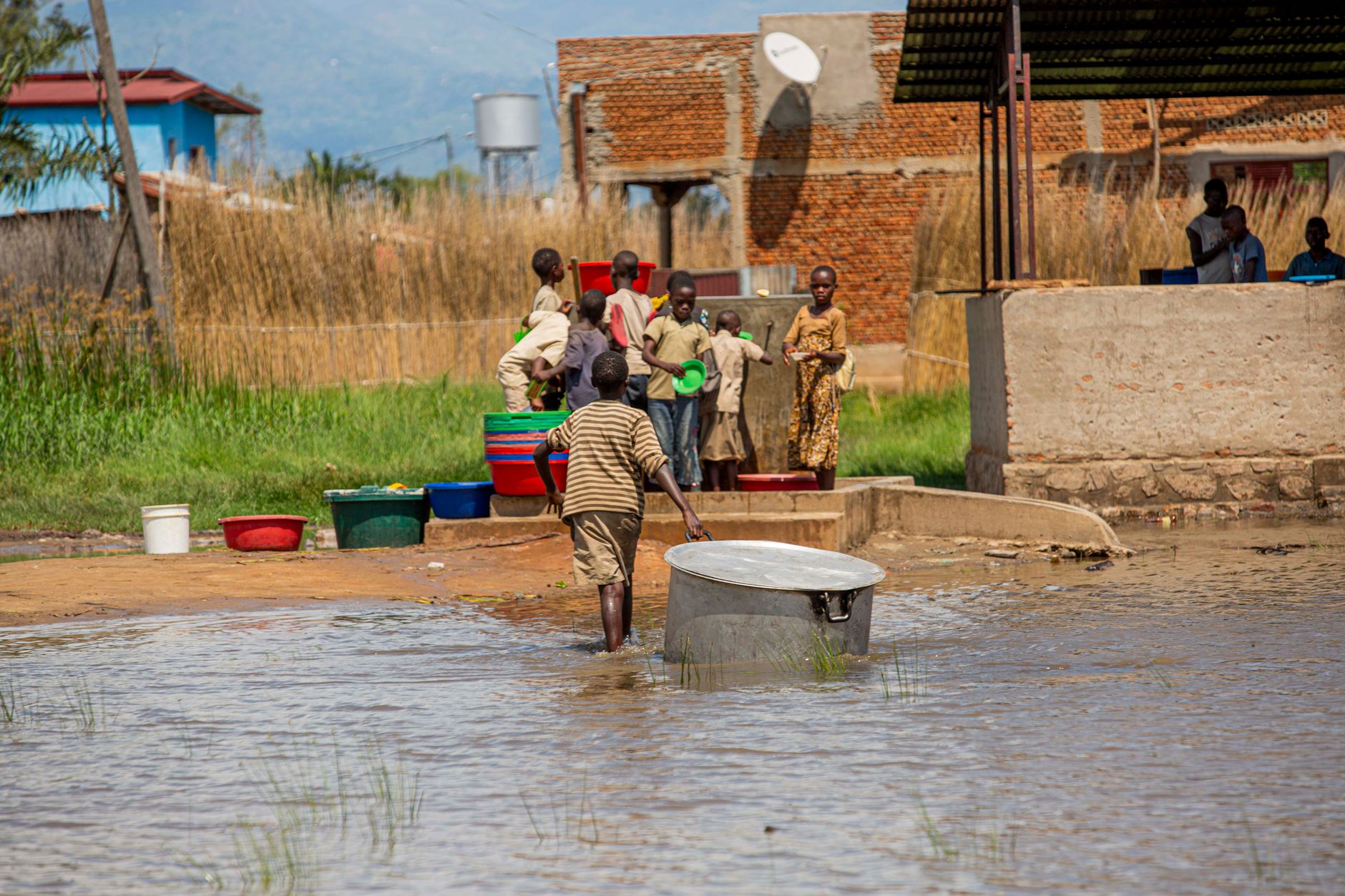
The primary and most immediate victims of the alleged US attack are the approximately 10,000 Iranian citizens now reportedly without access to clean, potable water. This humanitarian crisis is not merely an inconvenience; it represents a severe threat to public health and daily life. Lack of water can lead to widespread disease, dehydration, and a complete breakdown of sanitation systems, particularly in vulnerable communities. The disruption of such a fundamental resource can also trigger social unrest and deepen existing grievances against both internal and external actors, creating a ripple effect of instability that extends far beyond the immediate affected area. Children, the elderly, and those with pre-existing health conditions are especially susceptible to the dire consequences of prolonged water scarcity.
Beyond the directly affected Iranian population, the incident in Kuwait has significant implications for its own citizens and the broader regional economy. Kuwait relies heavily on desalination plants for its fresh water supply, making any damage to these facilities a critical national security concern. A major disruption could impact residential consumption, agricultural output, and industrial operations, leading to economic losses and a potential public health emergency. The perception of vulnerability, even if the fire is accidental, could also deter foreign investment and tourism, further impacting the nation's economic stability. The incident highlights the fragility of essential services in a volatile geopolitical climate.
The wider international community is also indirectly affected by these escalating tensions. The Middle East is a vital region for global energy markets, and any instability there can send shockwaves through the world economy, impacting oil prices and supply chains. Furthermore, the humanitarian implications of a large-scale water crisis in Iran could necessitate international aid efforts, diverting resources and attention from other global challenges. The potential for miscalculation or escalation between major powers like the US and Iran also poses a risk to global peace and security, underscoring the interconnectedness of these regional incidents with broader international dynamics.
The Case For
From the perspective of the Iranian government, the case for condemning the US action is unequivocally strong. They argue that any attack on civilian infrastructure, particularly water supply, constitutes a war crime and a grave violation of international humanitarian law, specifically the Geneva Conventions. Iran's narrative centers on the protection of its civilian population and the assertion of its national sovereignty against what it portrays as an act of state-sponsored terrorism. By highlighting the humanitarian impact on 10,000 people, Iran seeks to galvanize international condemnation against the US and portray itself as the victim of unprovoked aggression, thereby strengthening its diplomatic position on the global stage and potentially garnering sympathy from non-aligned nations.
Iran would likely present evidence, if available, of the specific nature of the attack, such as drone fragments, missile remnants, or eyewitness accounts, to bolster its claims. They would emphasize the deliberate targeting of non-military infrastructure, arguing that such actions are designed to inflict maximum suffering on the civilian population and destabilize the country. This narrative aims to frame the US as a rogue actor, undermining its claims of promoting democracy and human rights. The severity of the alleged act, depriving thousands of a basic necessity, serves as a powerful emotional and legal argument in their favor, demanding a robust international response and accountability for the perpetrators.
Furthermore, Iran's argument would extend to the broader context of regional stability. They would contend that such aggressive acts by the US only serve to inflame tensions, provoke retaliatory measures, and push the region closer to a full-scale conflict. By accusing the US of directly attacking its infrastructure, Iran seeks to shift the blame for any subsequent escalation onto Washington, portraying its own potential responses as legitimate acts of self-defense. This strategic framing is crucial for Iran to maintain internal cohesion and justify its actions to its own populace, while simultaneously attempting to isolate the US diplomatically and morally in the international arena.
The Case Against
The United States, while not yet issuing a specific response to the water infrastructure allegations, would likely counter such claims by either denying direct involvement, attributing the damage to other factors, or justifying any actions as legitimate self-defense against Iranian aggression or proxy activities. Historically, the US has maintained that its military operations in the region are aimed at protecting its interests, allies, and freedom of navigation, often citing Iran's destabilizing actions, such as support for militant groups, ballistic missile programs, and threats to shipping. Any US response would be carefully calibrated to avoid admitting to war crimes while reaffirming its commitment to regional security.
Should the US acknowledge any involvement, it would likely argue that any damage to infrastructure was either unintentional collateral damage from a legitimate military strike against a military target, or that the facility itself had a dual-use capacity that made it a valid target under specific rules of engagement. They might also suggest that Iran's claims are exaggerated or fabricated for propaganda purposes, aiming to deflect international scrutiny from its own human rights record or its nuclear ambitions. The US would emphasize the need for verifiable evidence and independent investigations, rather than accepting Iranian accusations at face value, thereby casting doubt on the veracity of Iran's narrative.
Regarding the Kuwaiti fire, if it is determined to be accidental or due to internal factors, this would significantly weaken any attempt by Iran or others to link it to regional conflict. The Kuwaiti government's investigation will be crucial in determining the narrative. If the fire is proven to be an act of sabotage, the US might argue that it underscores the pervasive threat of non-state actors or other malign influences in the region, potentially even implicating Iranian-backed groups without directly accusing Iran itself. This would allow the US to maintain its stance against regional destabilization while avoiding direct responsibility for the Kuwaiti incident.
Policy Questions Answered
Implementation Watch
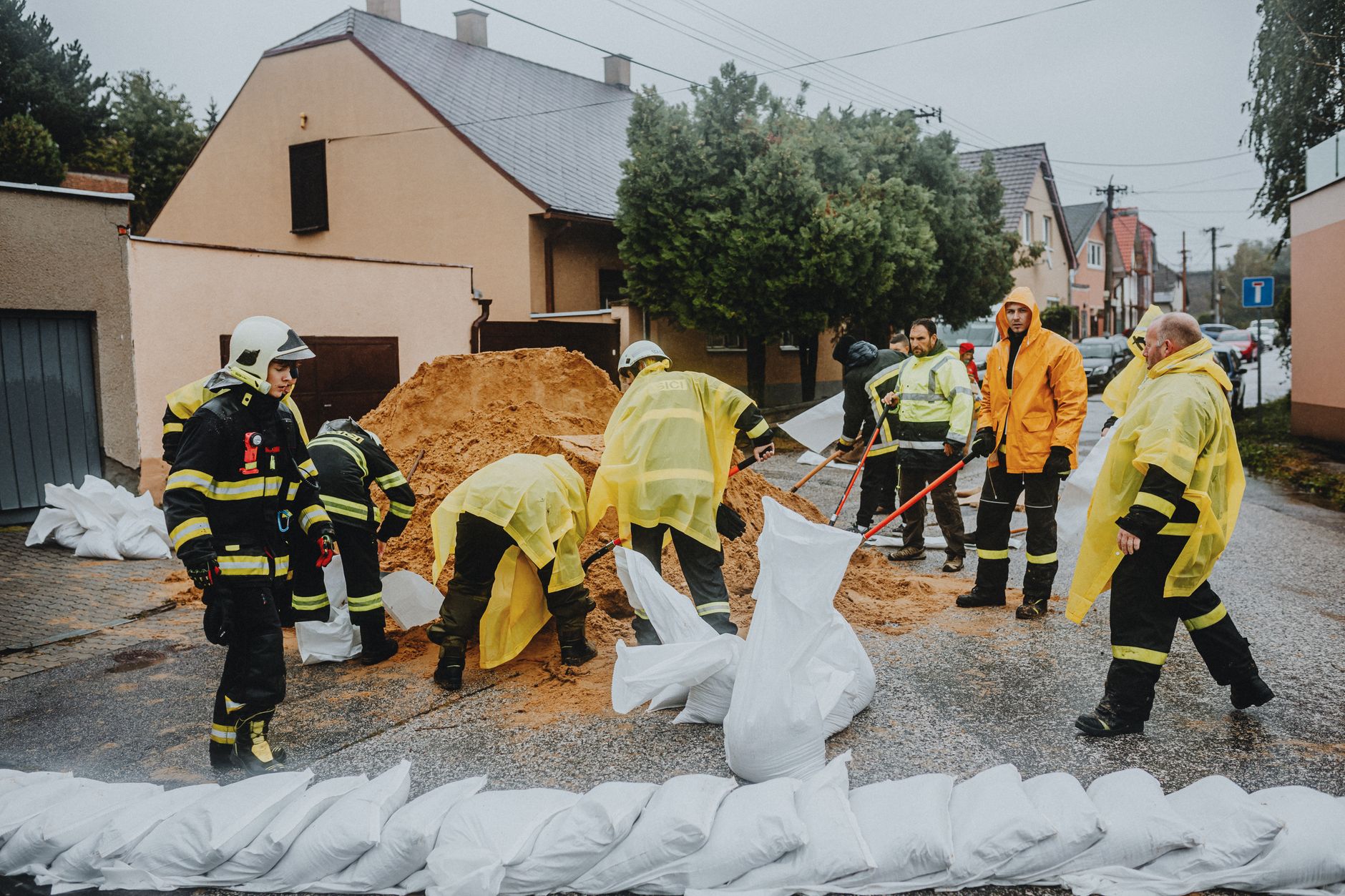
The immediate focus of implementation efforts will be on humanitarian aid and emergency response in the affected Iranian regions. International organizations, if granted access, will need to rapidly deploy resources for water purification, distribution, and medical assistance to prevent a wider health crisis. The logistical challenges of reaching 10,000 people in a potentially hostile or difficult-to-access area will be immense, requiring significant coordination and political will. Monitoring the effectiveness of these aid efforts will be crucial to ensure that assistance reaches those most in need and is not hampered by political obstacles or security concerns.
In Kuwait, the implementation watch centers on the swift and transparent investigation into the fire at the water facility. The findings of this investigation will be critical in shaping regional narratives and determining potential responses. Concurrently, Kuwaiti authorities will be tasked with rapidly repairing or replacing damaged infrastructure and implementing enhanced security measures to protect vital assets from future incidents, whether accidental or malicious. The speed and efficiency of this recovery will be a key indicator of the nation's resilience and its ability to maintain essential services under duress.
Diplomatically, the implementation watch will track the responses of international bodies and major powers. Will the UN Security Council take concrete steps beyond condemnations? Will the US issue a formal, detailed response to Iran's allegations? The nature of these diplomatic engagements will determine whether the current crisis can be de-escalated through dialogue or if it will spiral into further confrontation. The international community's ability to hold all parties accountable for adherence to international law, particularly regarding civilian protection and critical infrastructure, will be a critical test of its effectiveness in preventing a wider regional conflict.








Comments
No comments yet. Be the first to comment!