
At a Glance
- The confirmed death toll from the devastating Venezuelan earthquake has tragically escalated, now standing at nearly 5,000 victims, with rescue efforts continuing to uncover more casualties.
- Thousands more individuals have sustained severe injuries, overwhelming local medical facilities which are already struggling with limited resources and infrastructure.
- Vast swathes of critical infrastructure, including residential buildings, hospitals, and transportation networks, have been severely damaged or completely destroyed across multiple affected regions.
- An urgent humanitarian crisis is unfolding, characterized by widespread displacement, critical shortages of food, clean water, and essential medical supplies for survivors.
- International aid organizations and governments are mobilizing, but the scale of the disaster demands a significantly more robust and coordinated global response to meet immediate needs.
- The long-term recovery and reconstruction efforts are projected to require monumental financial investment and sustained international support, far beyond initial emergency relief.
The Record
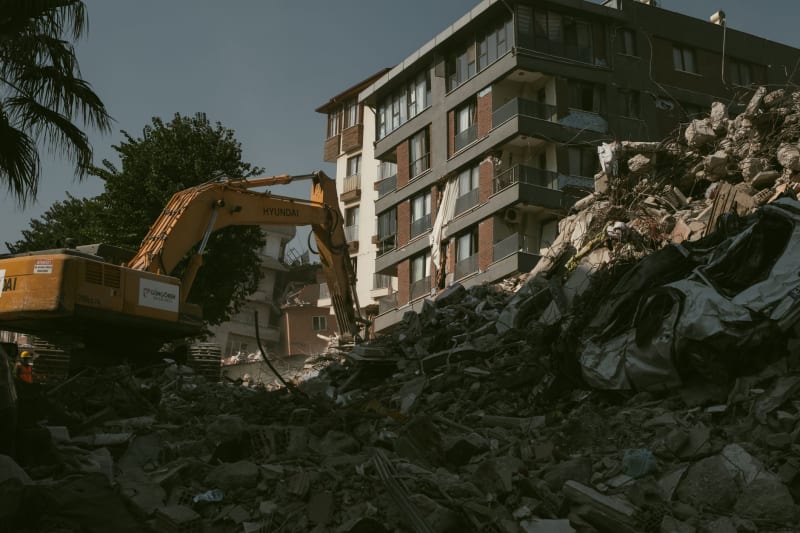
The catastrophic earthquake that struck Venezuela has unleashed an unparalleled humanitarian disaster, with the official count of fatalities now tragically nearing 5,000. This grim figure continues to climb as search and rescue teams, working tirelessly amidst the rubble, uncover more victims. The sheer scale of destruction has overwhelmed the nation's already fragile infrastructure, leaving countless communities in ruins and thousands of families without homes or livelihoods. The immediate aftermath has revealed a desperate need for resources, from medical supplies to basic sustenance, as survivors grapple with the profound loss and uncertainty.
Beyond the staggering death toll, the human cost of this tragedy extends to the thousands who have suffered severe injuries, many of whom are in critical condition. Hospitals, already operating under strain, are now inundated with casualties, struggling to provide adequate care with limited beds, equipment, and medical personnel. The psychological trauma inflicted upon survivors, witnesses, and first responders is immense, with many experiencing shock, grief, and profound distress. The long-term mental health implications for the affected population will require significant attention and resources.
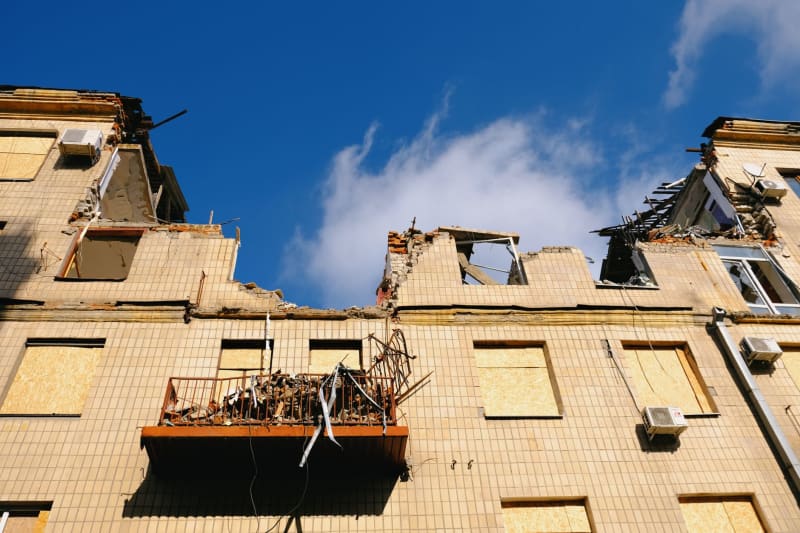
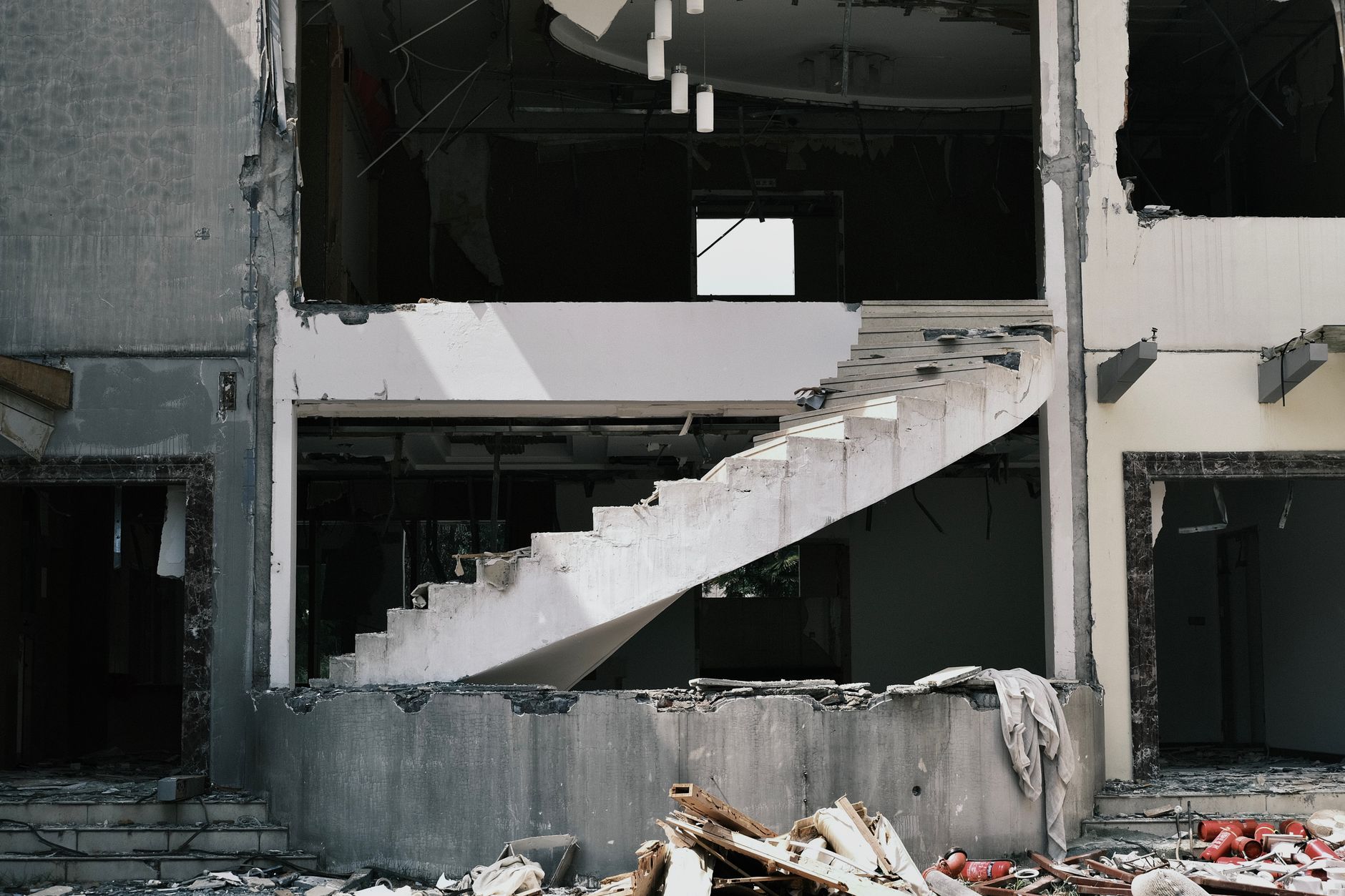
The earthquake's impact has not been confined to human lives; critical infrastructure across several states has been decimated. Residential buildings have crumbled, major roads and bridges are impassable, and essential services like electricity and water supply have been severely disrupted. This widespread destruction complicates aid delivery, making it incredibly challenging to reach isolated communities and distribute vital supplies effectively. Rebuilding these vital structures will be a monumental task, demanding a coordinated national and international effort over many years.
Who Knew and When
Seismological agencies had previously identified Venezuela as a region with significant seismic activity, situated near the Caribbean and South American tectonic plate boundaries. While the exact timing and magnitude of any earthquake are inherently unpredictable, the general risk was well-established. Public awareness campaigns and building codes designed to mitigate earthquake damage have been in place, though their enforcement and the resilience of older structures have been points of concern for experts over the years. This historical context underscores a known vulnerability that, despite warnings, proved devastating in the face of such a powerful tremor.
Local authorities and disaster preparedness organizations have regularly conducted drills and developed emergency response plans, recognizing the inherent geological risks. However, the sheer intensity and widespread nature of this particular earthquake appear to have exceeded the capacity of existing preparedness measures. Reports indicate that early warning systems, where available, provided only moments of notice, highlighting the challenges of real-time seismic prediction and the speed at which such a catastrophic event unfolds. The immediate aftermath revealed significant gaps in rapid deployment and coordination capabilities.
International seismic monitoring networks detected the earthquake almost instantaneously, relaying information to global disaster response bodies within minutes of the initial tremor. This rapid dissemination of data allowed for swift international assessment of the potential impact zones and the preliminary mobilization of aid. However, the on-the-ground reality of assessing damage and coordinating rescue efforts in a country with complex logistical challenges meant that the full scope of the disaster, particularly the escalating death toll, became apparent only hours and days later as communication lines were restored and remote areas accessed.
Voices from the Ground
Maria Rodriguez, a mother of three from Barquisimeto, recounted her harrowing escape: "The ground shook like a giant was trying to tear the world apart. Our apartment building just… crumbled. I grabbed my children and ran, not knowing if my husband was behind me. We lost everything, but we are alive. Now, we just need water, food, and a safe place to sleep. Every night, the aftershocks make us relive that terror." Her voice, thick with exhaustion and grief, echoes the sentiments of thousands who have lost their homes and are now struggling for basic survival.
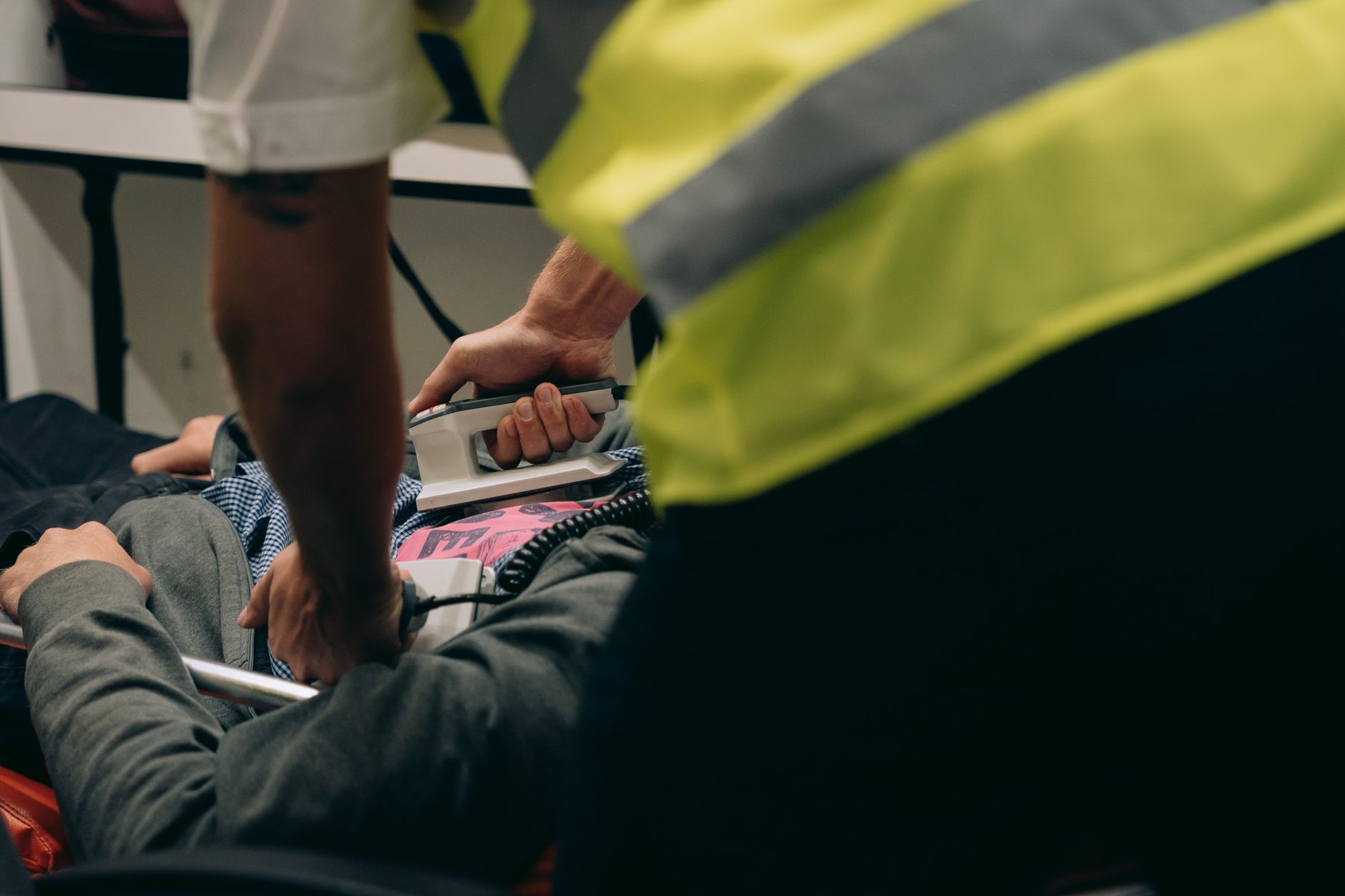
Dr. Carlos Mendez, a surgeon at a makeshift field hospital in Maracaibo, described the overwhelming conditions: "We are operating non-stop, often by flashlight. The injuries are horrific – crush wounds, broken bones, severe lacerations. We're running critically low on pain medication, antibiotics, and even basic surgical supplies. Every hour, more patients arrive, and we're forced to make impossible choices. The international community must understand the urgency; without more help, many more will die from treatable injuries." His plea underscores the dire medical emergency unfolding.
Juan Pablo, a volunteer digging through rubble in Valencia, shared his despair: "We've been searching for days, hoping to find survivors, but mostly we find bodies. The smell… it's unbearable. My own cousin is still under there. We need heavy equipment, more trained rescuers, anything to speed up this grim work. Every minute counts, but we feel so helpless with just our bare hands and shovels." His testimony highlights the desperate, often futile, efforts of local communities in the absence of adequate resources.
The Debate
The immediate aftermath of the earthquake has ignited a fervent debate regarding the adequacy of Venezuela's disaster preparedness and response mechanisms. Critics argue that years of economic instability and political turmoil have severely eroded the nation's capacity to handle a crisis of this magnitude, leading to insufficient infrastructure maintenance, outdated emergency protocols, and a lack of essential resources. They point to the slow initial deployment of aid and the overwhelming of local services as evidence of systemic failures that exacerbated the human toll.
Conversely, government officials and their supporters contend that no nation, regardless of its economic standing, could have been fully prepared for an earthquake of such immense power and widespread destruction. They emphasize the unprecedented nature of the event, highlighting the rapid mobilization of military and civilian personnel, and the establishment of emergency shelters. They also stress the challenges posed by international sanctions, which they claim have hindered access to critical equipment and resources necessary for robust disaster mitigation and response efforts.
Another significant point of contention revolves around the coordination and distribution of international aid. While many countries have offered assistance, there are ongoing discussions about the most effective and transparent channels for delivering this help to those most in need, bypassing potential bureaucratic hurdles or political interference. Humanitarian organizations are advocating for direct access and independent oversight to ensure that aid reaches the affected populations swiftly and equitably, emphasizing that the focus must remain solely on saving lives and alleviating suffering, free from political agendas.
Your Questions Answered
What Accountability Looks Like
Accountability in the wake of such a devastating natural disaster extends beyond immediate emergency response to encompass a thorough review of preparedness, building standards, and the efficacy of aid distribution. This means scrutinizing whether existing seismic building codes were adequately enforced, particularly in older or rapidly constructed urban areas. Were public funds allocated for disaster preparedness utilized effectively? An independent commission could provide crucial oversight, ensuring transparency and identifying areas for systemic improvement to prevent future tragedies from escalating to this degree.
Furthermore, accountability must address the efficiency and equity of aid delivery. In a crisis of this magnitude, ensuring that humanitarian assistance reaches all affected populations, regardless of their political affiliation or geographic remoteness, is paramount. This requires transparent mechanisms for tracking aid, minimizing diversion, and empowering local communities in the distribution process. International partners also bear a responsibility to ensure their aid is delivered through channels that prioritize humanitarian principles and reach the most vulnerable directly.
Looking forward, accountability will also involve a commitment to robust, resilient reconstruction. This includes implementing stricter building codes, investing in earthquake-resistant infrastructure, and developing comprehensive early warning systems that are accessible to all citizens. It means holding both governmental and private entities responsible for adhering to these new standards. Ultimately, true accountability will be measured by the nation's ability to emerge from this disaster stronger, more prepared, and with a renewed commitment to safeguarding its citizens from future seismic events.






Comments
No comments yet. Be the first to comment!